
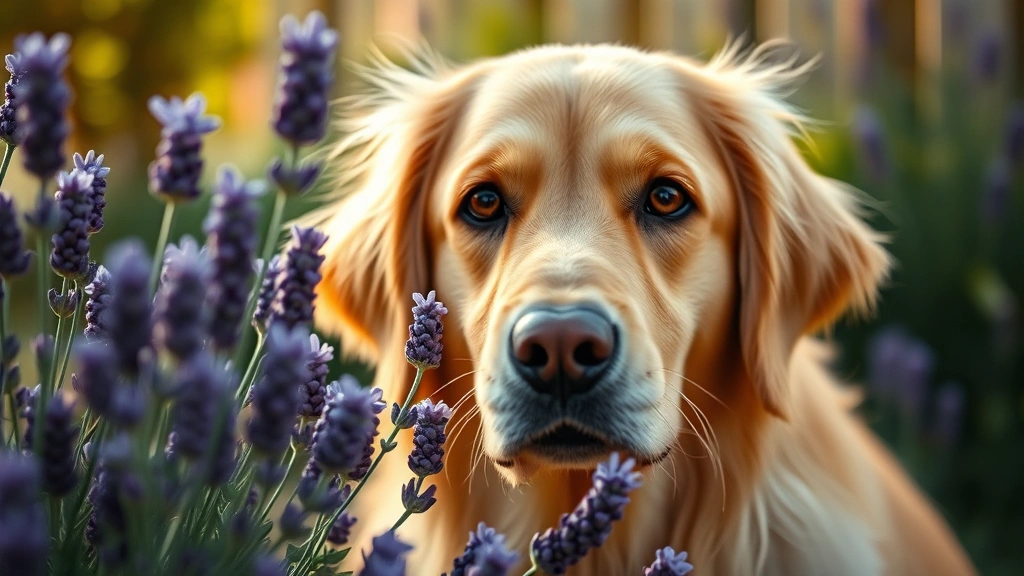
So, is lavender bad for dogs? The answer isn’t as straightforward as a simple yes or no, and that’s exactly what we’re diving into today. If you’re a dog parent who loves the calming scent of lavender or uses it in your home, you’ve probably wondered whether your furry best friend is safe around it. The good news? We’ve got all the details you need to keep your pup happy and healthy.
Table of Contents
- Understanding Lavender Toxicity in Dogs
- Lavender Essential Oil: The Real Culprit
- Signs Your Dog Has Lavender Poisoning
- Safe Lavender Products vs. Dangerous Ones
- Lavender and Skin Health: A Complicated Relationship
- Lavender in Dog Products: What’s Actually Safe?
- Diffusers and Aromatherapy Around Dogs
- Other Toxic Plants Pet Owners Often Confuse with Lavender
- What to Do If Your Dog Eats Lavender
- Breed-Specific Considerations for Lavender Exposure
- Creating a Safe Home: Lavender Alternatives
- When to Call Your Vet About Lavender Exposure
- Frequently Asked Questions
- Summary: The Bottom Line on Lavender and Dogs
Understanding Lavender Toxicity in Dogs
Let’s get real: lavender contains compounds called linalool and linalyl acetate, which can be toxic to dogs in certain quantities. However, the keyword here is “certain quantities.” Most dogs won’t suffer serious harm from occasional exposure to lavender scent or a tiny taste of the plant. The ASPCA lists lavender as mildly toxic to dogs, but severity depends on concentration, form, and how much your dog ingests. A whiff of your lavender pillow spray? Probably fine. Your dog eating an entire lavender plant or consuming lavender essential oil? That’s a different story entirely.
Lavender Essential Oil: The Real Culprit
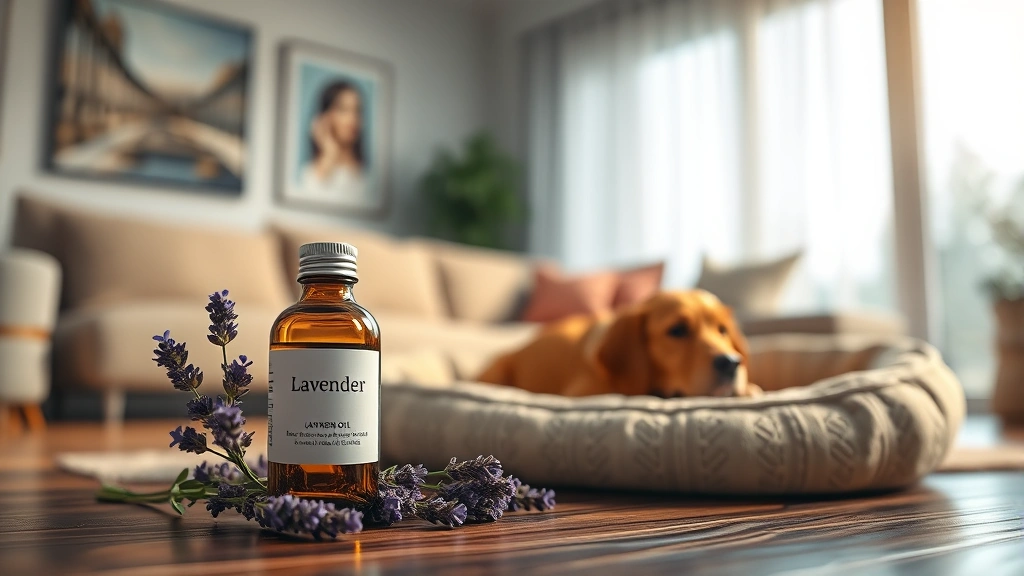
Here’s where things get serious: lavender essential oil is bad for dogs far more than the plant itself. Essential oils are concentrated versions of the plant’s compounds, making them significantly more potent. If your dog ingests even a small amount of undiluted lavender essential oil, you could be looking at toxicity issues. This is why diffusing essential oils around dogs requires serious caution. Many pet owners don’t realize that their fancy essential oil diffuser could be exposing their pup to harmful levels of linalool. The concentration in essential oil is roughly 100 times stronger than in the actual plant.
Signs Your Dog Has Lavender Poisoning
If your dog has gotten into lavender products, watch for these warning signs: vomiting, diarrhea, decreased appetite, lethargy, tremors, or difficulty breathing. Some dogs may also experience skin irritation if they’ve had direct contact with lavender oil. The severity of symptoms depends on your dog’s size, age, and overall health. A 70-pound Golden Retriever will handle lavender exposure differently than a 5-pound Chihuahua. If you notice any of these symptoms after your dog’s encounter with lavender, contact your veterinarian immediately. Don’t wait to see if symptoms resolve on their own—time matters in poisoning cases.
Safe Lavender Products vs. Dangerous Ones
Not all lavender products pose the same risk. Dried lavender buds in a sachet that your dog can’t chew open? Generally safe. A bottle of concentrated lavender essential oil sitting on your nightstand? That’s a hazard. Lavender-infused shampoos formulated for dogs are typically safe because they’re diluted and designed with pet safety in mind. However, human lavender products—especially those containing essential oils—are not formulated with dogs’ metabolic differences in mind. Your dog’s liver processes chemicals differently than yours does, making them more vulnerable to certain compounds. Always check labels and err on the side of caution when it comes to anything concentrated.
Lavender and Skin Health: A Complicated Relationship
Some pet owners use diluted lavender for skin issues, thinking it’s a natural remedy. While lavender does have some antimicrobial properties, applying it directly to your dog’s skin can cause irritation or allergic reactions in sensitive pups. If you’re considering any lavender treatment for your dog’s skin, talk to your vet first. They can recommend safer alternatives or tell you whether a specific diluted product might work for your individual dog. Self-treating with essential oils or plant matter is risky when your dog’s health is on the line. For more information on what’s actually safe for your pet, check out our guide on spices safe for pets, which covers other common household items.
Lavender in Dog Products: What’s Actually Safe?
The pet industry has capitalized on lavender’s popularity, creating “lavender-infused” dog beds, treats, and toys. Here’s the thing: if it’s a legitimate dog product from a reputable company, it’s been formulated to be safe. These products use lavender extract or flavor rather than essential oil, and they’re tested for pet safety. You can usually find this information on the product label or the company’s website. However, if you’re buying homemade or unregulated lavender dog products from random online sellers, you’re taking a gamble. Stick with established pet brands that have veterinary oversight and clear ingredient lists. If you’re unsure about a product’s safety, your vet can help you evaluate it.
Diffusers and Aromatherapy Around Dogs
That trendy essential oil diffuser in your living room? It might be creating an unsafe environment for your dog. When you diffuse lavender essential oil, you’re dispersing those concentrated compounds into the air your dog breathes. Over time, this exposure can accumulate in their system. If you’re going to use aromatherapy in your home, make sure your dog has access to a room where they can escape the scent. Never diffuse essential oils in a small, enclosed space where your dog spends a lot of time. Better yet, consider non-essential oil alternatives like unscented candles or opening a window for fresh air. Your dog’s respiratory health is worth skipping the fancy diffuser.
Other Toxic Plants Pet Owners Often Confuse with Lavender
Lavender isn’t the only plant that causes confusion. Many pet owners worry about similar-looking or similar-smelling plants. Lilies, for example, are far more toxic to dogs than lavender, and they’re commonly found in bouquets and gardens. Sago palms, oleander, and foxglove are also dangerous. If you’re concerned about a specific plant in your home or yard, research it thoroughly or ask your vet. The ASPCA Animal Poison Control Center has a searchable database of toxic plants, which is incredibly useful for any pet owner. For more on toxic substances, check out our article on toxic fruits for dogs to understand the broader picture of what to avoid.
What to Do If Your Dog Eats Lavender
Stay calm. First, determine what your dog ate: was it the plant, dried buds, or essential oil? How much? Your dog’s size and age matter too. If it was a small amount of the plant or dried lavender, your dog will likely be fine. Monitor them for the next 24 hours for any symptoms. If your dog ingested essential oil or a large quantity of the plant, or if any symptoms develop, contact your veterinarian or the ASPCA Animal Poison Control Center immediately. Have the product label or plant identification ready when you call. Don’t induce vomiting unless specifically instructed by a professional—this can sometimes make things worse. Your vet may recommend observation, activated charcoal, or other treatments depending on the situation. For more guidance on poisoning incidents, see our resource on telehealth advice for pet poisoning.
Breed-Specific Considerations for Lavender Exposure
Some dog breeds are more sensitive to toxins than others. Small breeds and senior dogs metabolize substances more slowly, making them more vulnerable to lavender toxicity. Breeds with liver issues or other health conditions are also at higher risk. Additionally, puppies haven’t fully developed their detoxification systems, so they’re more susceptible to harm. If you have a toy breed, senior dog, or a pup with existing health issues, you should be extra cautious about lavender exposure. Discuss your specific dog’s risk factors with your vet, especially if you’re thinking about using any lavender products around them.
Creating a Safe Home: Lavender Alternatives
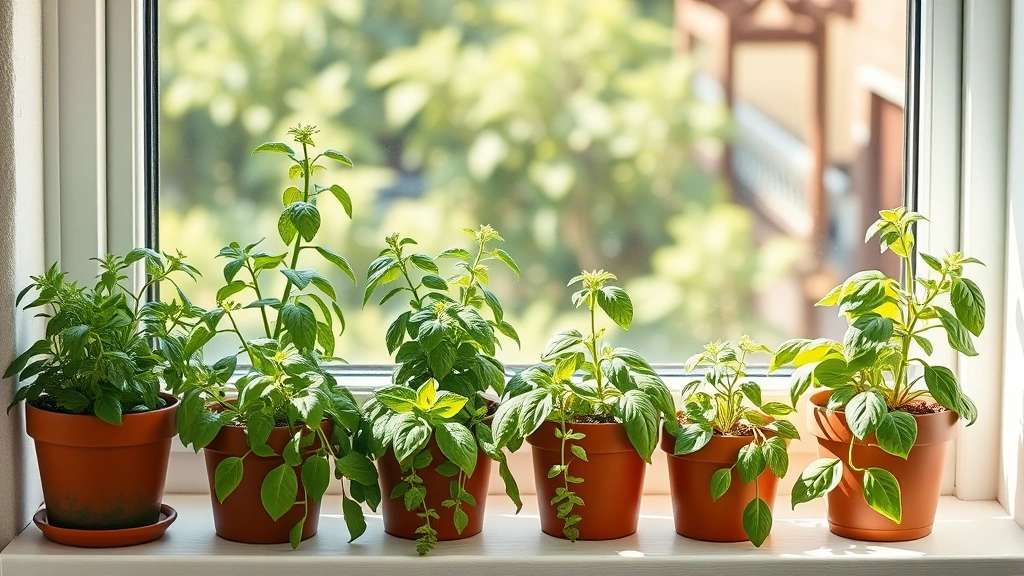
Want your home to smell amazing without risking your dog’s health? There are plenty of alternatives. Open windows for natural ventilation and fresh air. Use unscented candles or beeswax candles without essential oils. Plant dog-safe herbs like mint or basil in your garden instead. You can even make a simple herb sachet with dog-safe dried herbs and place it in areas your dog can’t access. If you really love lavender, keep it in rooms where your dog doesn’t spend time, like a locked bedroom or bathroom. Your pup won’t miss the lavender scent, but they’ll definitely appreciate not being exposed to potentially harmful compounds. For more on creating a safe environment, check out our guide on safe human snacks for pets, which covers the broader topic of pet safety around household items.
When to Call Your Vet About Lavender Exposure
Call your vet if your dog shows any symptoms after lavender exposure, if they’ve ingested essential oil, or if they’ve eaten a large quantity of the plant. Don’t wait for symptoms to worsen. It’s always better to call and be told everything’s fine than to wait and discover you should have acted sooner. Your vet can assess your individual dog’s situation and provide specific guidance. They might recommend bringing your dog in for an examination or simply monitoring at home. Trust your gut—if something feels off, it’s worth a phone call to your vet’s office.
Frequently Asked Questions
Is lavender essential oil toxic to dogs?
Yes, lavender essential oil is significantly more toxic to dogs than the plant itself due to its concentrated nature. Even small amounts of undiluted essential oil can cause toxicity symptoms. Always keep essential oils away from dogs and never apply them directly to your dog’s skin or fur without veterinary guidance.
Can dogs smell lavender safely?
Dogs can typically tolerate the scent of lavender from a distance, but prolonged exposure to diffused lavender essential oil can be problematic. If you use a diffuser, make sure your dog has access to a room where they can escape the scent. Occasional exposure to the plant’s natural scent is usually fine.
What should I do if my dog ate lavender from my garden?
Monitor your dog closely for the next 24 hours. If they ate just a small amount, they’ll likely be fine. Watch for vomiting, diarrhea, lethargy, or tremors. If any symptoms appear or if your dog ate a large quantity, contact your veterinarian immediately.
Are lavender dog treats safe?
Legitimate lavender dog treats from reputable companies are formulated to be safe and use diluted lavender extract rather than essential oil. Always check the label and choose products from established pet brands. If you’re unsure about a product, ask your vet.
Can I use lavender shampoo on my dog?
Dog-specific lavender shampoos are generally safe because they’re formulated with pet safety in mind and contain diluted ingredients. However, human lavender products should never be used on dogs. Always use products specifically designed for dogs.
Is dried lavender bad for dogs?
Dried lavender buds are less concentrated than essential oil, but they can still cause issues if your dog ingests a large quantity. A small amount of dried lavender is unlikely to cause serious harm, but it’s still best to keep it away from your dog.
Summary: The Bottom Line on Lavender and Dogs
So, is lavender bad for dogs? The answer is nuanced. The lavender plant itself is only mildly toxic in small amounts, and occasional exposure to the scent is usually harmless. However, lavender essential oil is concentrated and poses a real risk to dogs, especially in undiluted form. The safest approach is to keep all lavender products, particularly essential oils, away from your dog. If you love lavender, designate it to areas your dog can’t access. If your dog does get into lavender, stay calm, assess what they ingested, and contact your vet if you’re concerned. Every dog is different, so what’s safe for one pup might not be for another. When in doubt, err on the side of caution and consult with your veterinarian. Your dog’s health is worth the extra precaution, and your vet is always your best resource for personalized advice about your specific pup.





