
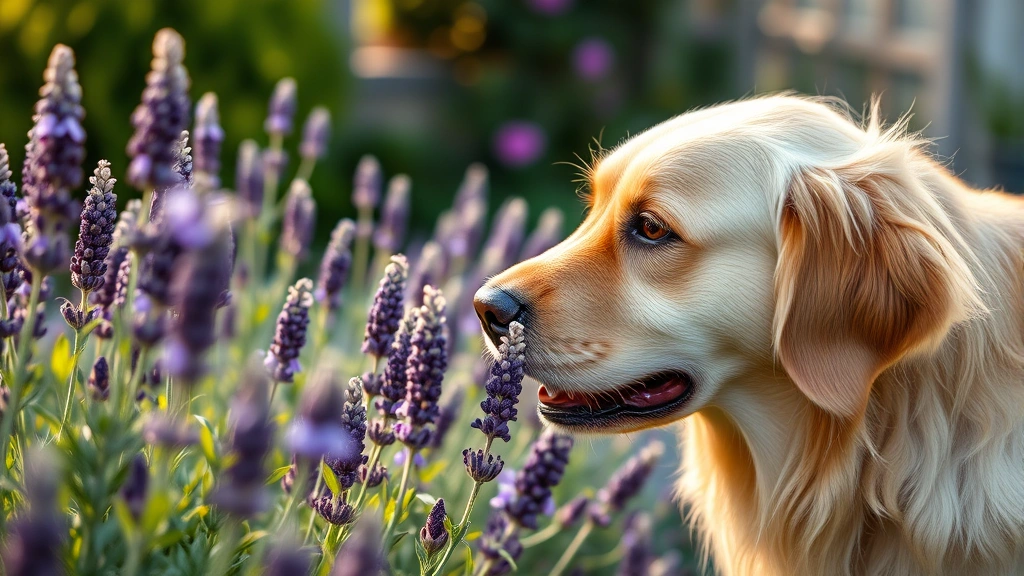
Is Lavender Poisonous to Dogs? Safety Guide for Pet Owners
If you’re a dog parent who loves the soothing scent of lavender, you’ve probably wondered whether it’s safe to have around your furry best friend. The answer isn’t as straightforward as a simple yes or no, and that’s exactly why we’re diving deep into this aromatic question today. Lavender has become a staple in many homes—from essential oil diffusers to dried sachets and even dog shampoos—but when it comes to our canine companions, we need to separate fact from fiction.
The truth is, lavender exists in a gray zone when it comes to dog safety. While small amounts of lavender in certain forms are generally considered non-toxic to dogs, concentrated versions like essential oils can pose real risks. Understanding the difference between these forms and knowing how to use lavender responsibly around your pup is crucial for keeping them safe and healthy.
In this comprehensive guide, we’ll explore everything you need to know about lavender and dogs, including which forms are safest, what symptoms to watch for, and how to keep your home dog-friendly while still enjoying the benefits of this popular plant.
Understanding Lavender and Its Forms
Lavender comes in many different forms, and this is where the confusion often starts. The lavender plant itself (Lavandula) is a flowering herb that’s been used for centuries in human wellness and aromatherapy. However, not all lavender products are created equal, and your dog’s safety depends largely on which form you’re using.
The most common forms you’ll encounter include dried lavender flowers, lavender-infused products, lavender essential oil, and lavender-scented items. Each of these has different concentrations of the plant’s active compounds, which directly impacts how safe they are for your dog. According to the ASPCA Animal Poison Control Center, understanding these distinctions is the first step in protecting your pet.
When we talk about whether lavender is safe for dogs, we’re really asking about the concentration and delivery method. A dog sniffing a dried lavender sachet is in a completely different situation than a dog ingesting lavender essential oil. The essential oil contains concentrated compounds that can accumulate in your dog’s system, while dried flowers pose minimal risk if accidentally ingested in small quantities.
Toxicity Levels: What Makes Lavender Risky
Lavender contains compounds called linalool and linalyl acetate, which give the plant its distinctive scent and many of its therapeutic properties. In humans, these compounds are generally recognized as safe, but dogs metabolize substances differently than we do. Their livers process these compounds more slowly, which means they can accumulate to toxic levels more easily.
The toxicity risk depends on several factors: the concentration of the lavender product, the amount your dog consumed, your dog’s size and age, and their overall health status. A large breed dog that accidentally licks a tiny bit of dried lavender faces virtually no risk, while a small puppy exposed to lavender essential oil multiple times could develop problems.
Research shows that lavender becomes concerning when it’s concentrated, particularly in essential oil form. The American Kennel Club notes that essential oils are not regulated like medications, meaning concentrations can vary widely between brands and products. This unpredictability makes essential oils one of the riskier options for homes with dogs.
When considering whether lavender is toxic to dogs, it’s important to recognize that toxicity is dose-dependent. This means that while a small exposure might cause no issues, repeated or larger exposures could accumulate in your dog’s system and cause harm.
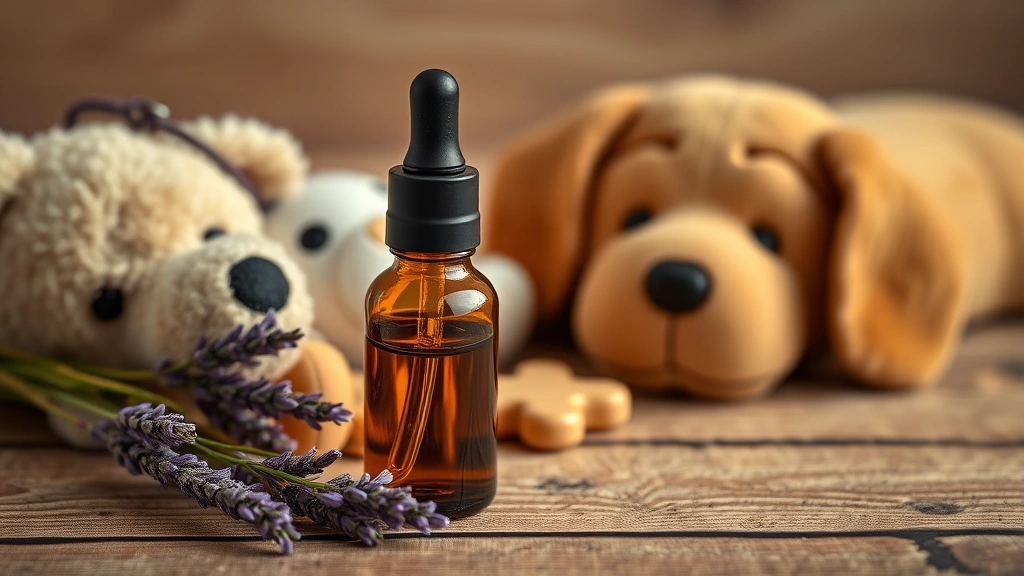
Safe Forms of Lavender for Dogs
Not all lavender products will harm your dog. In fact, some forms are considered relatively safe when used appropriately. Dried lavender flowers, when kept away from your dog’s direct access, pose minimal risk. If your dog accidentally nibbles on a dried flower or two, it’s unlikely to cause problems. The dried form has much lower concentrations of the active compounds compared to essential oils.
Lavender-scented items that are applied to your dog’s coat or used in dog-specific products can sometimes be safe, depending on the concentration. Many commercial dog shampoos and conditioners contain small amounts of lavender extract, and these products are generally considered safe for topical use. However, always check the ingredient list and ensure the product is specifically formulated for dogs.
Some pet owners use very diluted lavender solutions as a rinse or in homemade dog shampoos. If you’re considering this approach, the key is extreme dilution—we’re talking about just a few drops of essential oil in a large batch of shampoo, combined with carrier oils that further dilute the concentration. Even then, it’s wise to consult with your veterinarian first.
The safest approach is to keep any lavender products away from your dog’s mouth and eyes. If you want to enjoy lavender in your home, use it in ways that keep it physically separated from your pet—such as in rooms they don’t frequent or in sealed containers they can’t access.
Dangerous Forms to Avoid
Lavender essential oil is the primary concern when it comes to dog safety. Essential oils are highly concentrated, containing the potent compounds from the plant in a form that’s easy for dogs to absorb quickly. Just a few drops of undiluted lavender essential oil could potentially cause serious issues in a small dog.
Direct application of essential oils to your dog’s skin or coat is particularly risky. Even though some websites claim lavender oil can help with anxiety or skin issues in dogs, the risks typically outweigh the benefits. Your dog’s skin is more sensitive than human skin, and the oil can cause irritation, absorption issues, and systemic toxicity.
Diffusers that disperse lavender essential oil into the air are another concern. When oils are diffused, they become airborne and your dog inhales them continuously. Over time, this can lead to accumulation in their system. Dogs with respiratory sensitivities, puppies, senior dogs, or those with existing health conditions are particularly vulnerable.
Lavender-scented candles, plug-in air fresheners, and other heavily scented products should be used cautiously around dogs. While the scent alone might not cause poisoning, the concentrated chemicals in these products can irritate your dog’s respiratory system and cause discomfort.
Just as you’d be careful about other essential oils like peppermint oil and dog safety, or eucalyptus around your pet, lavender essential oil deserves the same caution and respect.

Signs Your Dog Has Been Exposed to Lavender
If your dog has accidentally ingested lavender or been exposed to concentrated lavender products, watch for these warning signs. The symptoms can range from mild to severe depending on the amount and form of lavender involved.
- Vomiting or diarrhea: Gastrointestinal upset is one of the first signs that something isn’t right. If your dog vomits or has loose stools after potential lavender exposure, take note.
- Lethargy or weakness: Your normally energetic pup might seem unusually tired or lack their typical enthusiasm for play and walks.
- Loss of appetite: If your dog refuses their regular meals or treats, it could indicate they’re not feeling well.
- Trembling or shaking: Nervous system effects can cause shaking in dogs, which is a concerning sign that warrants veterinary attention.
- Drooling or difficulty swallowing: These symptoms suggest mouth or throat irritation.
- Difficulty breathing: If your dog seems to be struggling to breathe or panting excessively, this is an emergency situation.
- Skin irritation: Redness, itching, or swelling where lavender products contacted the skin.
- Behavioral changes: Unusual aggression, anxiety, or confusion can indicate neurological effects.
It’s crucial to note that not all dogs will show symptoms, especially if the exposure was minimal. However, if you suspect your dog has been exposed to significant amounts of lavender—particularly essential oil—don’t wait for symptoms to appear. Contact your veterinarian or the Pet Poison Helpline immediately.
Prevention Tips for Pet Owners
The best approach to keeping your dog safe from lavender-related issues is prevention. Here are practical steps you can take to minimize risks in your home:
- Store essential oils securely: Keep all essential oils, including lavender, in sealed containers stored in cabinets or areas your dog absolutely cannot access. Essential oils should be treated like medications or toxic substances in your home.
- Skip the diffusers: If you love aromatherapy, consider using it only in rooms where your dog doesn’t spend time, or skip diffusers altogether and opt for safer scent alternatives.
- Check product ingredients: Before buying dog products like shampoos, treats, or toys, read the ingredient list. Look for overly concentrated lavender extracts and avoid them.
- Avoid topical applications: Don’t apply lavender essential oil directly to your dog’s skin or coat, even in diluted form, without explicit veterinary approval.
- Keep dried lavender away: While dried lavender is lower risk, it’s still best to keep it where your dog can’t access it, especially if they’re curious chewers.
- Be cautious with DIY products: If you’re making homemade dog products, avoid adding essential oils. Stick to dog-safe ingredients that don’t require concentrated plant extracts.
- Educate visitors: Make sure guests in your home know not to use lavender products around your dog or leave personal items containing lavender where your dog can find them.
- Monitor outdoor exposure: If you have lavender plants in your garden, supervise your dog’s time outside to prevent them from eating the plants.
Dog-Safe Alternatives to Lavender
If you love the calming, fresh-scented benefits of lavender but want to skip the risks, several dog-safe alternatives can give you similar results without the worry.
Chamomile is a wonderful alternative that offers calming properties similar to lavender. When used properly—as a weak tea or in specially formulated dog products—chamomile can help soothe anxiety without the toxicity concerns. Always consult your vet before introducing any herbal supplements.
Ginger is another dog-friendly option that can support digestive health and provide anti-inflammatory benefits. Fresh ginger in small amounts can be added to your dog’s food, or you can use ginger-based dog treats.
Natural dog products specifically formulated without essential oils offer great alternatives. Many companies now create dog shampoos and grooming products using dog-safe ingredients like oatmeal, aloe vera, and coconut oil.
Unscented or lightly scented options are your safest bet. If you want a pleasant smell in your home, focus on keeping your space clean and well-ventilated rather than relying on scented products.
Calming treats and supplements designed for dogs can provide anxiety relief without any of the risks associated with lavender. Look for products containing ingredients like L-theanine, melatonin, or dog-appropriate herbs that have been studied for safety in canines.
Remember, just because something is natural doesn’t automatically make it safe for dogs. The distinction between foods that are toxic to dogs and safe options applies to herbs and plants as well. When in doubt, ask your veterinarian before introducing any new substance to your dog’s environment.
Frequently Asked Questions
Can dogs eat lavender flowers?
Small amounts of dried lavender flowers are unlikely to cause serious harm if your dog accidentally ingests them. However, it’s not recommended to intentionally give your dog lavender flowers. If your dog eats a significant amount or shows any symptoms, contact your veterinarian. Fresh lavender flowers contain higher concentrations of the active compounds than dried ones, so they’re riskier.
Is lavender essential oil safe to use around dogs?
No, lavender essential oil is not safe to use around dogs. Essential oils are highly concentrated and can cause toxicity, especially with repeated exposure through diffusers or direct application. If you use essential oils in your home, keep them completely away from your dog and never apply them to your pet’s skin or fur.
What should I do if my dog ingests lavender essential oil?
If your dog has ingested lavender essential oil, contact your veterinarian or the Pet Poison Helpline immediately. Provide information about the amount ingested and your dog’s weight and age. Do not induce vomiting unless instructed to do so by a professional. Time is important in these situations, so don’t delay seeking help.
Are lavender-infused dog products safe?
Some lavender-infused dog products are safer than others. Commercial dog shampoos with small amounts of lavender extract are generally considered safe for occasional use. However, always check the ingredient list and concentration levels. If you’re unsure about a product, ask your veterinarian or contact the manufacturer for specific information about lavender concentration.
Can lavender help with my dog’s anxiety?
While lavender has calming properties in humans, it’s not a proven or recommended anxiety treatment for dogs due to safety concerns. There are many safer, veterinarian-approved options for dog anxiety, including behavioral training, medications, and supplements specifically designed for dogs. Talk to your vet about the best approach for your dog’s anxiety.
What if my dog has a sensitive nose or respiratory issues?
Dogs with respiratory sensitivities, allergies, or conditions like asthma are at higher risk from scented products and diffusers. These dogs should be kept away from any lavender products, including diffusers and scented candles. Stick to unscented, dog-safe cleaning products and maintain good air quality in your home.
Is fresh lavender from my garden safe for my dog?
Fresh lavender from your garden is riskier than dried lavender because it contains higher concentrations of linalool and linalyl acetate. If your dog has access to your garden and you have lavender plants, supervise outdoor time carefully. Consider fencing off areas with lavender or removing the plants entirely if your dog is a curious chewer.
How can I tell if my dog has lavender poisoning?
Signs of lavender poisoning include vomiting, diarrhea, lethargy, loss of appetite, trembling, drooling, and difficulty breathing. Some dogs may also experience skin irritation or behavioral changes. If you notice any of these symptoms after potential lavender exposure, seek veterinary care promptly.





