

As pet owners, we naturally want to keep our furry companions safe while enjoying the pleasant aromas and benefits of essential oils and herbs in our homes. Lavender, with its calming scent and therapeutic properties, is one of the most popular choices for aromatherapy and home fragrance. However, many dog owners wonder whether this beloved purple flower poses any risks to their four-legged family members.
Understanding whether lavender is safe for dogs requires examining different forms of lavender exposure, from essential oils to fresh plants, and recognizing the signs of potential toxicity. While lavender is generally considered less toxic than many other essential oils, it’s crucial to understand the nuances of safe usage and potential risks to make informed decisions about your pet’s wellbeing.
Understanding Lavender Toxicity in Dogs
Lavender contains compounds called linalool and linalyl acetate, which are responsible for its distinctive fragrance and therapeutic effects in humans. According to the ASPCA Animal Poison Control Center, lavender is mildly toxic to dogs, cats, and horses. However, the level of toxicity is significantly lower compared to other essential oils and plants.
The concentration of these compounds varies depending on the form of lavender and how it’s processed. Fresh lavender plants typically contain lower concentrations than concentrated essential oils, making them less likely to cause severe reactions. The Pet Poison Helpline notes that while lavender poisoning is possible, it’s relatively uncommon and usually occurs with significant exposure to concentrated forms.
Most cases of lavender toxicity in dogs result from ingesting large quantities of the plant material or being exposed to highly concentrated essential oils. The severity of symptoms often correlates with the amount consumed and the size of the dog, with smaller breeds being more susceptible to adverse effects due to their lower body weight.

Different Forms of Lavender and Their Safety Levels
Understanding the various forms of lavender and their relative safety levels is crucial for pet owners. Fresh lavender plants in your garden pose the lowest risk, as dogs would need to consume substantial amounts to experience toxicity. The dried flowers and leaves used in potpourri or sachets contain slightly higher concentrations but are still relatively mild.
Lavender essential oil represents the highest concentration of potentially toxic compounds and requires the most caution. A few drops of pure essential oil can contain the equivalent compounds found in large quantities of fresh plant material. When considering other essential oils, it’s worth noting that eucalyptus safety for dogs follows similar principles, with concentrated oils being more problematic than plant material.
Commercial products containing lavender, such as shampoos, sprays, or diffuser blends, typically use diluted formulations that are generally safer than pure essential oils. However, products specifically designed for pets undergo additional safety testing and use appropriate dilution ratios for animal use.
Synthetic lavender fragrances, while not technically lavender, can also cause reactions in sensitive dogs. These artificial compounds may trigger skin irritation or respiratory issues, particularly in dogs with existing allergies or sensitivities.
Recognizing Symptoms of Lavender Exposure
Early recognition of lavender exposure symptoms can help prevent more serious complications. Mild symptoms typically include skin irritation, excessive drooling, or mild gastrointestinal upset such as nausea or loss of appetite. These symptoms often resolve quickly once the source of exposure is removed.
More concerning symptoms include vomiting, diarrhea, difficulty breathing, or changes in behavior such as lethargy or agitation. Dogs experiencing respiratory distress may show signs of coughing, wheezing, or labored breathing, particularly after inhaling concentrated lavender vapors from diffusers or direct application of essential oils.
Topical exposure to concentrated lavender oil can cause skin reactions ranging from mild redness to more severe dermatitis. Some dogs may develop contact allergies, leading to persistent itching, bumps, or hair loss in the affected area. The American Veterinary Medical Association emphasizes the importance of monitoring pets for any unusual symptoms following exposure to essential oils.
Neurological symptoms, while rare, can occur with significant lavender exposure and may include tremors, difficulty walking, or changes in mental status. These symptoms require immediate veterinary attention as they may indicate more serious poisoning.
Safe Usage Guidelines for Dog Owners
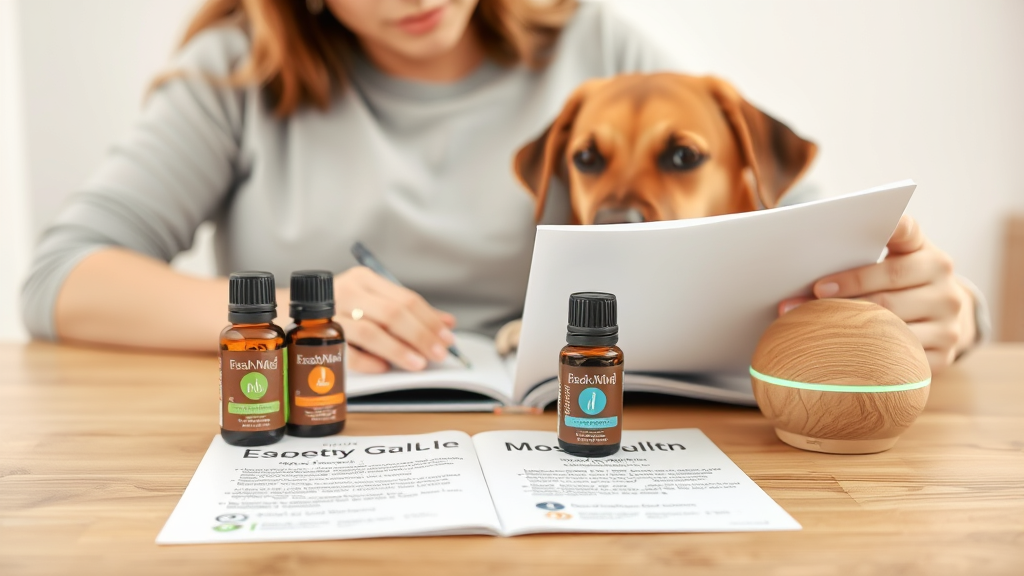
For dog owners who wish to enjoy lavender’s benefits while keeping their pets safe, proper usage guidelines are essential. When using lavender essential oils, always ensure adequate ventilation and never apply undiluted oils directly to your dog’s skin or allow them to ingest any amount. Diffusing lavender oil should be done in well-ventilated areas where dogs can leave if they become uncomfortable.
If you’re growing lavender in your garden, plant it in areas where your dog is less likely to nibble or dig. While small amounts of fresh lavender are unlikely to cause serious harm, preventing access is still the safest approach. Consider fencing off herb gardens or using raised beds to limit your dog’s access to potentially problematic plants.
When selecting lavender products for your home, opt for those specifically labeled as pet-safe or use extreme dilution ratios. Many pet-safe alternatives exist that provide similar calming effects without the risks. Just as pet owners research peppermint oil safety, understanding proper dilution and application methods for any essential oil is crucial.
Storage of lavender products should always be in secure locations away from curious pets. Essential oils, in particular, should be stored in cabinets or areas that dogs cannot access, as even small amounts can cause problems if ingested directly from the bottle.
Pet-Safe Alternatives and Considerations
Several pet-safe alternatives can provide calming effects similar to lavender without the associated risks. Chamomile, when used appropriately, offers relaxation benefits and is generally safer for dogs. However, it’s important to research each alternative thoroughly, much like understanding peppermint safety for dogs before introducing any new scent or herb to your pet’s environment.
Commercial pet calming products often use scientifically formulated blends designed specifically for animal safety and effectiveness. These products undergo testing to ensure they provide benefits without causing adverse reactions in pets. Dog-appeasing pheromone (DAP) diffusers offer another alternative that uses natural dog pheromones to create calming effects.
Environmental enrichment through safe activities, appropriate exercise, and consistent routines often provides more effective long-term anxiety relief than aromatherapy. Working with a veterinary behaviorist can help identify the root causes of anxiety and develop comprehensive treatment plans that don’t rely on potentially problematic substances.
When considering other herbs and essential oils, similar caution applies. Research rosemary safety and understand that even culinary herbs can pose risks in concentrated forms or large quantities.
When to Consult Your Veterinarian
Immediate veterinary consultation is necessary if your dog shows any signs of respiratory distress, persistent vomiting, or neurological symptoms following lavender exposure. The National Center for Biotechnology Information provides research showing that early intervention in essential oil poisoning cases leads to better outcomes.
Before introducing any new aromatherapy routine to your home, discuss your plans with your veterinarian, especially if your dog has existing health conditions, allergies, or sensitivities. Veterinarians can provide personalized advice based on your dog’s specific health profile and help you identify safer alternatives.
Keep your veterinarian’s emergency contact information readily available, along with the number for the ASPCA Animal Poison Control Center (888-426-4435). Having these resources immediately accessible can save valuable time in emergency situations.
Regular check-ups provide opportunities to discuss your home environment and any concerns about potential toxins. Your veterinarian can offer guidance on creating a pet-safe home while still enjoying the aromatherapy benefits you desire. Questions about other herbs, such as whether dogs can have rosemary, can also be addressed during these visits.
Frequently Asked Questions
Is lavender essential oil toxic to dogs?
Yes, lavender essential oil is mildly toxic to dogs due to compounds called linalool and linalyl acetate. While less toxic than many other essential oils, concentrated lavender oil can cause symptoms ranging from skin irritation to gastrointestinal upset. Always use extreme caution and proper dilution when using essential oils around pets.
Can I use lavender-scented products around my dog?
Lavender-scented products vary in safety depending on their concentration and formulation. Products specifically designed for pets are generally safer than those intended for human use. Ensure good ventilation when using any scented products and monitor your dog for signs of discomfort or adverse reactions.
What should I do if my dog ate lavender plants from my garden?
If your dog consumed small amounts of fresh lavender, monitor them closely for symptoms like vomiting, diarrhea, or unusual behavior. Large quantities warrant immediate veterinary consultation. Fresh lavender plants are less concentrated than essential oils but can still cause problems in significant amounts, especially for smaller dogs.
Are lavender diffusers safe to use around dogs?
Lavender diffusers can be used around dogs with proper precautions. Ensure excellent ventilation, use pet-safe dilution ratios, and allow your dog the option to leave the area. Never diffuse oils in small, enclosed spaces where dogs cannot escape the vapors. Consider alternatives like citronella safety when exploring different essential oil options.
How can I tell if my dog is having a reaction to lavender?
Signs of lavender sensitivity include excessive drooling, skin irritation, respiratory issues like coughing or wheezing, gastrointestinal upset, or behavioral changes such as lethargy or agitation. Severe reactions may include difficulty breathing, persistent vomiting, or neurological symptoms requiring immediate veterinary attention.
Can I apply diluted lavender oil to my dog’s skin?
Applying lavender oil directly to your dog’s skin is not recommended, even when diluted. Dogs’ skin is more sensitive than human skin, and they may lick treated areas, leading to ingestion. Use products specifically formulated for pets instead of creating your own dilutions with essential oils.
Are there safe alternatives to lavender for calming my anxious dog?
Yes, several safer alternatives exist for calming anxious dogs. Dog-appeasing pheromone (DAP) products, specifically formulated pet calming supplements, environmental enrichment, and behavioral training often provide better results without toxicity risks. Consult your veterinarian about appropriate calming strategies for your individual dog’s needs.





