

Is lettuce good for dogs? The short answer is yes—lettuce is generally safe for dogs to eat, but there are some important nuances pet owners need to understand before tossing a leaf to their furry friend. While lettuce won’t poison your pup, it’s not exactly a nutritional powerhouse either. Let’s dig into what you really need to know about feeding lettuce to dogs and whether it should be part of your pet’s diet.
Table of Contents
- The Basics: Can Dogs Eat Lettuce Safely?
- Nutritional Value: What Lettuce Actually Offers Your Dog
- Why Some Pet Owners Love Giving Lettuce to Their Dogs
- The Best Types of Lettuce for Dogs
- How to Safely Prepare Lettuce for Your Dog
- Potential Digestive Issues and When to Be Concerned
- Lettuce vs. Other Vegetables: How It Compares
- Common Mistakes Dog Owners Make With Lettuce
- Lettuce and Specific Dog Health Conditions
- Signs Your Dog Shouldn’t Eat Lettuce
- Better Alternatives to Lettuce for Dogs
- Frequently Asked Questions
- Final Verdict: Is Lettuce Good for Dogs?
The Basics: Can Dogs Eat Lettuce Safely?
Your dog can absolutely munch on lettuce without any major health concerns. Unlike some vegetables that are downright toxic to dogs, lettuce falls into the safe category. Iceberg lettuce, romaine lettuce, butterhead lettuce—they’re all fair game for your canine companion. The key is moderation and proper preparation. Most vets agree that lettuce makes a perfectly acceptable occasional treat, especially if you’re looking for something low-calorie to satisfy your dog’s snacking urges.
The reason lettuce gets the green light is simple: it lacks the compounds found in truly dangerous vegetables. It won’t cause organ damage, toxicity, or serious digestive upset like some foods on the toxic vegetables for dogs list. However, just because something is safe doesn’t mean it should become a dietary staple.
Nutritional Value: What Lettuce Actually Offers Your Dog
Here’s the honest truth about lettuce’s nutritional profile for dogs: it’s mostly water. We’re talking about 95% water content in most varieties. While hydration is important, your dog is probably getting plenty of water from their regular diet and water bowl. The remaining 5% contains minimal fiber, some vitamins, and trace minerals—nothing your pup couldn’t get from better sources.
Lettuce does contain small amounts of vitamin K, vitamin A, and folate. For a dog eating a balanced, complete diet (which most pet food provides), these additions are largely redundant. It’s not harmful, but it’s not particularly beneficial either. Think of lettuce more as a crunchy, zero-calorie distraction than a nutritional supplement.
Why Some Pet Owners Love Giving Lettuce to Their Dogs
Despite its minimal nutritional value, lettuce has become a popular choice among dog owners, and there are legitimate reasons why. First, it’s an excellent option for weight management in dogs. If your pup is chunky and you want to give them something to chew on without adding calories, lettuce fits the bill perfectly. As part of low-calorie human foods for pets, lettuce ranks at the top.
Second, the texture provides a satisfying crunch that many dogs enjoy. Some pet owners even freeze lettuce to create a cooling treat on hot days. Third, if you’re dealing with a dog that has specific pet dietary restrictions, lettuce offers a safe filler option that won’t interfere with medical diets or allergies.
The Best Types of Lettuce for Dogs
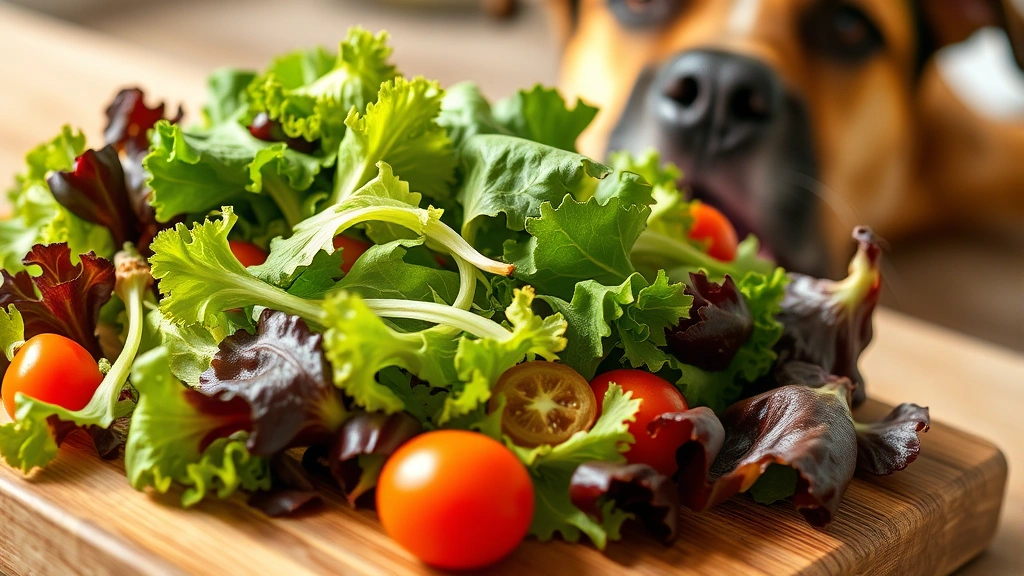
Not all lettuce is created equal when it comes to your dog’s safety. Romaine lettuce is generally considered the best option because it has slightly more nutritional value than iceberg varieties. Iceberg lettuce, while safe, is even more water-heavy and offers almost nothing nutritionally. Butterhead and leaf lettuce varieties are also safe options.
Avoid anything with added dressings, seasonings, or oils. Plain lettuce only. That creamy ranch dressing you love? Definitely not dog-friendly. Garlic and onion-based dressings are particularly dangerous, as these ingredients are toxic to dogs. Always wash the lettuce thoroughly to remove any pesticides or dirt before serving it to your pup.
How to Safely Prepare Lettuce for Your Dog
Preparation matters more than you might think. Start by washing the lettuce under running water to remove any chemicals or contaminants. Chop it into manageable pieces to prevent choking hazards, especially for smaller dogs or enthusiastic eaters. Some dogs will swallow without chewing, so smaller pieces are always safer.
You can serve lettuce raw or lightly steamed—both are fine. Steaming might make it slightly easier to digest for dogs with sensitive stomachs, though raw is perfectly acceptable for most pups. Never cook it with butter, oil, salt, or any seasonings. The goal is plain, simple lettuce.
Potential Digestive Issues and When to Be Concerned
While lettuce is safe, some dogs might experience mild digestive upset if they eat too much. Excessive lettuce consumption could lead to loose stools or diarrhea, simply because of the high water content and fiber. If your dog isn’t used to eating vegetables, introduce lettuce gradually rather than giving them a huge pile all at once.
Watch for signs of digestive distress: vomiting, diarrhea, constipation, or loss of appetite. These symptoms could indicate your dog ate too much lettuce or had a sensitivity to it. Most cases resolve on their own, but if symptoms persist beyond a day or two, contact your vet. Dogs with existing digestive issues should probably skip lettuce altogether.
Lettuce vs. Other Vegetables: How It Compares
If you’re interested in giving your dog vegetables, lettuce is just one option. Compared to other safe vegetables, it’s actually one of the least nutritious. Carrots offer better dental benefits and more nutrients. Green beans provide fiber and vitamins. Pumpkin is fantastic for digestive health. Sweet potatoes deliver real nutritional value. When you compare lettuce to these alternatives, it falls short.
That said, lettuce has its place. If you’re looking for a virtually calorie-free treat for human foods for weight management in pets, lettuce wins. It’s the vegetable equivalent of eating air—your dog gets the satisfaction of chewing and eating without the calorie consequences.
Common Mistakes Dog Owners Make With Lettuce
The biggest mistake is assuming that because lettuce is safe, it should be a regular part of your dog’s diet. It shouldn’t. Lettuce should be an occasional treat, not something you’re serving daily. Another common error is giving lettuce with dressings or seasonings. Always serve plain lettuce only.
Some owners also make the mistake of using lettuce as a meal replacement or primary treat. Your dog’s main nutrition should come from quality dog food, not vegetables. Treats (including lettuce) should make up no more than 10% of your dog’s daily caloric intake. Finally, don’t assume all dogs will like lettuce—some find it boring, and that’s perfectly fine.
Lettuce and Specific Dog Health Conditions
Dogs with certain health conditions might benefit from lettuce as part of their diet. Overweight dogs on calorie-restricted diets can enjoy lettuce as a filler that adds volume without calories. Dogs with diabetes might appreciate the low sugar, low carb nature of lettuce. However, always consult with your vet before making dietary changes for a dog with health issues.
Dogs with pancreatitis, kidney disease, or other serious conditions should only eat what their vet approves. Some medical diets are carefully balanced, and adding vegetables—even safe ones—could interfere with treatment. Don’t make assumptions; ask your veterinarian first.
Signs Your Dog Shouldn’t Eat Lettuce
Most dogs can have lettuce without problems, but some shouldn’t. Dogs with severe digestive issues, inflammatory bowel disease, or chronic diarrhea might not tolerate lettuce well. Dogs with certain allergies or sensitivities might react negatively. Puppies with developing digestive systems should probably skip it until they’re older.
If your dog has ever had an adverse reaction to vegetables, introduce lettuce very cautiously or avoid it altogether. Some dogs are just pickier than others, and if your pup shows zero interest in lettuce, there’s absolutely no reason to force it on them.

Better Alternatives to Lettuce for Dogs
Looking for healthier vegetable options? Check out our guide to safe fruits for dogs and other vegetables. Carrots are excellent for teeth cleaning and provide beta-carotene. Blueberries offer antioxidants. Green beans deliver fiber and nutrients. Pumpkin supports digestive health. Watermelon (seedless) provides hydration and vitamins. These alternatives offer more nutritional bang for your buck than lettuce.
If your goal is a low-calorie treat, lettuce is fine. But if you want to actually boost your dog’s nutrition with whole foods, there are better options available. Mix and match different safe vegetables and fruits to provide variety and better nutritional support.
Frequently Asked Questions
Can puppies eat lettuce?
Puppies can technically eat lettuce, but it’s not recommended for very young pups. Their digestive systems are still developing, and they need nutrient-dense foods to support growth. Stick with puppy food and approved treats specifically formulated for puppies. Once your dog is an adult, lettuce becomes an acceptable occasional treat.
Is iceberg lettuce bad for dogs?
Iceberg lettuce isn’t bad for dogs—it’s safe—but it’s the least nutritious lettuce variety. It’s 95% water with minimal vitamins or minerals. If you’re going to give your dog lettuce, romaine is a slightly better choice nutritionally. But honestly, both are fine as occasional treats.
How much lettuce can a dog eat?
There’s no strict limit, but moderation is key. A few leaves as an occasional treat is perfectly fine. If lettuce is replacing part of your dog’s regular food, it shouldn’t exceed 10% of their daily caloric intake. Most dogs only need a small amount to satisfy their curiosity anyway.
Can dogs eat lettuce every day?
While lettuce is safe, feeding it every day isn’t necessary or particularly beneficial. Dogs need balanced nutrition from quality dog food, not daily vegetable treats. Save lettuce for occasional snacking. Daily treats should be limited to prevent weight gain and nutritional imbalances.
What vegetables are toxic to dogs?
Several vegetables are genuinely dangerous for dogs, including onions, garlic, avocado, and grapes (technically a fruit). For a comprehensive list, check out our article on toxic vegetables for dogs. Always verify that any human food is safe before sharing with your pup.
Should I cook lettuce for my dog?
Cooking lettuce is unnecessary and actually removes what little nutrition it has. Raw lettuce is perfectly fine and actually better for dogs. The only exception would be if your dog has severe digestive issues, in which case you’d want to consult your vet anyway.
Final Verdict: Is Lettuce Good for Dogs?
So, is lettuce good for dogs? Yes, but with caveats. Lettuce is safe, non-toxic, and can be an occasional treat, particularly for weight management. It won’t harm your dog and might even provide a satisfying snack. However, it’s not a nutritional powerhouse, and it shouldn’t replace quality dog food or more nutrient-dense treats.
Think of lettuce as a guilt-free, zero-calorie way to let your dog feel included when you’re eating salad. It’s the vegetable equivalent of a diet soda—technically fine, but not something your dog needs. If your pup enjoys it and has no digestive issues, there’s no reason to avoid it. Just keep portions small, serve it plain, and don’t make it a dietary staple. Your dog’s health depends on balanced nutrition from quality dog food, not on whether they occasionally munch on a lettuce leaf.





