
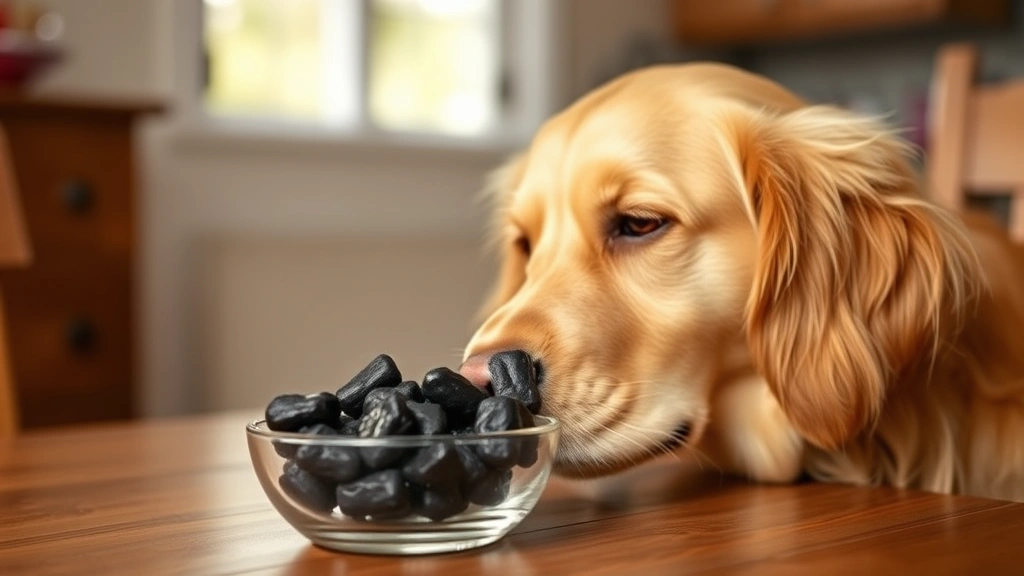
Is Licorice Bad for Dogs? What Vets Advise
Picture this: you’re enjoying a handful of licorice candy while your furry best friend gives you those irresistible puppy-dog eyes from across the room. Before you toss them a piece, hold on! The answer to whether licorice is safe for dogs isn’t as straightforward as you might think, and veterinarians have some important insights to share.
While licorice might seem like an innocent treat to us humans, it can pose some genuine health risks to our canine companions. In this comprehensive guide, we’ll explore exactly why licorice can be problematic for dogs, what symptoms to watch for, and what you should do if your pup accidentally consumes this popular confection. Understanding these risks is crucial for keeping your four-legged friend healthy and happy.
Whether you’re a first-time dog owner or a seasoned pet parent, this article will help you make informed decisions about what treats are safe for your beloved pooch. Let’s dig into the science behind why veterinarians advise caution when it comes to licorice and dogs.
Why Is Licorice Dangerous for Dogs?
Licorice contains a compound called glycyrrhizin, which is the primary culprit behind its toxicity in dogs. This naturally occurring substance can cause serious health complications in canines, even in relatively small amounts. Unlike humans who can metabolize certain compounds more efficiently, dogs’ digestive systems process glycyrrhizin differently, making it accumulate and cause problems.
The danger isn’t just about one piece of licorice—it’s about the cumulative effect and the compound’s potency. When you understand that dogs shouldn’t eat licorice, you’re looking at a substance that can affect multiple organ systems. The glycyrrhizin in licorice can lead to sodium retention and potassium depletion in your dog’s body, which can have cascading effects on heart function and overall health.
Veterinarians consistently warn against licorice because the risks far outweigh any potential benefits. Even though licorice has some medicinal properties in human medicine, those same properties can be dangerous for our pets. It’s not a matter of moderation—it’s better to avoid it entirely.
Understanding Glycyrrhizin and Toxicity
Glycyrrhizin is a triterpenoid saponin found in the licorice root plant. For dogs, this compound triggers several physiological responses that can be harmful. The most significant concern is its effect on electrolyte balance, particularly the relationship between sodium and potassium levels in the bloodstream.
When your dog consumes licorice, glycyrrhizin causes the kidneys to retain sodium while excreting potassium. This imbalance can lead to hypokalemia (low potassium levels) and hypernatremia (high sodium levels). These conditions aren’t just minor inconveniences—they can affect heart rhythm, muscle function, and kidney health. The full scope of licorice’s effects on dogs extends beyond simple digestive upset.
Research from veterinary toxicology has shown that even small amounts of licorice can trigger these electrolyte imbalances in dogs. The severity depends on your dog’s size, age, and overall health status. Smaller dogs and senior dogs are particularly vulnerable because their bodies have less capacity to buffer these chemical changes.
The toxicity of glycyrrhizin in dogs is dose-dependent, meaning the more licorice consumed, the more severe the potential effects. However, there’s no truly “safe” amount established for canines, which is why vets recommend complete avoidance rather than limiting intake.
Symptoms of Licorice Poisoning in Dogs
If your dog has consumed licorice, knowing what symptoms to watch for is critical. The signs of licorice poisoning might not appear immediately, which makes monitoring even more important. Here are the key symptoms veterinarians advise pet owners to recognize:
- Weakness and lethargy: Your dog may seem unusually tired or lack their normal energy levels
- Muscle tremors: Involuntary shaking, especially noticeable in the legs
- Excessive thirst: Polydipsia (increased water consumption) is a common sign
- Frequent urination: Your dog may need more bathroom breaks than usual
- Vomiting and diarrhea: Gastrointestinal upset is often the first sign
- Loss of appetite: Your pup might show disinterest in their regular meals
- Irregular heartbeat: In severe cases, cardiac arrhythmias can develop
- High blood pressure: Hypertension may develop due to sodium retention
- Muscle pain or stiffness: Your dog might walk differently or seem uncomfortable
The timeline for symptom onset varies. Some dogs might show signs within a few hours, while others might take 24-48 hours to display symptoms. This delay is why you shouldn’t wait to contact your veterinarian if you suspect licorice ingestion. Additionally, if your dog has eaten other potentially harmful substances, you should understand why certain foods like chocolate are toxic to dogs and the importance of quick action.
Different Types of Licorice Products
Not all licorice products are created equal, and understanding the differences is important for protecting your dog. Let’s break down the various forms you might encounter:
Black Licorice: This is the most commonly known type and contains the highest concentration of glycyrrhizin. It’s the most dangerous form for dogs and should be kept completely away from your pet.
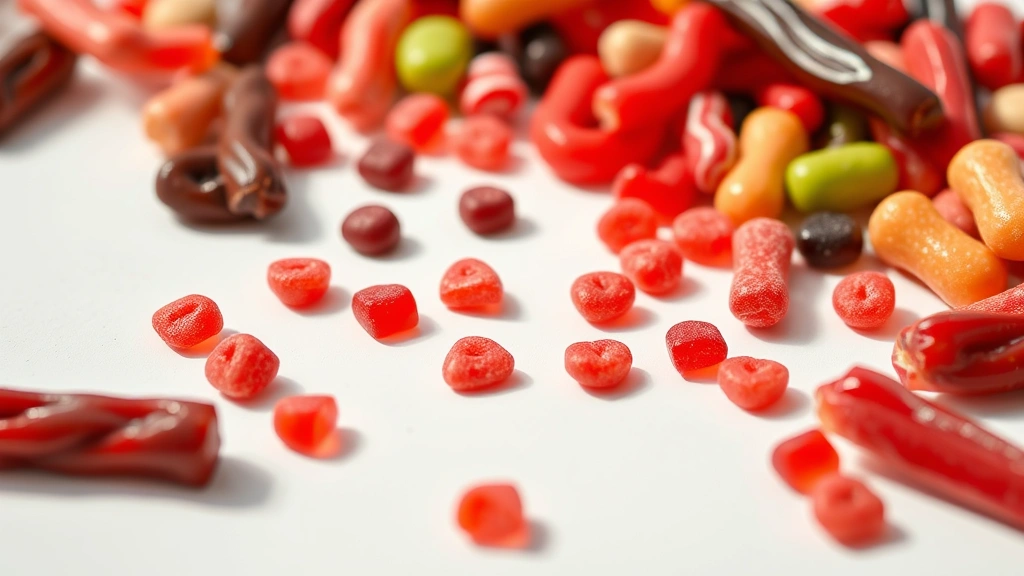
Red Licorice: Despite its name, most red licorice doesn’t actually contain any licorice root at all—it’s typically made from other ingredients like anise flavoring. However, you should always check the ingredient list because some brands do include actual licorice. If it contains licorice, it poses the same risks as black licorice.
Licorice Flavoring: Products labeled as “licorice flavored” might use anise oil or other flavorings instead of actual licorice root. These are generally safer, but the key is checking the ingredient list. If the product doesn’t list licorice root as an ingredient, it’s typically okay.

Licorice Root Supplements: Some pet owners might consider giving licorice root for medicinal purposes, thinking it could help with digestion or other issues. This is a mistake. Even in supplement form, licorice root poses the same toxicity risks for dogs. Never give your dog licorice-based supplements without explicit veterinary approval.
Candy and Sweets Containing Licorice: Many candies, cough drops, and throat lozenges contain licorice. Always read ingredient lists carefully on any human candy or medication you keep around your home.
The safest approach is to treat your home as a licorice-free zone when you have dogs. It’s much easier to prevent accidental ingestion than to manage the consequences afterward.
Safe Treat Alternatives for Your Dog
Just because licorice is off the menu doesn’t mean your pup can’t enjoy delicious treats! There are plenty of safe, healthy options that your dog will love just as much. Here are some excellent alternatives:
Fruits: Many fruits are safe for dogs in moderation. Apples (without seeds), bananas, blueberries, and watermelon are all great choices. These provide natural sweetness and important nutrients.
Vegetables: Carrots, green beans, sweet potatoes, and pumpkin are not only safe but also beneficial for your dog’s health. They’re great for dental health too!
Peanut Butter: Most dogs go crazy for peanut butter. Just make sure it’s xylitol-free, as xylitol is toxic to dogs. A small amount on a lick mat can keep them entertained for hours.
Plain Yogurt: Unsweetened, plain yogurt is safe and provides probiotics that support digestive health.
Commercially Available Dog Treats: There are thousands of dog treats specifically formulated for canine nutrition. Look for options made by reputable brands that use quality ingredients. Understanding what makes certain human foods problematic, like candy canes and other sugary treats, can help you make better choices.
Homemade Treats: You can make dog-friendly treats at home using ingredients like peanut butter, pumpkin, oats, and eggs. Homemade treats give you complete control over what goes into your dog’s snacks.
Frozen Treats: On hot days, freeze some dog-safe options like plain yogurt or diluted broth in ice cube trays for a refreshing treat.
The key is moderation—treats should make up no more than 10% of your dog’s daily caloric intake. The remaining 90% should come from a balanced, nutritionally complete dog food.
What to Do If Your Dog Eats Licorice
Despite your best efforts, accidents happen. If you discover that your dog has eaten licorice, here’s what you should do:
Step 1: Stay Calm Panic won’t help your dog. Take a deep breath and gather information about what and how much your dog consumed.
Step 2: Determine the Amount Try to figure out how much licorice your dog ate. This information will be valuable for your veterinarian. If you’re unsure, overestimate on the side of caution.
Step 3: Contact Your Veterinarian Immediately Don’t wait to see if symptoms develop. Call your vet right away, even if it’s after hours. Many veterinary clinics have emergency numbers for urgent situations. Similar to chocolate ingestion, prompt veterinary attention is crucial.
Step 4: Contact Animal Poison Control If you can’t reach your veterinarian, contact the ASPCA Animal Poison Control Center at (888) 426-4435. They can provide guidance based on your specific situation. There may be a consultation fee, but it’s worth the investment in your pet’s health.
Step 5: Monitor Your Dog Closely Watch for any symptoms mentioned earlier. Keep a log of any changes in behavior, appetite, or bathroom habits. This information will help your veterinarian assess your dog’s condition.
Step 6: Follow Veterinary Advice Your vet might recommend bringing your dog in for an examination, running blood tests to check electrolyte levels, or providing supportive care. Follow their recommendations exactly.
Prevention is always better than treatment. Keep all licorice products securely stored away from your dog’s reach, and educate family members and guests about what’s safe for your pet. If you’re concerned about other household items that might pose risks, understanding which household items can be dangerous is essential for responsible pet ownership.
Frequently Asked Questions
Can a small amount of licorice hurt my dog?
Yes, even small amounts of licorice can potentially cause harm to your dog. Because there’s no established safe threshold for glycyrrhizin in canines, veterinarians recommend complete avoidance rather than allowing “just a little bit.” A single piece of licorice candy might not cause immediate, obvious symptoms, but it can still trigger the electrolyte imbalances that are the root of licorice toxicity.
Is licorice root tea safe for dogs?
No, licorice root tea is not safe for dogs. Even in tea form, the glycyrrhizin content is present and can cause the same toxic effects. Never give your dog any beverage or preparation that contains licorice root, regardless of its form.
What’s the difference between licorice and anise?
Licorice and anise are often confused because they have similar flavors, but they’re completely different plants. Anise (from the Pimpinella anisum plant) is generally safe for dogs in small amounts, while licorice (from Glycyrrhiza glabra) contains glycyrrhizin and is toxic. When checking product labels, make sure you’re looking at the actual ingredient, not just the flavor profile.
How long does it take for licorice toxicity symptoms to appear?
Symptoms can appear anywhere from a few hours to 24-48 hours after ingestion, depending on the amount consumed and your individual dog’s sensitivity. This variable timeline is why you shouldn’t wait for symptoms to develop before contacting your veterinarian.
Can licorice cause permanent damage to my dog?
In cases of severe toxicity, licorice can cause lasting damage to the heart, kidneys, and other organs. However, with prompt veterinary treatment, most dogs recover well from licorice ingestion. The key is getting professional help as soon as possible.
Are all red licorice products safe for dogs?
Not necessarily. While many red licorice products don’t contain actual licorice root, some do. Always read the ingredient list carefully. If licorice root is listed as an ingredient, it’s not safe for your dog, regardless of color.
What should I do if my dog ate licorice more than 24 hours ago?
Even if it’s been more than 24 hours, contact your veterinarian. Symptoms might be delayed, and your vet might want to run blood tests to check your dog’s electrolyte levels and organ function. It’s always better to be cautious with potential toxins.
Can I give my dog licorice for medicinal purposes?
No. While licorice has been used in traditional medicine for humans, it’s not appropriate for dogs. The risks far outweigh any potential benefits. If your dog has a health condition you’re hoping to address, work with your veterinarian to find safe, effective treatments designed for canines.
Is licorice flavoring the same as licorice root?
No. Licorice flavoring is often made from anise oil or other ingredients that mimic the taste without containing actual licorice root. These are generally safe for dogs. However, you need to check the ingredient list to be sure the product uses flavoring rather than actual licorice root.
What’s the safest way to store licorice in a dog-friendly home?
The safest approach is to keep licorice products completely out of your home, or store them in a secure location that your dog absolutely cannot access—like a locked cabinet or high shelf that’s truly unreachable. Remember that determined dogs can be surprisingly resourceful!
Understanding the risks associated with licorice is an important part of being a responsible dog owner. By keeping this toxic treat away from your furry friend and knowing how to respond if accidental ingestion occurs, you’re taking crucial steps to protect their health and wellbeing. When in doubt, always consult with your veterinarian about what treats are safe for your specific dog.





