

Is mango good for dogs? The short answer is yes—but with some important caveats that every dog owner needs to know before tossing a mango slice to their furry best friend. While mangoes can be a delicious and nutritious treat for your pup, there are specific preparation methods and portion sizes that make all the difference between a healthy snack and a potential choking hazard or digestive nightmare.
Table of Contents
- The Mango Breakdown: What’s Actually in This Tropical Fruit?
- Can Dogs Eat Mango Safely? The Critical Pit Problem
- Preparation Methods: How to Serve Mango to Your Dog
- Portion Control: How Much Mango Can Dogs Eat?
- Mango and Canine Digestion: What You Should Watch For
- Allergies and Individual Sensitivities: Not All Dogs Are Created Equal
- Mango vs. Other Tropical Fruits: How Does It Compare?
- Incorporating Mango into a Balanced Diet: The Bigger Picture
- Creative Ways to Serve Mango: Making It Fun and Safe
- When to Avoid Mango Entirely: Health Conditions and Contraindications
- Expert Veterinary Perspective: What the Professionals Say
- Frequently Asked Questions
- Final Verdict: Should You Give Your Dog Mango?
The Mango Breakdown: What’s Actually in This Tropical Fruit?
Mangoes are packed with vitamins, minerals, and fiber that can genuinely benefit your dog’s health. We’re talking vitamin A for eye health, vitamin C for immune support, and B vitamins for energy metabolism. They’re also loaded with antioxidants that help fight free radicals—basically nature’s cleanup crew for your dog’s body. The fiber content can support digestive health, and the natural sugars provide quick energy. However, that sugar content is exactly why moderation matters. Your dog’s digestive system isn’t designed to process the same amount of fruit that humans can handle without consequence.
Can Dogs Eat Mango Safely? The Critical Pit Problem
Here’s where things get serious: the mango pit is absolutely off-limits for your dog. This isn’t a “maybe” situation—it’s a hard no. The pit contains cyanogenic compounds and is a serious choking and obstruction hazard. Dogs have been known to suffer intestinal blockages from swallowing mango pits, which can require emergency surgery costing thousands of dollars. Always remove the pit completely before offering any mango to your dog. If you’re giving your pup mango, cut it into small, manageable pieces and supervise them while they eat. This is non-negotiable if you want to keep your dog safe.
Preparation Methods: How to Serve Mango to Your Dog
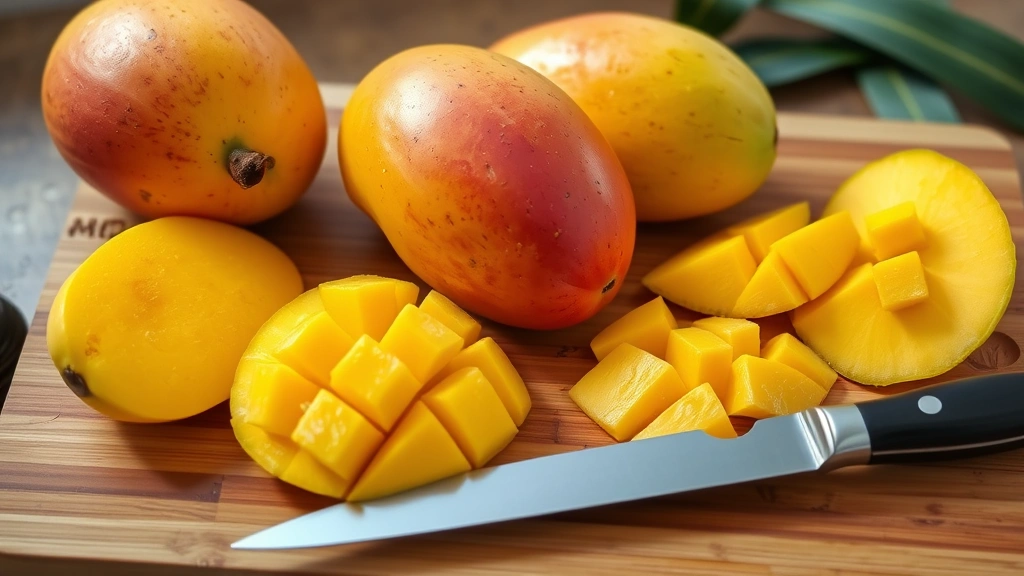
The way you prepare mango for your dog makes a massive difference in safety and digestibility. Fresh, ripe mango is your best bet—peel it, remove the pit, and cut it into small cubes or thin slices depending on your dog’s size. Frozen mango can be a fantastic option, especially on hot days, and many dogs love the cooling sensation. You can even freeze mango pieces on a stick for a DIY popsicle. However, avoid canned mango packed in syrup; the added sugars are unnecessary and can contribute to weight gain and dental problems. Skip the dried mango too—it’s concentrated sugar and a choking risk. If you’re making mango smoothies, keep them plain without added sweeteners, yogurt, or other ingredients that might upset your dog’s stomach.
Portion Control: How Much Mango Can Dogs Eat?
The golden rule for treats is that they should comprise no more than 10% of your dog’s daily caloric intake. For most dogs, this means a small handful of mango cubes as an occasional treat, not a daily staple. A small dog might get 2-3 small cubes, while a large dog could handle a quarter cup. Think of mango as a special occasional reward, not a dietary staple. If your dog has never eaten mango before, start with a tiny piece and wait 24 hours to monitor for any digestive upset. Some dogs have sensitive stomachs, and introducing new foods gradually is always the smart play.
Mango and Canine Digestion: What You Should Watch For
Dogs’ digestive systems are fundamentally different from ours, and too much mango can cause some uncomfortable issues. The high fiber content, while beneficial in small amounts, can lead to diarrhea or constipation if your dog consumes too much. The natural sugars can also cause stomach upset, gas, or bloating. If your dog has a history of pancreatitis, diabetes, or obesity, mango should be approached with extra caution or avoided entirely—consult your vet first. Watch for signs like vomiting, diarrhea, lethargy, or loss of appetite after introducing mango. If any of these symptoms appear, stop offering mango and contact your veterinarian.
Allergies and Individual Sensitivities: Not All Dogs Are Created Equal
While mango allergies are rare in dogs, they’re not impossible. Some dogs might have sensitivities to the fruit’s compounds or develop reactions based on their individual metabolism. Symptoms of an allergic reaction include itching, hives, swelling of the face or throat, vomiting, or difficulty breathing. If you notice any of these signs after your dog eats mango, seek veterinary attention immediately. Additionally, dogs with certain health conditions—like diabetes, kidney disease, or gastrointestinal disorders—should avoid mango altogether. Always discuss new foods with your vet, especially if your dog has pre-existing health issues.
Mango vs. Other Tropical Fruits: How Does It Compare?
If you’re looking for tropical fruit options for your dog, mango is actually one of the safer choices. Pineapple is also generally safe in small amounts, though the acidity can bother some dogs’ stomachs. Coconut is fine in moderation but high in fat. However, avoid grapes, raisins, avocado, and citrus fruits in large quantities—these can be toxic or problematic for dogs. Check out our guide on safe fruits for dogs for a comprehensive breakdown of what’s okay and what absolutely isn’t. Understanding the differences helps you make informed decisions about treat options.
Incorporating Mango into a Balanced Diet: The Bigger Picture
Mango should never replace proper nutrition or be a significant part of your dog’s diet. Your dog needs a balanced diet of high-quality protein, healthy fats, and appropriate carbohydrates from their regular dog food. Treats like mango are just that—treats. They’re extras, not essentials. If you’re interested in boosting your dog’s overall nutrition, explore our article on superfoods for pets to learn about ingredients that genuinely contribute to your dog’s health and longevity. The foundation of good health is quality nutrition, not occasional fruit snacks.
Creative Ways to Serve Mango: Making It Fun and Safe
Want to get creative with mango treats? Try freezing mango cubes in ice cube trays for a refreshing summer snack. Mix tiny mango pieces into your dog’s regular food as an occasional flavor boost. Create mango “popsicles” by freezing mango puree (without any additives) in silicone molds. You can even layer mango with plain yogurt for a more indulgent treat—just make sure the yogurt is unsweetened and contains no xylitol, which is toxic to dogs. These creative presentations make mango feel special while keeping portions controlled and safe.
When to Avoid Mango Entirely: Health Conditions and Contraindications
Certain dogs should never eat mango, period. If your dog has diabetes, the natural sugars are problematic. Dogs with pancreatitis need to avoid high-fat and high-sugar foods. Obese dogs shouldn’t eat mango as a regular treat since it adds unnecessary calories. Dogs with severe allergies or food sensitivities might react unexpectedly. Senior dogs with dental issues might struggle with even soft mango pieces. Puppies under six months old should stick to age-appropriate food. If your dog falls into any of these categories, skip the mango and explore other healthy snack alternatives for dogs that won’t compromise their health.
Expert Veterinary Perspective: What the Professionals Say
According to the American Kennel Club (AKC), mango is safe for dogs when prepared properly and given in moderation. The PetMD veterinary team emphasizes the importance of removing the pit and limiting portions to prevent digestive issues. Most veterinarians agree that occasional mango treats are fine for healthy adult dogs, but they stress the importance of monitoring your individual dog’s response. Your dog’s vet knows their specific health history and can provide personalized guidance about whether mango is appropriate for your pup.
Frequently Asked Questions
Can dogs eat mango skin?
Yes, mango skin is safe for dogs to eat and contains beneficial nutrients. However, some dogs might find it difficult to digest or have trouble chewing it. It’s generally easier to peel the mango and give just the flesh, but if your dog manages to eat skin without choking, there’s no toxicity concern. Always supervise and ensure pieces are appropriately sized for your dog.
Is mango good for dogs with upset stomachs?
Not really. While mango has some digestive benefits due to its fiber content, dogs with current stomach upset should stick to bland foods like plain chicken and rice. Introduce mango only after their digestive system has fully recovered, and do so gradually in tiny amounts.
How often can I give my dog mango?
Mango should be an occasional treat, not a regular part of your dog’s diet. Once or twice a month is reasonable for most healthy adult dogs. Some dogs might tolerate it more frequently, but there’s no nutritional need for regular mango consumption.

Can puppies eat mango?
Puppies can eat small amounts of mango once they’re eating solid food (around 8 weeks old), but it’s not necessary. Focus on age-appropriate puppy food and training treats first. Introduce mango only after your puppy’s digestive system is fully developed, around 6 months old.
What should I do if my dog eats a mango pit?
Contact your veterinarian immediately. Mango pits can cause intestinal blockages that require emergency surgery. Monitor your dog for vomiting, constipation, abdominal pain, or lethargy. Don’t wait to see if symptoms develop—get professional help right away.
Are dried mangoes safe for dogs?
No, dried mango is too concentrated in sugar and is a choking hazard. Stick to fresh or frozen mango only. The drying process removes water but concentrates all the sugars, making it inappropriate for dogs.
Can dogs eat mango with other fruits?
Yes, you can combine mango with other dog-safe fruits like blueberries or apples (without seeds). However, keep the total treat portion small. For ideas on balanced nutrition, check out our guide on energy boosting foods for active pets.
Final Verdict: Should You Give Your Dog Mango?
So, is mango good for dogs? Yes, absolutely—when prepared correctly and given in appropriate amounts. Mango can be a delicious, nutritious occasional treat that your dog will genuinely enjoy. The key is removing the pit entirely, cutting it into safe-sized pieces, monitoring portion sizes, and watching your individual dog’s response. Not every dog needs mango in their life, and some dogs shouldn’t have it at all due to health conditions. If you’re unsure whether mango is appropriate for your specific dog, ask your veterinarian. They know your dog’s health history and can give you personalized guidance. When in doubt, there are plenty of other safe treat options available. The goal is keeping your dog happy, healthy, and safe—mango is just one small piece of that larger puzzle.





