

So your pup gave you those irresistible puppy dog eyes while you’re making a sandwich, and you’re wondering: is mayo bad for dogs? The short answer? It’s complicated, but mostly not ideal. Let’s dig into what you need to know before you accidentally turn your furry friend into a condiment connoisseur.
Table of Contents
- What’s Actually In Mayo Anyway?
- The Fat Problem: Why Mayo Is Risky for Your Pup
- Toxic Ingredients to Watch Out For
- Small Dogs vs. Large Dogs: Size Matters
- What About Homemade Mayo for Dogs?
- Signs Your Dog Ate Too Much Mayo
- Mayo in Dog Food Products: The Hidden Danger
- Healthier Alternatives to Mayo for Your Dog
- The Verdict: Can Dogs Have Mayo?
- When to Call the Vet About Dietary Incidents
- Frequently Asked Questions
- Summary: Keep the Mayo Away From Your Furry Friend
What’s Actually In Mayo Anyway?
Before we can determine if mayo is safe for dogs, we need to understand what this creamy spread is made of. Mayonnaise is primarily composed of eggs, oil, and an acidic ingredient like vinegar or lemon juice. Some brands throw in mustard, garlic, or other seasonings. For most dogs, plain mayo in tiny amounts won’t cause immediate harm, but the real concern lies in the fat content and additives. A tablespoon of mayo contains roughly 10 grams of fat—that’s a lot for a small dog’s daily intake.
The Fat Problem: Why Mayo Is Risky for Your Pup
Here’s where things get serious. Mayonnaise is extremely high in fat, and dogs don’t process dietary fat the same way humans do. Feeding your dog mayo regularly or in large quantities can lead to pancreatitis, a painful inflammation of the pancreas. Even a single incident of eating a large amount of mayo-laden food could trigger this condition. Additionally, high-fat diets contribute to obesity, digestive upset, and other metabolic issues in dogs. If your dog has a sensitive stomach or pre-existing health conditions, mayo is definitely off the menu.
Toxic Ingredients to Watch Out For
While plain mayo is mostly just fat and eggs, many commercial varieties contain problematic additives. Some brands include garlic or onion powder—both toxic to dogs and can damage their red blood cells. Others contain xanthan gum or other stabilizers that may cause digestive issues. Always check the label before assuming store-bought mayo is safe. When in doubt, assume it contains something your pup shouldn’t have. This is especially important when considering harmful foods for dogs that might seem innocent at first glance.
Small Dogs vs. Large Dogs: Size Matters
A tiny Chihuahua and a Great Dane have vastly different caloric needs and fat tolerances. For a small breed dog, even a teaspoon of mayo represents a significant portion of their daily fat allowance. Large breed dogs can handle slightly more, but that doesn’t mean they should eat mayo regularly. The general rule: if you wouldn’t feed it to your dog as a meal component, don’t give it as a treat. Consult your vet about appropriate treat portions for your dog’s specific weight and health status.
What About Homemade Mayo for Dogs?
Some pet parents think homemade mayo might be safer since they control the ingredients. While it’s true you can avoid toxic additives, you’re still dealing with the core problem: excessive fat. Even homemade mayo made with just eggs and oil is calorie-dense and not nutritionally beneficial for dogs. Your dog doesn’t need mayo, homemade or otherwise. If you want to give your pup something special, explore safe human snacks for pets that actually provide nutritional value.
Signs Your Dog Ate Too Much Mayo
If your dog got into the mayo jar and you’re panicking, watch for these warning signs over the next 24-48 hours: vomiting, diarrhea, loss of appetite, lethargy, or abdominal pain. Pancreatitis symptoms include severe abdominal pain, hunched posture, and repeated vomiting. If you notice any of these signs, contact your veterinarian immediately. Don’t wait—pancreatitis is serious and requires professional treatment. According to the American Kennel Club, high-fat foods are a common trigger for this condition.
Mayo in Dog Food Products: The Hidden Danger
Here’s something many dog owners don’t realize: mayo or mayo-based dressings often hide in prepared foods and treats. Tuna salad, chicken salad, and sandwich meats frequently contain mayo. If you’re sharing human food with your dog, check the ingredients first. A seemingly innocent piece of chicken salad sandwich could contain enough mayo to upset your dog’s stomach. When looking for human food alternatives for pets, stick to plain, unseasoned options.
Healthier Alternatives to Mayo for Your Dog
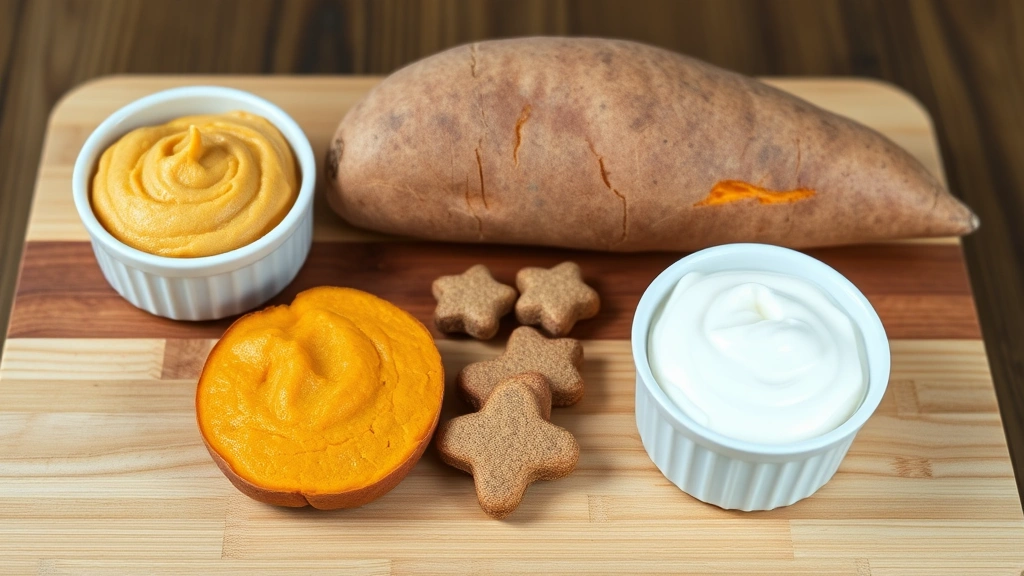
Want to give your pup something creamy and delicious? Try these safer options: plain pumpkin puree (great for digestion), plain Greek yogurt (in moderation), or mashed sweet potato. These alternatives provide actual nutritional benefits without the excessive fat. You could also offer plain cooked chicken, turkey, or beef as protein-rich treats. Fruits like apples, bananas, and blueberries make excellent low-fat snacks. The key is choosing treats that contribute positively to your dog’s health rather than just adding empty calories.
The Verdict: Can Dogs Have Mayo?
Technically, a tiny lick of plain mayo won’t poison your dog, but it’s not recommended. The risks outweigh any potential benefit, especially since dogs don’t need mayo nutritionally. If your dog accidentally ate a small amount, don’t panic—monitor them and call your vet if you notice symptoms. But deliberately feeding your dog mayo? That’s a hard no. Your dog will love you just as much without it, and their digestive system will thank you.
When to Call the Vet About Dietary Incidents
You don’t need to panic over every food mishap, but certain situations warrant a vet call. If your small dog ate more than a tablespoon of mayo, if your dog shows any symptoms of illness, or if the mayo contained toxic ingredients like garlic, contact your veterinarian. If your dog has pancreatitis history, diabetes, or obesity, even small amounts of mayo are concerning. Your vet can assess the situation and provide peace of mind. According to PetMD, immediate veterinary attention is crucial if your dog shows signs of distress after consuming high-fat foods.
Frequently Asked Questions
Can dogs eat mayo at all?
Dogs can technically consume small amounts of plain mayo without immediate harm, but it’s not recommended. The high fat content poses health risks, and there’s no nutritional benefit for dogs. It’s best to avoid giving mayo to your dog entirely.
Is mayo toxic to dogs?
Plain mayo isn’t toxic, but mayo with garlic, onion, or other additives can be. The bigger concern is the high fat content, which can cause pancreatitis and digestive issues. Some commercial brands contain ingredients that are harmful to dogs.

What should I do if my dog ate mayo?
If your dog ate a small amount of plain mayo, monitor them for symptoms like vomiting, diarrhea, or abdominal pain. If they consumed a large amount or the mayo contained toxic ingredients, contact your veterinarian immediately. Don’t induce vomiting unless instructed by your vet.
Are there any safe mayo alternatives for dogs?
Yes! Plain pumpkin puree, Greek yogurt, mashed sweet potato, and plain cooked meats are healthier alternatives. These options provide nutritional value without the excessive fat and potential health risks.
Can dogs eat mayonnaise-based foods like tuna salad?
No, you should avoid feeding your dog mayo-based foods. Tuna salad, chicken salad, and similar dishes often contain mayo, excessive salt, and other seasonings that aren’t safe for dogs. Stick to plain, unseasoned human foods when sharing meals.
Is homemade mayo safer for dogs than store-bought?
Homemade mayo avoids potentially toxic additives, but it still contains excessive fat. The core problem remains: mayo isn’t appropriate for dogs regardless of whether it’s homemade or store-bought. Choose healthier treat options instead.
Summary: Keep the Mayo Away From Your Furry Friend
So, is mayo bad for dogs? While a microscopic amount won’t cause immediate harm, it’s not worth the risk. The high fat content can trigger pancreatitis, contribute to obesity, and cause digestive upset. Commercial mayo may contain toxic ingredients like garlic or onion. Instead of mayo, offer your dog nutritious alternatives like pumpkin puree, plain cooked meat, or dog-safe fruits. Your pup’s health is worth skipping the condiments. When in doubt about what human foods are safe, consult your veterinarian—they know your dog’s individual health needs best. Remember, the best treats are ones that support your dog’s long-term health, not just satisfy a momentary craving.





