
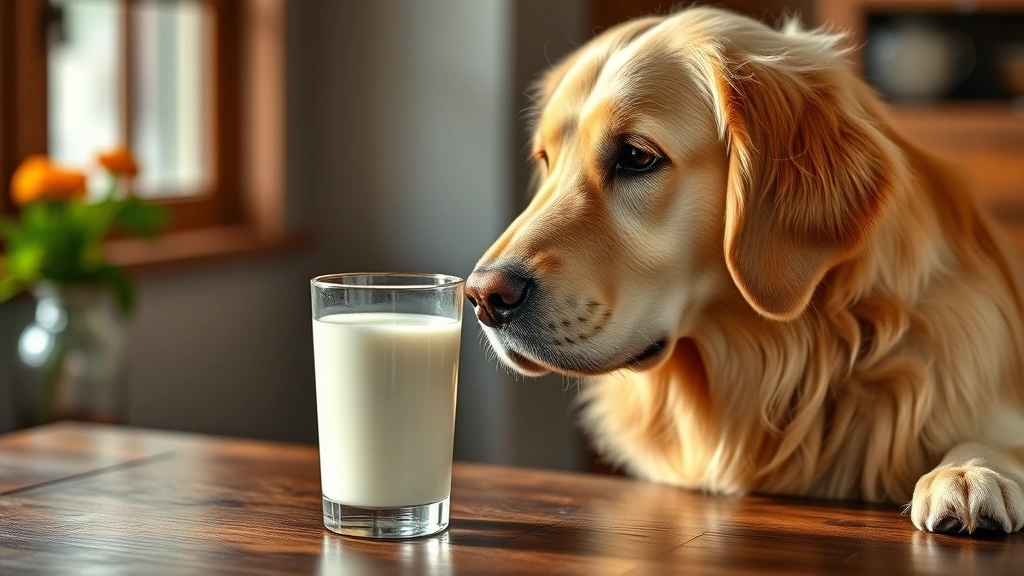
So, is milk good for dogs? The short answer is: it’s complicated, and honestly, most dogs shouldn’t be drinking it regularly. But before you feel guilty about that time Fido lapped up your cereal milk, let’s dig into what actually happens when dogs consume dairy and why your pup might be giving you those puppy dog eyes every time you crack open a glass.
Table of Contents
- The Lactose Intolerance Reality Check
- What Happens When Dogs Drink Milk?
- Dairy Products and Dogs: The Full Breakdown
- The Nutritional Case Against Milk for Dogs
- Lactose-Free Milk: Is It Better?
- Signs Your Dog Has Had Too Much Dairy
- What About Puppies and Milk?
- Safe Alternatives to Milk for Dogs
- The Bottom Line: What Your Vet Actually Wants You to Know
- Portion Control and Treats: Getting the Balance Right
- Frequently Asked Questions
- Conclusion: Making the Right Choice for Your Dog
The Lactose Intolerance Reality Check
Here’s the thing nobody tells you at the pet store: most adult dogs are lactose intolerant. Shocking, right? When puppies are born, they produce an enzyme called lactase that helps them digest their mother’s milk. But here’s where nature gets lazy—most dogs stop producing lactase after weaning. This means that by the time your dog reaches adulthood, their ability to digest milk has basically ghosted them.
According to research from the American Kennel Club (AKC), approximately 60% of dogs experience some level of lactose intolerance. That’s not a small number. It’s basically saying that more than half of our furry friends are walking around with a dairy sensitivity they didn’t ask for.
What Happens When Dogs Drink Milk?
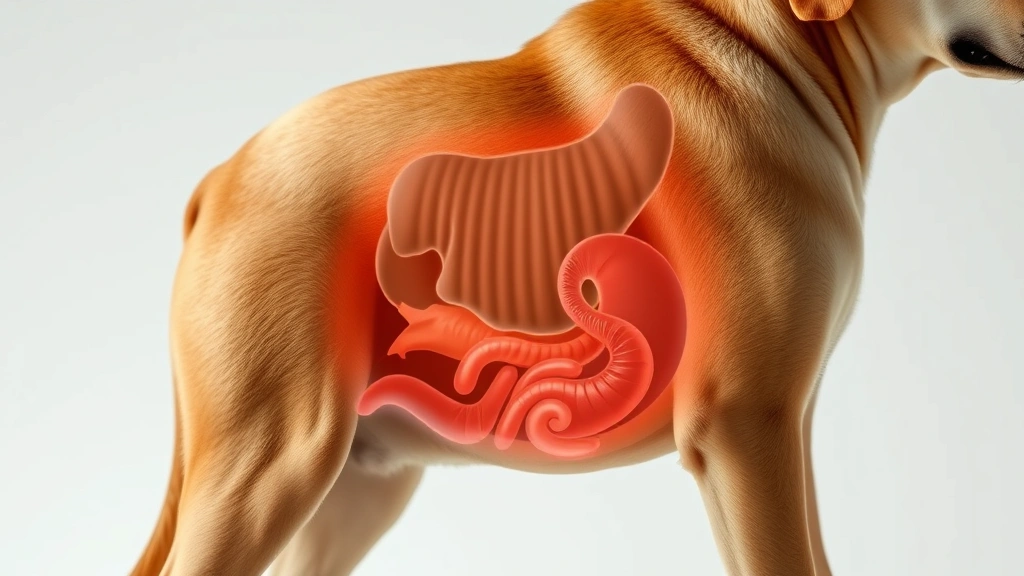
When a lactose-intolerant dog consumes milk, their digestive system throws a little tantrum. The undigested lactose moves through the intestines, drawing water with it and feeding bacteria that produce gas. The result? Your dog becomes a furry, four-legged gas factory. We’re talking about bloating, diarrhea, vomiting, and stomach discomfort that’ll make both of you regret that milk moment.

The severity depends on how much milk your dog consumed and their individual sensitivity level. A tiny lick off your spoon? Probably fine. A whole bowl? Now you’ve got a problem on your hands—literally, if you’re cleaning up the aftermath.
Dairy Products and Dogs: The Full Breakdown
Not all dairy is created equal when it comes to our canine companions. Dairy products and pets have a complicated relationship, and understanding the differences can help you make better decisions.
Regular Milk (Cow’s Milk): The villain of this story. High in lactose, high in fat, and generally not recommended for dogs. Even lactose-free milk isn’t ideal because it’s still high in fat and calories.

Yogurt: The slightly better cousin. The fermentation process breaks down some lactose, making it easier to digest. Plain, unsweetened yogurt in small amounts? That’s actually okay for most dogs. Just skip the ones loaded with sugar and artificial sweeteners.
Cheese: The tricky middle ground. Hard cheeses like cheddar have less lactose than soft cheeses, but they’re calorie bombs. A small piece as an occasional treat won’t hurt, but don’t make it a habit.
Butter: Technically has very little lactose, but it’s basically pure fat. Your dog’s waistline will thank you for skipping it.

The Nutritional Case Against Milk for Dogs
Even if your dog could digest milk perfectly, it’s not exactly a nutritional powerhouse for them. Dogs don’t need milk after weaning—they get all the calcium and nutrients they need from a balanced commercial dog food or a proper home-cooked diet supervised by a veterinarian.
Milk is also high in calories and fat. For dogs prone to weight gain or those with pancreatitis, dairy is basically forbidden fruit. The last thing you want is to contribute to obesity or trigger a painful health condition just because you thought milk was a nice treat.
Lactose-Free Milk: Is It Better?
You might think lactose-free milk is the perfect solution—problem solved, right? Not quite. While lactose-free milk eliminates the digestive upset, it’s still high in fat and calories. It doesn’t offer any nutritional benefits that your dog can’t get from their regular diet. It’s basically just a way to feel less guilty about sharing your beverage, but it’s not actually better for your pup.
If you absolutely insist on giving your dog some dairy, plain, unsweetened, lactose-free yogurt in small quantities is the safest bet. But even that should be an occasional treat, not a daily occurrence.
Signs Your Dog Has Had Too Much Dairy
If your dog has snuck into the milk supply, watch for these telltale signs that their digestive system is staging a protest:
- Diarrhea or loose stools
- Vomiting
- Excessive gas or bloating
- Abdominal discomfort or whining
- Loss of appetite
- Lethargy or unusual behavior
Most cases resolve on their own within 24-48 hours, but if symptoms persist or your dog seems in serious distress, contact your veterinarian. Human foods for pets with sensitive stomachs require extra caution, and dairy tops that list.

What About Puppies and Milk?
Puppies are the exception to the “no milk” rule—temporarily. Young puppies can digest their mother’s milk because they still produce lactase. However, once they’re weaned (usually around 8 weeks), you should transition them to puppy food and water, not cow’s milk. Even though they might still tolerate it better than adult dogs, it’s not necessary and can lead to digestive issues as they grow.
Safe Alternatives to Milk for Dogs
Want to give your dog a special treat that won’t wreak havoc on their digestive system? Skip the milk and try these alternatives:
- Water: Boring but essential. Keep it fresh and available.
- Bone broth (unsalted): Dogs love it, and it’s actually beneficial for their joints and digestion.
- Coconut milk (unsweetened, in small amounts): Some dogs tolerate this better, though it’s still high in fat.
- Dog-specific treats: Your vet can recommend options formulated for canine nutrition.
- Plain cooked chicken or beef broth: A savory option that dogs genuinely enjoy.
Check out vet approved human foods for pets for more options that won’t upset your dog’s stomach.

The Bottom Line: What Your Vet Actually Wants You to Know
Here’s what veterinarians have been trying to tell us: is milk good for dogs? No, not really. It’s not toxic in small amounts, but it’s not beneficial either. The risks outweigh any perceived benefits, and there are plenty of better options available.
If your dog has accidentally consumed milk, don’t panic. A small amount probably won’t cause serious problems. Just monitor them for digestive upset and move on. But intentionally giving your dog milk as a treat? That’s a habit worth breaking.
For dogs with sensitive stomachs or existing digestive issues, dairy is absolutely off-limits. What not to feed your dog should include milk right at the top of the list.
Portion Control and Treats: Getting the Balance Right
If you’re the type who can’t resist sharing human food with your pup, at least do it responsibly. Human food portion sizes for pets matter more than you think. Treats should make up no more than 10% of your dog’s daily caloric intake. That means if you’re giving dairy treats, you’re eating into the calories they should be getting from nutritionally complete dog food.
The math is simple: fewer treats from your plate = healthier dog + longer lifespan. Worth it? Absolutely.
Frequently Asked Questions
Can dogs drink milk at all?
Dogs can technically drink small amounts of milk without it being toxic, but most adult dogs are lactose intolerant, which means it will likely cause digestive upset. It’s best to avoid it altogether and stick to water.
Is almond milk safe for dogs?
Unsweetened almond milk is safer than cow’s milk because it doesn’t contain lactose. However, it offers no nutritional benefit and shouldn’t replace water or proper dog food. Always check that it doesn’t contain xylitol, which is toxic to dogs.
What about milk with meals?
Adding milk to your dog’s food doesn’t make it better—it just adds unnecessary fat and potential digestive issues. Stick to their regular food and fresh water.
My dog loves dairy—what can I do?
If your dog has a genuine love for dairy flavors, try plain, unsweetened yogurt in very small amounts as an occasional treat. But if it causes digestive upset, it’s not worth it, no matter how much they enjoy it.

Are there any dogs that can safely drink milk?
Some individual dogs have lower lactose sensitivity than others, but there’s no guaranteed safe group. The best approach is to avoid it entirely rather than gamble with your dog’s digestive health.
What should I do if my dog drinks milk accidentally?
Don’t panic. Monitor your dog for signs of digestive upset over the next 24-48 hours. Most cases resolve on their own. If symptoms persist or seem severe, contact your veterinarian.
Conclusion: Making the Right Choice for Your Dog
The verdict is clear: is milk good for dogs? No, it’s not. While a tiny amount won’t cause permanent damage, regular milk consumption can lead to digestive problems, weight gain, and unnecessary health issues. Most adult dogs lack the ability to properly digest lactose, making milk an unnecessary and potentially problematic addition to their diet.
Your dog gets all the nutrition they need from quality dog food and fresh water. Those big puppy eyes when you’re enjoying a glass of milk? Resist them. Your dog will be healthier, happier, and significantly less gassy in the long run. And honestly, that’s a win for everyone in the household.
When in doubt, talk to your veterinarian about what treats and human foods are safe for your specific dog. Every pup is different, and what works for one might not work for another. But one thing’s universal: skip the milk.





