
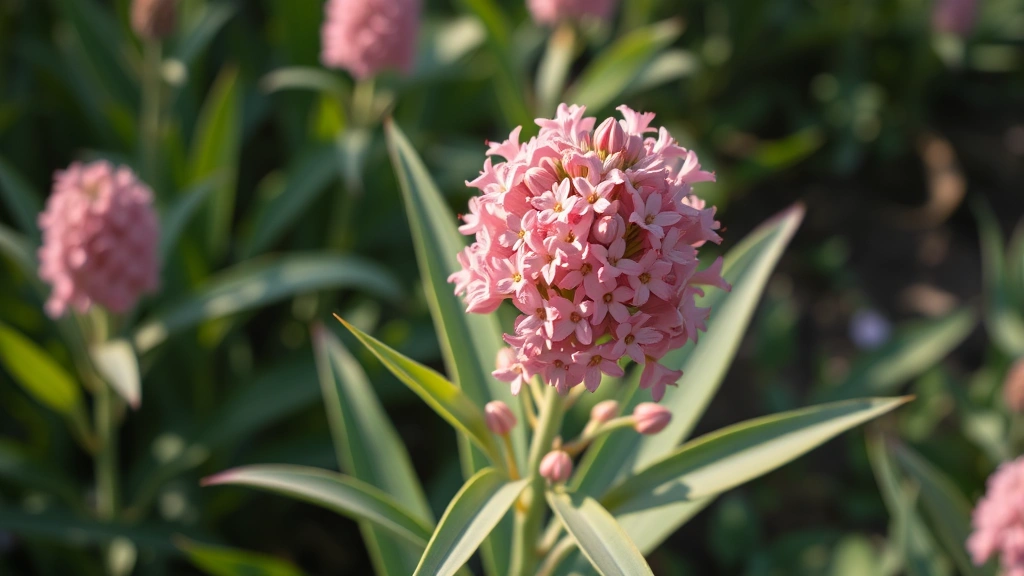
Yes, is milkweed plant poisonous to dogs—and it’s one of those sneaky garden hazards that many pet owners don’t even know about until their furry friend gets into trouble. If you’ve got a curious pup who loves to munch on plants, this is definitely something you need to understand. Milkweed contains toxic compounds that can cause serious problems for your dog, ranging from mild digestive upset to more severe cardiac issues. Let’s break down everything you need to know about keeping your four-legged friend safe.
Table of Contents
- What Exactly Is Milkweed and Why Should You Care?
- The Toxic Compounds in Milkweed Plants
- Symptoms of Milkweed Poisoning in Dogs
- How Much Milkweed Is Actually Dangerous?
- What to Do If Your Dog Eats Milkweed
- Milkweed Toxicity vs. Other Common Plant Poisons
- Prevention: Keeping Your Dog Away From Milkweed
- Understanding Your Dog’s Plant-Eating Behavior
- Recognizing Milkweed Species in Your Area
- When to Seek Emergency Veterinary Care
- Recovery and Long-Term Outlook
- Frequently Asked Questions
- Summary: Protecting Your Pup From Milkweed
What Exactly Is Milkweed and Why Should You Care?
Milkweed is a common flowering plant found across North America, and honestly, it’s actually pretty important for monarch butterflies. But here’s the thing—just because it’s great for insects doesn’t mean it’s safe for dogs. The plant gets its name from the milky sap it produces when you break the stems, and that sap is where the trouble lies. There are over 100 species of milkweed, and they’re all potentially problematic for your pup.
You’ll find milkweed growing wild in fields, along roadsides, and sometimes even in ornamental gardens. Some people actually plant it intentionally to attract butterflies, which is wonderful for the ecosystem but not so wonderful if you have a dog who treats your yard like an all-you-can-eat buffet.
The Toxic Compounds in Milkweed Plants
The real culprit behind milkweed toxicity is a group of compounds called cardiac glycosides. These are the same types of toxins found in digitalis plants (foxglove), and they’re serious business. When your dog ingests milkweed, these glycosides can affect the heart’s ability to function properly by interfering with electrolyte balance.
The concentration of these toxins varies depending on the milkweed species and which part of the plant your dog ate. The leaves and stems contain the highest concentrations, but even the roots and seeds can be problematic. It’s not like your dog needs to eat a huge amount either—even moderate consumption can trigger symptoms.
Symptoms of Milkweed Poisoning in Dogs
So how do you know if your dog has gotten into milkweed? Watch for these telltale signs. Gastrointestinal symptoms usually show up first—vomiting, diarrhea, and loss of appetite are common. Your dog might also seem lethargic or depressed, just lying around like they’ve given up on life.
The more serious symptoms involve the heart and nervous system. You might notice irregular heartbeat, weakness, tremors, or even seizures in severe cases. Some dogs develop salivation or have difficulty swallowing. The scary part? These symptoms can appear within a few hours of ingestion or take up to 24 hours to show up, so timing matters when you’re trying to figure out what happened.
How Much Milkweed Is Actually Dangerous?
Here’s where it gets tricky—there’s no magic number that says “eat this much and you’re fine, but eat more and you’re in trouble.” The toxicity depends on several factors: your dog’s size, weight, overall health, and which species of milkweed they ate. A small Chihuahua eating a few leaves could have a more serious reaction than a 90-pound German Shepherd eating the same amount.
That said, you shouldn’t play Russian roulette with your pup’s health. Even small amounts can cause problems, especially if your dog has existing heart conditions or is on certain medications. When in doubt, assume it’s dangerous and contact your vet immediately.
What to Do If Your Dog Eats Milkweed
First, don’t panic—but do act quickly. If you actually saw your dog eating milkweed or suspect they did within the last few hours, call your vet right away. Have the plant identification ready if possible; knowing which type of milkweed your dog ate can help your vet determine the severity.
Your vet might recommend inducing vomiting if the ingestion was very recent, though this isn’t always appropriate depending on the circumstances. Don’t try to induce vomiting at home without professional guidance—that can sometimes make things worse. You should also contact the Pet Poison Hotline if you need immediate guidance, as they’re available 24/7 and can provide real-time advice.
If your dog is showing symptoms, get them to an emergency vet immediately. Treatment typically involves supportive care like IV fluids, monitoring for cardiac arrhythmias, and potentially medications to help stabilize the heart rhythm. In some cases, activated charcoal might be administered to help absorb the toxins.
Milkweed Toxicity vs. Other Common Plant Poisons
Milkweed isn’t the only plant that can harm your dog, and it’s helpful to understand how it stacks up against other common culprits. Unlike chocolate toxicity in pets, which affects the nervous system and causes hyperactivity, milkweed primarily targets the heart. This makes it particularly dangerous for older dogs or those with pre-existing cardiac conditions.

Other toxic plants like lilies, sago palms, and oleander are also concerning, but they work differently in the body. Milkweed’s cardiac glycosides make it uniquely dangerous because the effects can be delayed and unpredictable. You might think your dog is fine, only to have serious heart problems develop hours later.
Prevention: Keeping Your Dog Away From Milkweed
The best medicine is prevention, right? Start by identifying whether you have milkweed growing on your property. If you do, the safest option is removal. You can pull it up by hand (wear gloves—the sap can irritate your skin), dig it out with the roots, or use herbicide, though be careful not to expose your dog to the chemicals during application.
If you have milkweed in areas you can’t control—like in your neighbor’s yard or along walking trails—keep your dog on a short leash and train them not to eat plants. Yes, that’s easier said than done, especially with determined sniffers, but it’s worth the effort. Some dogs respond well to the “leave it” command, which can be lifesaving.
Consider your dog’s personality too. If you have a pup who eats everything in sight, you might want to restrict their access to certain areas of your yard or neighborhood entirely. It’s not the most fun approach, but it beats emergency vet visits.
Understanding Your Dog’s Plant-Eating Behavior
Why do dogs eat plants in the first place? Sometimes it’s boredom, sometimes it’s nutritional deficiency, and sometimes they’re just curious little goofballs. If your dog is constantly trying to munch on vegetation, there might be an underlying issue worth discussing with your vet.
Pica—the tendency to eat non-food items—can indicate nutritional imbalances, digestive issues, or behavioral problems. If plant eating is a consistent behavior, your vet might recommend dietary changes or even behavioral training. Understanding the “why” behind the behavior helps you address the root cause rather than just managing the symptoms.
Recognizing Milkweed Species in Your Area
There are so many milkweed varieties that it’s worth learning to identify the ones in your region. Common milkweed (Asclepias syriaca) is widespread in the eastern and central United States. Showy milkweed (Asclepias speciosa) dominates the western states. Swamp milkweed (Asclepias incarnata) loves wet areas.
Most milkweed plants have clusters of small flowers that range from pink to orange to purple, depending on the species. The leaves are typically elongated and grow opposite each other on the stem. When you break the stem, you’ll see that characteristic milky latex. If you’re not 100% sure about plant identification, take a photo and ask a local nursery or extension office—it’s worth being certain.
When to Seek Emergency Veterinary Care
You don’t need to wait for your regular vet appointment if your dog shows signs of milkweed poisoning. This is an emergency situation. Head to the nearest emergency vet clinic if your dog is experiencing vomiting, diarrhea, irregular heartbeat, weakness, tremors, or seizures after potentially eating milkweed.
Don’t delay because you think “it’s probably nothing.” Cardiac glycosides are serious, and time matters. The sooner your dog receives treatment, the better the prognosis. Keep the contact information for your nearest emergency vet for food poisoning somewhere easily accessible—like on your phone or fridge.
Recovery and Long-Term Outlook
If your dog survives milkweed poisoning, what’s the long-term picture? Most dogs recover fully with prompt treatment, especially if the amount ingested was small. However, severe cases can result in permanent cardiac damage, so close monitoring is important during recovery.
Your vet might recommend follow-up cardiac evaluations to ensure the heart has fully recovered. Some dogs might need dietary modifications or medications if the poisoning caused lasting heart issues. The key is catching it early and getting aggressive treatment right away.

Frequently Asked Questions
Can dogs die from eating milkweed?
Yes, in severe cases, milkweed poisoning can be fatal, especially if the dog ingested a large amount or has pre-existing heart conditions. However, with prompt veterinary treatment, most dogs recover fully. The key is getting them to a vet immediately if you suspect ingestion.
How long does it take for milkweed poisoning symptoms to appear?
Symptoms can appear anywhere from a few hours to 24 hours after ingestion. Some dogs show signs almost immediately, while others might seem fine for hours before suddenly becoming ill. This unpredictability is why you should contact your vet even if your dog seems okay after eating milkweed.
Is milkweed safe for dogs if cooked or dried?
No. The cardiac glycosides in milkweed remain toxic regardless of how the plant is prepared. Cooking, drying, or processing doesn’t eliminate the danger. Your dog should avoid milkweed in any form.
Are all parts of the milkweed plant equally toxic?
The leaves and stems contain the highest concentrations of cardiac glycosides, but the roots and seeds are also toxic. No part of the plant is truly safe for your dog to eat.
What should I do if my dog ate milkweed but isn’t showing symptoms yet?
Call your vet or the Pet Poison Hotline immediately. Don’t wait for symptoms to develop. Early intervention can prevent serious complications. Your vet can advise whether inducing vomiting or other treatments are appropriate based on the timing and amount ingested.
Can I plant milkweed in my yard if I have a dog?
It’s risky. If you want to support monarch butterflies, consider planting it in an area your dog absolutely cannot access, like behind a fence or gate. Better yet, choose dog-safe plants that also support pollinators.
Summary: Protecting Your Pup From Milkweed
So here’s the bottom line: is milkweed plant poisonous to dogs? Absolutely, yes. It’s a real threat that deserves your attention, especially if you live in areas where milkweed grows naturally or if you’ve intentionally planted it for butterflies.
The cardiac glycosides in milkweed can cause serious, potentially life-threatening reactions in dogs. Symptoms can be unpredictable and delayed, making prevention your best strategy. Remove milkweed from your property, train your dog to avoid plants, and know the signs of poisoning so you can act fast if the worst happens.
Keep your vet’s number handy, know where your nearest emergency clinic is, and don’t hesitate to call for advice if you suspect your dog has eaten milkweed. When it comes to your furry friend’s health, there’s no such thing as overreacting. Your vigilance could literally save your dog’s life.
If your dog has a history of eating plants or shows other concerning behaviors, discuss it with your vet. They might recommend pet telehealth options for quick consultations, or they might suggest behavioral modifications and dietary adjustments. Whatever route you take, staying informed and proactive is what keeps your pup safe and healthy.





