

Many dog owners enjoy sharing their meals with their beloved pets, but not all human foods are safe for canine consumption. Among the common condiments found in most kitchens, mustard stands out as one that should be kept far away from your furry friend. While it may seem harmless enough, mustard contains several ingredients that can pose serious health risks to dogs.
Understanding which foods are dangerous for dogs is crucial for every pet owner. Mustard, despite being a seemingly innocent condiment, contains compounds that can cause digestive upset, toxicity, and other health complications in dogs. This comprehensive guide will explore why mustard is bad for dogs, what makes it dangerous, and what you should do if your dog accidentally consumes it.
Toxic Ingredients in Mustard
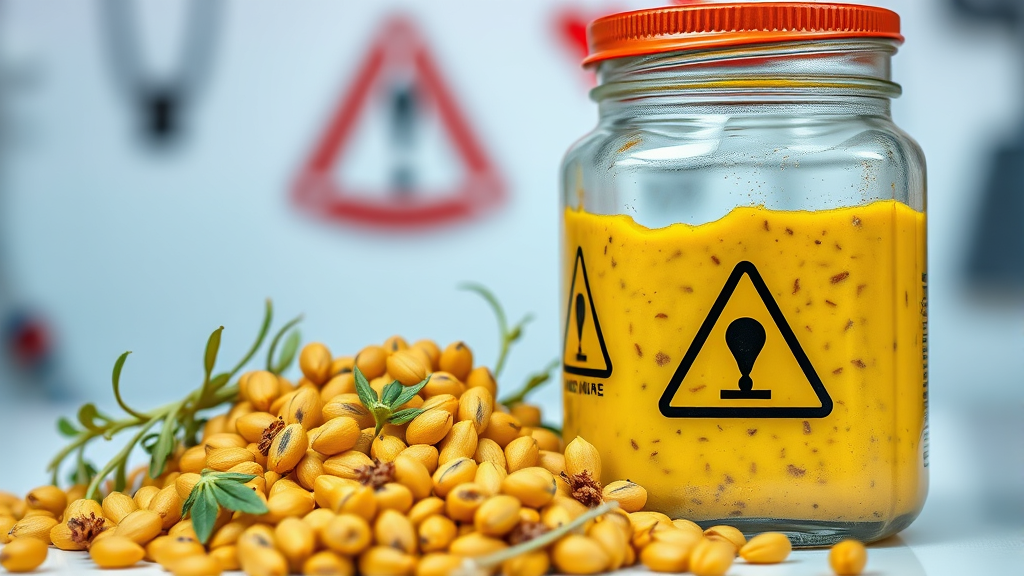
The primary concern with mustard lies in its key ingredients, particularly mustard seeds and various additives. Mustard seeds contain compounds called glucosinolates, which can be toxic to dogs when consumed in significant quantities. These compounds can cause gastrointestinal irritation and may lead to more severe health issues depending on the amount consumed and the size of the dog.
Most commercial mustards also contain high levels of sodium, which can be dangerous for dogs. Excessive sodium intake can lead to sodium ion poisoning, causing symptoms such as vomiting, diarrhea, excessive thirst, and in severe cases, seizures or coma. The American Kennel Club warns that dogs should consume no more than 100mg of sodium per day for every 10 pounds of body weight.
Additionally, many mustard varieties contain garlic and onion powder, both of which are highly toxic to dogs. These ingredients can cause hemolytic anemia, a condition where red blood cells are destroyed faster than they can be produced. For more information about onion toxicity, you can learn about can dogs eat onions.
Health Risks and Symptoms
When dogs consume mustard, they may experience a range of symptoms that can vary in severity depending on the amount ingested and the individual dog’s sensitivity. The most common immediate symptoms include vomiting, diarrhea, and excessive drooling. These gastrointestinal symptoms typically appear within a few hours of consumption.
More serious symptoms may include abdominal pain, loss of appetite, lethargy, and dehydration. In cases where large amounts of mustard have been consumed, dogs may experience more severe symptoms such as difficulty breathing, increased heart rate, or signs of anemia if the mustard contained onion or garlic compounds.
The American Veterinary Medical Association emphasizes that any signs of distress after consuming human food should be taken seriously. Some dogs may also develop pancreatitis, an inflammation of the pancreas that can be life-threatening if left untreated.
Long-term consumption of mustard, even in small amounts, can lead to chronic digestive issues and may contribute to the development of gastritis or other gastrointestinal disorders. The high sodium content can also put strain on the kidneys and cardiovascular system over time.
Different Types of Mustard and Their Dangers
Not all mustards are created equal when it comes to their toxicity levels for dogs. Yellow mustard, the most common variety, typically contains fewer harmful additives but still poses risks due to its mustard seed content and sodium levels. Dijon mustard, on the other hand, often contains white wine and additional spices that can be more irritating to a dog’s digestive system.
Honey mustard presents additional concerns due to its sugar content, which can contribute to obesity and dental problems in dogs. The honey itself, while not toxic, adds unnecessary calories and can cause digestive upset in some dogs. Spicy brown mustard and whole grain mustards often contain higher concentrations of mustard seeds and additional spices, making them potentially more dangerous.
Some gourmet mustards may contain alcohol, additional herbs, or exotic ingredients that could pose unknown risks to dogs. The ASPCA Animal Poison Control Center maintains extensive databases of toxic substances, and many ingredients found in specialty mustards appear on their warning lists.
What to Do If Your Dog Eats Mustard
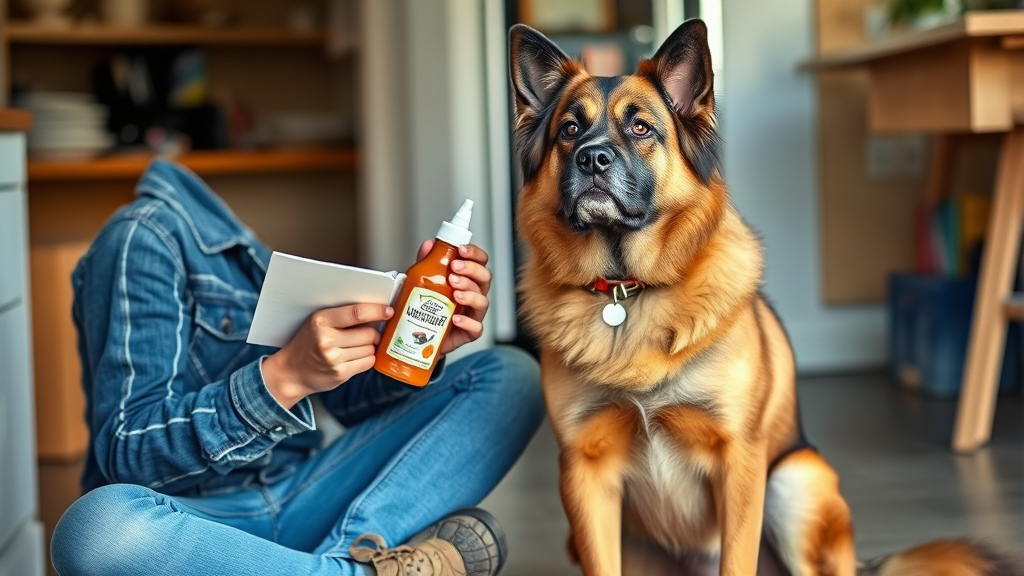
If you discover that your dog has consumed mustard, it’s important to act quickly but remain calm. First, determine how much mustard was consumed and what type it was. Remove any remaining mustard from your dog’s reach and check the ingredient list if possible to identify potentially toxic components.
For small amounts of mustard consumed by larger dogs, monitor your pet closely for any symptoms of distress. Provide fresh water to help dilute the mustard and encourage urination to help flush out excess sodium. However, do not induce vomiting unless specifically instructed to do so by a veterinary professional, as this can sometimes cause more harm than good.
Contact your veterinarian immediately if your dog shows any symptoms of illness or if a significant amount of mustard was consumed. The Pet Poison Helpline (855-764-7661) is available 24/7 for emergency consultations and can provide immediate guidance on whether emergency treatment is necessary.
Keep detailed notes about when the mustard was consumed, the approximate amount, and any symptoms you observe. This information will be valuable for your veterinarian in determining the appropriate treatment plan. In some cases, your vet may recommend bringing your dog in for observation or treatment, which could include IV fluids to address dehydration or medications to protect the stomach lining.
Prevention and Safe Alternatives
The best approach to mustard toxicity is prevention. Keep all condiments, including mustard, stored in cabinets or areas that are inaccessible to your dog. Be especially vigilant during meal preparation and outdoor events like barbecues, where mustard is commonly used and spills are more likely to occur.
Train your family members and guests about the importance of not sharing human food with your dog. Many people are unaware that common condiments can be harmful to pets. Consider creating a list of safe and unsafe foods to post in your kitchen as a reminder for everyone in the household.
If you want to add flavor to your dog’s food, there are many safe alternatives available. Instead of mustard or other harmful condiments, consider learning about what spices are good for dogs or what seasonings can dogs have. Plain, cooked meats, vegetables like carrots or green beans, or small amounts of plain rice can add variety to your dog’s diet without the risks associated with human condiments.
The FDA’s Center for Veterinary Medicine provides comprehensive guidelines on foods that are safe and unsafe for pets, which can serve as a valuable reference for pet owners.
Other Condiments to Avoid
Mustard is not the only condiment that poses risks to dogs. Many common kitchen staples can be equally or more dangerous. Ketchup, for example, often contains onion powder and high levels of sugar and sodium. You can learn more about this by reading about can dogs eat ketchup.
Soy sauce is another condiment that should be avoided due to its extremely high sodium content. For detailed information, check out whether can dogs have soy sauce or can dogs eat soy sauce. Barbecue sauce, hot sauce, and salad dressings often contain multiple toxic ingredients including onion, garlic, and various spices that can be harmful to dogs.
Mayonnaise, while not toxic, is high in fat and can contribute to pancreatitis and obesity in dogs. Relish and pickles contain high amounts of sodium and often include onion and garlic. Even seemingly innocent condiments like ranch dressing can contain toxic ingredients and excessive amounts of fat.
The Humane Society provides an extensive list of foods that should be avoided, helping pet owners make informed decisions about what to keep away from their dogs. Remember that if you’re dealing with other food emergencies, such as chocolate consumption, knowing what to do if dog eats chocolate can be equally important.
Frequently Asked Questions
Is mustard bad for dogs in small amounts?
Yes, even small amounts of mustard can be harmful to dogs. While a tiny lick might not cause severe symptoms, mustard contains compounds that are toxic to dogs regardless of quantity. The mustard seeds contain glucosinolates, and most commercial mustards have high sodium content and may include onion or garlic powder, all of which can cause health issues even in small doses.
What should I do if my dog licked mustard off my plate?
If your dog only had a small lick of mustard, monitor them closely for the next 24 hours for any signs of digestive upset such as vomiting, diarrhea, or excessive drooling. Provide plenty of fresh water and avoid giving them any food for a few hours to let their stomach settle. If you notice any symptoms of distress, contact your veterinarian immediately.
Can mustard cause long-term health problems in dogs?
Regular exposure to mustard, even in small amounts, can potentially lead to chronic digestive issues, gastritis, and strain on the kidneys due to high sodium content. The compounds in mustard seeds can cause ongoing gastrointestinal irritation, and ingredients like onion or garlic powder can contribute to anemia over time. It’s best to avoid giving mustard to dogs entirely to prevent both immediate and long-term health complications.
Are there any types of mustard that are safer for dogs?
No type of mustard is considered safe for dogs. While some varieties may contain fewer harmful additives than others, all mustards contain mustard seeds with potentially toxic compounds and high levels of sodium. Even “natural” or “organic” mustards can be dangerous for dogs and should be avoided completely.
How much mustard is dangerous for a dog?
There is no safe amount of mustard for dogs, as toxicity can vary based on the dog’s size, health status, and individual sensitivity. Even a small amount can cause digestive upset, and larger quantities can lead to more serious symptoms including sodium poisoning or toxicity from other ingredients. The safest approach is to keep all mustard products away from your dog.
What are the first signs that mustard has made my dog sick?
The first signs of mustard toxicity in dogs typically include vomiting, diarrhea, excessive drooling, and loss of appetite. These symptoms usually appear within 2-6 hours of consumption. Other early signs may include restlessness, abdominal pain, excessive thirst, and lethargy. If you notice any of these symptoms after mustard consumption, contact your veterinarian immediately.
Can I give my dog anything at home to help if they ate mustard?
Do not attempt to treat mustard ingestion at home without veterinary guidance. While providing fresh water is generally safe, do not induce vomiting or give any medications unless specifically instructed by a veterinary professional. Home remedies can sometimes worsen the situation. The best course of action is to contact your veterinarian or pet poison control hotline for professional advice on how to proceed based on your specific situation.





