
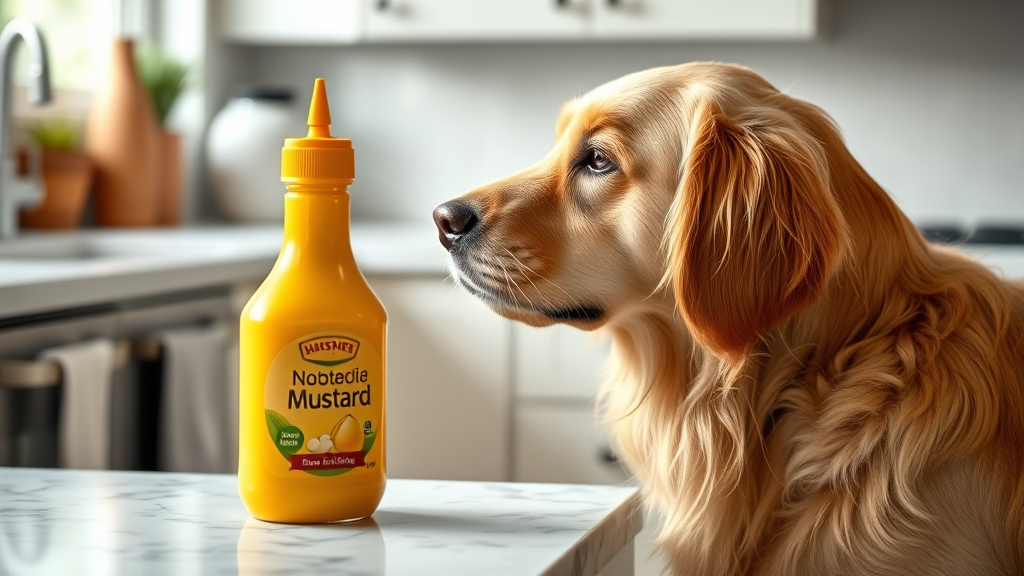
As a responsible dog owner, you’ve likely wondered about sharing human foods with your furry companion. Among the many condiments in your kitchen, mustard might seem harmless enough, but the question “is mustard bad for dogs” deserves careful consideration. While mustard isn’t immediately toxic to most dogs in small amounts, it’s not recommended as part of their regular diet and can cause significant digestive upset.
Understanding what foods are safe for your canine companion is crucial for their health and wellbeing. Mustard, like many human condiments, contains ingredients that can be problematic for dogs, even if they’re not outright poisonous. From sodium content to specific spices and additives, there are several reasons why mustard should be kept away from your dog’s food bowl.
What Is Mustard and Its Common Ingredients
Mustard is a popular condiment made primarily from mustard seeds, vinegar, water, and various seasonings. The yellow mustard commonly found on hot dogs and sandwiches contains turmeric for its distinctive color, while Dijon and other gourmet varieties may include wine, herbs, and additional spices. Understanding these ingredients is essential when evaluating whether can dogs eat mustard safely.
The mustard plant belongs to the Brassicaceae family, which also includes cabbage, broccoli, and kale. While some vegetables in this family are safe for dogs in moderation, mustard seeds and their derivatives present unique challenges for canine digestion. Commercial mustard products often contain high levels of sodium, preservatives, and artificial additives that can be harmful to dogs.
Different types of mustard vary significantly in their ingredients and potential risks. Honey mustard contains added sugars that can contribute to obesity and dental problems in dogs. Spicy mustards may include capsaicin or other compounds that can cause severe digestive distress. Even seemingly mild yellow mustard contains enough sodium and acidic ingredients to cause problems for most dogs.

Is Mustard Safe for Dogs?
The straightforward answer is that mustard is not safe for dogs and should be avoided entirely. While a small lick of mustard is unlikely to cause immediate harm to a healthy adult dog, regular consumption or larger amounts can lead to serious health issues. The ASPCA Animal Poison Control Center doesn’t list mustard as highly toxic, but it’s certainly not recommended for canine consumption.
The primary concerns with mustard consumption in dogs relate to its high sodium content, acidic nature, and potential for containing harmful additives. Dogs have different digestive systems than humans and cannot process many of the ingredients found in common condiments. What might be a flavorful addition to your meal could cause significant discomfort or health problems for your pet.
Size and breed considerations also play a role in mustard’s potential impact. Small dogs are more susceptible to the negative effects of high-sodium foods and can experience symptoms more quickly than larger breeds. Senior dogs or those with existing health conditions, particularly heart or kidney problems, face even greater risks from consuming mustard or other high-sodium condiments.
Toxic Ingredients in Mustard
Several ingredients commonly found in mustard can be problematic or toxic to dogs. Garlic and onion powder, frequently used as flavor enhancers in mustard products, belong to the allium family and are toxic to dogs. These ingredients can cause oxidative damage to red blood cells, leading to anemia and other serious health complications. Even small amounts can be harmful, especially with repeated exposure.
The high sodium content in mustard poses another significant risk. Dogs require much less sodium than humans, and excess salt consumption can lead to sodium ion poisoning. Symptoms include vomiting, diarrhea, excessive thirst, and in severe cases, seizures or coma. The FDA’s Center for Veterinary Medicine emphasizes the importance of monitoring sodium intake in pet foods and treats.
Many commercial mustards also contain xanthan gum, artificial preservatives, and other additives that can cause digestive upset in sensitive dogs. Some varieties include alcohol-based ingredients like wine or beer, which are toxic to dogs even in small amounts. Similar concerns apply to other condiments, which is why many pet owners also ask can dogs eat ketchup or about other common table foods.
Health Risks and Side Effects
When dogs consume mustard, they may experience a range of adverse effects, from mild digestive upset to more serious health complications. The most common immediate symptoms include vomiting, diarrhea, and excessive drooling. These reactions typically occur within a few hours of consumption and can last for 24-48 hours depending on the amount consumed and the dog’s individual sensitivity.
Gastrointestinal irritation is perhaps the most frequent consequence of mustard consumption in dogs. The acidic nature of vinegar combined with spices and high sodium content can inflame the stomach lining and intestinal tract. This inflammation can lead to painful cramping, loss of appetite, and dehydration if symptoms persist. Dogs may also exhibit signs of nausea, including lip licking, gulping, and restlessness.
Long-term health risks associated with regular mustard consumption include kidney damage from excessive sodium intake and potential development of pancreatitis. The pancreas can become inflamed when dogs consume high-fat or heavily seasoned foods regularly. The American Veterinary Medical Association warns that pancreatitis can be life-threatening and requires immediate veterinary intervention.

What to Do If Your Dog Eats Mustard
If your dog accidentally consumes mustard, the first step is to remain calm and assess the situation. Determine how much mustard was consumed and what type it was, as this information will be valuable for your veterinarian. Remove any remaining mustard from your dog’s reach and check the ingredient list if the product packaging is available.
For small amounts of plain yellow mustard, monitor your dog closely for signs of digestive upset over the next 24 hours. Provide plenty of fresh water to help flush the sodium from their system and prevent dehydration. If your dog shows no symptoms after 24 hours, they will likely recover without intervention. However, any signs of distress warrant immediate veterinary attention.
Contact your veterinarian or pet poison control hotline if your dog consumed a large amount of mustard, shows severe symptoms, or if the mustard contained additional harmful ingredients like garlic or onions. The Pet Poison Helpline provides 24/7 assistance and can help determine whether emergency treatment is necessary. This is similar to the protocol you’d follow if wondering what to do if dog eats chocolate or other potentially harmful substances.
Safe Alternatives and Healthy Treats
Instead of sharing mustard or other condiments with your dog, focus on dog-safe alternatives that can add flavor and nutrition to their diet. Plain cooked chicken, sweet potato, or small pieces of apple can serve as healthy treats that most dogs enjoy. These options provide nutritional benefits without the risks associated with processed human foods.
When preparing meals that include mustard, consider setting aside plain, unseasoned portions for your dog before adding condiments. This approach allows your pet to participate in mealtime without exposing them to harmful ingredients. Many dogs are perfectly content with the natural flavors of their regular food and don’t require additional seasonings.
Commercial dog treats and foods are formulated specifically for canine nutritional needs and undergo safety testing. High-quality treats from reputable manufacturers provide a much safer option than sharing human foods. If you’re concerned about other condiments, remember that questions like can dogs have soy sauce or can dogs have mayonnaise generally have similar answers – these human condiments should be avoided.
Prevention Tips for Pet Owners
Preventing accidental mustard consumption starts with proper food storage and awareness during meal preparation. Keep condiments in secure locations where curious dogs cannot access them, and be mindful of dropped food during cooking or eating. Many dogs are opportunistic eaters and will quickly consume anything that falls to the floor.
Educate family members and guests about which foods are safe for your dog and which should be avoided. Children, in particular, may not understand the risks of sharing their food with pets and should be taught appropriate feeding guidelines. Establishing clear rules about human food sharing helps prevent accidental poisoning incidents.
Consider creating a designated eating area for your dog during human mealtimes to reduce the temptation for begging and accidental feeding. This practice also helps prevent dogs from accessing spilled food or dropped items that might contain harmful ingredients. Training your dog to stay in their designated area during meals requires consistency but significantly reduces risks.
Regular veterinary checkups can help identify any health issues that might make your dog more susceptible to problems from inappropriate foods. Dogs with existing digestive sensitivities, kidney problems, or other health conditions may need even stricter dietary restrictions. Your veterinarian can provide personalized guidance based on your dog’s specific health needs and risk factors.
Frequently Asked Questions
Is a small amount of mustard dangerous for my dog?
While a tiny amount of plain yellow mustard is unlikely to cause immediate harm to a healthy adult dog, it’s still not recommended. Even small amounts can cause digestive upset in sensitive dogs, and the high sodium content provides no nutritional benefit. It’s best to avoid giving mustard to dogs entirely to prevent any potential health issues.
What should I do if my dog licked mustard off my plate?
If your dog only licked a small amount of mustard, monitor them closely for the next 24 hours for signs of digestive upset such as vomiting, diarrhea, or excessive thirst. Provide plenty of fresh water and contact your veterinarian if any symptoms develop. Most dogs will be fine after consuming trace amounts, but it’s important to watch for adverse reactions.
Are some types of mustard more dangerous than others?
Yes, some mustard varieties pose greater risks than others. Spicy mustards containing capsaicin can cause severe digestive distress, while mustards with garlic or onion powder are toxic to dogs. Honey mustard contains added sugars that aren’t healthy for dogs. Plain yellow mustard is generally the least harmful option, but all types should be avoided. Just as with other condiments, questions about can dogs eat soy sauce reveal similar safety concerns.
Can mustard cause long-term health problems in dogs?
Regular consumption of mustard can lead to several long-term health issues including kidney damage from excessive sodium intake, gastrointestinal inflammation, and potential pancreatitis. The high salt content can also contribute to heart problems and hypertension in susceptible dogs. These risks make it important to keep mustard and similar condiments away from dogs consistently.
How much mustard is considered toxic for dogs?
There’s no specific “toxic dose” for mustard in dogs, as toxicity depends on factors like the dog’s size, health status, and the specific ingredients in the mustard. However, any amount beyond a trace lick can potentially cause problems. The high sodium content means that even relatively small amounts can cause digestive upset, especially in small dogs or those with existing health conditions.
What are the signs that my dog has eaten too much mustard?
Common signs include vomiting, diarrhea, excessive drooling, increased thirst and urination, lethargy, and loss of appetite. More severe symptoms might include abdominal pain, difficulty walking, tremors, or seizures, particularly if the mustard contained toxic ingredients like garlic or onions. Similar to concerns about can dogs eat onions, these symptoms warrant immediate veterinary attention.
Are there any dog-safe alternatives to mustard for flavoring food?
Yes, there are several safe alternatives for adding flavor to your dog’s food. Small amounts of plain cooked chicken, bone broth (without onions or garlic), or dog-specific flavor enhancers designed for pets are much safer options. Fresh herbs like parsley in small amounts can also add flavor without the risks associated with processed condiments. Always consult with your veterinarian before adding new foods to your dog’s diet, and remember that similar caution applies to other condiments – for instance, many people wonder can dogs have mayo and the answer is similarly cautious.





