
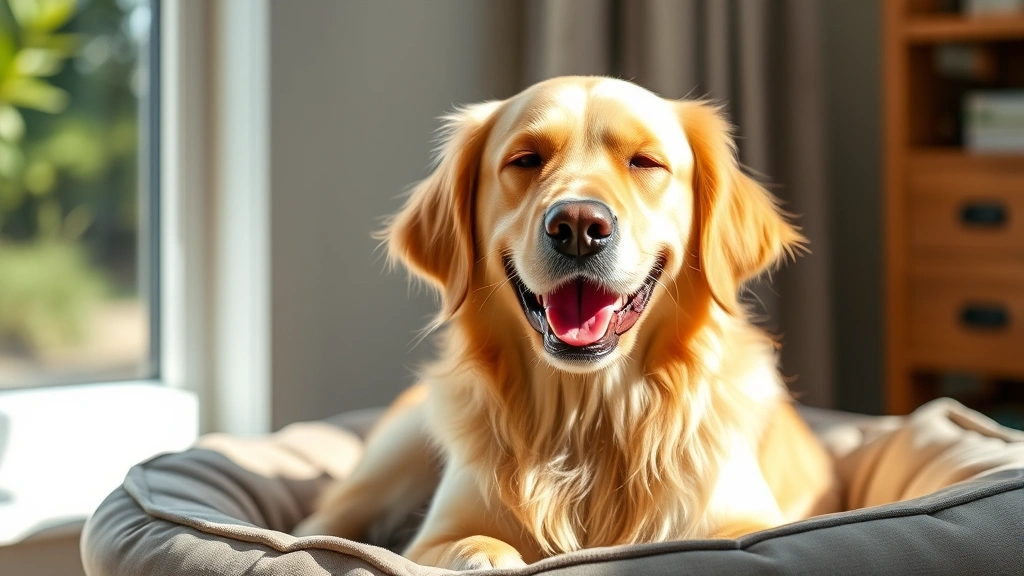
Is my dog happy? If you’ve ever wondered this while watching your pup snooze on the couch or chase their tail with reckless abandon, you’re not alone. Every dog parent wants to know their furry best friend is living their best life, but dogs can’t exactly tell us how they’re feeling. The good news? Your dog is constantly broadcasting their emotional state through body language, behavior, and quirky little habits that are dead giveaways of their happiness level.
Table of Contents
- The Tail Wag Isn’t Everything (But It Matters)
- Relaxed Facial Expressions and Soft Eyes
- Playfulness and the Zoomies Are Gold Standard Indicators
- The Lean and the Cuddle Demand
- Healthy Appetite and Interest in Food
- Quality Sleep and Comfortable Rest Patterns
- Social Behavior and Greeting Rituals
- Curiosity and Engagement With Their Environment
- Responsive to Training and Commands
- Healthy Physical Indicators of Emotional Well-Being
- The Absence of Destructive or Anxious Behaviors
- The Relaxed Body Posture Overall
- Frequently Asked Questions
- Conclusion: Putting It All Together
Understanding what a happy dog actually looks like goes way beyond the obvious tail wag. Sure, that’s part of it, but there’s a whole symphony of signals happening when your pup is genuinely content versus just tolerating life. Let’s dive into the definitive signs that your dog is genuinely happy and thriving.
The Tail Wag Isn’t Everything (But It Matters)
Here’s where most people get it wrong: not all tail wags are created equal. A happy dog’s tail wag is typically loose, relaxed, and involves movement from the hips. The tail position matters too—a happy tail usually sits at or slightly above the natural spine line, wagging in broad, enthusiastic strokes. This is different from a nervous wag that’s tight and rapid, or a tucked tail that signals fear.
A truly content dog might wag their entire back half when they see you, not just their tail. This full-body wiggle is the canine equivalent of jumping up and down with joy. If your dog greets you this way after you’ve been gone for even five minutes, congratulations—you’ve got a happy pup on your hands.
Relaxed Facial Expressions and Soft Eyes
A happy dog’s face is remarkably expressive. Look for soft, relaxed eyes—not the hard stare of a stressed or focused dog. Happy dogs often have slightly squinted eyes, almost like they’re smiling. Their ears are in a natural, relaxed position (not pinned back in fear or forward in high alert), and their mouth might be slightly open in what looks like a genuine doggy grin.
The area around the muzzle should look soft and loose, not tense. If your dog’s face looks like they’re perpetually worried about something, that’s a sign they might need more reassurance or environmental adjustments. But if they’re sporting that relaxed, content expression most of the time? That’s your sign they’re genuinely happy.
Playfulness and the Zoomies Are Gold Standard Indicators
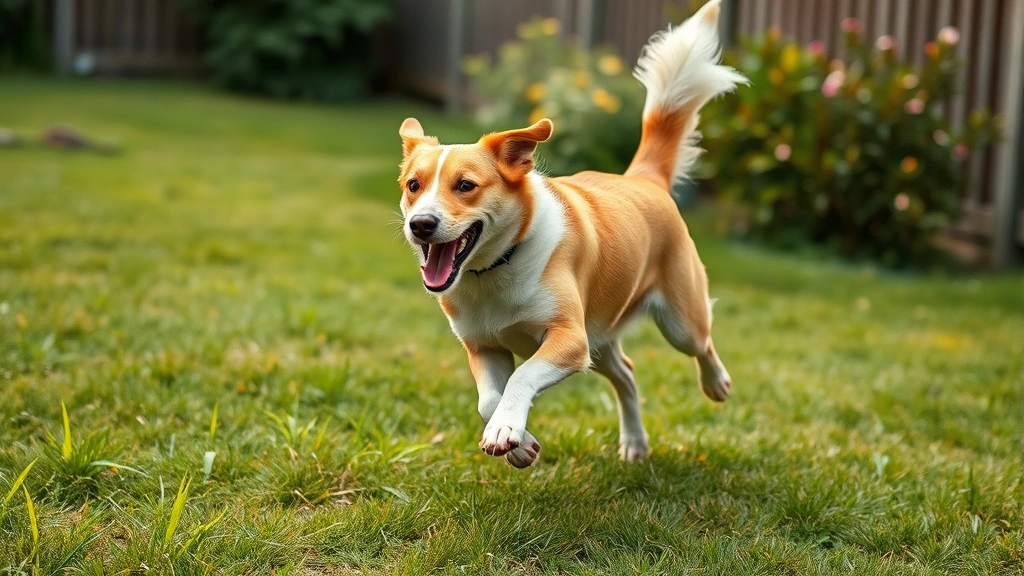
Nothing screams happiness quite like the zoomies—those sudden bursts of energy where your dog tears around the house or yard at maximum velocity for no apparent reason. This explosive playfulness is a classic sign of a happy, well-adjusted dog. It means they have enough energy and confidence to let loose and be silly.
Happy dogs also engage in play regularly, whether it’s with toys, other dogs, or their humans. They’ll bring you toys, initiate games of fetch, and generally show interest in interactive activities. If your dog is engaging in playful behavior consistently, they’re telling you they’re content and mentally stimulated. This is especially important because proper nutrition supports the energy levels needed for play, so make sure your dog’s diet is supporting their active lifestyle.
The Lean and the Cuddle Demand
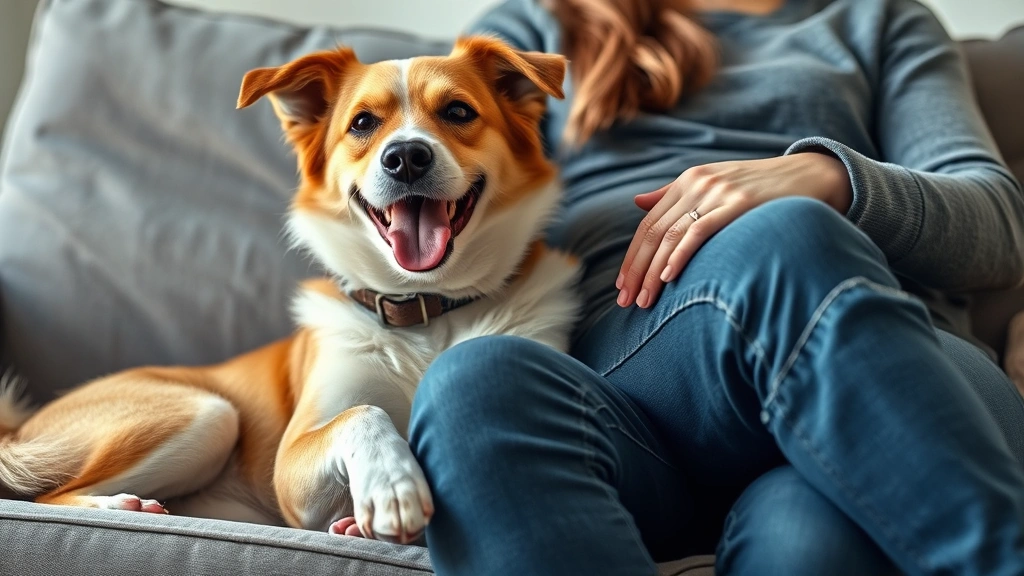
Happy dogs are typically affectionate dogs. They’ll lean against your leg while you’re standing, rest their head on your lap, or seek out your physical touch. This behavior, called “leaning,” is a sign of trust and contentment. They’re literally using you as a secure base, which means they feel safe and happy in your presence.
If your dog constantly wants to be near you, seeks cuddles, and initiates physical contact, that’s a huge indicator of happiness. Some dogs are naturally more independent, but even aloof breeds usually show some desire for connection when they’re genuinely happy. The key is understanding your individual dog’s baseline affection level and looking for consistency.
Healthy Appetite and Interest in Food
A happy dog is usually an enthusiastic eater. Loss of appetite can signal illness or emotional distress, while a dog who’s genuinely happy typically maintains steady, healthy eating habits. They get excited about mealtime, enjoy treats, and show interest in food-related activities.
That said, monitor for changes in eating patterns. If your previously food-motivated pup suddenly loses interest, it might be time to call the vet about food intake changes. Conversely, if your dog is maintaining a healthy weight while enjoying their meals and treats regularly, that’s a positive sign. Consider incorporating high-value treats from kitchen ingredients to keep mealtime exciting and rewarding.
Quality Sleep and Comfortable Rest Patterns
Happy dogs sleep well. A content pup will have multiple rest periods throughout the day, sleeping in comfortable positions without excessive restlessness. You might notice your dog sleeping on their back with their belly exposed—this is actually a sign of trust and comfort, since exposing their vulnerable belly means they feel safe in their environment.
If your dog struggles to settle, has disrupted sleep patterns, or seems anxious during rest time, that could indicate underlying stress or physical discomfort. Providing a comfortable sleeping space, like a cooling dog bed for comfortable rest, can support better sleep quality and overall happiness.
Social Behavior and Greeting Rituals
The way your dog greets you and other people is incredibly telling. Happy dogs typically greet their humans with enthusiasm—jumping (if they’re that type), tail wagging, and excitement. They’re genuinely happy to see you, not anxious or overly reactive.
With other dogs, a happy pup usually shows confident, playful behavior during interactions. They might engage in play bows, chase games, or gentle wrestling. They’re not constantly stressed about other dogs or overly submissive. Their social behavior should reflect comfort and confidence in their environment and with the people and animals around them.
Curiosity and Engagement With Their Environment
A happy dog is typically curious about their surroundings. They explore, sniff interesting things, investigate new objects, and show interest in their world. This exploratory behavior indicates confidence and contentment. Conversely, a dog that’s anxious or depressed might withdraw from their environment and show little interest in exploration.
Notice if your dog engages with enrichment activities, shows interest during walks, and demonstrates curiosity about new experiences. This engagement is a strong indicator of emotional well-being. Happy dogs are generally more resilient and adaptable to new situations because they’re operating from a secure, content baseline.
Responsive to Training and Commands
Dogs that are happy and confident are typically more responsive to training and commands. They’re engaged, eager to please, and show interest in interactive activities with their humans. A dog that’s anxious, stressed, or unhappy might show decreased responsiveness or avoidance behaviors.
If your dog is actively engaged in training sessions, responds reliably to commands, and seems to enjoy the mental stimulation, that’s a positive sign of overall happiness. The willingness to engage and learn indicates they feel secure and valued in your relationship.
Healthy Physical Indicators of Emotional Well-Being
Happiness isn’t just emotional—it’s physical too. A happy dog typically has a healthy coat, bright eyes, good muscle tone, and maintains a healthy weight. Stress and unhappiness can manifest as physical symptoms like dull coat, weight loss, or excessive shedding.
If you notice your dog’s physical condition declining, it’s worth investigating whether there are emotional or environmental factors contributing. Sometimes physical health and emotional health are deeply intertwined. For dogs with joint concerns that might affect their happiness and activity level, consider foods for joint health in pets to support their mobility and comfort.
The Absence of Destructive or Anxious Behaviors
While occasional mischief is normal, excessive destructive behavior, constant anxiety, or obsessive behaviors can indicate your dog isn’t happy. Destructive chewing, excessive barking, pacing, or self-soothing behaviors like licking can all signal underlying stress or unhappiness.
Happy dogs might still chew or bark, but it’s typically in moderation and not driven by anxiety. If you’re noticing an uptick in these behaviors, it might be time to evaluate your dog’s environment, exercise level, and mental stimulation. Sometimes these behaviors also indicate it’s time to consider remote pet health monitoring to track patterns and discuss concerns with your vet.
The Relaxed Body Posture Overall
Step back and look at your dog’s overall body posture. A happy dog typically has a relaxed stance—not stiff, not cowering, not constantly alert. Their weight is evenly distributed, their muscles appear loose, and their overall demeanor is calm and confident.
Compare this to a stressed dog, who might show stiffness, weight shifted back on their hindquarters, or a generally tense appearance. Your dog’s baseline body language tells you a lot about their emotional state. If they’re habitually relaxed and at ease, they’re likely genuinely happy.
Frequently Asked Questions
Can my dog be happy even if they don’t wag their tail much?
Absolutely! While tail wagging is a common sign of happiness, not all dogs wag equally. Some breeds and individual dogs are naturally less expressive with their tails. Look at the whole picture—their overall body language, facial expression, behavior, and engagement level. A dog can be genuinely happy while being naturally more reserved with tail wagging.
What should I do if I think my dog isn’t happy?
First, rule out medical issues by consulting your veterinarian. Pain or illness can significantly impact happiness. Once health is ruled out, evaluate environmental factors: exercise level, mental stimulation, social interaction, and routine. Sometimes simple changes like more playtime, different toys, or adjusted training methods can dramatically improve a dog’s happiness. If problems persist, consider consulting a certified dog behaviorist.
Is it normal for my dog to have sad days?
Dogs can have off days, just like humans. Weather, schedule changes, or minor discomfort might temporarily affect their mood. However, if your dog seems persistently sad or withdrawn for more than a few days, that warrants investigation. Look for patterns and changes rather than isolated incidents.
How can I tell the difference between a happy dog and an anxious dog?
Happy dogs have soft, relaxed features and engaged body language. Anxious dogs often show tension—pinned back ears, tucked tail, stiff posture, or avoidance behaviors. Happy dogs seek interaction; anxious dogs often withdraw. The key difference is the overall relaxation and confidence you see in a genuinely happy dog versus the tension and wariness in an anxious one.
Can I improve my dog’s happiness level?
Definitely! Ensure your dog gets adequate exercise, mental stimulation, positive social interactions, and a consistent routine. Provide quality nutrition—consider safe human snacks for pets as occasional rewards. Spend quality time together, maintain training consistency, and create a safe, comfortable environment. Happy dogs need engaged owners who understand their individual needs.
Conclusion: Putting It All Together
So, is my dog happy? The answer lies in looking at the complete picture rather than any single sign. A genuinely happy dog displays multiple indicators: relaxed body language, playful behavior, healthy appetite, quality sleep, social engagement, and overall confidence in their environment.
Every dog is unique, so establish your individual dog’s baseline behavior and look for consistency. If your dog regularly displays these signs of happiness, you’re doing something right. If you notice significant changes or persistent unhappiness, don’t hesitate to consult your veterinarian or a certified behaviorist.
The beautiful truth is that most dogs are naturally inclined toward happiness when their basic needs are met and they’re living with humans who genuinely care about their well-being. By learning to read these signs, you’re deepening your understanding of your furry friend and strengthening the bond you share. A happy dog makes for a happy owner, and that’s the best outcome for everyone involved.





