

Is Neosporin Safe for Dogs? Vet-Approved Insights
Your pup just scraped their paw on the sidewalk, and your first instinct is to grab that trusty tube of Neosporin from the medicine cabinet. But hold on—before you slather that antibiotic ointment all over Fido’s wound, you might want to know whether Neosporin is safe for dogs. It’s a question many pet parents ask, and honestly, the answer isn’t as straightforward as you might think.
While Neosporin is generally considered safe for topical use on dogs in small amounts, there are important nuances and situations where it might not be the best choice for your furry friend. Understanding when it’s appropriate to use and when to skip it could make all the difference in your dog’s recovery and overall health.
Let’s dig into the details of this common household remedy and explore what veterinarians really think about using it on our four-legged companions. Whether you’re dealing with a minor cut, a hot spot, or wondering about preventative care, we’ve got the vet-approved insights you need.
What Exactly Is Neosporin?
Neosporin is a topical antibiotic ointment that’s been a staple in medicine cabinets for decades. The original formula contains three active ingredients: neomycin, polymyxin B, and bacitracin. These antibiotics work together to prevent bacterial infections in minor cuts, scrapes, and wounds on human skin.
The ointment creates a protective barrier over the wound while the antibiotics fight off bacteria that could cause infection. For humans, it’s been proven safe and effective for minor wounds, which is why so many people reach for it automatically when they or their kids get a scrape.
But here’s the thing—dogs aren’t just small humans with fur. Their skin pH is different, their metabolism processes things differently, and they have a nasty habit of licking everything off their skin, including medications. This is why putting Neosporin on a dog requires some careful consideration.
Is Neosporin Safe for Dogs?
The short answer is: mostly yes, but with important caveats. According to the ASPCA, Neosporin is generally considered safe for dogs when used topically in small amounts on minor wounds. However, this doesn’t mean it’s always the best choice or appropriate for every situation.
Veterinarians generally agree that using Neosporin on dogs is acceptable for minor superficial wounds, provided your dog doesn’t ingest large quantities of it. The real concern isn’t typically the ointment itself causing toxicity—it’s what happens when your dog licks it off and ingests too much.
The American Kennel Club notes that while the ingredients in Neosporin aren’t inherently toxic to dogs, ingestion of large amounts could potentially cause gastrointestinal upset. This is especially true for small dogs who might ingest more relative to their body weight.
When Can You Use Neosporin on Dogs?
Understanding the appropriate situations for Neosporin use is crucial for responsible pet care. Here are the scenarios where triple antibiotic ointment on dogs might be considered:
- Minor surface cuts and scrapes: Small, shallow wounds that aren’t bleeding heavily can benefit from a thin layer of Neosporin to prevent infection.
- Pad abrasions: When your pup’s paw pads get roughed up from running on concrete or hot pavement, a small amount can help protect the area.
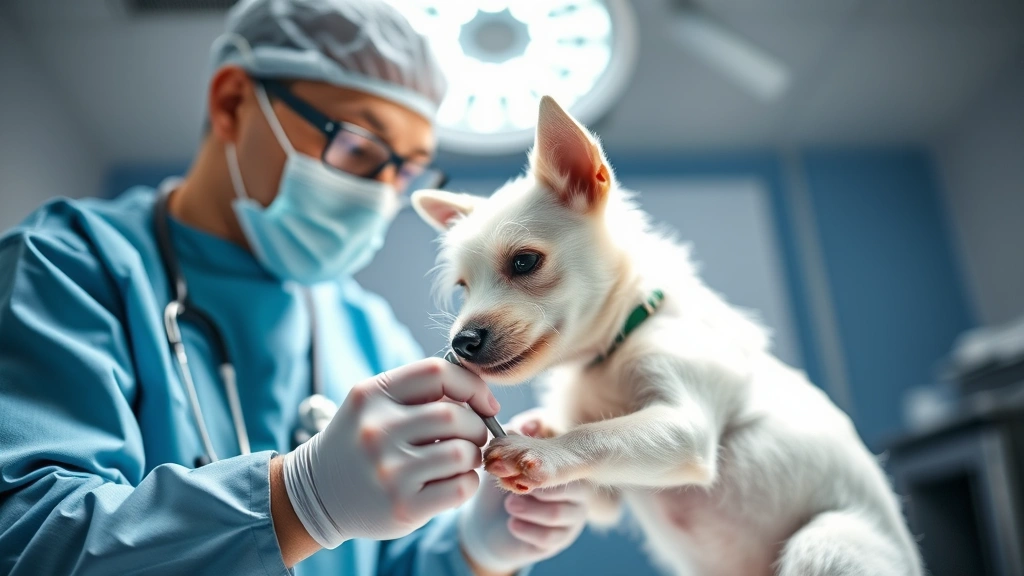
- Post-minor procedure care: After small veterinary procedures, your vet might recommend Neosporin as part of the aftercare routine.
- Preventative wound care: When you catch a potential problem early, a thin application might prevent infection from developing.
However, there are many situations where Neosporin isn’t the right choice. If your dog has puncture wounds, deep lacerations, infected wounds, or any signs of a serious injury, skip the Neosporin and head straight to your veterinarian. These situations require professional evaluation and possibly prescription antibiotics.
Potential Risks and Concerns
While Neosporin is generally safe, several risks warrant your attention before applying it to your dog’s skin.
Ingestion is the primary concern. Dogs love to lick their wounds, and if you apply Neosporin, they’ll likely lick it off. Ingesting small amounts is usually fine, but excessive ingestion could cause stomach upset, vomiting, or diarrhea. Smaller breeds are more vulnerable to complications from ingestion due to their lower body weight.
Allergic reactions, though rare, can happen. Some dogs may be sensitive to one or more of the antibiotic components. Signs of an allergic reaction include excessive itching, redness, swelling, or hives at the application site. If you notice these symptoms, wash off the ointment immediately and contact your vet.
Neomycin sensitivity is documented in both humans and dogs. Research published in veterinary dermatology journals has shown that neomycin can cause contact dermatitis in sensitive individuals. If your dog has a history of skin sensitivities or allergies, discuss Neosporin use with your veterinarian first.
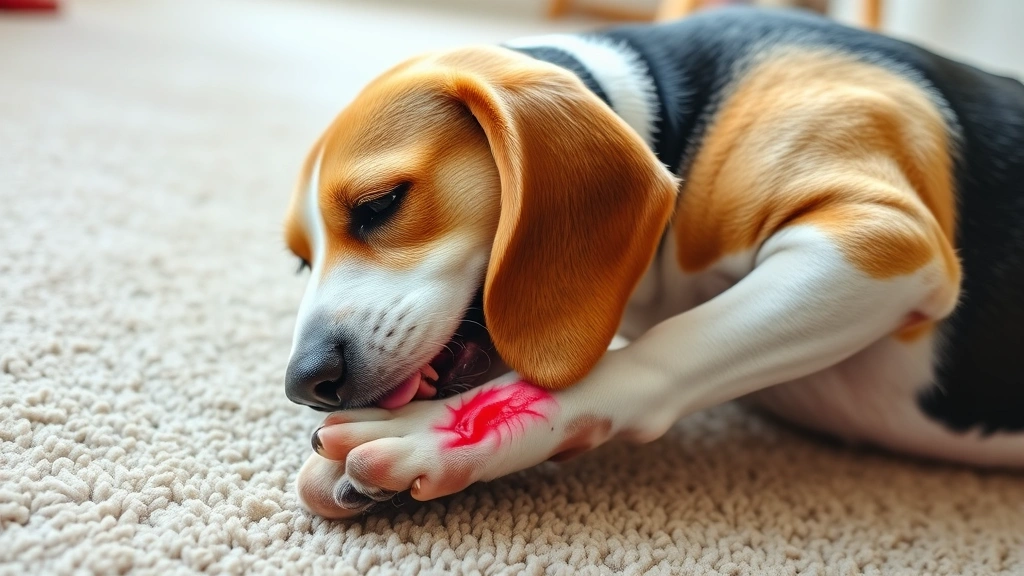
The ointment can trap moisture. Unlike water-based alternatives, the oily base of Neosporin can seal in moisture, potentially creating an environment where bacteria thrive rather than diminish. This is particularly problematic in areas prone to moisture, like between paw pads or in skin folds.
Masking serious infections. Sometimes a wound that looks minor on the surface is actually more serious underneath. Applying Neosporin might mask the problem, delaying necessary veterinary care. If your dog’s wound doesn’t improve within a few days or shows signs of infection (increased redness, swelling, discharge, or odor), seek professional help.
Better Alternatives for Dog Wounds
If you’re hesitant about Neosporin or if your dog’s situation calls for something different, several alternatives are worth considering.
Saline solution rinses: Plain saline solution is excellent for gently cleaning wounds without introducing any chemicals or medications. Simply rinse the wound with saline to remove debris and bacteria. This is often the first step before considering any topical treatment.
Veterinary-approved wound care products: Many companies now manufacture wound care products specifically designed for dogs. These formulations take into account canine skin pH and are less likely to cause issues if ingested. Ask your vet about brands they recommend.
Honey-based treatments: Medical-grade honey has been shown to have antibacterial properties and is safe for dogs. Some veterinarians recommend honey for minor wounds because it’s natural, effective, and less likely to cause problems if licked.
Chlorhexidine solutions: This is a common antiseptic used by veterinarians for wound cleaning. It’s effective against a broad spectrum of bacteria and is often safer for dogs than Neosporin, especially in areas where licking is likely.
For treating dog ear infections without vet intervention initially, or for general ear health, consider how to clean a dog’s ears with appropriate solutions recommended by your veterinarian rather than reaching for Neosporin.
How to Safely Apply Neosporin to Dogs
If you’ve determined that Neosporin is appropriate for your dog’s situation, here’s how to apply it safely:
- Clean the wound first: Use warm water or saline solution to gently clean the area. Remove any dirt, debris, or dried blood. Pat dry with a clean cloth.
- Apply a thin layer: Use just enough Neosporin to lightly coat the wound. You don’t need a thick layer—in fact, less is more when it comes to topical antibiotics on dogs.
- Consider a barrier: If possible, cover the treated area with a bandage or gauze to prevent your dog from licking it off immediately. This gives the medication time to work and reduces ingestion risk.
- Monitor closely: Watch for any signs of irritation, increased licking, or allergic reactions over the next few hours.
- Limit application: Apply Neosporin no more than 2-3 times daily, and only for a few days. If the wound isn’t improving after 3-5 days, contact your veterinarian.
- Use the regular formula only: Never use Neosporin with pain relief (containing lidocaine) or Neosporin Plus on dogs. These formulations contain additional ingredients that aren’t safe for canine use.
One critical rule: never use the formulation containing hydrocortisone on dogs without explicit veterinary approval. Some of these variants can cause problems if absorbed through the skin or ingested.
Frequently Asked Questions
Can I use Neosporin on my dog’s paws?
Yes, you can use Neosporin on minor paw pad abrasions, but be aware that your dog will likely lick it off. If you do apply it, use a small amount and consider wrapping the paw with a bandage to prevent immediate licking. For paw pad injuries, many vets recommend paw balms specifically formulated for dogs instead.
What if my dog licks off the Neosporin?
Small amounts of Neosporin ingestion are typically not harmful. However, if your dog ingests a large quantity, monitor them for signs of gastrointestinal upset such as vomiting, diarrhea, or loss of appetite. Contact your veterinarian if these symptoms develop or if you’re concerned about the amount ingested.
Is Neosporin safe for dogs with sensitive skin?
Dogs with sensitive skin or a history of allergies should avoid Neosporin. The neomycin component can trigger contact dermatitis in sensitive individuals. Consult your veterinarian about alternative wound care options if your dog has sensitive skin.
Can I use Neosporin on my dog’s ears?
The ear canal is a sensitive area, and Neosporin isn’t typically recommended for internal ear use on dogs. If your dog has an ear infection or ear wound, consult your veterinarian for appropriate treatment. They may prescribe ear-specific medications that are safer and more effective.
When should I take my dog to the vet instead of using Neosporin?
Seek veterinary care immediately if your dog has: deep puncture wounds, heavy bleeding that won’t stop, signs of infection (increasing redness, swelling, discharge, or foul odor), wounds caused by bites from other animals, wounds in sensitive areas like eyes or genitals, or any wound that doesn’t improve within 3-5 days of home care.
Are there dog-specific antibiotic ointments I should use instead?
Yes, many veterinary clinics recommend dog-specific topical antibiotics or wound care products. These are formulated with canine skin in mind and are often safer than human products. Ask your veterinarian about recommendations for your specific situation. The American Animal Hospital Association provides resources on appropriate wound care for pets.
Can I prevent the need for Neosporin by keeping my dog’s wounds clean?
Absolutely. Most minor wounds heal best with simple, consistent cleaning. Rinse wounds with cool water or saline solution several times daily. This removes bacteria and promotes healing without introducing any medications that might cause problems.
Is Neosporin toxic to dogs?
Neosporin isn’t inherently toxic to dogs in the quantities typically used for topical application. However, ingesting large amounts could cause gastrointestinal issues. The main concern is preventing your dog from licking it off and ingesting excessive amounts rather than the product itself being toxic.





