
Is Olive Oil Bad for Dogs? What Experts Say
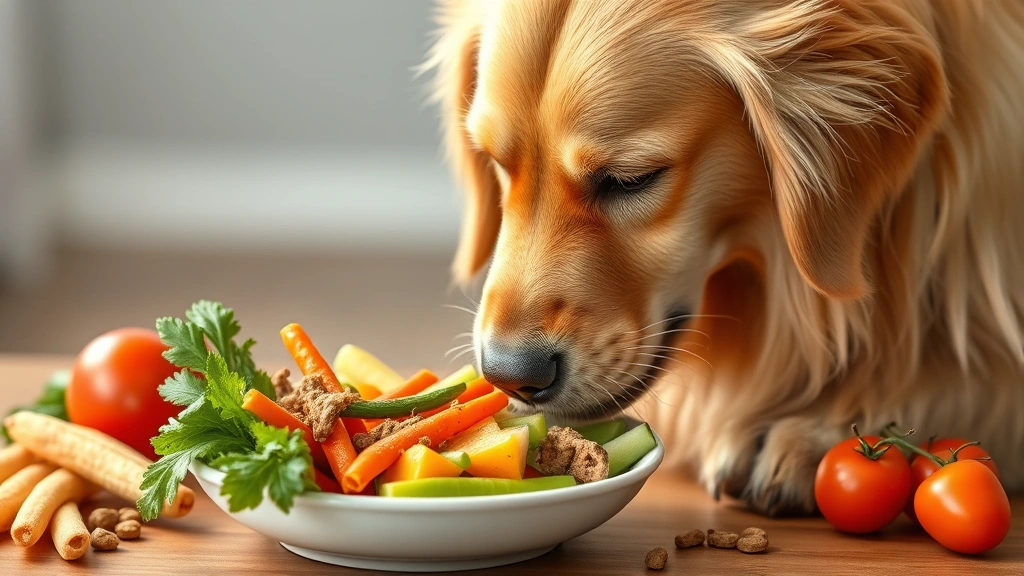
As a pet parent, you want to give your furry friend the best nutrition possible. When you’re cooking with olive oil or preparing homemade dog treats, you might wonder: is olive oil safe for dogs? The short answer is that olive oil isn’t inherently bad for dogs, but like many human foods, it comes with important considerations about quantity, quality, and your individual dog’s health needs.
Many dog owners are curious about adding oils to their pet’s diet, especially after hearing about the health benefits humans enjoy from olive oil. However, dogs have different nutritional requirements than people do, and what’s healthy for us might not always be ideal for them. Understanding the facts about olive oil and canine nutrition can help you make informed decisions about your dog’s diet.
In this comprehensive guide, we’ll explore what veterinarians and nutrition experts say about olive oil for dogs, discuss the potential benefits and risks, and provide practical guidance on how to safely incorporate it into your dog’s routine if you choose to do so.
Is Olive Oil Safe for Dogs?
Yes, olive oil is generally safe for dogs when given in appropriate amounts. According to the American Kennel Club, plain olive oil without additives or seasonings poses no toxicity risk to dogs. However, safety and appropriateness are two different things. Just because something won’t poison your dog doesn’t mean it’s an ideal addition to their diet.
The key to safely giving olive oil to dogs lies in moderation and understanding your individual dog’s digestive system. Some dogs have sensitive stomachs or existing health conditions that make high-fat foods problematic. Before introducing any new food or supplement to your dog’s diet, it’s wise to consult with your veterinarian.
When considering whether to add olive oil to your dog’s meals, think about their overall caloric intake and dietary balance. How much food should I feed my dog is a question many owners ask, and the answer becomes more complex when adding supplemental oils to their existing diet.
Potential Nutritional Benefits
Olive oil contains several compounds that offer potential health benefits for dogs, though research specific to canine nutrition is limited compared to human studies. The primary beneficial components include:
- Omega-9 fatty acids: These monounsaturated fats can support heart health and may help reduce inflammation in the body
- Antioxidants: Olive oil contains polyphenols and vitamin E, which can help combat free radicals and support immune function
- Vitamin E: This fat-soluble vitamin supports skin health, coat quality, and overall cellular function
- Anti-inflammatory properties: Some compounds in olive oil may help reduce joint inflammation, particularly beneficial for aging dogs
For dogs with certain health conditions, such as arthritis or dry skin, small amounts of olive oil might provide some benefit. A study from the ASPCA notes that while research is ongoing, the anti-inflammatory properties of olive oil may support dogs with inflammatory conditions when used appropriately.
Risks and Concerns
While olive oil isn’t toxic, it does present some legitimate concerns for dog owners to consider. Understanding these potential drawbacks helps you make an informed decision about whether to include it in your dog’s diet.
Caloric density and weight gain: Olive oil is extremely calorie-dense, containing about 120 calories per tablespoon. For dogs, especially those prone to weight gain or already overweight, these extra calories can quickly add up. Obesity in dogs is a serious health concern that can lead to diabetes, joint problems, and heart disease.
Digestive upset: Dogs with sensitive digestive systems may experience diarrhea, vomiting, or general gastrointestinal distress when consuming fatty foods. If your dog already has digestive sensitivities, adding oil could make matters worse. For dogs experiencing digestive issues, you might need guidance on what to feed dog with diarrhea specifically formulated for their condition.
Pancreatitis risk: High-fat diets can trigger or exacerbate pancreatitis in susceptible dogs. This is a serious inflammatory condition of the pancreas that requires veterinary attention. Dogs with a history of pancreatitis should definitely avoid olive oil.
Medication interactions: Fatty foods can interfere with the absorption of certain medications. If your dog is on prescription medications, discuss any dietary additions with your vet first.
Nutritional imbalance: Adding oils to your dog’s diet without professional guidance could throw off the balance of nutrients they receive, particularly if they’re already eating a complete and balanced commercial dog food.

How Much Olive Oil Can Dogs Have?
If your veterinarian approves olive oil for your dog, the appropriate amount depends on your dog’s size, age, and overall health status. General guidelines suggest:
- Small dogs (under 10 lbs): No more than ¼ teaspoon per day
- Medium dogs (10-50 lbs): No more than ½ to 1 teaspoon per day
- Large dogs (over 50 lbs): No more than 1 to 2 teaspoons per day
These are maximum amounts and should only be used occasionally, not daily. Many veterinarians recommend treating olive oil as an occasional addition rather than a daily supplement. Start with even smaller amounts to see how your dog’s digestive system responds.
It’s important to remember that these amounts should be factored into your dog’s total daily caloric intake. If you’re adding olive oil to your dog’s food, you may need to reduce their regular food portions slightly to prevent excessive calorie consumption. Understanding how much food should I feed my dog becomes even more critical when supplementing with high-calorie additions.
Best Practices for Serving
If you decide to give your dog olive oil with your veterinarian’s approval, follow these best practices to minimize risks:
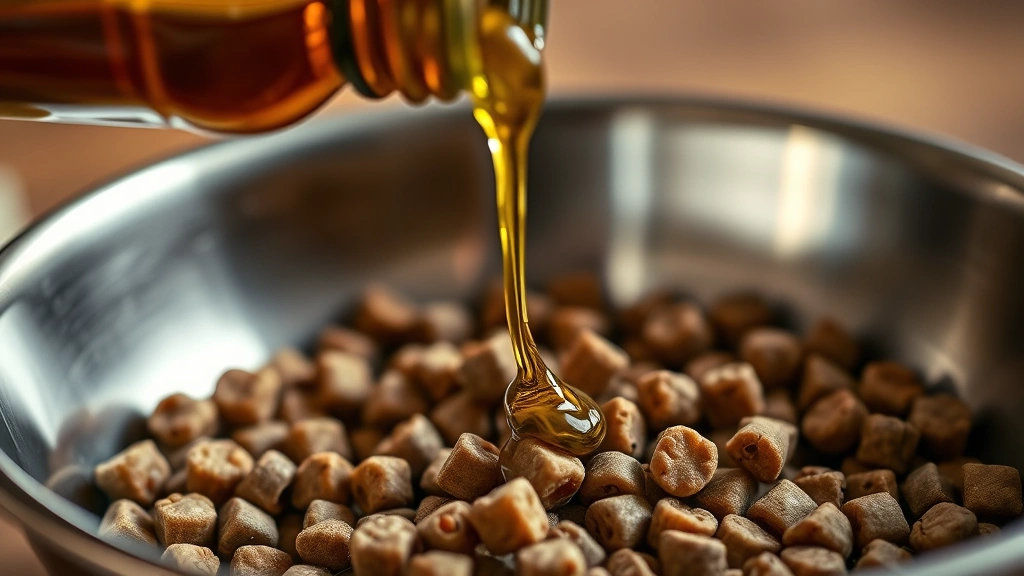
- Choose high-quality olive oil: Use extra virgin, cold-pressed olive oil without any additives, seasonings, or garlic. Flavored oils can contain ingredients toxic to dogs.
- Start slowly: Begin with just a few drops mixed into their regular food to allow their digestive system to adjust.
- Mix thoroughly: Never give olive oil straight to your dog. Always mix it into their food so it’s distributed throughout the meal.
- Monitor closely: Watch for any signs of digestive upset, including loose stools, vomiting, or decreased appetite.
- Maintain consistency: If you’re going to give olive oil, do so on a regular schedule rather than sporadically, which is less likely to upset their system.
- Keep records: Track when you give olive oil and any changes in your dog’s condition to share with your vet.
- Never force it: If your dog doesn’t like the taste or shows signs of digestive distress, discontinue immediately.
For dogs with existing stomach sensitivities, you might also want to explore other options for what can you give a dog for upset stomach that are gentler and less likely to cause additional digestive issues.
Healthy Oil Alternatives
If you’re interested in adding beneficial oils to your dog’s diet, several alternatives might be worth discussing with your veterinarian:
Fish oil: Rich in omega-3 fatty acids, fish oil is often recommended by vets for dogs with joint problems, skin issues, or inflammatory conditions. It typically has better research backing its use in dogs compared to olive oil.
Coconut oil: Some advocates promote coconut oil for dogs, though research on its benefits is mixed and some concerns about its saturated fat content exist for certain dogs.
If you’re curious about other oils, you might wonder about can dogs have avocado oil, which is another question many pet owners ask. Similarly, is coconut water good for dogs is worth exploring if you’re interested in plant-based supplements.
The most important thing is to only add any oil or supplement to your dog’s diet under veterinary guidance. Your vet can recommend the best option based on your dog’s specific health needs and existing diet.
When to Avoid Olive Oil
Certain dogs should definitely not receive olive oil, including:
- Dogs with pancreatitis: High-fat foods can trigger or worsen this serious condition
- Dogs with sensitive stomachs: Those prone to diarrhea or vomiting should avoid fatty additions
- Obese dogs: Extra calories can worsen weight problems
- Dogs on certain medications: Fatty foods can interfere with medication absorption
- Dogs with gallbladder disease: Fat can exacerbate this condition
- Puppies with certain breed predispositions: Some large breed puppies are prone to pancreatitis and shouldn’t have high-fat foods
- Senior dogs with multiple health conditions: Older dogs often have complex health needs that make dietary additions risky
When in doubt, err on the side of caution and consult your veterinarian. They know your dog’s complete health history and can provide personalized recommendations.
Frequently Asked Questions
Can I give my dog olive oil for dry skin?
While olive oil’s vitamin E content might theoretically help with skin health, there are better options available. Talk to your vet about fish oil or prescription supplements specifically formulated for skin health in dogs. These are often more effective and better researched for canine use.
Is olive oil toxic to dogs?
No, olive oil itself is not toxic to dogs. However, toxicity and safety are different concepts. Just because something isn’t poisonous doesn’t mean it’s appropriate for your dog’s diet. Olive oil can cause digestive upset and other issues in some dogs.
How do I know if olive oil is bothering my dog?
Signs that olive oil isn’t agreeing with your dog include loose stools or diarrhea, vomiting, decreased appetite, abdominal discomfort, or lethargy. If you notice any of these symptoms, stop giving olive oil immediately and contact your veterinarian.
Can I cook with olive oil for my dog’s food?
Cooking with olive oil for your dog is generally not recommended. Heating olive oil changes its composition and can create compounds that may be less beneficial or potentially harmful. If you want to incorporate olive oil, add it to already-prepared food rather than cooking with it.
What’s the difference between olive oil and other cooking oils for dogs?
Different oils have different fat compositions and nutritional profiles. Some oils are higher in omega-3 fatty acids (like fish oil), while others are primarily monounsaturated fats (like olive oil). Your vet can help you choose the best option for your dog’s specific needs.
Should I give my dog olive oil daily?
Daily olive oil supplementation is not typically recommended for most dogs. Even small amounts should be given only occasionally unless specifically recommended by your veterinarian for a particular health condition. Most dogs do fine without any oil supplementation.
Can puppies have olive oil?
Puppies should generally avoid olive oil. Their developing digestive systems are more sensitive, and they need a carefully balanced diet to support proper growth. Never add olive oil to a puppy’s diet without explicit veterinary approval.
What should I do if my dog accidentally consumed a large amount of olive oil?
If your dog consumed a significant quantity of olive oil, monitor them closely for signs of digestive upset. Contact your veterinarian if you notice vomiting, severe diarrhea, or other concerning symptoms. In most cases, a one-time consumption of excess olive oil won’t cause lasting harm, but professional guidance is important.





