
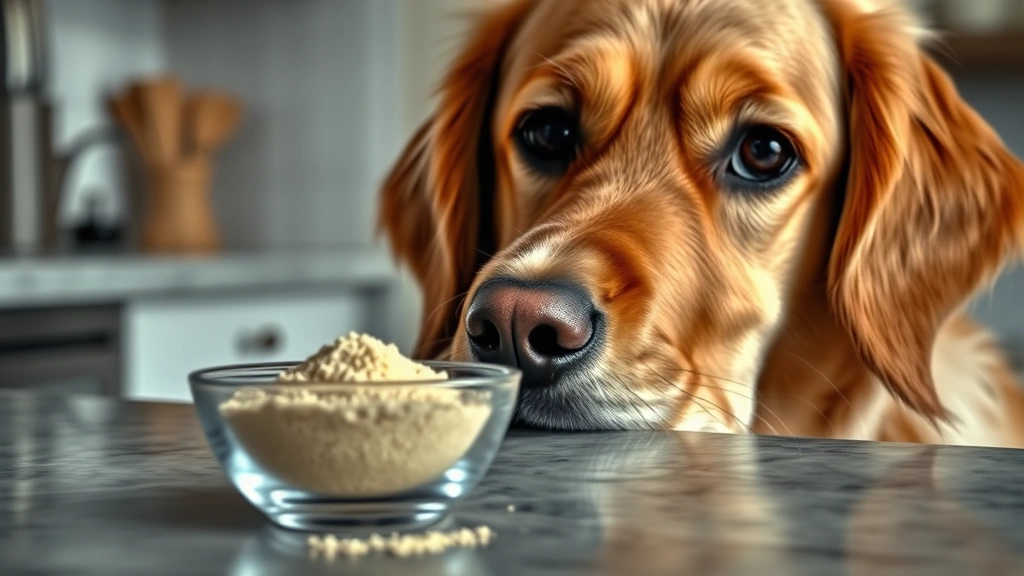
Is onion powder bad for dogs? Yes, absolutely—and it’s way more dangerous than most pet parents realize. While that sprinkle of seasoning might seem harmless, onion powder is actually more concentrated and toxic than fresh onions, making it a serious threat to your furry friend’s health. Let’s break down exactly why this common kitchen ingredient belongs nowhere near your dog’s food bowl.
Table of Contents
- Why Onion Powder Is Toxic to Dogs
- Understanding Allium Toxicity in Canines
- Symptoms of Onion Powder Poisoning in Dogs
- Common Foods Containing Hidden Onion Powder
- How Much Onion Powder Is Dangerous?
- What to Do If Your Dog Ate Onion Powder
- Preventing Accidental Onion Powder Exposure
- Safe Seasoning Alternatives for Your Dog’s Food
- Understanding onion toxicity in pets Beyond Dogs
- When to Call the Vet vs. Poison Control
- Frequently Asked Questions
- Bottom Line: Keep Onion Powder Away From Your Dog
Why Onion Powder Is Toxic to Dogs
Onion powder contains compounds called thiosulfates that attack your dog’s red blood cells, causing a condition called hemolytic anemia. Here’s the kicker: onion powder is roughly 5-10 times more potent than fresh onions because the dehydration process concentrates these toxic compounds. A tiny teaspoon can pack the same punch as several cloves of fresh onion.
When thiosulfates enter your dog’s bloodstream, they damage the protective coating of red blood cells, causing them to break down prematurely. Your pup’s body can’t replace these cells fast enough, leading to anemia and potentially life-threatening complications. This applies to all dogs, regardless of breed, age, or size—though smaller dogs may show symptoms faster.
Understanding Allium Toxicity in Canines
Onion powder falls into a plant family called Allium, which includes garlic, leeks, chives, and shallots. All members of this family contain thiosulfates, but onion powder deserves special attention because pet owners often underestimate its danger. The concentrated nature of the powder means your dog needs to ingest far less to experience toxic effects compared to fresh onions.
The toxic dose for dogs is approximately 0.5% of their body weight. For a 20-pound dog, that’s just 1.6 ounces of onion powder—less than what you’d find in a single seasoned meal. This is why even “just a little bit” from your dinner plate can be problematic.

Symptoms of Onion Powder Poisoning in Dogs
Your dog won’t immediately collapse after eating onion powder, but symptoms typically emerge within 24-72 hours. Watch for these red flags:
- Lethargy and weakness: Your energetic pup becomes sluggish and uninterested in play
- Pale gums: Check your dog’s mouth—healthy gums should be pink, not pale or white
- Vomiting and diarrhea: Gastrointestinal distress is common
- Decreased appetite: Your dog refuses meals or treats
- Shortness of breath: Labored breathing indicates severe anemia
- Dark-colored urine: A sign that red blood cells are breaking down
- Jaundice: Yellowing of eyes, gums, and ears (severe cases)
If you notice any combination of these symptoms after your dog has eaten seasoned food, contact your vet immediately. Don’t wait to see if symptoms improve on their own.
Common Foods Containing Hidden Onion Powder
This is where things get sneaky. Many human foods contain onion powder as a flavoring agent, and pet parents often don’t realize they’re poisoning their dogs. Here are the usual suspects:
- BBQ sauce and marinades
- Seasoning blends and dry rubs
- Processed deli meats and sausages
- Canned soups and broths
- Salsa and hot sauce
- Gravy mixes
- Chip seasonings
- Takeout and restaurant food
- Beef jerky and pet treats from unknown sources
The problem is that onion powder often appears in “hidden” amounts on ingredient labels, sometimes listed simply as “spices” or “flavoring.” Always check labels before sharing human food with your pup, and when in doubt, assume it contains onion powder and skip it entirely.

How Much Onion Powder Is Dangerous?
The toxic threshold varies slightly depending on individual dog sensitivity, but veterinarians generally agree that any amount of onion powder should be considered dangerous. However, here’s the practical breakdown:
For a 10-pound dog: Just 0.8 ounces (about 2-3 teaspoons) of onion powder could cause toxicity.
For a 50-pound dog: Approximately 4 ounces (roughly 8-10 tablespoons) could be problematic, though symptoms might appear with less.
The challenge is that accidental ingestion often happens in smaller amounts spread across multiple exposures. A dog that eats seasoned table scraps three times a week might accumulate enough thiosulfates to trigger anemia without a single dramatic incident.

What to Do If Your Dog Ate Onion Powder
Stay calm, but act quickly. Here’s your action plan:
Step 1: Determine the amount. Figure out roughly how much onion powder your dog consumed and when. Check the ingredient label if possible.
Step 2: Contact your vet or poison control immediately. Call the Pet Poison Hotline (888-426-4435) or your veterinarian right away. They can assess the risk based on your dog’s weight and the amount ingested.
Step 3: Don’t induce vomiting without professional guidance. While inducing vomiting might seem logical, it’s not always the right move for onion powder poisoning. Your vet will advise whether it’s appropriate.

Step 4: Monitor closely for symptoms. Watch your dog over the next 72 hours for any signs of illness. Document everything—appetite changes, energy levels, bathroom habits, gum color.
Step 5: Seek veterinary care if symptoms appear. If your dog shows any symptoms of onion toxicity, get to the vet immediately. Treatment may include IV fluids, blood transfusions, or supportive care depending on severity.
Preventing Accidental Onion Powder Exposure
The best medicine is prevention. Here’s how to keep your dog safe from this toxic ingredient:
- Never share seasoned table scraps: Even “just a little bite” from your plate can be dangerous
- Read all labels: Check every ingredient on packaged foods before offering them to your dog
- Be cautious with restaurant food: Most restaurant meals contain onion powder or fresh onions
- Educate family and guests: Make sure everyone knows that onion powder is toxic to dogs
- Store seasonings safely: Keep spice containers out of reach
- Use dog-safe alternatives: Season your dog’s food with dog-friendly herbs like parsley or turmeric (in moderation)
- Check treat ingredients: Some commercial dog treats contain onion powder—read the label
Safe Seasoning Alternatives for Your Dog’s Food
Just because your dog can’t have onion powder doesn’t mean their food has to be bland. Check out our guide on spices safe for pets for creative flavor options. Some dog-friendly seasonings include:

- Turmeric: Anti-inflammatory and delicious (use sparingly)
- Ginger: Great for digestion
- Cinnamon: Natural sweetness without sugar
- Parsley: Freshens breath and adds flavor
- Basil: Safe and aromatic
- Carrots and sweet potato: Natural sweetness
For creative meal ideas, check out our seasonal treat recipes for pets that use safe ingredients.
Understanding onion toxicity in pets Beyond Dogs
While this article focuses on dogs, it’s worth noting that onion powder is equally dangerous for cats, horses, and other pets. Cats are actually even more sensitive than dogs due to their smaller size and different metabolism. If you have multiple pets, treat onion powder as a universal threat to all of them.
When to Call the Vet vs. Poison Control
Both resources are valuable, but here’s when to use each:
Call your vet if: Your dog ate onion powder within the last hour (they might induce vomiting), or if you need follow-up care after initial treatment.
Call Poison Control if: It’s after hours and your vet isn’t available, you’re unsure about the amount ingested, or you need immediate guidance on next steps.
Frequently Asked Questions
Can a small amount of onion powder hurt my dog?
Yes. Even small amounts can be dangerous because onion powder is highly concentrated. A single teaspoon could be problematic for a small dog. Never assume “just a little” is safe—any amount should be treated as a potential toxin.
Is garlic powder also toxic to dogs?
Absolutely. Garlic powder is similarly toxic to onion powder and contains the same thiosulfates. In fact, garlic is considered slightly more potent than onions, so treat it with the same caution or greater.
What if my dog ate onion powder weeks ago and seems fine?
Toxicity from onion powder can develop slowly with repeated exposure, or it might not cause noticeable symptoms in some dogs. However, if your dog was exposed weeks ago and shows no symptoms now, they likely ingested a small enough amount to avoid serious harm. Going forward, eliminate all exposure to prevent cumulative damage.

Can onion powder toxicity be cured?
With prompt veterinary treatment, many cases of onion powder toxicity can be managed successfully. Treatment focuses on supporting the dog’s body while it recovers—IV fluids, blood transfusions if needed, and monitoring. The prognosis depends on how quickly treatment begins and the severity of the anemia.
Are there any dog breeds more susceptible to onion powder toxicity?
No breed is immune, but smaller dogs may show symptoms faster because they need to ingest less to reach toxic doses. Japanese dog breeds like Akitas and Shiba Inus may have a genetic predisposition to hemolytic anemia, making them potentially more vulnerable, though all dogs are at risk.
What’s the difference between onion powder and fresh onions?
Fresh onions contain thiosulfates, but onion powder is 5-10 times more concentrated due to the dehydration process. This means your dog needs to eat far less onion powder to experience toxicity compared to fresh onions. Both are dangerous, but onion powder is the more serious threat.
Bottom Line: Keep Onion Powder Away From Your Dog
Is onion powder bad for dogs? There’s no gray area here—it’s absolutely toxic and should never be part of your dog’s diet. The concentrated thiosulfates in onion powder can damage your dog’s red blood cells, leading to anemia and potentially life-threatening complications. Even small amounts hidden in seasoned foods pose a real risk.
Your best defense is awareness. Read labels, avoid sharing human food, and educate everyone in your household about this danger. If your dog accidentally ingests onion powder, contact your vet or poison control immediately. With quick action, most dogs recover well from accidental exposure.
Keep your pup safe by sticking to dog-friendly foods and seasonings. Your furry friend’s health is worth the extra caution, and there are plenty of delicious alternatives that won’t put them at risk. When in doubt, leave it out—your dog’s wagging tail will thank you.





