
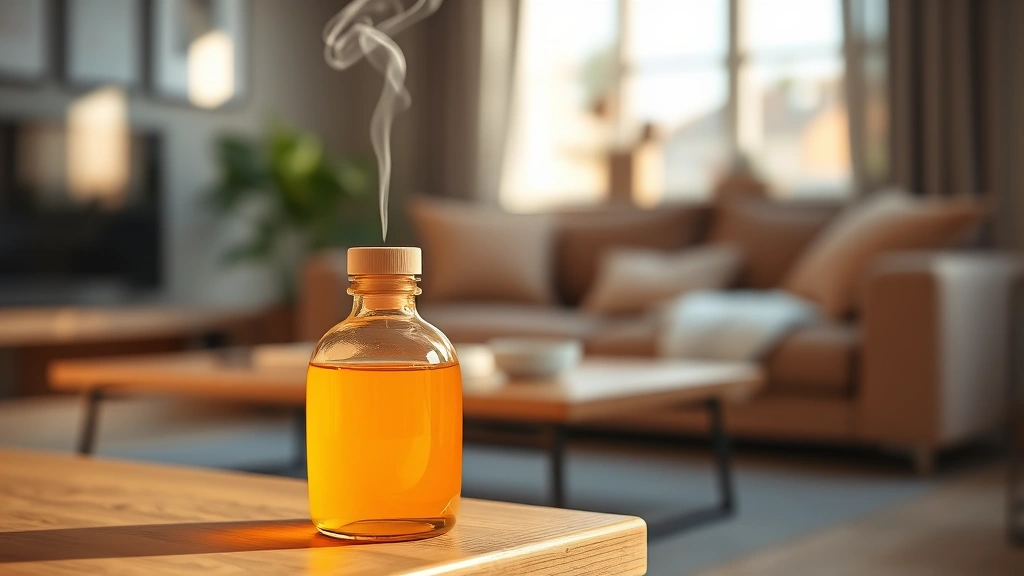
So, is orange essential oil safe for dogs? Short answer: nope, keep that bottle away from your furry friend. But before you panic if Fido got a whiff of your diffuser, let’s dig into the nitty-gritty of why citrus oils are basically kryptonite for pups and what you should actually do about it.
Table of Contents
- Why Dogs and Orange Essential Oil Don’t Mix
- Understanding Essential Oil Toxicity in Dogs
- Orange Oil and Skin Sensitivity
- Inhalation Risks from Diffusers and Air Fresheners
- What About Orange Juice and Natural Orange?
- Signs Your Dog Has Been Exposed to Orange Essential Oil
- Safe Alternatives to Orange Essential Oil for Your Home
- What Vets Say About Essential Oils and Dogs
- If Your Dog Ingests Orange Essential Oil: Action Steps
- Creating a Dog-Safe Home Fragrance Strategy
- Understanding Your Dog’s Sense of Smell
- Frequently Asked Questions
- Final Thoughts: Keep Your Dog Safe
Why Dogs and Orange Essential Oil Don’t Mix
Orange essential oil contains compounds called limonene and linalool—fancy names for stuff that smells amazing to humans but wreaks havoc on your dog’s system. Dogs lack certain liver enzymes that help break down these compounds, making them way more susceptible to toxicity than we are. It’s not personal; it’s just chemistry. When your dog encounters orange essential oil, whether through inhalation, ingestion, or skin contact, these compounds accumulate in their body faster than a golden retriever accumulates toys.
The concentration matters too. A tiny sniff of your orange-scented candle? Probably fine. Your dog drinking a bottle of concentrated oil? That’s a veterinary emergency. Most essential oils sold for diffusers are highly concentrated—we’re talking 100 times stronger than the actual fruit.
Understanding Essential Oil Toxicity in Dogs
Let’s talk toxicity levels because understanding the severity helps you stay calm if an accident happens. Essential oil poisoning in dogs ranges from mild to severe, depending on the amount and concentration. Mild cases might involve some drooling or mild gastrointestinal upset. Moderate cases can include vomiting, diarrhea, tremors, and loss of coordination. Severe cases? We’re looking at seizures, respiratory depression, and potentially liver damage.
The problem is that essential oil safety for pets isn’t always straightforward. Some dogs might show symptoms immediately; others might take hours. This unpredictability is exactly why vets recommend avoiding essential oils around dogs altogether. It’s not worth playing Russian roulette with your pet’s health.
Orange Oil and Skin Sensitivity
Here’s something many pet owners don’t realize: even if your dog doesn’t ingest orange essential oil, topical exposure can cause problems. Dogs have thinner skin than humans, and their skin pH is different, making them more susceptible to irritation. If you apply orange oil to your dog’s skin—maybe thinking it’ll help with fleas or something—you’re looking at potential dermatitis, redness, and inflammation.
Some well-meaning pet parents dilute essential oils thinking that makes them safe. Spoiler alert: it doesn’t. Even diluted orange essential oil can still cause issues because the problem isn’t just concentration; it’s that dogs’ bodies fundamentally can’t process these compounds efficiently. A 10% dilution is still too much for most dogs.
Inhalation Risks from Diffusers and Air Fresheners
Those fancy diffusers that make your home smell like a citrus grove? They’re pumping aerosolized essential oil particles into the air your dog breathes. While a single exposure to a diffuser running for an hour probably won’t cause acute toxicity, chronic exposure is another story. Imagine your dog breathing in low levels of limonene and linalool every single day—that’s a recipe for cumulative toxicity.
Symptoms of inhalation exposure include coughing, difficulty breathing, nasal irritation, and lethargy. Some dogs might hide or seem anxious when the diffuser is running because they instinctively know something’s off. Trust your dog’s behavior—if they’re avoiding a room with your diffuser, that’s their way of saying “no thanks.”
For more information on keeping your home safe, check out our guide on pet food safety, which covers environmental toxins too.
What About Orange Juice and Natural Orange?
Here’s where people get confused: actual oranges aren’t as problematic as essential oils. A slice of orange? Your dog probably won’t die. The natural oils in the fruit are present in much lower concentrations than in essential oils. However, oranges still contain limonene, just not in dangerous amounts for most dogs.
That said, oranges are high in sugar and acid, which can upset your dog’s stomach and potentially cause digestive issues. Plus, the pith and seeds can be choking hazards. So while a tiny piece of orange flesh won’t poison your dog, it’s not exactly a health food either. If you want to give your dog a treat, stick to dog-safe fruits like apples or blueberries.
Signs Your Dog Has Been Exposed to Orange Essential Oil
Knowing the warning signs can save your dog’s life. Watch for these symptoms if you suspect essential oil exposure: excessive drooling, vomiting, diarrhea, tremors, weakness, difficulty walking, loss of appetite, lethargy, and respiratory distress. Some dogs might also show behavioral changes like anxiety, restlessness, or unusual aggression.

The timeline matters—symptoms can appear within 30 minutes to several hours after exposure. If you notice any of these signs and you know your dog has been around orange essential oil, don’t wait around hoping it’ll pass. Call your vet immediately. Time is critical in toxicity cases, and early intervention can prevent serious complications.
Safe Alternatives to Orange Essential Oil for Your Home
Want your home to smell fresh without poisoning your pup? Great news: plenty of dog-safe options exist. Open windows for natural ventilation. Use unscented candles (though supervise so your dog doesn’t eat them). Try baking soda in a bowl to absorb odors. Simmer actual orange peels in water on the stove—you get the scent without the concentrated oils.
If you absolutely must use essential oils, keep them in a completely sealed container in a room your dog never enters, and never use a diffuser around your pup. Some oils like chamomile or lavender are considered “less toxic” than citrus oils, but that doesn’t mean they’re safe—it just means they’re slightly less dangerous. When it comes to your dog’s health, “less dangerous” isn’t good enough.
What Vets Say About Essential Oils and Dogs
The American Veterinary Medical Association (AVMA) and the ASPCA both recommend avoiding essential oils around pets entirely. The Pet Poison Helpline receives thousands of calls annually about essential oil toxicity in dogs. These aren’t fringe concerns—they’re mainstream veterinary consensus.
According to the American Kennel Club, essential oils are among the top household toxins affecting dogs. Veterinarians consistently advise pet owners to treat essential oils as hazardous substances, similar to cleaning products or medications. If a vet tells you it’s okay to use essential oils around your dog, get a second opinion.
If Your Dog Ingests Orange Essential Oil: Action Steps
Panic is normal, but here’s what you actually need to do: First, don’t induce vomiting unless a vet tells you to—some substances cause more damage coming back up. Call your veterinarian or the ASPCA Animal Poison Control Center immediately (888-426-4435). Have the essential oil bottle handy so you can tell them the exact product and concentration.
Provide your dog’s weight and the approximate amount ingested. Don’t assume it’s fine because your dog seems okay—some toxins cause delayed symptoms. Transport your dog to the vet even if they seem normal. Treatment might include activated charcoal, IV fluids, monitoring, or supportive care depending on severity.
For more on pet safety and dietary concerns, check out our article on garlic toxicity in pets, which covers similar poisoning scenarios.
Creating a Dog-Safe Home Fragrance Strategy
You don’t have to live in a stinky house to keep your dog safe. The key is choosing fragrance methods that don’t involve concentrated essential oils. Fresh air is your best friend—open windows daily, even in winter. Use enzymatic cleaners designed for pet odors; they actually break down the source rather than masking it.
Baking soda is genuinely magical for odor control. Sprinkle it on carpets, let it sit 15 minutes, then vacuum. For your dog’s bedding, wash it regularly and add a drop of unscented laundry detergent. Coffee grounds in a bowl absorb odors naturally. Activated charcoal does the same thing. These methods cost pennies and won’t send your dog to the emergency vet.
If you want something that smells nice, grow dog-safe herbs like mint or basil in your home. The natural scent is mild and won’t concentrate in your dog’s lungs. Check out our guide on herbs safe for pets for more options.
Understanding Your Dog’s Sense of Smell
Here’s a fun fact that might change your perspective: your dog’s sense of smell is 10,000 to 100,000 times more sensitive than yours. That “light citrus scent” you’re enjoying? Your dog is experiencing it at nuclear levels. When you diffuse orange essential oil, you’re not just exposing your dog to a pleasant aroma—you’re overwhelming their sensory system with a chemical assault.

This is why even if orange essential oil wasn’t toxic, diffusers would still be problematic for dogs. They’re sensory torture devices for creatures whose noses are their primary way of understanding the world. Respect your dog’s olfactory system and skip the diffuser.
Frequently Asked Questions
Can I use orange essential oil on my dog’s skin to treat fleas?
Absolutely not. Never apply essential oils directly to your dog’s skin. For flea treatment, use veterinarian-approved products like topical treatments, oral medications, or flea shampoos designed for dogs. These are proven safe and effective. Essential oils are neither.
What if my dog only got a tiny lick of orange essential oil?
Even a small amount can be problematic, especially for small dogs. Call your vet or poison control to report the incident. They’ll assess based on your dog’s weight and the oil’s concentration. Don’t wait for symptoms to appear—get professional guidance immediately.
Is orange essential oil safer than other essential oils for dogs?
Not really. Citrus oils (orange, lemon, lime, grapefruit) are all toxic to dogs due to limonene content. Other oils like tea tree, eucalyptus, and peppermint are also dangerous. There’s no “safe” essential oil for regular use around dogs.
Can I diffuse orange essential oil in a room my dog doesn’t enter?
Technically, if your dog never enters that room, the risk is lower. But why take the chance? If your dog accidentally gets into that room or if you carry the scent on your clothes, you’ve created an unnecessary risk. Choose dog-safe fragrance methods instead.
What should I do if my dog seems anxious around my diffuser?
Your dog is telling you something is wrong. Stop using the diffuser immediately. Your dog’s anxiety is a warning sign that the essential oil is bothering them. This is your cue to switch to a safer fragrance method.
Are essential oil diffuser necklaces safe for dogs?
No. If you’re wearing a diffuser necklace around your dog, you’re exposing them to concentrated essential oils throughout the day. Your dog might nuzzle against you, inhale the scent, or chew on the necklace. Remove it when you’re around your pet.
Can I use orange essential oil in a closed room with air purifiers?
Air purifiers help but don’t eliminate the risk entirely. If your dog somehow gets into that room, they’re exposed. Plus, essential oil particles can linger on furniture and fabric. It’s better to avoid essential oils altogether than to rely on ventilation to make them safe.
Final Thoughts: Keep Your Dog Safe
Here’s the bottom line: is orange essential oil safe for dogs? No. Not even a little bit. Not even diluted. Not even in a “closed room.” The risk-to-benefit ratio is completely skewed. Your home smelling like a citrus grove isn’t worth your dog’s health.
The good news? You have tons of alternatives. Your dog will be happier breathing fresh air than inhaling concentrated essential oils. Your home can smell fresh without toxic diffusers. And your dog gets to live without the constant threat of chemical poisoning in their own home.
If you’ve been using essential oils around your dog, stop now and monitor them for symptoms. If you’re considering it, choose a safer option instead. Your vet will thank you, your dog will thank you (silently, in dog language), and you’ll sleep better knowing your pet is actually safe.
For more guidance on keeping your dog healthy, consider reaching out for a virtual vet consultation for diet questions if you’re unsure about other potential toxins in your home.





