
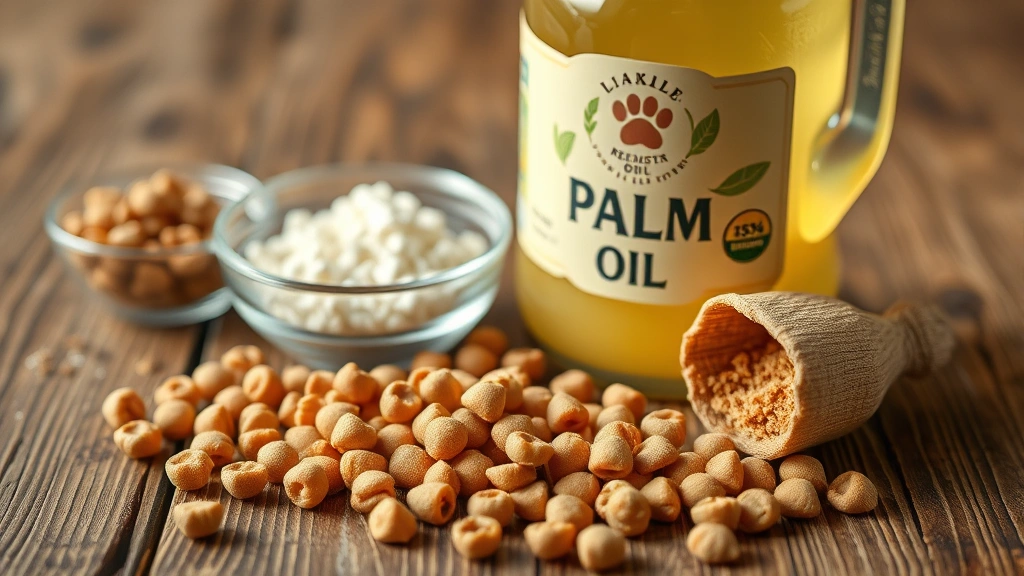
Is palm oil bad for dogs? The short answer is: it’s complicated, and honestly, it depends on the amount and your pup’s digestive system. But stick around because we’re about to break down everything you need to know about this controversial ingredient lurking in your dog’s treats and food.
Table of Contents
- What Exactly Is Palm Oil and Why Is It Everywhere?
- Is Palm Oil Toxic to Dogs?
- Digestive Problems and Pancreatitis Risks
- Reading Labels: Spotting Palm Oil in Dog Food
- Palm Oil Versus Other Problematic Ingredients
- Individual Dog Sensitivity and Risk Factors
- Environmental and Ethical Concerns
- Better Alternatives to Palm Oil-Heavy Products
- What to Do If Your Dog Has Already Consumed Palm Oil
- Making Smart Choices for Your Dog’s Diet
- Frequently Asked Questions
- Conclusion: Prioritize Your Dog’s Health
What Exactly Is Palm Oil and Why Is It Everywhere?
Palm oil is a vegetable oil extracted from the fruit of oil palm trees, primarily grown in Southeast Asia. It’s cheap, versatile, and has a high melting point, making it perfect for pet food manufacturers who want products that stay shelf-stable for months. You’ll find it in dog treats, kibble, and even some wet foods. The stuff is basically the sneaky ingredient that nobody talks about at the dog park, but it’s definitely there.
The real problem isn’t just what palm oil does to your dog—it’s also what palm oil production does to the environment and wildlife habitats. But that’s a conversation for another day. Right now, let’s focus on Fido’s health.
Is Palm Oil Toxic to Dogs?
Here’s the good news: palm oil itself isn’t technically toxic to dogs. It won’t poison your pup or cause immediate harm like chocolate or xylitol would. Your dog won’t end up at the emergency vet because they ate a treat with palm oil in it. However, “not toxic” doesn’t mean “totally safe” or “nutritionally beneficial.” It’s kind of like how french fries aren’t poisonous to humans, but we shouldn’t make them a dietary staple.

Palm oil is high in saturated fat, which is where things get dicey for our four-legged friends. Dogs don’t process excessive saturated fat the same way humans do, and too much of it can lead to some pretty uncomfortable digestive issues.
Digestive Problems and Pancreatitis Risks
The biggest concern with palm oil in dog food is its potential to trigger digestive upset and, in more serious cases, pancreatitis. Pancreatitis is inflammation of the pancreas, and it’s no joke. Symptoms include vomiting, diarrhea, abdominal pain, and lethargy. Some dogs are more susceptible than others, especially breeds prone to pancreatic issues or dogs that are overweight.
If your dog has a sensitive stomach or a history of pancreatitis, you’ll want to avoid dog foods and treats loaded with palm oil. Even if your dog seems fine now, regularly feeding high-fat products could be playing with fire. According to PetMD, dietary fat is one of the primary triggers for pancreatitis in dogs, making ingredient transparency absolutely critical.

Reading Labels: Spotting Palm Oil in Dog Food
The tricky part? Palm oil hides under various names on ingredient lists. You might see it labeled as:
- Palm oil
- Palmitic acid
- Palm kernel oil
- Vegetable oil (sometimes)
- Animal fat (sometimes)
- Hydrogenated vegetable oil
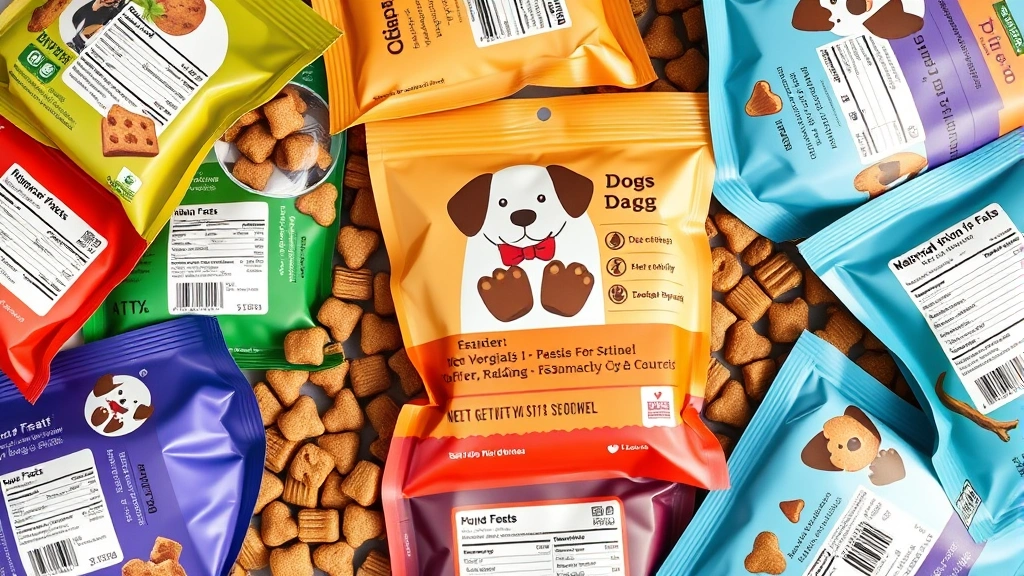
This is why you need to become a label detective. Don’t just glance at the front of the package where it says “natural” or “wholesome.” Flip that bag over and actually read the ingredients. Your dog’s health depends on it. When shopping for sustainable dog food options, many eco-conscious brands actually avoid palm oil altogether, which is a bonus.
Palm Oil Versus Other Problematic Ingredients
Let’s put this in perspective. While palm oil isn’t great, it’s definitely not as dangerous as some other ingredients you should absolutely avoid. Xylitol, for example, is genuinely toxic and can cause severe hypoglycemia and liver failure. Chocolate contains theobromine, which is poisonous to dogs. Grapes and raisins can cause kidney failure. Palm oil? It’s more of a “slow burn” concern than an emergency situation.

That said, just because something isn’t as bad as chocolate doesn’t mean you should ignore it. Think of palm oil as the junk food equivalent for dogs—not immediately dangerous, but not something you want making up a significant portion of their diet. If you’re trying to find better alternatives, explore organic pet treats that prioritize ingredient quality.
Individual Dog Sensitivity and Risk Factors
Here’s where it gets personal: not all dogs react to palm oil the same way. Some pups could eat treats loaded with palm oil for years without issues, while others might get an upset stomach after just one treat. Several factors influence your dog’s risk level:
- Age: Puppies and senior dogs have more sensitive digestive systems
- Breed predisposition: Certain breeds like Schnauzers, Terriers, and Poodles are more prone to pancreatitis
- Weight: Overweight dogs are at higher risk for pancreatitis
- Existing health conditions: Dogs with diabetes, hypothyroidism, or GI issues should avoid high-fat foods
- Individual sensitivity: Some dogs just have finicky stomachs
If your dog falls into any of these categories, being cautious about palm oil intake makes sense. According to the American Kennel Club, understanding your individual dog’s needs is essential for long-term health management.

Environmental and Ethical Concerns
Okay, so your dog might survive palm oil without major health issues. But let’s talk about the bigger picture. Palm oil production is devastating to rainforests and wildlife. Orangutans, tigers, and countless other species lose their habitats every year because of palm oil plantations. If you care about the planet (and your dog’s future on it), reducing palm oil consumption—even in pet products—matters.
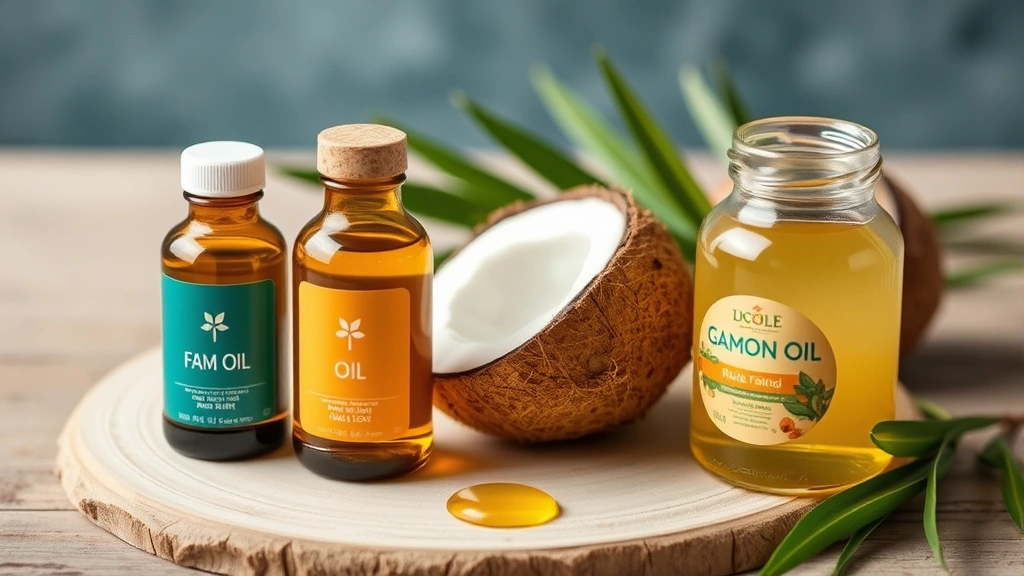
Many pet food companies are starting to recognize this and are switching to more sustainable fat sources like fish oil or coconut oil. These alternatives are often better for your dog anyway, so it’s a win-win situation.
Better Alternatives to Palm Oil-Heavy Products
So what should you feed your dog instead? Look for treats and foods that use:

- Fish oil or salmon oil (omega-3 rich and anti-inflammatory)
- Chicken fat (from quality sources)
- Coconut oil (in moderation)
- Beef or lamb fat (from grass-fed sources)
- Flaxseed oil
These alternatives provide healthy fats without the same pancreatitis risk. When browsing options, chicken free dog food options often use better fat sources and might be worth exploring if your dog has sensitivities. You can also check out safe human snacks for pets to find whole-food treat options that skip the processed ingredients altogether.
What to Do If Your Dog Has Already Consumed Palm Oil
Don’t panic if your dog ate a treat with palm oil. One treat won’t cause a health crisis. However, if your dog shows signs of digestive distress—vomiting, diarrhea, loss of appetite, or abdominal discomfort—contact your vet. If symptoms persist or your dog seems lethargic, this could indicate pancreatitis, which requires professional treatment. In emergency situations, pet poison hotline services can provide immediate guidance.
Going forward, simply swap those palm oil-laden treats for better options. Your dog won’t miss them, and you’ll sleep better knowing you’re making healthier choices.
Making Smart Choices for Your Dog’s Diet
The bottom line is this: is palm oil bad for dogs? It’s not ideal, and for many dogs, it’s best avoided. It’s a low-quality filler ingredient that provides empty calories and potential health risks without nutritional benefits. As a pet owner, you have the power to read labels, ask questions, and choose products that prioritize your dog’s health over corporate profit margins.
Your dog depends on you to make informed decisions about their nutrition. That means understanding ingredients, recognizing red flags, and being willing to pay a bit more for quality food when possible. It also means checking ingredient lists regularly, since formulations change and manufacturers sometimes sneak in cheaper ingredients.
Frequently Asked Questions
Can palm oil cause allergies in dogs?
Palm oil itself isn’t a common allergen, but it can trigger digestive issues in sensitive dogs. If your dog has a known palm oil sensitivity, you’ll see symptoms like itching, vomiting, or diarrhea. True palm oil allergies are rare compared to protein allergies, but individual reactions vary widely.
Is palm oil in dog treats ever acceptable?
Occasional exposure to small amounts of palm oil in treats probably won’t harm most healthy dogs. However, if it’s a primary ingredient or your dog has risk factors for pancreatitis, it’s best avoided entirely. Check the ingredient list—if palm oil appears in the first five ingredients, that’s a red flag.
How do I know if my dog has pancreatitis from palm oil?
Symptoms of pancreatitis include vomiting, diarrhea, abdominal pain (hunched posture), lethargy, and loss of appetite. These symptoms can appear within hours or days of eating high-fat foods. If you suspect pancreatitis, contact your vet immediately for blood work and diagnosis. Don’t wait to see if it resolves on its own.
Are there dog food brands that avoid palm oil?
Yes! Many premium and eco-conscious brands have eliminated palm oil from their formulations. Look for brands that specifically mention sustainable sourcing and use fish oil or other quality fat sources. Reading reviews and checking ingredient lists will help you find palm oil-free options.

What’s the difference between palm oil and palm kernel oil?
Both come from the oil palm plant, but palm oil comes from the fruit pulp while palm kernel oil comes from the seed. Palm kernel oil is even higher in saturated fat, making it potentially worse for dogs. Avoid both if possible.
Conclusion: Prioritize Your Dog’s Health
Is palm oil bad for dogs? The evidence suggests it’s not something you want making up a significant portion of your pup’s diet. While not immediately toxic, palm oil’s high saturated fat content poses real risks for digestive upset and pancreatitis, especially in susceptible dogs. The good news is that plenty of excellent alternatives exist, and many pet food companies are moving away from palm oil anyway.
Start by reading ingredient labels carefully, understanding your individual dog’s risk factors, and making informed choices about treats and food. Your dog’s long-term health is worth the extra effort. Plus, you’ll feel better knowing you’re supporting more sustainable and ethical pet food production while keeping your furry friend healthy and happy.





