
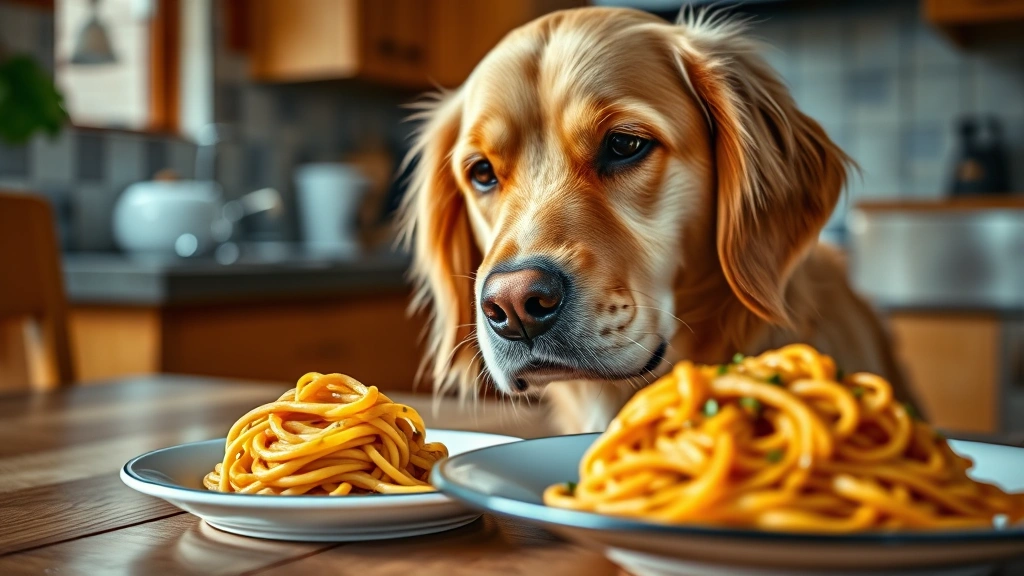
Is pasta bad for dogs? The short answer is: it depends, but mostly no—plain, cooked pasta won’t seriously harm your furry friend in small amounts. However, there’s a lot more to the story that every dog owner should understand before sharing their spaghetti dinner with Fido.
Table of Contents
- What Exactly Is In Pasta Anyway?
- Plain Cooked Pasta: The Safe Option for Dogs
- Why Pasta Sauces Are Your Real Enemy
- Whole Wheat vs. Regular Pasta: Does It Matter?
- Pasta With Problematic Add-Ons: The Danger Zone
- Can Pasta Actually Cause Weight Gain in Dogs?
- Dogs With Wheat Allergies and Pasta
- What About Pasta for Sick Dogs?
- The Real Question: Why Feed Your Dog Pasta At All?
- Signs Your Dog Ate Something It Shouldn’t Have
- Frequently Asked Questions
- Final Thoughts: Keep Pasta Off Your Dog’s Menu
Let’s be real—your dog has given you that irresistible puppy-dog eyes while you’re twirling spaghetti on your fork. And honestly, plain pasta seems harmless, right? It’s just carbs. But like most things in life, the devil’s in the details. We’re going to break down everything you need to know about dogs and pasta, because your pup’s health is way too important to guess about.
What Exactly Is In Pasta Anyway?
Before we can determine whether pasta is safe for dogs, we need to understand what we’re actually dealing with. Most pasta is made from wheat flour, water, and eggs. Some pasta contains added salt, oils, and various seasonings. That’s the basic stuff. When you cook it, the pasta becomes soft and easier to digest—but it’s still fundamentally a carbohydrate-heavy food.
Dogs are facultative carnivores, meaning they can survive on plant-based diets but thrive best on meat-based proteins. This is important context when we’re talking about whether your dog should be munching on your linguine. Plain, unseasoned, cooked pasta sits in a nutritional gray zone for dogs—it’s not toxic, but it’s not particularly beneficial either.
Plain Cooked Pasta: The Safe Option for Dogs
Here’s the good news: plain, cooked pasta with zero seasoning is generally safe for dogs in moderation. We’re talking about the boring stuff—just pasta and water, nothing else. No garlic, no onions, no fancy sauces, no salt. If your dog steals a bite of plain spaghetti off your plate, don’t panic and rush to the emergency vet.
The reason plain pasta is okay is because it’s not toxic to dogs. It won’t poison them or cause immediate harm. However, it should never become a regular part of their diet because it lacks the nutritional value dogs actually need. Think of it like how you could survive eating only saltine crackers—you wouldn’t die, but you’d be missing essential nutrients.
If you want to give your dog pasta as an occasional treat, stick to plain varieties and keep portions tiny. We’re talking a few pieces, not a full bowl. Always consult the American Kennel Club’s feeding guidelines for appropriate treat portions based on your dog’s size and weight.
Why Pasta Sauces Are Your Real Enemy
Now here’s where things get dangerous. Most pasta sauces are absolutely terrible for dogs, and this is where many pet owners make mistakes. That delicious marinara sauce you love? It’s packed with garlic and onions—both of which are toxic to dogs. Seriously. These ingredients can damage your dog’s red blood cells and cause hemolytic anemia.
Creamy Alfredo sauce contains excessive fat and dairy, which can upset your dog’s stomach and potentially lead to pancreatitis, especially in dogs with sensitive digestion. Meat-based sauces often contain excessive salt and spices that aren’t appropriate for canine consumption. Even pesto, which seems innocent, contains garlic that’s harmful to dogs.
This is exactly why our article on Harmful Foods for Dogs is so important—it lists specific ingredients you should never share with your pup. Pasta sauce is basically a minefield of dog-unfriendly ingredients disguised as something harmless.
Whole Wheat vs. Regular Pasta: Does It Matter?
Some dog owners wonder if whole wheat pasta is better than regular white pasta for their dogs. The answer is: marginally, but not significantly enough to make it a dietary staple. Whole wheat pasta contains more fiber and slightly more nutrients than refined white pasta, which could be beneficial for dogs with certain digestive issues.
However, whole wheat pasta is still primarily carbohydrates, and most dogs don’t need extra carbs in their diet. If your dog has digestive sensitivities, whole wheat might actually cause more problems than regular pasta because some dogs struggle to digest whole grains. For dogs with sensitive stomachs, check out our guide on Human Foods for Pets with Sensitive Stomachs to understand which options are truly safe.
Pasta With Problematic Add-Ons: The Danger Zone
Beyond sauce, there are countless pasta dishes that are absolutely off-limits for dogs. Pasta with garlic bread? Nope—garlic is toxic. Creamy pasta with bacon? The fat content alone could cause pancreatitis. Spicy pasta dishes? Capsaicin irritates dog digestive systems. Pasta with mushrooms? Some varieties are poisonous.
Basically, if your pasta dish has anything interesting or flavorful to humans, it’s probably not safe for dogs. This is where our comprehensive resource on Human Food Portion Sizes for Pets becomes invaluable—it helps you understand not just what foods are safe, but in what quantities.
Can Pasta Actually Cause Weight Gain in Dogs?
Yes, absolutely. Pasta is calorie-dense and provides minimal nutritional benefit, making it a terrible choice for weight management. A cup of cooked pasta contains roughly 200 calories—that’s a significant portion of a small dog’s daily caloric needs. For a dog that should eat around 500-800 calories per day, a pasta snack represents a meaningful chunk of their diet without providing necessary proteins, healthy fats, or essential vitamins.
If your dog is already overweight, pasta should be completely off-limits. Obesity in dogs leads to joint problems, diabetes, heart disease, and shortened lifespans. If you’re tempted to give your dog pasta because you want to share human food, check out Human Food Alternatives for Pets for genuinely healthy options that won’t sabotage your dog’s waistline.
Dogs With Wheat Allergies and Pasta
Some dogs have legitimate wheat allergies or sensitivities, and for these pups, pasta is absolutely forbidden. Wheat allergies in dogs typically cause itchy skin, ear infections, gastrointestinal issues, and chronic inflammation. If your dog has been diagnosed with a wheat allergy, you need to read every ingredient label carefully because wheat is hidden in many foods.
Gluten-free pasta exists as an alternative, but honestly, even gluten-free pasta doesn’t offer nutritional value that justifies feeding it to your dog. It’s still just carbs. If your dog has food sensitivities, your vet should guide your dietary choices, not your desire to share human food.
What About Pasta for Sick Dogs?
Here’s an interesting exception: plain, cooked pasta can actually be appropriate for dogs recovering from certain gastrointestinal illnesses. When a dog has diarrhea or vomiting, vets sometimes recommend bland diets consisting of easily digestible carbohydrates and lean proteins. Plain pasta fits into this category temporarily.
However, this should only happen under veterinary guidance. If your dog is sick, you should consult your vet before introducing any new foods. Our article on Bland Diet Recipes for Sick Pets provides proper guidance on therapeutic diets that actually support recovery rather than just filling your dog’s stomach.
The Real Question: Why Feed Your Dog Pasta At All?
Here’s the fundamental issue with pasta for dogs: there’s literally no reason to feed it to them. Your dog doesn’t crave pasta. They don’t have a nutritional deficiency that pasta solves. The only reason we even consider feeding pasta to dogs is human convenience and the desire to share our meals with our pets.
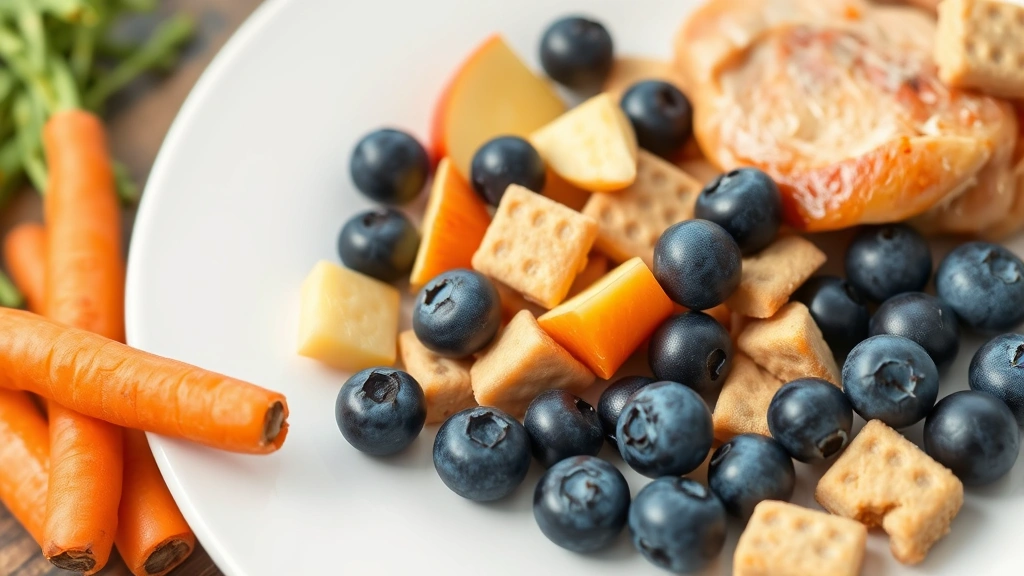
If you want to give your dog treats, there are literally hundreds of better options. Carrots, apples, blueberries, pumpkin, sweet potato, lean chicken—all of these provide actual nutritional value while being safe and healthy. Your dog will be just as happy (probably happier) with a piece of apple than with a mouthful of plain pasta.
Signs Your Dog Ate Something It Shouldn’t Have
If your dog somehow got into a pasta dish with garlic, onions, or other toxic ingredients, watch for these warning signs: vomiting, diarrhea, lethargy, loss of appetite, abdominal pain, or pale gums. If your dog exhibits any of these symptoms after consuming pasta with sauce, contact your veterinarian immediately. Don’t wait to see if it gets better on its own—some toxins require prompt treatment.
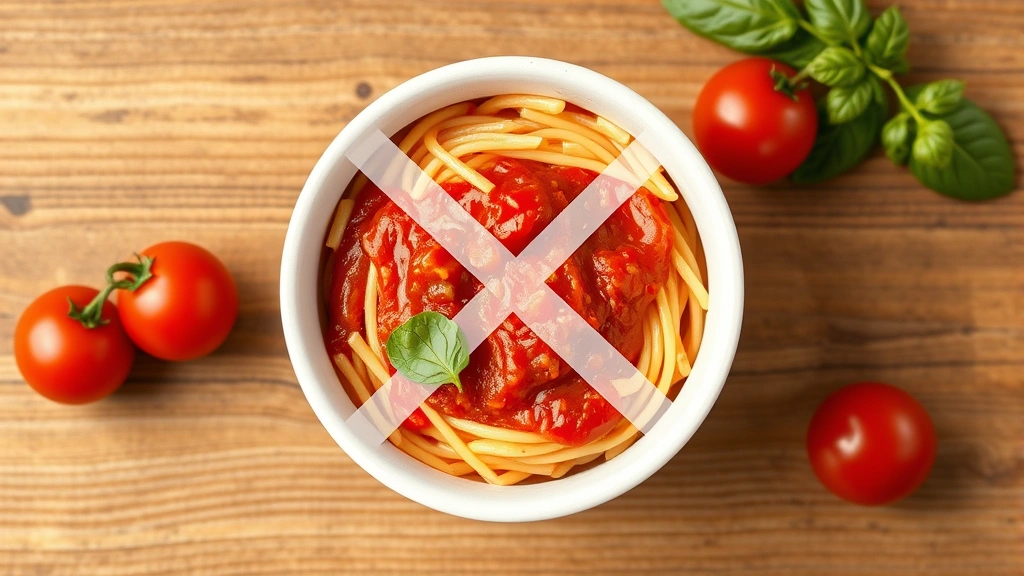
For reference, garlic and onions are toxic to dogs in quantities as small as 1/4 teaspoon of garlic powder per pound of body weight. A small dog could be seriously harmed by a single serving of garlic-laden pasta sauce.
Frequently Asked Questions
Can dogs eat plain pasta daily?
No, dogs should not eat plain pasta daily. While plain pasta isn’t toxic, it provides minimal nutritional value and is calorie-dense. Regular pasta consumption could lead to weight gain and nutritional imbalances. Dogs thrive on protein-rich diets, not carbohydrate-based ones. Pasta should be an extremely occasional treat, if offered at all.
Is cooked or uncooked pasta safer for dogs?
Cooked pasta is safer than uncooked pasta. Uncooked pasta is harder to digest and poses a choking hazard, especially for smaller dogs. If your dog accidentally eats uncooked pasta, monitor them for signs of intestinal blockage. Always ensure any pasta given to dogs is fully cooked and soft.
What should I do if my dog ate pasta with garlic sauce?
Contact your veterinarian immediately. Garlic is toxic to dogs and can cause hemolytic anemia. Your vet may recommend bringing your dog in for examination and blood work to assess damage. Don’t wait for symptoms to develop—prompt treatment is essential. Provide your vet with information about how much sauce your dog consumed.
Are there any pasta shapes safer than others?
All pasta shapes are equally safe when plain and cooked, but some pose different choking risks. Long noodles like spaghetti can be a choking hazard, especially for dogs that don’t chew thoroughly. Smaller pasta shapes like ditalini or small shells are slightly safer. However, portion size matters more than shape—keep any pasta serving very small.
Can puppies eat pasta?
Puppies should not eat pasta. Puppies require nutrient-dense foods to support growth and development. Pasta is nutritionally empty for puppies and could interfere with proper nutrient absorption. Stick to high-quality puppy food formulated for your puppy’s breed size and age.
Final Thoughts: Keep Pasta Off Your Dog’s Menu
So, is pasta bad for dogs? The honest answer is that plain, cooked pasta isn’t toxic, but it’s not beneficial either. It’s nutritionally empty, calorie-dense, and there’s absolutely no reason to feed it to your dog when so many better options exist. Pasta sauces are where things get genuinely dangerous—garlic, onions, excessive salt, and unhealthy fats pose real health risks.
Your dog doesn’t need pasta. Your dog needs quality protein, healthy fats, essential vitamins, and minerals. If you want to share human food with your pup, choose options that actually contribute to their health. Your dog’s longevity and quality of life are worth the extra effort of choosing appropriate treats.
When in doubt about what foods are safe for your dog, consult your veterinarian. Every dog is different, and individual health conditions matter. What’s safe for one dog might be problematic for another. Your vet knows your dog’s specific health profile and can provide personalized guidance on diet and treats.





