
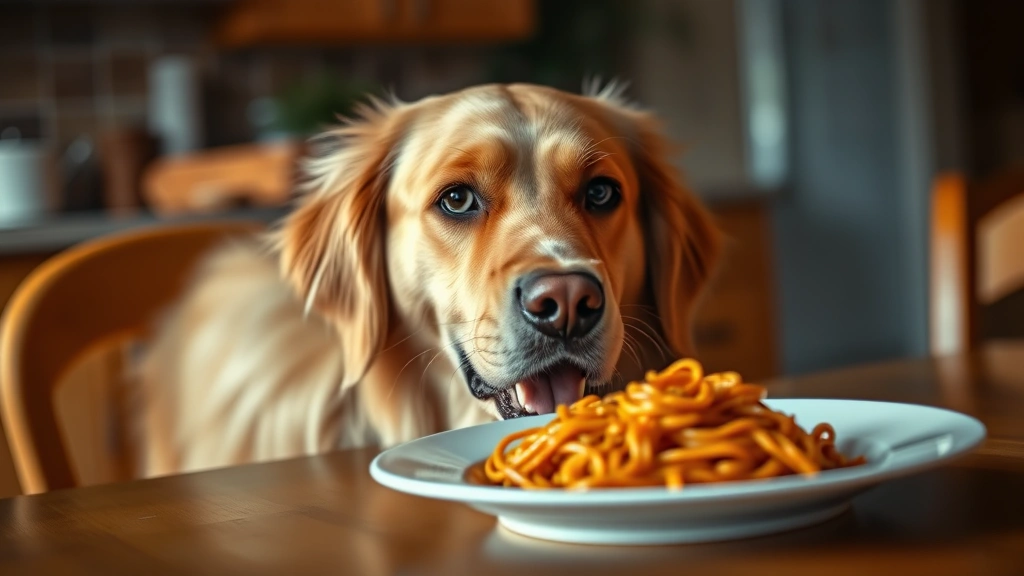
Is Pasta Good for Dogs? A Vet’s Perspective
Picture this: you’re twirling a forkful of spaghetti at dinner, and your furry best friend gives you those irresistible puppy-dog eyes. Before you share a bite, let’s talk about whether pasta is actually safe for your canine companion. As much as we’d love to split our meals with our pups, not everything on our plate belongs in their bowl.
The short answer? Plain, cooked pasta in moderation is generally safe for dogs, but it’s far from an ideal treat or meal component. While it won’t send Fido to the emergency vet, there are important nuances every dog owner should understand. Let’s dig into what veterinarians really think about feeding pasta to your four-legged friend.
Understanding what foods work best for our dogs is part of responsible pet ownership. In this comprehensive guide, we’ll explore the ins and outs of pasta for dogs, including which types are safe, portion sizes, potential risks, and healthier alternatives that’ll make your pup’s tail wag just as enthusiastically.
Plain Cooked Pasta: The Safe Option
When we talk about pasta being safe for dogs, we’re specifically referring to plain, unseasoned, fully cooked pasta with no added ingredients. Think of it as the culinary equivalent of plain toast—boring for humans, but potentially acceptable for pups. This means no garlic, no onions, no excessive salt, and definitely no marinara sauce (which often contains harmful ingredients).
Plain pasta is made from simple ingredients: flour, water, and sometimes eggs. Once cooked until soft, it poses minimal immediate danger to most dogs. However, this doesn’t mean it’s nutritionally beneficial or something you should regularly incorporate into your dog’s diet. Many pet owners wonder if dogs can eat spaghetti, and the answer is yes—but with significant caveats.
The key word here is “plain.” Any seasoning, oil, butter, or sauce transforms pasta from a benign carbohydrate into a potential problem. Dogs lack the ability to process many spices and seasonings that humans enjoy, and high-fat additions can upset their digestive systems or contribute to pancreatitis in susceptible breeds.
Cooked pasta should be soft enough that your dog doesn’t choke on it. Hard, uncooked pasta is a definite no-go and could pose a choking hazard or cause intestinal blockages if swallowed in large pieces. Always ensure any pasta you offer your pup is thoroughly cooked and has cooled to room temperature.
Types of Pasta to Avoid
Not all pasta is created equal, and some varieties are genuinely dangerous for dogs. Understanding which types to keep away from your canine companion is crucial for their safety and wellbeing.
Pasta with Garlic and Onions: This is perhaps the most critical warning. Garlic and onions contain compounds called thiosulfates that can damage dogs’ red blood cells and cause hemolytic anemia. Even small amounts in garlic bread or pasta sauce can be toxic. If your dog ingests garlic or onion-containing pasta, contact your veterinarian immediately.
Whole Wheat and Grain-Free Pasta: While these might seem healthier, some dogs have sensitivities to whole wheat. Additionally, grain-free pasta often contains legumes like peas and lentils, which have been linked to heart health concerns in dogs. Stick with regular refined pasta if you’re offering any at all.
Pasta with Xylitol: Some specialty pasta products contain xylitol, an artificial sweetener that’s extremely toxic to dogs. Even tiny amounts can cause severe hypoglycemia and liver damage. Always check ingredient labels carefully.
Regarding whether dogs can eat noodles, the same principles apply. Asian noodles, ramen, and egg noodles follow similar safety guidelines—plain and unseasoned only.
Pasta with Cream Sauces: Alfredo, cream-based, or cheese-heavy pasta dishes are high in fat and lactose. Many adult dogs are lactose intolerant, and high-fat foods can trigger pancreatitis.
Spicy or Heavily Seasoned Pasta: Dishes with chili peppers, excessive salt, or multiple spices can cause gastrointestinal upset in dogs. Their digestive systems simply aren’t equipped to handle the same flavor profiles we enjoy.
Nutritional Value for Dogs
Here’s the honest truth: pasta offers virtually no nutritional benefit to dogs. Your pup needs a diet rich in high-quality proteins, healthy fats, vitamins, and minerals. Pasta is primarily carbohydrates—specifically, refined carbohydrates that dogs don’t require in their diet.
Dogs are facultative omnivores, meaning they can survive on plant-based foods but thrive on animal proteins. Their digestive systems evolved to process meat-based diets, not grain-based carbohydrates. While they can technically digest pasta, it doesn’t provide the amino acids, essential fatty acids, or micronutrients their bodies need.
From a nutritional standpoint, pasta is essentially empty calories. A cup of cooked spaghetti contains about 220 calories, mostly from carbohydrates, with minimal protein and virtually no vitamins or minerals in forms dogs can readily utilize. Compare this to a serving of chicken breast, which provides complete proteins with all essential amino acids, or rice for dogs, which at least provides some B vitamins.
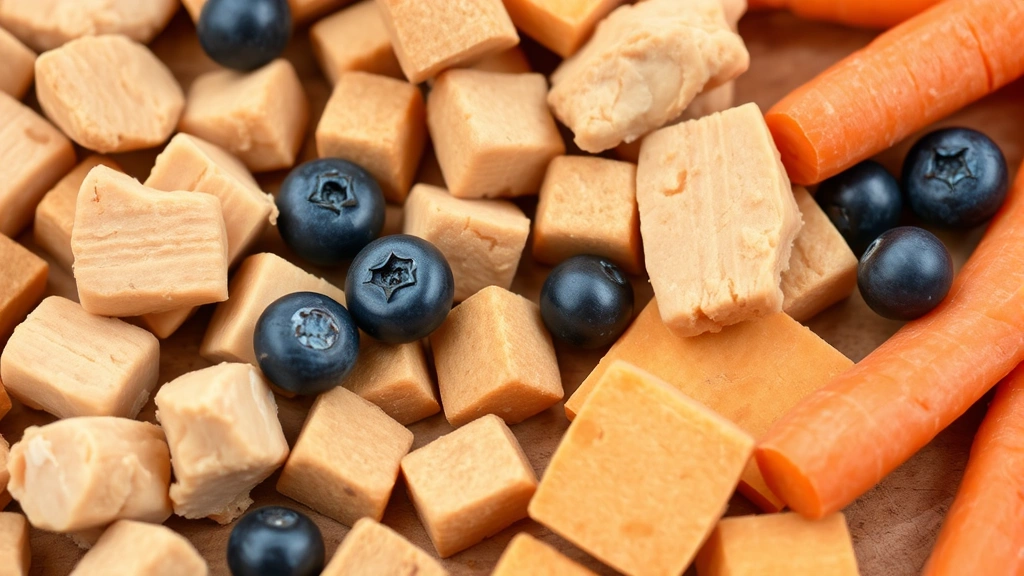
If you’re looking to supplement your dog’s diet with carbohydrates (which most don’t need), there are far superior options. Sweet potatoes, pumpkin, and carrots offer fiber, vitamins, and minerals. These whole-food options provide actual nutritional value rather than just filling your dog’s belly.
Portion Guidelines and Frequency
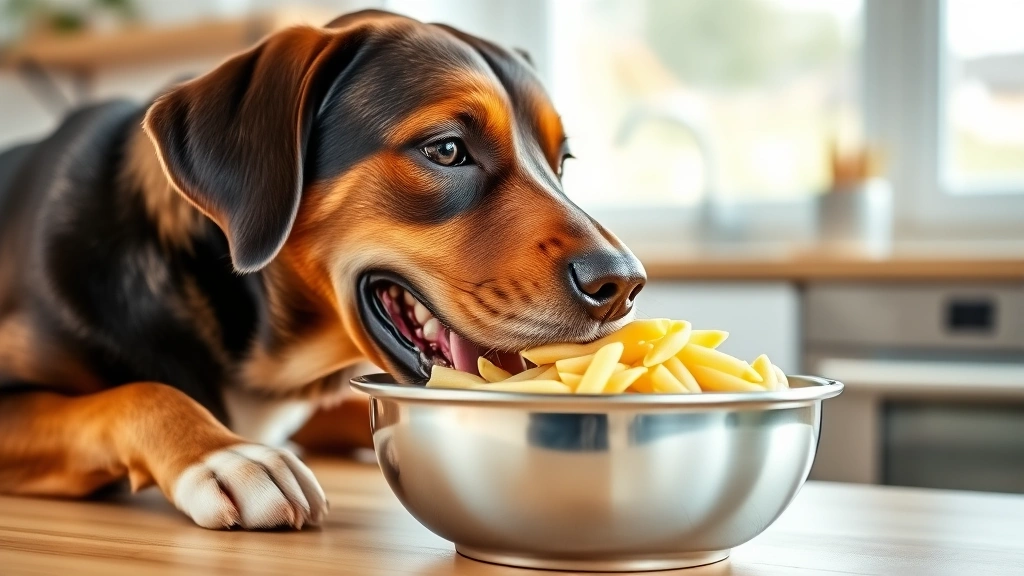
If you absolutely must share pasta with your dog, moderation is essential. The general rule for treats or non-essential foods is that they should comprise no more than 10% of your dog’s daily caloric intake. The remaining 90% should come from complete, balanced commercial dog food or a veterinarian-approved homemade diet.
For most dogs, this means a few plain pasta pieces as an occasional treat—we’re talking a tablespoon or two, not a full serving. A small dog might get 5-10 small pasta pieces, while a large breed could handle slightly more, but still within reason.
Never offer pasta as a meal replacement or primary food source. It lacks the nutritional completeness your dog needs and could lead to deficiencies over time. If you’re concerned about how much food to feed your dog, consult your veterinarian for personalized guidance based on your pup’s age, weight, and activity level.
Frequency matters too. Plain pasta should be an occasional treat at most—perhaps once or twice a month, not weekly. There are so many better options for bonding over treats with your dog that actually contribute to their health.
Consider your dog’s individual health status. Dogs with diabetes, obesity, or sensitive digestive systems should avoid pasta entirely. Overweight dogs especially don’t benefit from empty carbohydrate calories that could contribute to further weight gain.
Digestive Concerns and Health Risks
While plain pasta won’t poison your dog, it can cause digestive issues, particularly in dogs with sensitive stomachs. Some dogs experience bloating, gas, or loose stools after consuming pasta, especially if it’s not something they regularly eat.
Bloating and Gas: Refined carbohydrates ferment in the digestive tract, producing gas. In dogs prone to bloat (particularly deep-chested breeds like German Shepherds and Great Danes), this could be problematic.
Blood Sugar Spikes: Pasta is quickly converted to glucose, causing blood sugar spikes. For diabetic dogs or those predisposed to diabetes, this is concerning. The refined carbohydrates in pasta lack fiber, meaning they’re absorbed rapidly without the stabilizing effect that whole foods provide.
Choking Hazard: Long pasta strands can pose a choking risk, especially for enthusiastic eaters or dogs who don’t chew thoroughly. Always cut pasta into small pieces if offering it.
If your dog experiences diarrhea after eating something new, pasta might be the culprit. Some dogs simply don’t tolerate carbohydrates well, and their systems rebel with digestive upset.
Nutritional Imbalance: Regular pasta consumption could create nutritional imbalances if it displaces more nutrient-dense foods in your dog’s diet. Over time, this could contribute to deficiencies in essential vitamins and minerals.
Dogs with pancreatitis should absolutely avoid pasta, especially if it’s prepared with oils, butter, or fatty sauces. The high carbohydrate content combined with any fat is a recipe for pancreatic inflammation.
Healthier Alternatives to Pasta
Want to treat your dog to something special? Skip the pasta and explore these nutritious alternatives that’ll actually benefit their health:
- Cooked Chicken: Plain, unseasoned chicken is an excellent protein source. Dogs love it, and it’s nutrient-dense.
- Sweet Potatoes: Rich in fiber, vitamins, and minerals. Cooked and plain, they’re a fantastic treat.
- Carrots: Low in calories, high in fiber and beta-carotene. Great for dental health too.
- Pumpkin: Excellent for digestive health, whether your dog has constipation or diarrhea.
- Apples: Remove seeds and serve plain. High in fiber and vitamin C.
- Blueberries: Antioxidant powerhouses in bite-sized portions.
- Watermelon: Hydrating and low-calorie, perfect for warm weather treats.
- Plain Eggs: Scrambled or boiled, eggs provide complete proteins and healthy fats.
- Green Beans: Low-calorie, nutrient-rich, and most dogs find them delicious.
- Plain Yogurt: Probiotic-rich, but choose unsweetened varieties without xylitol.
These alternatives offer genuine nutritional benefits while satisfying your desire to share treats with your furry friend. They support coat health, digestive function, and overall wellbeing in ways pasta simply cannot.
If you want to learn more about whether dogs can eat bread, remember that similar principles apply—plain and in moderation only, with whole grain options being superior to refined versions.
Frequently Asked Questions
Can dogs eat cooked pasta?
Yes, plain, fully cooked pasta without seasonings is safe for dogs in small quantities. However, it offers minimal nutritional value and shouldn’t be a regular part of their diet. Always ensure it’s cooled to room temperature and cut into manageable pieces to prevent choking.
What about pasta sauce? Can dogs have it?
Most pasta sauces are unsafe for dogs. Marinara sauce often contains garlic and onions (toxic to dogs), excessive salt, and sometimes xylitol. Cream sauces are high in fat and lactose. It’s best to keep all sauces away from your pup’s bowl.
Is whole wheat pasta better for dogs than regular pasta?
Not necessarily. While whole wheat contains more fiber, some dogs have grain sensitivities. Regular refined pasta is equally safe (or unsafe) for dogs. The nutritional difference is minimal for canines. If your dog has specific dietary needs, consult your veterinarian.
How much pasta can I safely give my dog?
Treats should comprise no more than 10% of daily calories. For most dogs, this means just a few plain pasta pieces—about a tablespoon or so—as an occasional treat. Large breeds might handle slightly more, but it should still be minimal.
My dog ate pasta with garlic. Should I worry?
This requires immediate veterinary attention. Garlic contains thiosulfates that damage red blood cells. Symptoms of garlic toxicity include lethargy, weakness, vomiting, and pale gums. Contact your vet or poison control immediately with information about the amount consumed.
Can puppies eat pasta?
Plain pasta is technically safe for puppies, but it’s not recommended. Puppies need nutrient-dense foods to support growth and development. Pasta’s empty calories could displace essential nutrients puppies require. Stick to puppy-formulated food and healthy whole-food treats.
Is pasta safe for dogs with sensitive stomachs?
Dogs with sensitive digestive systems should avoid pasta. The refined carbohydrates can ferment and cause bloating, gas, or diarrhea. If your dog has a sensitive stomach, stick to foods specifically recommended by your veterinarian.
What’s the difference between pasta and rice for dogs?
While both are carbohydrates, plain cooked rice is slightly preferable to pasta. Rice is bland, easier to digest, and often recommended during digestive upset. Rice also contains some B vitamins. However, neither is nutritionally necessary for dogs.
Can dogs eat gluten-free pasta?
Plain, unseasoned gluten-free pasta is safe for most dogs. However, gluten-free products often contain alternative ingredients that may not be ideal for canines. Unless your dog has a specific gluten sensitivity (which is rare), regular pasta isn’t problematic from a gluten perspective.
Should I use pasta as a training treat?
There are much better training treat options. Pasta doesn’t provide positive reinforcement benefits beyond any other food, and it lacks nutritional value. Use small pieces of chicken, cheese, or commercial dog treats designed for training purposes instead.





