
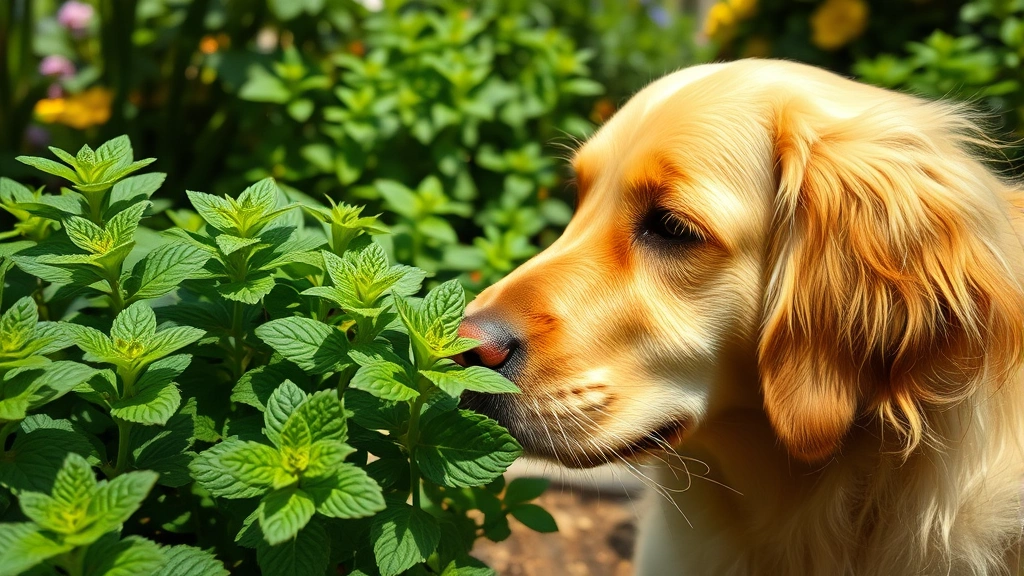
Is Peppermint Bad for Dogs? Safety Tips for Pet Owners
Picture this: you’re enjoying a refreshing peppermint candy, and your furry best friend gives you those irresistible puppy-dog eyes. Before you share, pause! While peppermint might seem like a harmless treat, the reality is more nuanced than a simple yes or no. As a pet parent, understanding what’s safe for your dog is crucial, and peppermint falls into that gray area that deserves careful examination.
The question “is peppermint bad for dogs?” comes up surprisingly often in veterinary offices and pet parent forums. The answer isn’t straightforward because it depends on the form of peppermint, the quantity, and your individual dog’s health status. Some forms are relatively harmless in small amounts, while others pose genuine health risks. Let’s dive deep into what you need to know to keep your pup safe and healthy.
In this comprehensive guide, we’ll explore the facts about peppermint and dogs, examine the different forms this herb takes, and provide you with practical safety tips to protect your beloved companion. Whether you’re dealing with holiday treats, essential oils, or fresh mint leaves, you’ll have the knowledge to make informed decisions.
Understanding Peppermint: The Basics
Peppermint is a hybrid mint plant that’s been used for centuries in human medicine and culinary applications. It contains menthol, a compound that gives it its distinctive cooling sensation and minty flavor. For humans, peppermint offers various benefits, from digestive support to fresh breath. However, our canine companions have different metabolic systems, and what’s beneficial for us can sometimes be problematic for them.
The plant itself belongs to the Mentha genus and grows abundantly in temperate climates worldwide. When we talk about peppermint in relation to dogs, we need to distinguish between the fresh plant, dried herb, extracts, and concentrated essential oils. Each form carries different levels of the active compounds that could potentially affect your dog’s health. Understanding these distinctions is the first step toward making safe choices for your pet.
Dogs experience the world primarily through their sense of smell and taste, and peppermint’s strong aroma and flavor make it particularly interesting to them. However, their digestive systems and sensory experiences differ significantly from ours, which is why we can’t simply assume that what’s safe for humans is safe for dogs.

Is Peppermint Toxic to Dogs?
The short answer: peppermint itself isn’t typically considered toxic to dogs in the way that chocolate or certain other foods are toxic. However, this doesn’t mean it’s entirely safe or risk-free. The American Society for the Prevention of Cruelty to Animals (ASPCA) and most veterinarians classify plain peppermint as generally safe in small quantities, but with important caveats.
According to the ASPCA Animal Poison Control Center, while peppermint isn’t on their list of truly toxic plants for dogs, it can cause gastrointestinal upset in some animals. The concern isn’t about acute toxicity but rather about potential digestive distress and other complications depending on the form and amount consumed.
The real issue emerges when we consider concentrated forms of peppermint. Peppermint oil presents different safety concerns compared to fresh leaves or mild infusions. Essential oils are highly concentrated, containing significantly higher levels of menthol and other volatile compounds than the plant in its natural state. This concentration can irritate a dog’s digestive tract and potentially cause more serious health issues.
Veterinary toxicology resources indicate that the concern with peppermint for dogs centers on digestive irritation rather than systemic toxicity. Dogs have more sensitive digestive systems than humans, and certain compounds can trigger inflammation or upset stomach more easily.

Different Forms of Peppermint and Their Risks
Fresh Peppermint Leaves
Fresh peppermint leaves from your garden or a store represent the mildest form. In very small quantities, these pose minimal risk to most healthy dogs. However, even fresh leaves can cause mild digestive upset, especially in dogs with sensitive stomachs. If your dog happens to nibble on a leaf or two, there’s typically no cause for alarm, but intentionally feeding your dog peppermint leaves isn’t recommended.
Dried Peppermint
Dried peppermint concentrates the compounds present in fresh leaves, making it more potent. This form is sometimes found in dog treats or supplements marketed for digestive health. While small amounts might be tolerable, dried peppermint should only be given under veterinary guidance and in strictly controlled quantities.
Peppermint Extract
Peppermint extract is more concentrated than the dried herb and contains higher levels of menthol. This form is more likely to cause digestive irritation and should be avoided for dogs. Many commercial products containing peppermint extract also include alcohol or other ingredients that aren’t suitable for canines.
Peppermint Essential Oil
This is where the real danger lies. Peppermint oil represents the most concentrated form and poses the greatest risk to your dog’s health. Essential oils should never be applied directly to your dog’s skin, ingested, or diffused extensively around them. The menthol content in essential oil can cause severe irritation to the mouth, throat, and digestive system. According to veterinary resources, even small amounts of essential oil can cause symptoms ranging from mild to severe.
Peppermint Candy and Treats
Commercial peppermint candies and holiday treats often contain sugar, artificial sweeteners (potentially including xylitol, which is toxic to dogs), chocolate, or other harmful ingredients. Even if peppermint itself weren’t a concern, these products typically aren’t safe for dogs due to their other components. Always check ingredient lists carefully before offering any treat to your pet.
Safe Amounts and Guidelines
If you’re determined to give your dog something peppermint-related, understanding safe amounts is critical. The safest approach is to avoid peppermint entirely, but if you have specific reasons to consider it, here are some guidelines based on veterinary recommendations:
- Fresh leaves: No more than one or two small leaves, and only occasionally if at all
- Dried herb: Should only be given under direct veterinary supervision
- Extract or oil: Should be avoided completely
- Commercial treats: Check ingredients carefully; if peppermint is listed as a minor ingredient among many others, a small piece might be acceptable, but this isn’t recommended
Size matters significantly when considering safe amounts. A small Chihuahua has different tolerance levels than a large German Shepherd. Factors like age, health status, digestive sensitivity, and existing medical conditions all play roles in determining what’s safe for your specific dog.
The best practice is to consult with your veterinarian before introducing any new food or herb to your dog’s diet. They can assess your individual pet’s health status and provide personalized recommendations. What might be safe for one dog could be problematic for another.
Symptoms of Peppermint Poisoning and Digestive Upset
If your dog accidentally consumes peppermint or you notice concerning symptoms after exposure, knowing what to watch for is essential. While true peppermint poisoning is rare, digestive upset and other adverse reactions are more common:
- Digestive symptoms: Vomiting, diarrhea, constipation, or loss of appetite
- Oral irritation: Drooling, difficulty swallowing, or pawing at the mouth
- Neurological signs: Lethargy, tremors, or unusual behavior (more likely with essential oils)
- Respiratory issues: Coughing or difficulty breathing (particularly if essential oil was inhaled)
- Skin irritation: Redness or irritation if oil came into contact with skin
- Allergic reactions: Itching, hives, or swelling in sensitive dogs
Most cases of mild peppermint ingestion resolve on their own within 24 hours. However, if your dog shows any concerning symptoms, especially after consuming peppermint oil or large quantities of the herb, contact your veterinarian immediately. The American Kennel Club provides guidance on pet emergencies, and your vet can determine whether your dog needs treatment.
Keep in mind that some dogs may have pre-existing sensitivities or conditions that make them more susceptible to adverse reactions. Dogs with inflammatory bowel disease, pancreatitis, or other digestive conditions should definitely avoid peppermint entirely.
Safer Treat Alternatives for Your Dog
Instead of taking risks with peppermint, consider offering your dog treats and herbs that are genuinely safe and beneficial. While mint leaves have similar concerns to peppermint, other options provide nutritional benefits without the potential downsides:
Safe Herbs and Treats
- Carrots: Crunchy, low-calorie, and great for dental health
- Apples: Nutritious (remove seeds), refreshing, and hydrating
- Pumpkin: Excellent for digestive health and widely recommended by vets
- Blueberries: Antioxidant-rich and safe in moderation
- Plain cooked chicken: High in protein and universally loved by dogs
- Watermelon: Hydrating and refreshing, especially on hot days
- Green beans: Low-calorie, nutritious, and safe
Digestive Support Alternatives
If you’re considering peppermint for digestive support, consult your veterinarian about safer alternatives. Understanding what seasonings can dogs have helps you make informed decisions about their diet. Many veterinarians recommend probiotics, digestive enzymes, or specific dietary adjustments rather than herbal remedies like peppermint.
Your vet might suggest adding fiber-rich foods, switching to a limited ingredient diet, or using prescribed digestive supplements that have been specifically formulated and tested for canine safety.
Frequently Asked Questions
Can dogs have peppermint candy?
No, peppermint candy is not safe for dogs. Most commercial peppermint candies contain sugar, artificial sweeteners, chocolate, or xylitol—all potentially harmful to dogs. Even if the peppermint itself were safe, the other ingredients make these treats dangerous. Xylitol, in particular, is extremely toxic to dogs and can cause severe hypoglycemia and liver damage. Always keep holiday candies and seasonal treats away from your dog.
What about peppermint in dog treats marketed as safe?
Some commercial dog treats include peppermint as a minor ingredient. If peppermint is listed far down the ingredient list and the product is specifically formulated for dogs by a reputable manufacturer, a small amount might be acceptable. However, when considering whether dogs can have peppermint, it’s best to err on the side of caution. Read ingredient labels carefully and consult your vet before introducing any new treat. Look for products that have been tested for safety and quality.
Is peppermint oil ever safe to use around dogs?
Peppermint essential oil should not be used around dogs. This includes diffusing it in the air, applying it to your dog’s skin, or adding it to their food. Essential oils are highly concentrated and can cause respiratory irritation, gastrointestinal upset, and neurological effects in dogs. If you use essential oils in your home, ensure good ventilation and keep your dog in a separate area. Never apply essential oils directly to your dog or their bedding.
My dog ate peppermint—what should I do?
If your dog ate a small amount of fresh peppermint leaf, monitor them for any signs of digestive upset. Most likely, they’ll be fine. However, if they consumed peppermint oil, extract, or a large quantity of any peppermint product, contact your veterinarian or Pet Poison Helpline immediately. Provide information about the amount and form of peppermint consumed. Watch for vomiting, diarrhea, lethargy, or any unusual behavior.
Are there benefits to giving dogs peppermint?
While peppermint offers health benefits for humans, the potential risks for dogs generally outweigh any benefits. If your dog has digestive issues, your veterinarian can recommend proven, safe alternatives that are specifically appropriate for canines. There are many evidence-based options available that don’t carry the same risks as peppermint.
What’s the difference between peppermint and spearmint for dogs?
Both peppermint and spearmint contain menthol, though in different concentrations. Spearmint has lower menthol content, making it slightly less potent, but both should be avoided for dogs. The safety concerns apply to both varieties, so it’s best to keep all mints away from your pet.
Can peppermint help with my dog’s bad breath?
While peppermint might freshen human breath, it’s not a safe solution for dogs. For dog bad breath, consult your veterinarian. Bad breath can indicate dental disease, digestive issues, or other health problems that need professional attention. Your vet can recommend safe, effective solutions like dental cleanings, specific diets, or supplements designed for canine oral health.





