
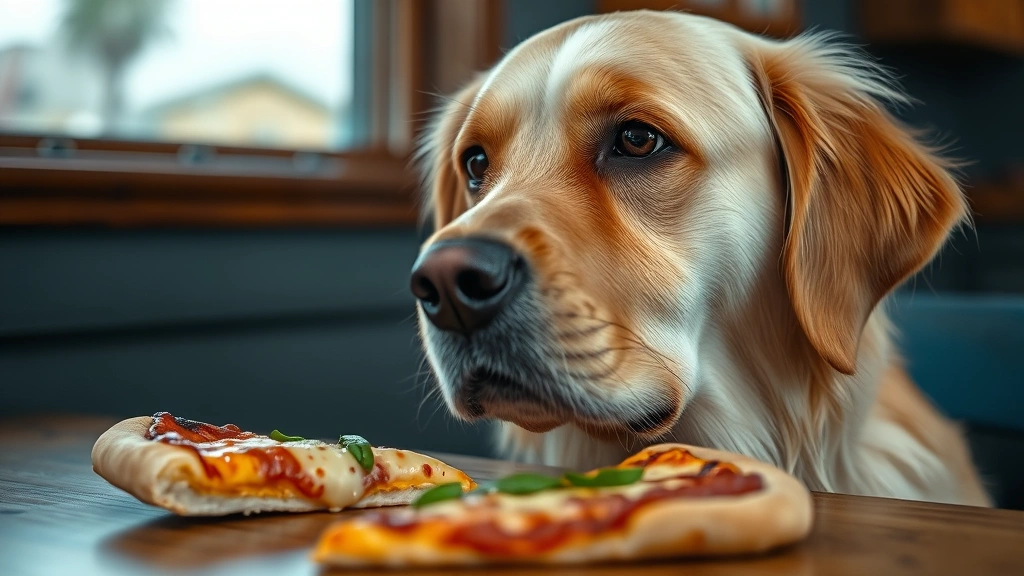
So, is pepperoni bad for dogs? The short answer is yes—pepperoni isn’t a great choice for your furry best friend, and here’s why. While that slice of pizza might smell amazing to Fido, pepperoni contains several ingredients that can cause digestive upset, nutritional imbalances, and even serious health issues in dogs. Let’s dig into what makes this beloved Italian meat problematic for pups and what you should do if your dog sneaks a bite.
Table of Contents
- What’s Actually in Pepperoni That’s Problematic?
- The Sodium Overload Problem
- Fat Content and Pancreatitis Risk
- Spice and Digestive Upset
- What About Pepperoni as an Occasional Treat?
- Signs Your Dog Has Eaten Too Much Pepperoni
- Better Alternatives to Pepperoni Treats
- Understanding Processed Meat Risks for Dogs
- Obesity and Human Food Treats
- What Veterinarians Say About Pepperoni
- Training Your Dog to Refuse Pepperoni
- Frequently Asked Questions
- The Bottom Line: Keep Pepperoni Away From Your Pup
What’s Actually in Pepperoni That’s Problematic?
Pepperoni isn’t just spiced pork—it’s a processed meat loaded with stuff that dogs shouldn’t eat. The main culprits include high sodium content, excessive fat, and various spices that can irritate your dog’s digestive system. Most commercial pepperoni contains garlic and onion powder, both of which are toxic to dogs because they damage red blood cells and can cause hemolytic anemia. Even small amounts can be problematic, especially for smaller breeds or dogs with sensitive stomachs.
Beyond the garlic and onion issue, pepperoni is cured with nitrates and nitrites—preservatives that give it that distinctive pink color. These chemicals have been linked to pancreatitis in dogs, a painful inflammation of the pancreas that requires veterinary treatment. The fat content alone is enough to cause digestive distress in many dogs, leading to vomiting, diarrhea, and abdominal pain.

The Sodium Overload Problem
One slice of pepperoni can contain 300+ milligrams of sodium, which is insane for a dog. The recommended daily sodium intake for dogs is significantly lower than what we humans consume, and excessive salt can lead to increased thirst, urination, and potentially sodium ion poisoning in severe cases. Dogs with heart conditions, kidney disease, or hypertension are especially vulnerable to salt-heavy foods. Even healthy dogs eating pepperoni regularly can develop high blood pressure and other cardiovascular issues over time.
Fat Content and Pancreatitis Risk
Pepperoni is roughly 40% fat by weight—it’s basically a stick of grease wrapped in curing spices. When dogs consume high-fat foods, their pancreas works overtime to produce digestive enzymes, which can trigger pancreatitis. This condition is painful, potentially life-threatening, and can become chronic. Symptoms include vomiting, abdominal pain, lethargy, and loss of appetite. Some dogs recover from acute pancreatitis, but others face long-term dietary restrictions and ongoing medical management.

Dogs prone to pancreatitis (including certain breeds like Miniature Schnauzers and Cocker Spaniels) should absolutely avoid pepperoni. Even one piece can trigger a flare-up in sensitive dogs. This is why it’s crucial to keep processed meats away from your pup’s reach, especially during family pizza nights.
Spice and Digestive Upset
Beyond garlic and onion powder, pepperoni contains black pepper, paprika, fennel, and other spices that can irritate a dog’s stomach lining. Dogs have more sensitive digestive systems than humans, and what’s a mild spice to us can cause significant gastrointestinal distress in them. You might notice vomiting, diarrhea, or loss of appetite within hours of your dog eating pepperoni. For dogs with sensitive stomachs, even a small piece can derail their digestive health for days.
What About Pepperoni as an Occasional Treat?
Here’s the thing: even a tiny piece of pepperoni occasionally probably won’t kill your dog. If your pup snatched a small piece off the counter, don’t panic. Monitor them for signs of digestive upset over the next 24 hours. However, “occasional” shouldn’t mean “every time we have pizza night.” The cumulative effects of regularly feeding your dog pepperoni—even in small amounts—can lead to obesity, pancreatitis, and nutritional imbalances.
If you want to give your dog a treat while you’re eating pizza, skip the pepperoni and offer them a plain piece of cooked chicken or a dog-approved treat instead. Your dog won’t know the difference, and their health will thank you.

Signs Your Dog Has Eaten Too Much Pepperoni
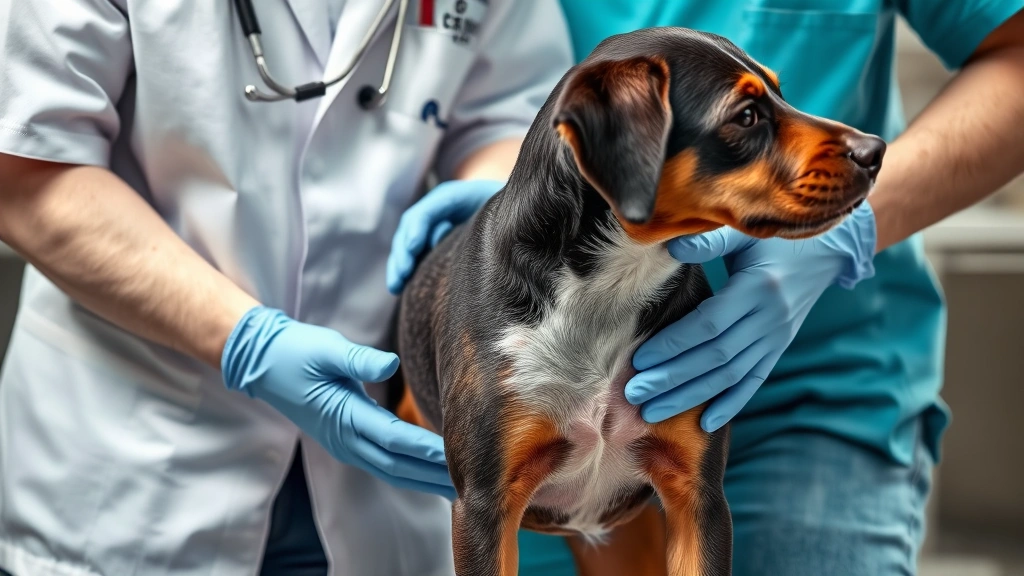
If your dog manages to eat a significant amount of pepperoni, watch for these warning signs: vomiting (especially within 2-4 hours), diarrhea, abdominal pain (indicated by whining or a hunched posture), lethargy, loss of appetite, or excessive drooling. Some dogs might also experience tremors or weakness if the onion/garlic content is high enough. If your dog shows any of these symptoms after eating pepperoni, contact your veterinarian immediately.
In cases of pancreatitis, symptoms might be delayed by 24-48 hours. If your dog ate pepperoni and you’re concerned, it’s better to call your vet and describe what happened rather than wait and see. They can advise whether your specific dog needs to be examined based on the amount consumed and your dog’s individual risk factors.

Better Alternatives to Pepperoni Treats
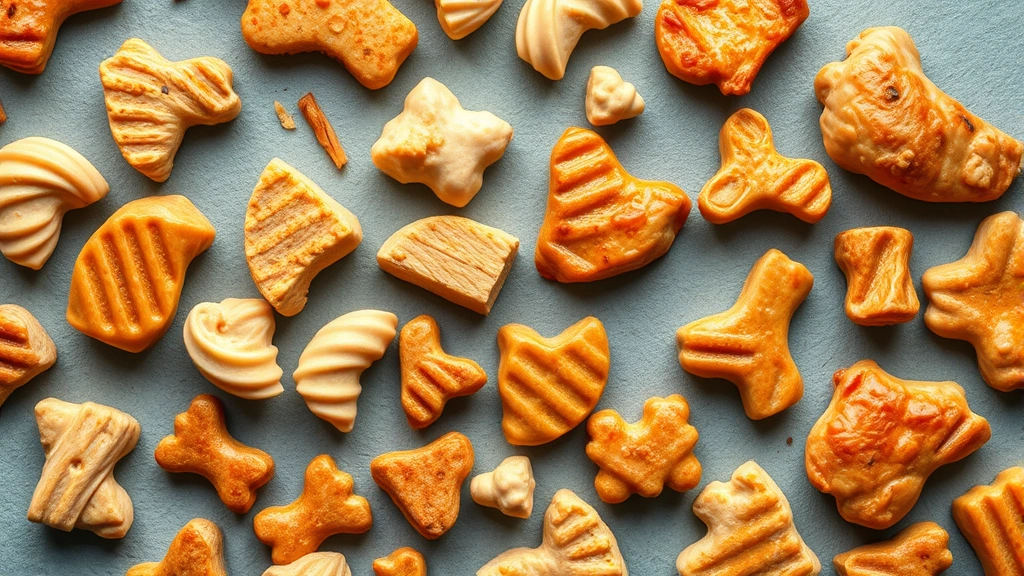
Want to give your dog a meaty, savory treat? There are plenty of safe options. Plain, cooked chicken breast is an excellent choice—it’s lean, protein-rich, and dogs love it. Beef jerky made without added salt or spices works too. You can also offer small pieces of cooked turkey, lean beef, or even plain cooked salmon for a special treat. For a fun texture similar to pepperoni’s chewiness, try dental chews or bully sticks designed specifically for dogs.
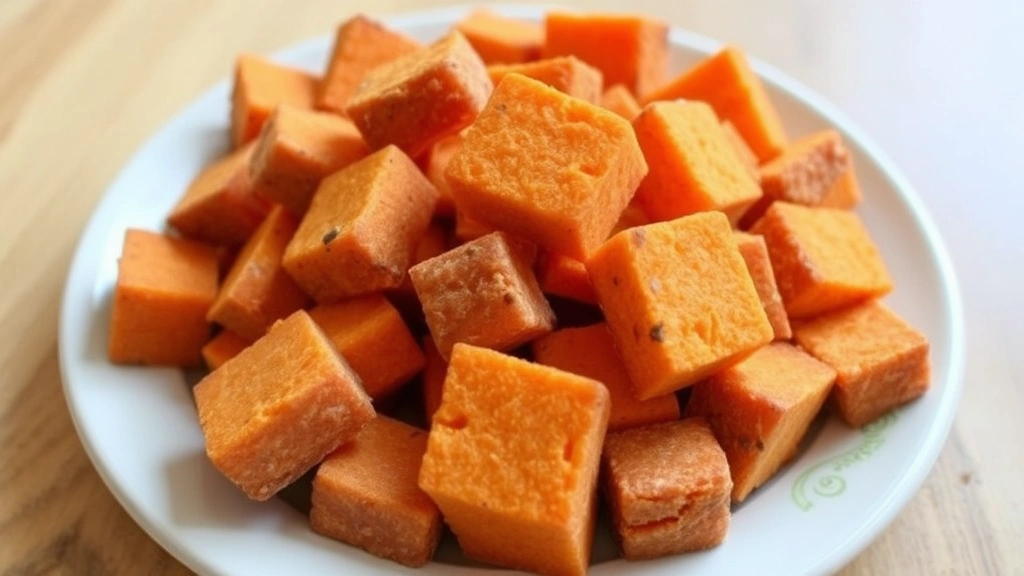
If you’re looking for something with a bit more flavor, consider making homemade dog treats using dog-safe ingredients. Pumpkin, sweet potato, and plain peanut butter (xylitol-free!) make delicious treats that your dog can enjoy guilt-free. Check out our guide on pet nutrition advice for more creative treat ideas.

Understanding Processed Meat Risks for Dogs
Pepperoni is just one example of why processed meats are problematic for dogs. Processed meats in general—including bacon, sausage, deli meat, and ham—share similar issues: high sodium, high fat, harmful preservatives, and spices that dogs shouldn’t consume. The more you understand about what not to feed your dog, the better equipped you’ll be to protect their health.
According to the American Kennel Club (AKC), processed meats should be avoided entirely in a dog’s diet. The organization emphasizes that dogs need whole, unprocessed foods to thrive. Similarly, PetMD warns against feeding dogs any cured or processed meats due to the combination of salt, fat, and preservatives.
Obesity and Human Food Treats
One often-overlooked consequence of feeding dogs human foods like pepperoni is obesity and weight gain from human food treats. A single slice of pepperoni can represent 5-10% of a small dog’s daily caloric needs. When you add these “just one bite” moments throughout the week, you’re looking at significant extra calories that contribute to weight gain.
Overweight dogs face increased risk of diabetes, joint problems, heart disease, and shortened lifespans. Prevention is far easier than managing obesity, so it’s worth resisting those puppy-dog eyes when you’re eating pepperoni pizza. Your dog will live longer and healthier if you maintain their ideal weight through proper nutrition and portion control.
What Veterinarians Say About Pepperoni
Most veterinarians agree: pepperoni has no place in a dog’s diet. The risks far outweigh any potential benefits. Veterinary nutritionists emphasize that dogs don’t need variety in the way humans do—they’re perfectly content eating the same high-quality dog food every day. Adding human foods, especially processed meats, introduces unnecessary risks and nutritional imbalances.
If your dog has eaten pepperoni and you’re worried, your vet can run blood tests to check for damage to red blood cells (from the garlic/onion) or elevated pancreatic enzymes (indicating pancreatitis). Early detection can make a huge difference in treatment outcomes.
Training Your Dog to Refuse Pepperoni
If pepperoni is a regular temptation in your household, consider training your dog to refuse human food. Teach a solid “leave it” command, which is invaluable for preventing accidental poisonings or injuries. Reward your dog heavily when they ignore food on the floor or table. This training takes time and consistency, but it’s one of the best investments you can make in your dog’s safety.
Also, educate family members and guests about your dog’s dietary restrictions. Kids especially might think sharing pizza with the dog is fun—explaining why it’s dangerous can prevent accidents. Keep pepperoni and other problematic foods out of reach, stored in cabinets or the fridge where your dog can’t access them.

Frequently Asked Questions
Can dogs eat pepperoni in small amounts?
While a tiny piece probably won’t cause immediate harm, it’s not recommended. Even small amounts of pepperoni expose your dog to garlic/onion toxins, excessive sodium, and fat. There’s no safe threshold—it’s better to avoid it entirely.
What should I do if my dog ate pepperoni?
Monitor your dog for 24-48 hours for signs of vomiting, diarrhea, abdominal pain, or lethargy. If symptoms appear or you’re concerned about the amount consumed, contact your veterinarian. Have information ready about how much your dog ate and when.
Is the casing on pepperoni safe for dogs?
No. The casing is often made from animal intestines and is typically not digestible for dogs. It can cause intestinal blockages, especially in small breeds. Never let your dog chew on pepperoni casing.
What if my dog has already eaten pepperoni regularly?
Schedule a veterinary check-up to assess your dog’s health. Your vet can check for pancreatitis, anemia, or other issues. Moving forward, eliminate pepperoni and other processed meats from their diet and focus on whole, dog-appropriate foods.
Are there any dog breeds that can tolerate pepperoni better?
No. All dogs have similar sensitivities to the harmful components in pepperoni. Larger breeds might handle a small amount slightly better due to body mass, but they’re not immune to pancreatitis, garlic/onion toxicity, or other risks.
Can I give my dog pepperoni-flavored dog treats instead?
Check the ingredients carefully. If they’re made specifically for dogs and don’t contain garlic, onion, excessive salt, or harmful spices, they’re safer than actual pepperoni. However, many commercial dog treats are still high in sodium and fat. Look for treats with simple, recognizable ingredients.
The Bottom Line: Keep Pepperoni Away From Your Pup
Is pepperoni bad for dogs? Absolutely. The combination of garlic and onion powder, excessive sodium, high fat content, and harmful preservatives makes pepperoni a food to avoid entirely. While one small piece probably won’t cause a crisis, regular or significant consumption can lead to serious health issues including pancreatitis, anemia, obesity, and digestive problems.
Your dog doesn’t need pepperoni to be happy. They need a high-quality diet, regular exercise, lots of love, and safe treats designed for their nutritional needs. When you’re eating pizza and your dog gives you those irresistible puppy-dog eyes, remember that refusing to share is actually an act of love. Your dog will thank you with years of healthy, happy companionship.
For more information about safe and unsafe foods for your dog, check out our comprehensive guide on spices safe for pets. And if you’re ever unsure about whether a food is safe, consult your veterinarian before offering it to your pup. Your vet knows your dog’s individual health status and can provide personalized dietary advice.





