
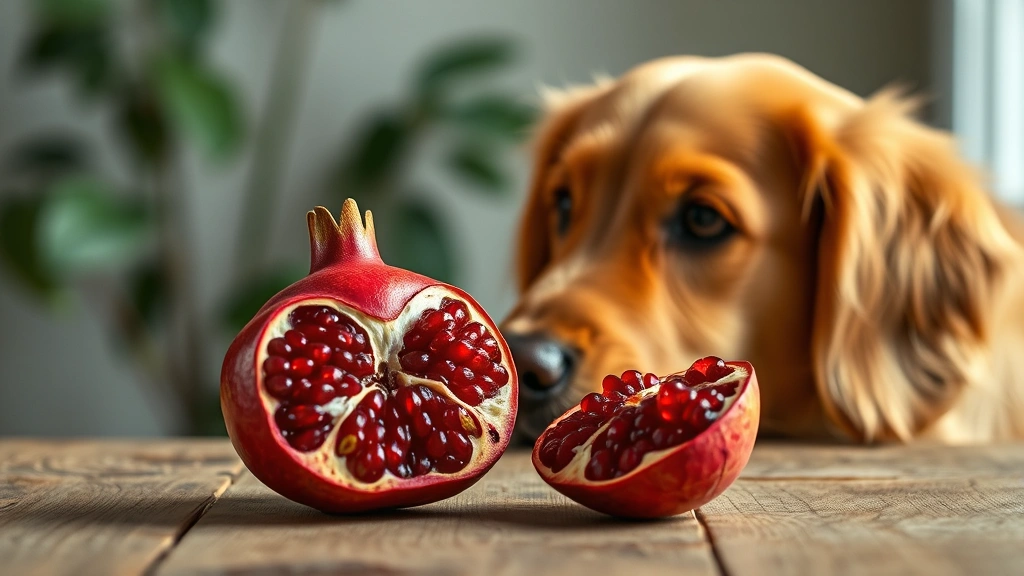
Is Pomegranate Safe for Dogs? Vet Recommendations
If you’re a dog parent who loves snacking on pomegranates, you’ve probably wondered whether your furry best friend can enjoy this delicious fruit too. It’s a natural question! After all, many fruits are packed with vitamins and antioxidants that benefit both humans and our canine companions. But when it comes to pomegranates, the answer isn’t as straightforward as you might hope.
Pomegranates are undeniably nutritious for people, bursting with vitamin C, fiber, and powerful antioxidants. However, dogs have different dietary needs and sensitivities than humans do. The question of whether pomegranate is good for dogs requires a closer look at the science, the risks, and what veterinarians actually recommend.
In this comprehensive guide, we’ll explore everything you need to know about pomegranates and your dog’s health, including what parts are safe, what to watch out for, and practical alternatives that might be better choices for your pup.
Understanding Pomegranates: What They Are
Before we dive into the safety question, let’s talk about what makes pomegranates unique. Unlike most fruits, pomegranates have a thick, leathery skin that houses hundreds of small seeds, called arils, each surrounded by a juice-filled pulp. The white pith that separates the sections is bitter and woody.
Pomegranates contain several beneficial compounds: vitamin C, vitamin K, folate, and polyphenol antioxidants. For humans, these nutrients contribute to heart health, reduced inflammation, and improved digestion. The fruit has been used in traditional medicine for thousands of years across Middle Eastern, Mediterranean, and Indian cultures.
However, the very characteristics that make pomegranates beneficial for people—their high fiber content, tannin levels, and seed structure—can create problems for dogs. The seeds themselves are small and hard, and the overall composition of the fruit doesn’t align well with canine digestive systems.
Safety Concerns: Why Vets Caution Against Pomegranates
Veterinarians consistently recommend avoiding pomegranates for dogs, and there are several solid reasons why. First and foremost, the seeds pose a choking hazard, particularly for smaller breeds or dogs who don’t chew thoroughly before swallowing. The hard, round seeds can become lodged in the throat or esophagus.
Beyond choking risks, pomegranates contain high levels of tannins. According to the American Kennel Club, tannins can cause gastrointestinal upset in dogs, leading to stomach pain, diarrhea, and vomiting. Dogs’ digestive systems aren’t designed to process tannins efficiently, unlike humans who consume tannic fruits regularly.
The high fiber content in pomegranates can also be problematic. While fiber is important for digestive health, too much fiber too quickly can cause digestive distress. Dogs on commercial kibble diets aren’t accustomed to processing the fiber load that pomegranates provide.
Additionally, pomegranates have a high sugar content. A single pomegranate contains roughly 32 grams of sugar, which is significant when considering that a small dog might only need a few grams of additional sugar per day. Excessive sugar intake in dogs can lead to obesity, dental problems, and even diabetes.

Which Parts Are Problematic for Dogs?
Not all parts of the pomegranate present equal risks, so it’s helpful to understand the breakdown. The seeds and arils (the juice-filled sacs around the seeds) are the main concern. While they’re technically not toxic in the strictest sense, they can cause physical harm through choking and digestive upset through their tannin and fiber content.
The pomegranate rind or skin is absolutely off-limits for dogs. It’s tough, indigestible, and can cause intestinal blockage if ingested in significant quantities. Never give your dog pomegranate skin.
The white pith—that bitter inner membrane—is also problematic. It’s difficult for dogs to digest and offers no nutritional benefit while potentially causing gastrointestinal upset.
Even the pomegranate juice, while liquid and seemingly safer, concentrates the sugars and tannins that cause problems. A small amount of diluted juice is less dangerous than whole fruit, but it’s still not recommended by most veterinarians.
If you’re concerned about whether dogs can eat pomegranate seeds specifically, the answer is that while a single seed likely won’t cause harm, they’re simply not worth the risk.

Signs Your Dog Ate Pomegranate
If your dog has managed to sneak some pomegranate despite your best efforts, here are the symptoms to watch for:
- Vomiting – Often occurs within a few hours of ingestion
- Diarrhea – Can range from mild to severe depending on quantity consumed
- Abdominal pain – Your dog may appear uncomfortable, restless, or reluctant to move
- Loss of appetite – Dogs may refuse their next meal or treats
- Excessive drooling – Can indicate digestive distress or difficulty swallowing
- Lethargy – Your dog may seem unusually tired or withdrawn
- Difficulty defecating – Constipation can occur as the digestive system struggles
- Choking signs – Gasping, difficulty breathing, or pawing at the mouth
Most cases of mild pomegranate ingestion resolve on their own within 24-48 hours with supportive care. However, if your dog shows signs of choking, severe vomiting, or symptoms that persist beyond a couple of days, contact your veterinarian immediately.
If you’re wondering what else might upset your dog’s stomach, check out our guide on what to feed a dog with diarrhea for recovery nutrition tips.
Better Fruit Alternatives for Your Pup
The good news is that plenty of fruits are both safe and beneficial for dogs when given in moderation. If you want to share healthy snacks with your pup, consider these alternatives:
Berries are excellent choices for dogs. Raspberries are good for dogs and offer natural antioxidants without the tannin issues. Similarly, dogs can safely eat blackberries, which provide nutritional benefits in a dog-friendly format. If you’re exploring other berry options, dogs can have cranberries as well, though they should be given unsweetened and in small quantities.
Apples (without seeds) are crunchy and refreshing. They help clean teeth and provide natural fiber that’s easier for dogs to digest than pomegranate fiber.
Blueberries are nutrient powerhouses for dogs, packed with antioxidants and low in sugar compared to many other fruits. Most dogs enjoy them as little treats.
Watermelon (without seeds) is hydrating and low in calories, making it perfect for hot days. Remove all seeds and rind before serving.
Bananas offer potassium and B vitamins, though they’re higher in sugar, so use them sparingly.
If you’re looking for non-fruit options, carrots are good for dogs and provide satisfying crunch with minimal caloric impact.
The ASPCA maintains a comprehensive list of safe and unsafe foods for dogs, which is an excellent resource for checking before offering any human food.
What Veterinarians Actually Recommend
When we spoke with veterinary nutritionists about pomegranates and dogs, the consensus was clear: pomegranates should be avoided entirely. Here’s why veterinarians recommend this position:
The Risk-Benefit Ratio Doesn’t Favor Pomegranate: While pomegranates contain antioxidants, dogs don’t need them from this particular fruit. Commercial dog foods already provide balanced nutrition tailored to canine needs. The risks—choking, digestive upset, and sugar overload—outweigh any potential benefits.
Better Alternatives Exist: There are numerous fruits and vegetables that provide similar or superior nutritional benefits without the complications. Why choose a risky option when safer alternatives exist?
Individual Variation Matters: Some dogs might tolerate a tiny amount of pomegranate, while others would experience severe reactions. This unpredictability is another reason vets recommend avoiding it altogether rather than taking individual risks.
According to the Veterinary Partner resource, the general principle is that any food carrying a choking risk or known to cause digestive upset should be excluded from a dog’s diet, regardless of potential nutritional benefits.
The Bottom Line from Veterinarians: If your dog accidentally consumes a small amount of pomegranate, don’t panic. Monitor them for symptoms and contact your vet if you notice anything concerning. However, intentionally feeding pomegranate to your dog is not recommended. There are simply too many better options available.
Frequently Asked Questions
Can dogs eat pomegranate juice?
Pomegranate juice is concentrated sugar and tannins without the fiber of whole fruit. While a tiny lick of diluted juice is unlikely to cause harm, it’s not recommended. Plain water or dog-safe broths are better beverage options for your pup.
What if my dog ate pomegranate seeds?
A single seed or a few seeds typically won’t cause serious harm to a medium or large dog. Monitor them for vomiting, diarrhea, or choking signs over the next 24 hours. If your small dog ate multiple seeds or shows any concerning symptoms, contact your veterinarian.
Is pomegranate toxic to dogs?
Pomegranate isn’t technically toxic in the way that grapes or chocolate are, but it’s unsafe for dogs due to choking hazards, high tannin content, excessive fiber, and sugar levels. The distinction is important: not toxic doesn’t mean safe.
Are there any health benefits of pomegranate for dogs?
While pomegranates contain antioxidants beneficial for humans, dogs don’t require them from this source. Their nutritional needs are met through balanced commercial dog food, and safer fruit alternatives provide similar benefits without the risks.
What should I do if my dog ate pomegranate?
If your dog ate a small amount, observe them for the next 24-48 hours. Watch for vomiting, diarrhea, abdominal pain, or choking signs. Provide plenty of fresh water and their normal diet. If symptoms develop or persist, contact your veterinarian. For choking signs or severe symptoms, seek emergency veterinary care immediately.
How much pomegranate would hurt a dog?
The amount needed to cause serious harm varies by dog size and individual sensitivity. A small dog eating a whole pomegranate faces serious choking and digestive risks. Even medium or large dogs can experience significant gastrointestinal upset from moderate amounts. It’s best to assume any amount is too much.
Can I give my dog pomegranate as a treat?
No, veterinarians recommend against using pomegranate as a treat. The risks outweigh benefits, and countless safer treat options exist. Stick with dog-specific treats or the safer fruit alternatives mentioned in this article.





