

So your pup is giving you those irresistible puppy dog eyes while you’re munching on popcorn during movie night, and you’re wondering: is popcorn ok for dogs? The short answer? It’s complicated, but mostly yes—with some serious caveats that could save your furry friend from a trip to the emergency vet.
Table of Contents
- Plain Popcorn vs. Movie Theater Popcorn: The Critical Difference
- Can Dogs Eat Popcorn Kernels? The Choking Hazard Nobody Talks About
- Nutritional Value: Why Popcorn Isn’t a Smart Treat Choice
- Digestive Issues and Pancreatitis Risk in Dogs
- Salt Toxicity: A Silent Killer You’re Not Thinking About
- What About Flavored Popcorn Seasonings? Read the Labels Carefully
- Safe Popcorn Serving Guidelines for Dogs
- Better Alternatives to Popcorn for Movie Night Bonding
- Breed-Specific Considerations: Size Matters
- What Veterinarians Actually Recommend
- The Bottom Line: Is Popcorn Safe for Dogs?
- Frequently Asked Questions
As a veterinary technician who’s seen more than a few dogs with preventable health issues, I’m here to break down exactly what you need to know before sharing your snacks with your four-legged family member. Plain popcorn in moderation won’t kill your dog, but there are specific risks and preparation methods that separate safe treats from potential hazards.
Plain Popcorn vs. Movie Theater Popcorn: The Critical Difference
Here’s where most dog owners get it wrong: they assume all popcorn is created equal. It’s not. Pet food safety extends to human snacks, and popcorn is a perfect example of why preparation matters.
Plain, air-popped popcorn with zero added ingredients? That’s technically safe for dogs in small quantities. But the moment you add butter, salt, caramel, cheese powder, or those sketchy artificial flavorings, you’re entering risky territory. Movie theater popcorn is basically a health disaster waiting to happen—it’s loaded with excessive salt, butter, and oils that can upset your dog’s digestive system and contribute to pancreatitis.
Your dog’s kidneys and heart aren’t designed to process the sodium levels in seasoned popcorn. We’re talking about a snack that contains more salt in one bucket than your dog should consume in an entire day.
Can Dogs Eat Popcorn Kernels? The Choking Hazard Nobody Talks About
This is the part that keeps veterinarians up at night. Unpopped kernels are a legitimate choking hazard and can cause serious dental damage. I’ve seen dogs crack their molars trying to crunch through hard kernels, resulting in expensive root canals and extractions.
Even popped popcorn can be problematic if your dog is an aggressive chewer or swallower. The pieces can get stuck in teeth, gums, or worse—cause intestinal blockages in dogs with sensitive digestive systems. Small breeds are particularly vulnerable.
The safest approach? If you’re going to give your dog popcorn, make absolutely sure every kernel is fully popped and cooled. Better yet, break the pieces into smaller, manageable sizes.
Nutritional Value: Why Popcorn Isn’t a Smart Treat Choice
Let’s be real: popcorn offers virtually zero nutritional benefit for your dog. It’s mostly air and carbohydrates with minimal protein, healthy fats, or essential nutrients. When you’re choosing treats, you want them to contribute something meaningful to your dog’s diet.
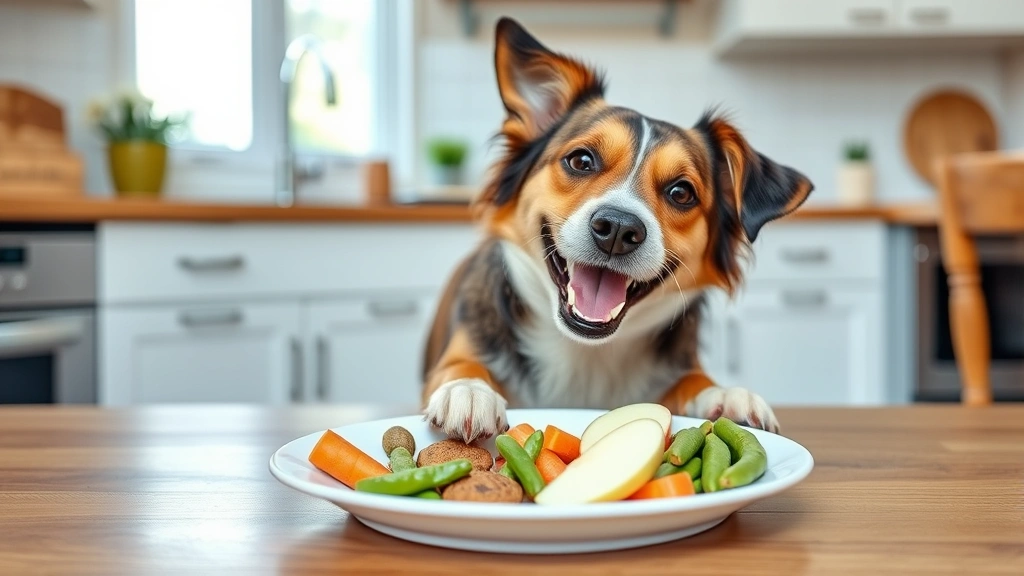
There are far better vet approved human foods for pets that actually provide nutritional value—things like carrots, apples, and pumpkin. If you’re looking to bond with your dog over snack time, why waste calories on empty carbs?
Digestive Issues and Pancreatitis Risk in Dogs
This is where the real danger lies. Dogs with sensitive stomachs or a history of pancreatitis should absolutely avoid popcorn, especially any version with added fats. Pancreatitis is no joke—it’s painful, expensive to treat, and can become chronic.
Even in healthy dogs, excessive popcorn consumption can lead to:
- Diarrhea and loose stools
- Vomiting
- Abdominal discomfort
- Gas and bloating
- Decreased appetite for regular meals
The high carbohydrate content combined with any added oils or butter creates a perfect storm for digestive upset. Your dog’s system is optimized for protein and fat, not refined carbs.

Salt Toxicity: A Silent Killer You’re Not Thinking About
Sodium toxicity in dogs is real and often overlooked. While a single piece of salted popcorn won’t cause immediate problems, regular consumption of salty snacks accumulates. Excessive salt intake can lead to:
- Increased thirst and urination
- Sodium ion poisoning (hypernatremia)
- Neurological symptoms in severe cases
- Kidney stress over time
Small dogs are at higher risk because their bodies are smaller and can’t dilute sodium as effectively. If your dog has kidney disease or heart conditions, salty foods are absolutely off-limits.
What About Flavored Popcorn Seasonings? Read the Labels Carefully
Some popcorn seasonings contain ingredients that are outright toxic to dogs. Garlic powder and onion powder, found in many seasoning blends, are poisonous to canines. Artificial sweeteners like xylitol are even worse—they can cause rapid insulin release and life-threatening hypoglycemia.
Butterscotch, caramel, and chocolate popcorn are absolute no-gos. Chocolate is toxic, and the high sugar content in caramel-coated varieties can contribute to obesity and dental disease. Always read ingredient labels before assuming a human snack is safe for your pup.
Safe Popcorn Serving Guidelines for Dogs
If you’ve decided your dog is getting popcorn (and you’re doing it safely), here’s the protocol:
- Air-pop only: Use an air popper, never microwave bags with added chemicals
- Cool completely: Hot popcorn can burn your dog’s mouth
- Remove all kernels: Check thoroughly for unpopped pieces
- No seasonings: Absolutely nothing added—not even salt
- Portion control: Treat as an occasional snack, not a regular thing
- Monitor your dog: Watch for digestive upset after consumption
Think of plain air-popped popcorn as an ultra-rare treat—maybe once or twice a month, if at all. It shouldn’t be a staple in your dog’s snack rotation.
Better Alternatives to Popcorn for Movie Night Bonding
Want to include your dog in your movie night experience without the risks? Check out our guide on human food alternatives for pets for creative options.
Some genuinely dog-friendly snacks include:
- Plain, cooked chicken pieces
- Carrots (raw or lightly steamed)
- Green beans
- Watermelon (seedless)
- Plain pumpkin puree
- Apple slices (no seeds)
- Plain, unsalted peanut butter (xylitol-free)
These options provide actual nutritional value, support dental health, and won’t upset your dog’s digestive system. Plus, your dog gets to feel included without the health risks.
Breed-Specific Considerations: Size Matters
Toy breeds and small dogs face greater risks from popcorn than larger breeds. A kernel that poses minimal risk to a 70-pound Lab could be a serious choking hazard for a 5-pound Chihuahua. Similarly, brachycephalic breeds (flat-faced dogs like Bulldogs and Pugs) have narrower airways and are at higher risk for choking incidents.
If you have a senior dog, arthritic dog, or one with dental disease, popcorn is an even worse choice. These dogs have difficulty chewing and swallowing, making any choking hazard more dangerous.
What Veterinarians Actually Recommend
I’ve talked to dozens of vets about this question, and the consensus is clear: there’s no good reason to give your dog popcorn. The risks—however small they might seem—outweigh any benefits. Dogs don’t crave popcorn or need it nutritionally. They’re happy with appropriate dog treats and the occasional safe human food.
Your vet’s recommendation will likely be to skip popcorn entirely and focus on treats that are specifically formulated for canine health. If your dog is overweight, popcorn (even plain) is empty calories that contribute to obesity and related health problems.
The Bottom Line: Is Popcorn Safe for Dogs?
Plain, air-popped popcorn without any seasonings, butter, or oil is technically safe for dogs in very small amounts. However, “technically safe” doesn’t mean “recommended.” The risks—choking hazards, digestive upset, salt toxicity, and empty calories—make popcorn a poor choice for your dog’s health.
If you absolutely must share popcorn with your dog, ensure it’s plain, fully popped, cooled, and given in tiny quantities as an ultra-rare treat. But honestly? Your dog will be healthier, happier, and safer if you choose from the many better alternatives available.
For more guidance on what your dog can and can’t eat, check out our comprehensive resources on puppy safe human foods and high value treats from kitchen ingredients. Your pup deserves snacks that actually support their health.
Frequently Asked Questions
Can dogs eat buttered popcorn?
No. Buttered popcorn contains excessive fat and salt that can cause digestive upset, pancreatitis, and contribute to obesity. The butter coating is particularly problematic for dogs with sensitive stomachs. Stick to plain, unseasoned options only—or better yet, skip popcorn entirely.
What should I do if my dog ate a lot of popcorn?
Monitor your dog closely for signs of digestive distress over the next 24-48 hours, including vomiting, diarrhea, abdominal pain, or lethargy. If your dog consumed salted popcorn in large quantities, ensure fresh water is always available. Contact your veterinarian if symptoms develop or if you’re concerned about choking hazards or blockages.
Is microwave popcorn safe for dogs?
Absolutely not. Microwave popcorn bags contain chemical coatings and flavorings that are harmful to dogs. Even the “butter” flavoring and salt content make it dangerous. Stick to air-popped only if you’re considering popcorn at all.
Can puppies have popcorn?
Puppies should avoid popcorn entirely. Their digestive systems are still developing, and they’re more prone to choking hazards. Focus on puppy safe human foods that support growth and development instead.
What are signs my dog is choking on popcorn?
Watch for excessive drooling, difficulty swallowing, gagging, pawing at the mouth, difficulty breathing, or panic. If you suspect choking, don’t wait—get to an emergency vet immediately. Choking is life-threatening and requires professional intervention.
How much plain popcorn can I safely give my dog?
If you’re determined to give plain popcorn, limit it to just a few pieces as an ultra-rare treat—maybe once or twice a month maximum. For a small dog, that’s 1-2 pieces; for a large dog, maybe 3-5 pieces. But honestly, there are much better treat options available.





