
Is Pumpkin Good for Dogs with Diarrhea? Vet Insights
If you’ve ever scrolled through dog parent forums at 2 AM while your pup’s stomach is doing gymnastics, you’ve probably seen pumpkin mentioned approximately seven thousand times. And honestly? There’s some legitimate science behind the hype. Pumpkin has become the go-to remedy in many households for canine digestive troubles, but is it actually the golden ticket to solving your dog’s diarrhea woes, or just another internet myth wrapped in orange goodness?
The short answer is yes—pumpkin can genuinely help with dog diarrhea, but like most things in life, it’s not a magic bullet. Understanding why pumpkin works, how to use it properly, and when to call your vet is essential for any responsible dog owner dealing with digestive issues. Let’s dig into what veterinarians actually know about this humble autumn favorite and how it can support your furry friend’s gut health.
Why Pumpkin Works for Dog Diarrhea
Pumpkin has earned its reputation as a digestive superstar for some genuinely solid reasons. According to the American Kennel Club, pumpkin is recognized as a safe and effective dietary supplement for managing mild gastrointestinal issues in dogs. The vegetable’s effectiveness comes down to its unique nutritional profile and how it interacts with your dog’s digestive system.
The magic happens because pumpkin is rich in soluble fiber, which acts like a sponge in your dog’s intestines. When your pup’s digestive system is in chaos mode, this fiber helps absorb excess water and firm up stool consistency. Additionally, pumpkin contains pectin, a natural compound that promotes beneficial bacteria growth in the gut. This prebiotic effect helps restore the healthy bacterial balance that diarrhea often disrupts.
Beyond fiber, pumpkin is loaded with essential nutrients including beta-carotene, potassium, and vitamin C. These compounds support overall digestive health and help reduce inflammation in the gut lining. The vegetable’s anti-inflammatory properties can soothe an irritated digestive tract, which is particularly helpful when your dog’s diarrhea stems from mild dietary indiscretion or stress-related stomach upset.
The Fiber Factor: How It Regulates Digestion
To understand pumpkin’s effectiveness, you need to appreciate the role fiber plays in canine digestion. Unlike humans, dogs have shorter digestive tracts and different dietary needs, but they absolutely benefit from appropriate fiber intake. Pumpkin contains both soluble and insoluble fiber, making it a well-rounded digestive aid.
Soluble fiber dissolves in water and creates a gel-like substance that slows down digestion and allows the intestines to absorb more water from the stool. This is exactly what you want when dealing with diarrhea—the stool becomes firmer and more formed. Insoluble fiber, meanwhile, adds bulk to the stool and promotes healthy intestinal movement, preventing constipation that sometimes follows diarrhea treatment.
The ASPCA notes that fiber can be particularly helpful for dogs experiencing acute diarrhea lasting a few days. However, the effectiveness depends on using the right type and amount of pumpkin. Too much fiber can actually exacerbate digestive issues, which is why dosing matters tremendously.
Which Type of Pumpkin Is Best?
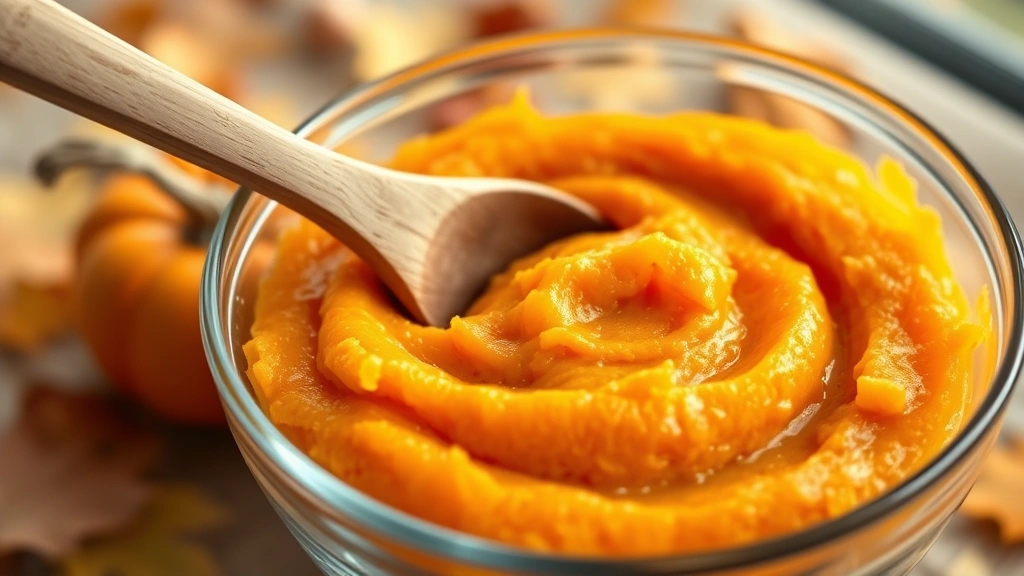
Not all pumpkin products are created equal, and this distinction is absolutely crucial. When veterinarians recommend pumpkin for diarrhea, they’re almost always talking about plain, cooked pumpkin puree—not pumpkin pie filling, pumpkin spice lattes, or decorative gourds.
Plain Pumpkin Puree: This is your gold standard. It’s simply cooked pumpkin with nothing added—no sugar, no spices, no preservatives. You can find it in most grocery stores year-round, typically in the baking aisle. Brands like Libby’s are veterinarian-approved and widely recommended. When you consider whether dogs can eat pumpkin, plain puree is always the safe choice.
Pumpkin Pie Filling: Absolutely avoid this for your dog. Pie filling contains added sugars, spices like nutmeg and cinnamon, and sometimes xylitol—an artificial sweetener that’s toxic to dogs. Even though it smells delicious to us, it’s a no-go for your pup’s digestive system.
Fresh Pumpkin: You can cook and puree fresh pumpkin at home, though it requires more effort. The fiber content is slightly different from canned puree, and it’s more watery, which might not be ideal when you’re trying to firm up stool. Canned puree is more concentrated and convenient.
Pumpkin Seeds: While pumpkin seeds have nutritional benefits, they’re not the best choice for treating acute diarrhea. They’re better used as an occasional treat or for other health purposes.

Dosage Guidelines for Your Dog
Getting the dosage right is where many well-intentioned dog parents stumble. Too little pumpkin won’t help, but too much can backfire and cause constipation or other digestive upset. The standard recommendation from most veterinarians follows a simple guideline based on your dog’s size.
Small Dogs (Under 15 pounds): Start with one to two teaspoons of plain pumpkin puree. This modest amount provides enough fiber to help regulate digestion without overwhelming their system.
Medium Dogs (15-30 pounds): One to two tablespoons is typically appropriate. You can adjust within this range based on your dog’s response.
Large Dogs (Over 30 pounds): Two to four tablespoons is generally recommended. Some very large dogs may tolerate up to a quarter cup, but start conservatively and increase gradually if needed.
When you’re determining how much pumpkin to give a dog for diarrhea, remember that individual dogs respond differently. Factors like their overall health, the severity of diarrhea, and their regular diet all play roles. Always start with the lower end of the recommended range and increase gradually over a few days if needed.
The frequency matters too. Most vets recommend giving pumpkin once or twice daily, mixed into your dog’s regular food. For acute diarrhea, you might offer it twice daily until symptoms improve, typically within 24-48 hours. If diarrhea persists beyond a few days despite pumpkin supplementation, it’s time to contact your veterinarian.
How to Serve Pumpkin to Your Dog
Serving pumpkin to your dog is wonderfully straightforward, which explains some of its popularity. The key is making it appealing and ensuring it mixes well with their food.
Mixed Into Regular Food: The simplest method is stirring pumpkin puree directly into your dog’s kibble or wet food. Most dogs find the slightly sweet taste pleasant and won’t object to the addition. If your dog is a picky eater, you might need to mix it in gradually, increasing the amount over several feedings.
Pumpkin Treats: You can freeze pumpkin puree in ice cube trays for a refreshing treat. This works particularly well on warm days and makes portion control easy. Pop out one or two cubes depending on your dog’s size.
Combined with Other Foods: Pumpkin pairs well with bland, easily digestible foods. When considering what to feed a dog with diarrhea, combining pumpkin with plain boiled chicken, plain rice, or sweet potato creates a soothing, nutritious meal. Speaking of which, plain rice for dogs is another excellent complementary food for digestive upset.
Pumpkin and Probiotics: Some veterinarians recommend combining pumpkin with a dog-specific probiotic to further support gut health. The fiber in pumpkin feeds beneficial bacteria, while probiotics introduce them, creating a one-two punch for digestive recovery.
Always ensure your dog has access to fresh water when adding pumpkin to their diet. The fiber works best when your dog stays well-hydrated, and water helps move everything through their system smoothly.
Alternative Remedies and Complementary Foods
While pumpkin is fantastic, it’s not the only tool in your digestive health toolkit. Understanding complementary approaches helps you address your dog’s diarrhea comprehensively.
Sweet Potato: Similar to pumpkin, sweet potatoes offer nutritional benefits for dogs. They’re slightly higher in sugar but provide excellent fiber and nutrients. Some dogs respond better to sweet potato than pumpkin, so it’s worth trying if pumpkin doesn’t seem to help.
Bone Broth: Plain, unsalted bone broth can soothe the digestive tract and provide hydration. A small amount mixed with food can be beneficial during recovery from diarrhea.
Slippery Elm Bark: This herbal supplement coats the digestive tract and may help reduce inflammation. Many holistic veterinarians recommend it alongside or instead of pumpkin.
Probiotics: Specific strains of beneficial bacteria can restore gut flora disrupted by diarrhea. Look for products specifically formulated for dogs, as human probiotics may not be appropriate.
Fasting: Short-term fasting (12-24 hours) can sometimes help reset a dog’s digestive system, though this should only be done under veterinary guidance, especially for puppies or senior dogs.
Remember, these approaches work best as part of a comprehensive strategy. Understanding how to stop dog diarrhea involves considering multiple factors: diet, hydration, stress levels, and underlying health conditions.
When to Contact Your Veterinarian
Pumpkin is excellent for mild, acute diarrhea, but it’s not a substitute for professional veterinary care when situations warrant it. Knowing when to reach out to your vet is crucial for your dog’s health.
Contact your veterinarian immediately if your dog experiences:
- Diarrhea lasting more than 3-5 days despite home remedies
- Blood or mucus in stool
- Signs of dehydration (dry gums, lethargy, sunken eyes)
- Vomiting accompanying diarrhea
- Abdominal pain or distension
- Fever or other signs of illness
- Diarrhea in puppies, senior dogs, or dogs with compromised immune systems
- Recent ingestion of toxins or foreign objects
These symptoms may indicate underlying conditions like infections, parasites, inflammatory bowel disease, or other serious issues that require professional diagnosis and treatment. Pumpkin might help manage symptoms, but addressing the root cause is essential.
Additionally, if your dog is on medications or has chronic health conditions, consult your vet before adding pumpkin to their diet. While generally safe, it can interact with certain medications or affect conditions like diabetes due to its carbohydrate content.
The Veterinary Partners website provides excellent resources about when home care is appropriate and when professional intervention is necessary.
Frequently Asked Questions
How quickly does pumpkin work for dog diarrhea?
Most dogs show improvement within 12-24 hours of starting pumpkin supplementation, though some may take up to 48 hours. The speed of improvement depends on the underlying cause of diarrhea, your dog’s individual digestive system, and the dosage used. Consistency matters—giving pumpkin once and expecting immediate results won’t work as well as regular, continued supplementation.
Can pumpkin cause constipation in dogs?
Yes, excessive pumpkin can cause constipation. This is why dosing matters tremendously. If your dog becomes constipated after pumpkin supplementation, reduce the amount or discontinue it temporarily. Ensure your dog drinks plenty of water and gets adequate exercise to maintain healthy digestion. If constipation persists, contact your veterinarian.
Is canned pumpkin safe for all dogs?
Plain canned pumpkin puree is safe for the vast majority of dogs, but individual exceptions exist. Dogs with certain health conditions, such as diabetes, may need to limit pumpkin due to its carbohydrate content. Dogs with severe inflammatory bowel disease might need different dietary approaches. Always discuss dietary changes with your vet, especially if your dog has pre-existing health conditions.
Can I give pumpkin to my puppy with diarrhea?
Yes, pumpkin is safe for puppies, but use smaller doses—typically one-quarter to one-half teaspoon for very young puppies. Puppy diarrhea can indicate serious issues like parasites or parvovirus, so contact your veterinarian promptly if your puppy has diarrhea. Pumpkin can support recovery but shouldn’t delay professional diagnosis.
Does pumpkin work for constipation too?
Interestingly, yes—pumpkin can help with both diarrhea and constipation, though the mechanism differs slightly. For constipation, the fiber in pumpkin promotes bowel movement, while the added moisture helps soften stool. This dual functionality makes pumpkin a genuinely useful digestive aid for various issues.
What’s the difference between pumpkin and pumpkin seed oil?
Pumpkin puree and pumpkin seed oil are entirely different products with different benefits. Pumpkin puree is what you want for diarrhea treatment due to its fiber content. Pumpkin seed oil has other health benefits, particularly for urinary and skin health, but won’t provide the same digestive support as puree.
How long can I give my dog pumpkin?
For acute diarrhea, pumpkin supplementation typically lasts just a few days to a week. For chronic digestive issues or ongoing digestive support, many dogs can safely receive pumpkin indefinitely, though discuss long-term use with your veterinarian. Some dogs benefit from occasional pumpkin supplementation as preventative maintenance.
Can I use pumpkin alongside other diarrhea treatments?
Generally yes, pumpkin combines well with other supportive treatments like probiotics, bone broth, and bland diets. However, check with your veterinarian before combining pumpkin with medications, as certain interactions are possible. Your vet can recommend the best combination approach for your dog’s specific situation.





