

Is Purina a Good Dog Food? What Experts Say
When it comes to choosing the right food for your furry best friend, the options can feel overwhelming. With countless brands lining the shelves, pet owners often find themselves asking: Is Purina a good dog food? This question has sparked considerable debate among veterinarians, nutritionists, and dog lovers alike. Purina, as one of the largest pet food manufacturers in the world, has built a reputation spanning decades, but that doesn’t automatically mean it’s the best choice for every dog.
The truth is, determining whether Purina qualifies as “good” dog food requires looking beyond marketing claims and brand recognition. You need to examine ingredient quality, nutritional balance, safety standards, and how well specific formulas work for individual dogs. This comprehensive guide will break down everything you need to know about Purina dog food, from its formulations and ingredient sourcing to expert opinions and real-world results.
Whether you’re a longtime Purina customer questioning your choice or a new dog owner researching options, understanding the facts about this major brand will help you make an informed decision that prioritizes your dog’s health and wellbeing.
Understanding Purina: Company Background and Scale
Purina, owned by Nestlé, stands as one of the most recognizable names in pet nutrition globally. The company has been in the business of pet food manufacturing since 1926, giving it nearly a century of experience in the industry. This longevity alone suggests they’ve developed substantial expertise in canine nutrition, though longevity doesn’t automatically guarantee superiority.
The sheer scale of Purina’s operations is remarkable. The company produces hundreds of millions of pounds of dog food annually, serving millions of dogs worldwide. This massive production capability means they have invested heavily in research, quality control systems, and nutritional science. However, size also means they must balance quality standards with profit margins—a reality that influences ingredient selection and pricing strategies.
Purina operates multiple product lines ranging from budget-friendly options to premium formulations. Understanding these different tiers is essential because not all Purina products are created equal. Some lines receive significantly more scrutiny and investment than others, which directly impacts their nutritional value and ingredient quality.
Ingredient Analysis and Nutritional Content
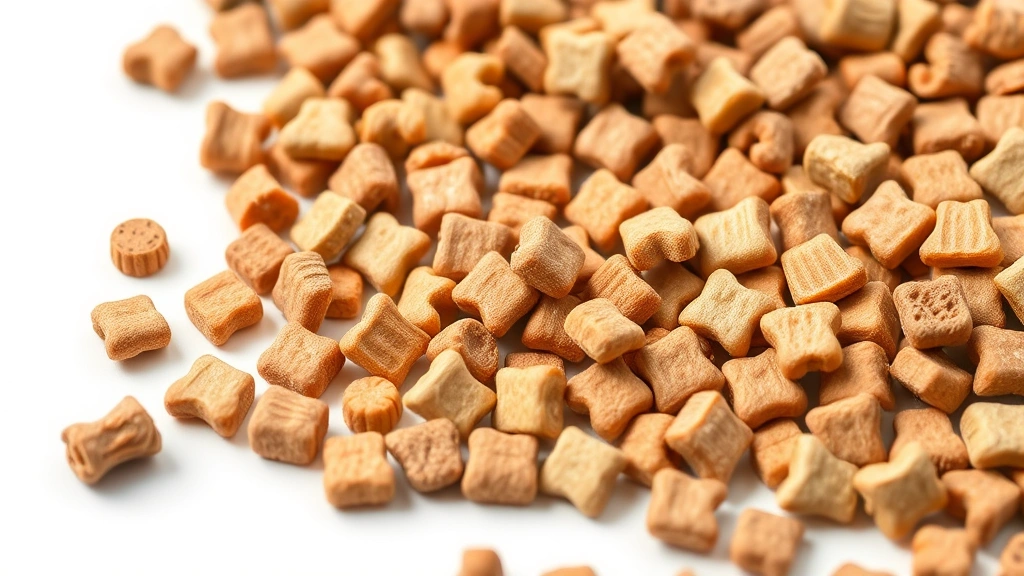
When evaluating whether Purina is a good dog food, you must start with ingredient analysis. Purina’s ingredient lists vary considerably depending on which product line you’re examining. Their budget lines often contain more grain fillers and meat by-products, while their premium lines feature higher-quality protein sources and fewer artificial additives.
Many Purina products contain corn, wheat, and soy as primary ingredients. These grains are economical and provide carbohydrate content, but they’re not ideal for all dogs. Some dogs digest grains well, while others experience sensitivities or allergies. If your dog has grain sensitivities, you might need to explore alternatives or look at Purina’s grain-free options, though the grain-free trend has become controversial in recent years due to potential links to heart health issues.
Protein quality matters significantly in dog nutrition. Purina uses various protein sources including meat meals, poultry by-products, and whole meat proteins depending on the product line. Their higher-end formulations typically feature named meat sources like chicken, beef, or salmon as primary ingredients, while budget lines may list “meat and bone meal” or “poultry by-products” higher on the ingredient list. These by-products aren’t necessarily harmful—they’re often nutritionally complete—but they’re less digestible than whole meat proteins.
The company does include essential vitamins and minerals in their formulations, and they conduct feeding trials on many of their products to ensure they meet AAFCO (Association of American Feed Control Officials) standards. This testing provides some assurance of nutritional adequacy, though it doesn’t guarantee optimal nutrition for every individual dog.

Purina’s Different Product Lines
Understanding Purina’s product hierarchy is crucial because “Purina” isn’t a single product—it’s an umbrella brand encompassing numerous lines with vastly different quality levels and price points.
Purina ONE represents their premium line, featuring higher protein content and fewer artificial flavors and colors. This line appeals to owners seeking better ingredient quality while staying within the Purina brand family.
Purina Pro Plan is another premium option that deserves special mention. Many veterinarians recommend this line because it offers prescription diet options and therapeutic formulations. If you’re interested in learning more about this specific line, our detailed guide on whether Purina Pro Plan is a good dog food provides comprehensive analysis of this particular product line.
Purina Beneful is their mainstream line, widely available at grocery stores and representing a middle ground in terms of quality and price. This line uses more grain-based ingredients and artificial colors.
Purina DogChow and other budget lines use more economical ingredients and are positioned as affordable options for budget-conscious pet owners. While these products meet nutritional minimums, they don’t offer the same ingredient quality as premium lines.
The variance between these product lines is significant. Your choice of which Purina product matters just as much as choosing Purina itself. A dog thriving on Purina ONE may not do well on budget Purina formulations, and vice versa.
What Veterinarians and Experts Say
Expert opinions on Purina are mixed, reflecting the brand’s diverse product range and the individualized nature of canine nutrition. Many veterinarians respect Purina’s research investments and recommend specific Purina formulations, particularly Purina Pro Plan options for dogs with specific health needs.
The American Kennel Club (AKC) doesn’t endorse specific brands but emphasizes the importance of AAFCO certification and consulting with veterinarians—both of which Purina satisfies. Veterinary nutritionists often appreciate Purina’s commitment to research, though some prefer brands that use fewer grain ingredients or artificial additives.
According to veterinary nutritionists, what matters most isn’t the brand name but whether the specific formula meets your individual dog’s needs. A dog with sensitive digestion might thrive on a specialized Purina formula while struggling with a premium boutique brand, and vice versa.
Some nutrition experts have raised concerns about Purina’s use of artificial colors and flavors in certain lines, arguing that these additives are unnecessary and potentially problematic. However, the FDA has approved these additives as safe, though the debate continues in nutritional science communities.
Safety Record and Recall History
Any discussion of dog food quality must include safety considerations. Purina has experienced recalls over the years, as have virtually all major pet food manufacturers. The company’s recall history shows issues ranging from potential contamination to nutritional imbalances, though serious incidents have been relatively rare given their massive production scale.
Purina maintains quality control systems and cooperates with regulatory agencies. When issues arise, they typically issue recalls promptly and communicate clearly with consumers. This transparency is important—it suggests the company takes safety seriously rather than attempting to hide problems.
Comparing Purina’s safety record to competitors reveals that recalls aren’t unique to this brand. Blue Buffalo, often positioned as a premium alternative, has also experienced recalls. Similarly, Pedigree, another major brand, has had safety issues in the past. The reality is that any manufacturer at scale faces potential safety challenges; what matters is how they respond.
To stay informed about potential recalls, you can check the FDA’s pet food recall database regularly. This proactive approach helps ensure you’re aware of any issues affecting products you’re currently feeding your dog.
Pros and Cons of Purina Dog Food
Advantages of Purina:
- Extensive research backing: Purina invests significantly in nutritional science and conducts feeding trials on many formulations
- Wide availability: You can find Purina products virtually everywhere, from grocery stores to veterinary clinics
- Variety of options: Multiple product lines allow you to find formulations suited to different life stages, sizes, and dietary needs
- Veterinary support: Many veterinarians recommend specific Purina products, particularly for therapeutic diets
- Affordability: Purina offers options at various price points, making quality nutrition accessible to more pet owners
- Established reputation: Nearly a century of operation demonstrates longevity and industry knowledge
Disadvantages of Purina:
- Grain-heavy formulations: Many Purina products use corn, wheat, and soy as primary ingredients, which may not suit all dogs
- Artificial additives: Some product lines contain artificial colors and flavors that some owners prefer to avoid
- By-product ingredients: Budget lines contain meat by-products rather than whole meat proteins
- Mixed expert opinions: While respected, Purina isn’t universally considered superior to all competitors
- Quality variation: The significant difference between product lines means you must choose carefully
- Not ideal for all dogs: Some dogs with sensitivities or specific health needs may require alternative brands or specialized formulations
Comparing Purina to Alternatives
To properly answer whether Purina is good dog food, you should understand how it compares to alternatives. The pet food market offers numerous options, each with different philosophies and ingredient approaches.
Blue Buffalo positions itself as a premium, natural alternative, emphasizing grain-free options and whole meat proteins. However, premium positioning doesn’t automatically mean superior nutrition, and some of Blue Buffalo’s grain-free formulations have faced the same heart health concerns as other grain-free brands.
Pedigree, another major competitor, operates at similar price points to mainstream Purina lines and uses comparable ingredients. The choice between them often comes down to individual dog preferences and specific formula benefits rather than one being universally superior.
Premium boutique brands often emphasize single-source proteins, organic ingredients, and limited ingredient formulations. While these may appeal to owners seeking “natural” options, they don’t necessarily provide better nutrition than well-formulated Purina products. Some dogs thrive on boutique brands; others do better on Purina. Individual variation matters significantly.
When deciding between brands, consider your dog’s specific needs rather than brand prestige. A dog with grain sensitivities needs a grain-free or limited-grain option regardless of brand. A dog with a sensitive stomach might need a formula with easily digestible proteins. A puppy requires different nutrition than an adult dog. Understanding your dog’s individual needs matters more than brand loyalty.
Frequently Asked Questions
Is Purina dog food safe for dogs?
Yes, Purina dog food is generally safe for dogs. The brand maintains quality control systems, conducts safety testing, and cooperates with regulatory agencies. Like all major manufacturers, Purina has experienced recalls, but these are typically handled promptly and transparently. Always check for recalls using the FDA database and consult your veterinarian if you have specific concerns about a product.
Why do veterinarians recommend Purina?
Many veterinarians recommend specific Purina products, particularly Purina Pro Plan, because the company invests in nutritional research, offers therapeutic diet options, and conducts feeding trials. Veterinarians often have positive experiences with certain Purina formulations helping dogs with specific health conditions. However, not all veterinarians recommend Purina, and individual veterinary recommendations depend on the specific product and your dog’s needs.
Is Purina better than other dog food brands?
“Better” depends on your individual dog’s needs, health status, and preferences. Purina offers quality options that work well for many dogs, but it’s not universally superior to all competitors. Some dogs thrive on Purina; others do better on alternative brands. The best approach is consulting your veterinarian and observing your dog’s health, coat condition, and digestive health to determine what works best for your specific pet.
Should I consider how much food to feed my dog when choosing a brand?
Absolutely. Different foods have different caloric densities and nutrient concentrations. When switching brands or selecting a new food, understanding how much food you should feed your dog ensures proper portion sizes and prevents overfeeding or underfeeding. Your dog’s age, size, activity level, and metabolism all influence appropriate portions.
What if my dog has digestive issues with Purina?
If your dog experiences digestive problems with a particular Purina formula, you have several options. First, discuss the issue with your veterinarian to rule out underlying health problems. Second, try a different Purina product line with different ingredients. Third, if your dog has specific sensitivities, consult our guide on what to feed a dog with diarrhea for specialized dietary approaches. Sometimes a simple formula change resolves digestive issues.
Can puppies eat adult Purina dog food?
Puppies have different nutritional requirements than adult dogs, particularly regarding calcium, phosphorus, and caloric density. While puppies might technically survive on adult Purina food, it’s not ideal. Purina offers puppy-specific formulations designed for proper growth and development. For detailed information about this topic, read our comprehensive article on whether adult dogs can eat puppy food, which also addresses the reverse scenario.
Are Purina grain-free options good choices?
Purina offers grain-free options for dogs with grain sensitivities. However, grain-free doesn’t automatically mean better. In recent years, concerns have emerged about potential links between grain-free diets and dilated cardiomyopathy in certain dogs. Consult your veterinarian before switching to grain-free formulations, especially if your dog has no documented grain sensitivity. For many dogs, grain-inclusive diets work perfectly well.
How does Purina Pro Plan compare to regular Purina?
Purina Pro Plan represents a significant step up in quality from budget Purina lines. It features higher protein content, better ingredient quality, and therapeutic options for specific health conditions. Many veterinarians specifically recommend Purina Pro Plan over other Purina products. If you’re considering Purina but want a higher-quality option within the brand, Purina Pro Plan warrants serious consideration.





