
Is Purina Dog Chow Good for Dogs? What Experts Say
When it comes to feeding your furry best friend, the choices can feel overwhelming. Walk down any pet store aisle and you’ll find shelves lined with dog food options, each promising optimal nutrition and tail-wagging satisfaction. But one brand that’s been around for decades is Purina Dog Chow—a household name that many dog owners recognize and trust. So the burning question remains: is Purina Dog Chow actually good for your dog?
This question deserves a thorough answer because what you put in your dog’s bowl directly impacts their health, energy levels, coat quality, and overall well-being. We’re not here to bash or blindly praise any brand; instead, we’ll break down the facts, examine the ingredients, and share what veterinary professionals and nutrition experts have to say about this popular kibble.
Whether you’re a current Purina Dog Chow user wondering if you’re making the right choice, or you’re considering switching to this budget-friendly option, this comprehensive guide will help you make an informed decision for your pup.
What Is Purina Dog Chow?
Purina Dog Chow has been a staple in American households since 1957, making it one of the longest-standing dog food brands on the market. Produced by Nestlé Purina PetCare, this kibble is designed to provide complete and balanced nutrition for adult dogs of all sizes and life stages.
The brand offers several formulations, including original Purina Dog Chow, as well as specialized versions like Dog Chow Complete Adult, Dog Chow Healthy Weight, and Dog Chow High Protein. This variety means the brand attempts to address different dietary needs and preferences across the canine population.
What makes Purina Dog Chow particularly popular is its affordability. It’s positioned as a budget-friendly option that doesn’t require a trip to specialty pet stores—you can find it at most supermarkets and major retailers. But does the lower price tag mean you’re sacrificing quality? That’s what we need to explore.
Ingredient Breakdown and Nutritional Analysis
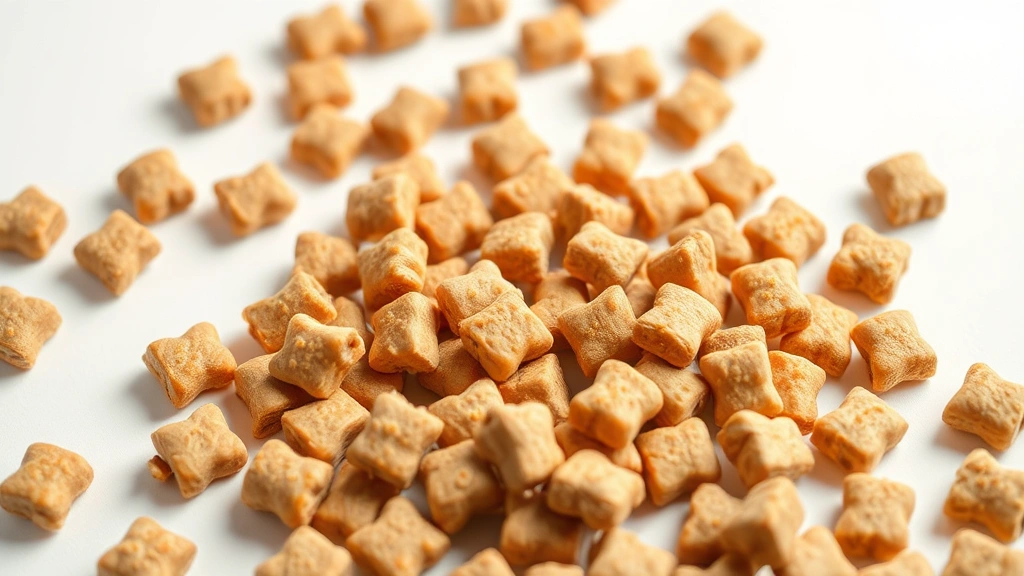
To understand whether Purina Dog Chow is good for dogs, we need to examine what’s actually in the bowl. Let’s break down the typical ingredient list you’ll find in Purina Dog Chow Complete Adult (the most common formula).
Primary Ingredients: The first few ingredients in Purina Dog Chow typically include corn meal, soybean meal, and meat and bone meal. This is where opinions start to diverge among pet nutrition experts. Corn meal is an affordable carbohydrate source that provides energy but is less nutrient-dense than whole grains or vegetables. Soybean meal is a plant-based protein source, while meat and bone meal is a rendered animal protein.
Unlike premium brands that often list whole meat as the first ingredient, Purina Dog Chow relies on these more economical protein and carbohydrate sources. This isn’t necessarily harmful—it’s simply a reflection of the product’s price point and manufacturing philosophy.
Protein and Fat Content: According to the guaranteed analysis on the bag, Purina Dog Chow typically contains around 18-22% crude protein and 8-10% crude fat, depending on the specific formula. These levels meet the AAFCO (Association of American Feed Control Officials) minimum standards for adult dog maintenance, which require at least 18% protein and 5% fat.
While these levels are adequate for maintaining a healthy adult dog, they may be on the lower end compared to some premium brands that offer 25-30% protein. However, more protein isn’t necessarily better—dogs need appropriate amounts based on their age, activity level, and health status.
Added Vitamins and Minerals: Purina Dog Chow includes added vitamins and minerals to ensure complete nutrition. You’ll see ingredients like vitamin E, vitamin A, thiamine mononitrate, and various mineral sources. This is actually important because processed kibble can lose some nutritional value during manufacturing.
Grain Content: One point of consideration is that Purina Dog Chow is a grain-inclusive formula containing corn, corn meal, and soybean. Some dog owners prefer grain-free options, though the FDA has investigated potential links between grain-free diets and heart disease in dogs. For most healthy dogs, grains pose no problem and can be a good source of fiber and nutrients.

Pros and Cons of Purina Dog Chow
Advantages
- Affordability: Purina Dog Chow is one of the most budget-friendly dog food options available, making it accessible to dog owners on tight budgets.
- Wide Availability: You can find this food almost anywhere—grocery stores, supermarkets, and online retailers stock it readily.
- Complete Nutrition: The formula meets AAFCO standards for complete and balanced nutrition for adult dogs.
- Palatability: Most dogs find the food tasty and will eat it without hesitation.
- Variety of Formulas: Purina offers different versions for various needs, from weight management to high protein options.
- Long Track Record: With over 60 years on the market, the brand has proven itself to be generally safe and acceptable for dogs.
- Digestibility: Most dogs tolerate Purina Dog Chow well without digestive upset, though this varies by individual dog.
Disadvantages
- Lower Quality Protein Sources: The reliance on meat and bone meal and soybean meal means less whole meat protein compared to premium brands.
- Corn as Primary Ingredient: While not harmful, corn is less nutrient-dense than whole proteins or vegetables.
- Limited Ingredient Transparency: Some pet owners prefer brands that provide more detailed sourcing information.
- Artificial Preservatives: Some formulas may contain BHA or BHT, though Purina has been moving toward more natural preservation methods.
- Lower Nutrient Density: You may need to feed larger portions compared to premium foods with higher nutrient density.
- Not Ideal for Sensitive Dogs: Dogs with allergies or sensitivities may struggle with the grain content or specific protein sources.
What Do Experts Say?
When examining what veterinary professionals and pet nutrition experts say about Purina Dog Chow, the consensus is nuanced. Most don’t condemn the food outright, but they also don’t typically recommend it as an optimal choice.
Veterinary Perspective: Many veterinarians acknowledge that Purina Dog Chow is a safe, adequate food that meets nutritional standards. However, they often suggest that exploring other Purina options or comparing it with alternatives might benefit individual dogs. Veterinarians are more likely to recommend Purina Dog Chow for healthy adult dogs without special dietary needs.
Certified Animal Nutritionists: Experts in pet nutrition, particularly those with certification from the AAFCO, note that while Purina Dog Chow meets minimum nutritional requirements, it may not be optimal for all dogs. They point out that the ingredient quality and nutrient profile could be improved.
Independent Dog Food Review Sites: Various independent review platforms rate Purina Dog Chow with mixed scores. While it typically passes safety standards, it often receives lower ratings for ingredient quality compared to premium or prescription brands.
The overarching expert opinion seems to be: Purina Dog Chow is not harmful and is adequate for many dogs, but it’s not necessarily the best choice if you have the resources to explore other options.
How It Compares to Other Brands
To put Purina Dog Chow in perspective, let’s compare it to other options in different price categories.
vs. Premium Brands: When compared to premium brands like Orijen or Acana, Purina Dog Chow has lower protein content (typically 18-22% vs. 30%+) and relies more on plant-based ingredients. Premium brands often cost two to three times as much but offer whole meat as primary ingredients.
vs. Other Budget Brands: Purina Dog Chow competes with brands like Pedigree and store brands. When compared to Pedigree, both are similar in price and ingredient philosophy, though formulations vary slightly between brands.
vs. Mid-Range Options: Purina Pro Plan, which is Purina’s premium line, offers better ingredient quality and higher protein content at a mid-range price point. Many experts suggest Pro Plan as a better value if budget allows.
The reality is that Purina Dog Chow occupies the budget-friendly space in the market. It’s not the worst food available, but it’s also not competing with premium or prescription options in terms of ingredient quality or nutrient density.
Is Purina Dog Chow Right for Your Dog?
The answer to whether Purina Dog Chow is good for your dog depends on several factors specific to your situation.
Purina Dog Chow May Be Suitable If:
- Your dog is a healthy adult with no special dietary needs
- Your dog has no known food allergies or sensitivities
- Budget is a primary concern and you need an affordable option
- Your dog has a history of tolerating this food well without digestive issues
- Your veterinarian hasn’t recommended a specific alternative
- You’re looking for a food that’s widely available and convenient
Consider Alternatives If:
- Your dog has digestive sensitivities or food allergies
- Your dog is a senior or has specific health conditions
- Your dog is very active or athletic and needs higher protein content
- Your budget allows for higher-quality ingredients
- Your veterinarian recommends a different food based on your dog’s individual needs
- You want whole meat as the primary ingredient
When deciding how much food to feed your dog, remember that Purina Dog Chow’s lower nutrient density may mean feeding larger portions than you would with premium foods. Always follow the feeding guidelines on the bag and adjust based on your dog’s body condition and activity level.
If your dog is experiencing digestive issues, consider checking out our guide on what to feed a dog with diarrhea or consulting with your veterinarian about dietary adjustments.
The Ingredient Factor: If ingredient quality matters to you, it’s worth noting that whole chicken and other whole meats are nutritionally superior to rendered meat products. However, this doesn’t mean your dog can’t thrive on Purina Dog Chow if other factors align.
Frequently Asked Questions
Is Purina Dog Chow AAFCO approved?
Yes, Purina Dog Chow meets AAFCO standards for complete and balanced nutrition. The AAFCO statement appears on the packaging. However, meeting minimum standards doesn’t necessarily mean it’s the optimal choice for every dog.
Can Purina Dog Chow cause allergies?
While Purina Dog Chow itself doesn’t cause allergies, some dogs may be sensitive to specific ingredients like corn, soy, or certain proteins. If your dog shows signs of allergies (itching, ear infections, digestive upset), consult your veterinarian about alternative foods.
Is Purina Dog Chow safe for puppies?
Purina Dog Chow Complete Adult is formulated for adult dogs and isn’t ideal for puppies, who have different nutritional requirements. Purina offers puppy-specific formulas that are more appropriate for growing dogs.
How does Purina Dog Chow compare to prescription dog foods?
Prescription dog foods are formulated for specific health conditions and are much more specialized than Purina Dog Chow. They’re only appropriate when recommended by a veterinarian for a specific medical reason.
Can I mix Purina Dog Chow with other foods?
Yes, you can mix Purina Dog Chow with other foods, though you should transition gradually to avoid digestive upset. If you’re considering mixing it with table scraps or other foods, ensure you’re not creating nutritional imbalances.
Is Purina Dog Chow good for weight management?
Purina offers a Healthy Weight formula specifically designed for weight management. However, weight management is more about portion control and exercise than food choice. Consult your veterinarian if your dog needs to lose weight.
What’s the difference between Purina Dog Chow and Purina Pro Plan?
Purina Pro Plan is Purina’s premium line with higher protein content, better ingredient quality, and specialized formulas for various health needs. It costs more but offers improved nutritional profiles compared to standard Purina Dog Chow.
Should I switch my dog off Purina Dog Chow?
Whether to switch depends on your dog’s individual health, your budget, and your preferences regarding ingredient quality. If your dog is healthy and thriving on Purina Dog Chow, switching may not be necessary. However, if you have concerns, discuss options with your veterinarian.





