
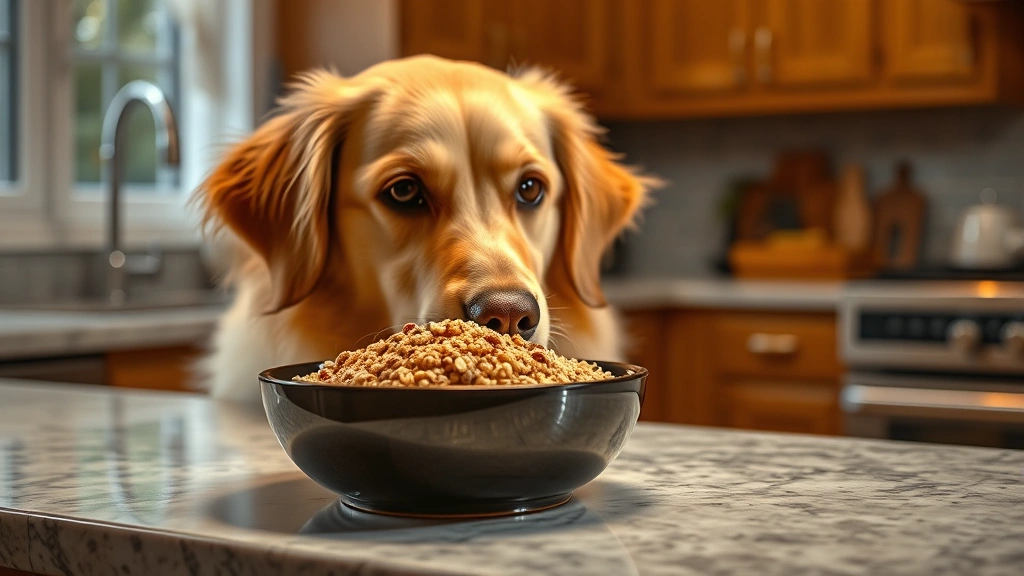
So, is quinoa bad for dogs? The short answer: nope! Quinoa is actually safe for your pup in moderation, though it’s not exactly a nutritional superstar for canines. Let’s dig into what you need to know before you start sharing your trendy grain bowls with Fido.
Table of Contents
- What Exactly Is Quinoa and Why Do People Care?
- The Safety Verdict: Can Dogs Eat Quinoa Safely?
- Nutritional Benefits of Quinoa for Canine Companions
- Potential Digestive Issues and Grain Sensitivity
- How to Safely Introduce Quinoa to Your Dog’s Diet
- Common Quinoa Preparation Mistakes to Avoid
- Better Alternatives to Quinoa for Your Dog
- When to Call Your Vet About Quinoa Consumption
- Breed-Specific Considerations for Quinoa
- The Bottom Line: Should You Feed Your Dog Quinoa?
- Frequently Asked Questions
- Summary: The Quinoa Question Answered
What Exactly Is Quinoa and Why Do People Care?
Quinoa (pronounced “KEEN-wah” for those of us who’ve been saying it wrong) is a plant-based seed that comes from South America. It’s packed with protein, fiber, and amino acids—basically the Instagram-famous superfood that made health nuts everywhere lose their minds around 2010. But here’s the thing: just because it’s great for humans doesn’t mean it’s essential for dogs.
Dogs are facultative carnivores, meaning they can survive on plant-based diets but thrive best with meat-based nutrition. Quinoa isn’t toxic, but it’s not exactly what your dog’s body is optimized to process either.
The Safety Verdict: Can Dogs Eat Quinoa Safely?
Yes, dogs can eat cooked quinoa without experiencing immediate harm. It’s non-toxic and won’t poison your furry friend if they snag a bite from your dinner plate. However, “safe” doesn’t always mean “beneficial” or “necessary.” Think of it like this: your dog can eat quinoa the same way you can eat dog food—technically possible, but not recommended as a dietary staple.
When considering safe vegetables for dogs, quinoa sits in a gray zone. It’s not dangerous like chocolate or grapes, but it’s also not a vegetable at all—it’s a pseudo-grain seed.
Nutritional Benefits of Quinoa for Canine Companions
Let’s talk about what quinoa actually brings to the table nutritionally. Quinoa contains all nine essential amino acids, which is rare for plant-based foods. It also has decent amounts of fiber, magnesium, phosphorus, and manganese. For dogs, these nutrients aren’t bad, but they’re not unique to quinoa either.
Your dog gets complete amino acid profiles from meat-based proteins, which are more bioavailable (meaning their body can actually use them more efficiently). So while quinoa isn’t harmful, there are better ways to supplement your dog’s diet if you’re concerned about nutritional gaps.
Potential Digestive Issues and Grain Sensitivity
Here’s where things get interesting: some dogs have sensitive stomachs or grain sensitivities. While quinoa is technically a seed and not a true grain, it can still cause digestive upset in dogs with compromised digestive systems. If your pup has a history of food sensitivities, introducing quinoa could lead to:
- Diarrhea
- Vomiting
- Gas and bloating
- General stomach discomfort
Dogs with inflammatory bowel disease or other chronic digestive conditions should avoid quinoa altogether. If you have a pup with a sensitive stomach, check out our guide on human foods for pets with sensitive stomachs for safer alternatives.
How to Safely Introduce Quinoa to Your Dog’s Diet
If you absolutely insist on sharing your quinoa with your pooch, here’s how to do it safely:
Step 1: Cook It Properly Always serve cooked quinoa only. Raw quinoa can be harder to digest and may cause stomach upset. Boil it in plain water without any seasoning, salt, garlic, or onions.
Step 2: Start Small Introduce just a tablespoon or two mixed into their regular food. Watch for any signs of digestive distress over the next 24-48 hours.
Step 3: Monitor for Reactions Keep an eye out for vomiting, diarrhea, or unusual behavior. If anything seems off, skip the quinoa experiment.
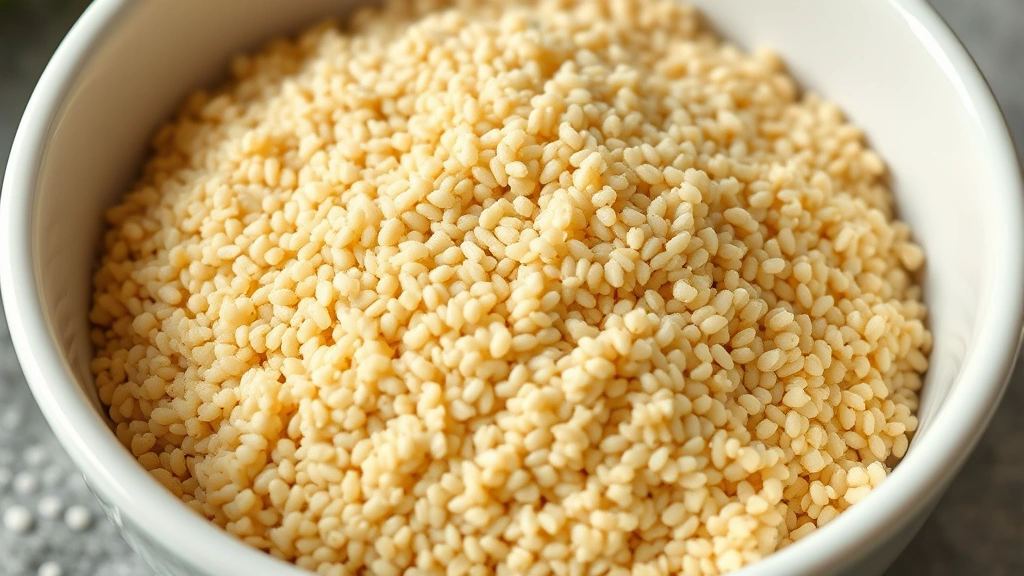
Step 4: Keep Portions Tiny If your dog tolerates it, limit quinoa to no more than 10% of their daily caloric intake. Better yet, just skip it and stick to dog-appropriate treats.
Common Quinoa Preparation Mistakes to Avoid
People love adding stuff to quinoa. This is where things get dangerous for dogs. Never give your dog quinoa that contains:
- Salt or seasoning
- Garlic or onions (toxic to dogs)
- Oils or butter
- Spices like cumin or chili powder
- Other human-friendly ingredients that are dog-unfriendly
Plain, unseasoned, cooked quinoa is the only way to go. And honestly? Your dog probably won’t even enjoy it that much. They’re waiting for the good stuff—meat, peanut butter, and treats made specifically for them.
Better Alternatives to Quinoa for Your Dog
If you’re looking to add variety and nutrition to your dog’s diet, there are way better options than quinoa. Check out our grain-free treat recipes for pets for some inspiration.
Consider these alternatives instead:
- Sweet potatoes: Packed with vitamins and fiber, and dogs actually enjoy them
- Carrots: Great for dental health and low in calories
- Pumpkin: Excellent for digestion and generally well-tolerated
- Apples: (without seeds) A crunchy, refreshing treat
- Chicken or turkey: The protein your dog’s body actually needs
These options are more aligned with what your dog’s digestive system is built to handle.
When to Call Your Vet About Quinoa Consumption
If your dog accidentally ate quinoa or you fed them some and they’re showing signs of distress, don’t panic—but do know when to reach out to your vet. Check our guide on when to call the vet about food for detailed warning signs.
Contact your veterinarian if your dog experiences:
- Persistent vomiting
- Severe diarrhea lasting more than a few hours
- Lethargy or unusual behavior
- Loss of appetite
- Abdominal pain or bloating
Your vet can rule out other issues and provide specific guidance based on your dog’s individual health status.
Breed-Specific Considerations for Quinoa
Some breeds are more prone to digestive issues than others. Breeds like Bulldogs, Pugs, and German Shepherds often have sensitive stomachs and should definitely avoid quinoa. Large breed dogs may have different nutritional needs than small breeds, so always consider your specific dog’s health profile before introducing new foods.
If you have a breed known for food sensitivities or allergies, skip the quinoa experiment entirely. Your dog will thank you by not having explosive diarrhea at 3 AM.
The Bottom Line: Should You Feed Your Dog Quinoa?
Is quinoa bad for dogs? Not inherently, but it’s also not necessary, beneficial, or particularly appealing to most dogs. Your pup’s nutritional needs are best met through quality dog food formulated by veterinary nutritionists and supplemented with dog-safe treats and foods.

If you’re concerned about your dog’s nutrition or want to add variety to their diet, talk to your veterinarian. They can recommend options that align with your dog’s specific health needs, age, and lifestyle. Quinoa? Leave it for your Buddha bowl.
Frequently Asked Questions
Can dogs eat quinoa every day?
No, dogs should not eat quinoa daily. While occasional small amounts of plain, cooked quinoa won’t harm most dogs, it shouldn’t be a regular part of their diet. Dogs thrive on meat-based proteins and don’t require plant-based superfoods like humans do. Stick to their regular dog food and save the quinoa for yourself.
Is quinoa toxic to dogs?
Quinoa is not toxic to dogs in the way that chocolate, grapes, or xylitol are. However, it can cause digestive upset in some dogs, especially those with sensitive stomachs or grain sensitivities. Plain, cooked quinoa in small amounts is generally safe, but toxicity isn’t really the concern—digestive issues are.
What happens if my dog eats quinoa?
Most likely, nothing dramatic happens. If your dog eats a small amount of plain, cooked quinoa, they’ll probably be fine. However, some dogs may experience mild digestive upset like soft stools or gas. If your dog ate quinoa prepared with garlic, onions, salt, or other seasonings, contact your vet immediately.
Are there any health benefits of quinoa for dogs?
While quinoa contains amino acids and fiber, these nutrients are available in more dog-appropriate foods. Your dog gets complete amino acid profiles from meat-based proteins, which are more bioavailable. If you’re concerned about your dog’s nutrition, consult your vet rather than experimenting with human superfoods.
Can puppies eat quinoa?
Puppies have even more sensitive digestive systems than adult dogs and are more prone to upset stomachs. It’s best to avoid quinoa for puppies entirely. Stick to high-quality puppy food formulated for their developmental needs.
What if my dog has a grain allergy?
While quinoa is technically a seed and not a true grain, it can still trigger sensitivities in dogs with grain allergies. If your dog has a grain allergy, avoid quinoa and stick to the foods your vet has approved for their specific allergy profile.
Summary: The Quinoa Question Answered
So, is quinoa bad for dogs? Not exactly, but it’s not good either. It’s neutral at best and potentially problematic for dogs with sensitive stomachs. Plain, cooked quinoa in tiny amounts won’t poison your dog, but there’s no compelling reason to feed it to them.
Your dog’s nutritional needs are best met through quality commercial dog food and dog-safe treats. If you want to add variety to their diet, talk to your veterinarian about options that are actually formulated for canine nutrition. Save the quinoa for yourself, give your pup some chicken and carrots, and everyone’s happy.
Remember: just because something is healthy for humans doesn’t mean it’s appropriate for dogs. Your furry friend’s digestive system is different from yours, and that’s perfectly fine. Stick to what works, and when in doubt, call your vet.





