
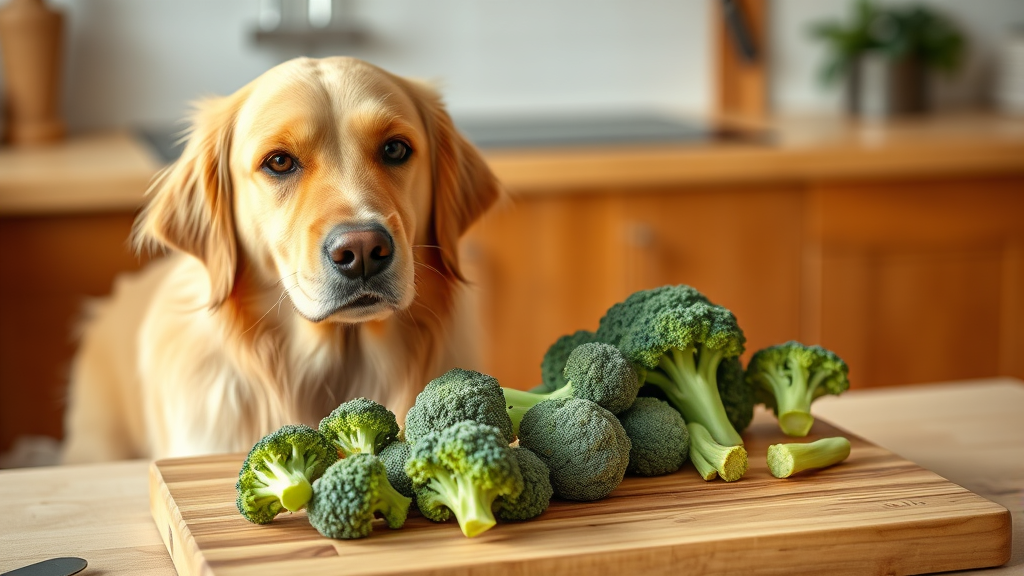
As a veterinarian with over fifteen years of experience, I frequently encounter pet owners asking about the safety of various human foods for their canine companions. One question that comes up regularly is whether dogs can safely consume raw broccoli. This green vegetable, packed with nutrients and beloved by health-conscious humans, often finds its way into our dogs’ curious mouths during meal preparation or family dinners.
The short answer is yes, dogs can safely eat raw broccoli in moderation, but there are important considerations every pet owner should understand before sharing this cruciferous vegetable with their furry friend. While broccoli offers numerous health benefits, improper preparation or excessive consumption can lead to digestive issues and other complications.
Nutritional Benefits of Raw Broccoli for Dogs
Raw broccoli is a nutritional powerhouse that can provide significant health benefits for dogs when incorporated appropriately into their diet. This cruciferous vegetable contains high levels of vitamin C, which supports immune system function and acts as a powerful antioxidant. According to the United States Department of Agriculture, broccoli also contains substantial amounts of vitamin K, folate, and fiber, all of which contribute to your dog’s overall health.
The antioxidant properties of broccoli are particularly noteworthy for canine health. These compounds help combat free radicals in your dog’s body, potentially reducing the risk of chronic diseases and supporting healthy aging. Additionally, the fiber content in raw broccoli can aid in digestive health when consumed in appropriate quantities, promoting regular bowel movements and supporting beneficial gut bacteria.
Broccoli’s mineral content, including potassium, manganese, and iron, supports various bodily functions in dogs. Potassium is essential for proper muscle and nerve function, while iron supports healthy blood cell production. The American Kennel Club recognizes broccoli as a safe vegetable for dogs when given in moderation, acknowledging its nutritional value for canine companions.
Safety Considerations and Potential Risks
While raw broccoli can be beneficial for dogs, several safety considerations must be addressed before adding this vegetable to your pet’s diet. The primary concern with broccoli consumption in dogs relates to compounds called isothiocyanates, which are naturally occurring substances found in cruciferous vegetables. These compounds can cause gastric irritation in dogs, particularly when consumed in large quantities.
The florets of broccoli contain higher concentrations of isothiocyanates compared to the stalks, making them more likely to cause digestive upset. Can Dogs Eat Broccoli guidelines suggest that broccoli should never comprise more than 10% of your dog’s daily caloric intake to avoid potential complications. Exceeding this amount can lead to symptoms ranging from mild gastric irritation to more severe digestive distress.
Another significant safety concern involves the size and texture of raw broccoli pieces. The firm stalks and dense florets can present choking hazards, particularly for smaller dogs or those who tend to gulp their food without proper chewing. The American Veterinary Medical Association emphasizes the importance of proper food preparation to prevent choking incidents in pets.
Dogs with sensitive stomachs or existing gastrointestinal conditions should be introduced to raw broccoli with extra caution. Some dogs may experience flatulence, bloating, or loose stools when first consuming broccoli, even in small amounts. Monitoring your dog’s reaction during initial introduction is crucial for determining their individual tolerance level.
How to Properly Prepare Raw Broccoli for Dogs
Proper preparation of raw broccoli is essential for ensuring your dog’s safety and maximizing the vegetable’s nutritional benefits. Begin by thoroughly washing the broccoli under cold running water to remove any dirt, pesticides, or harmful bacteria that may be present on the surface. Organic broccoli is preferable when available, as it reduces exposure to potentially harmful chemicals.
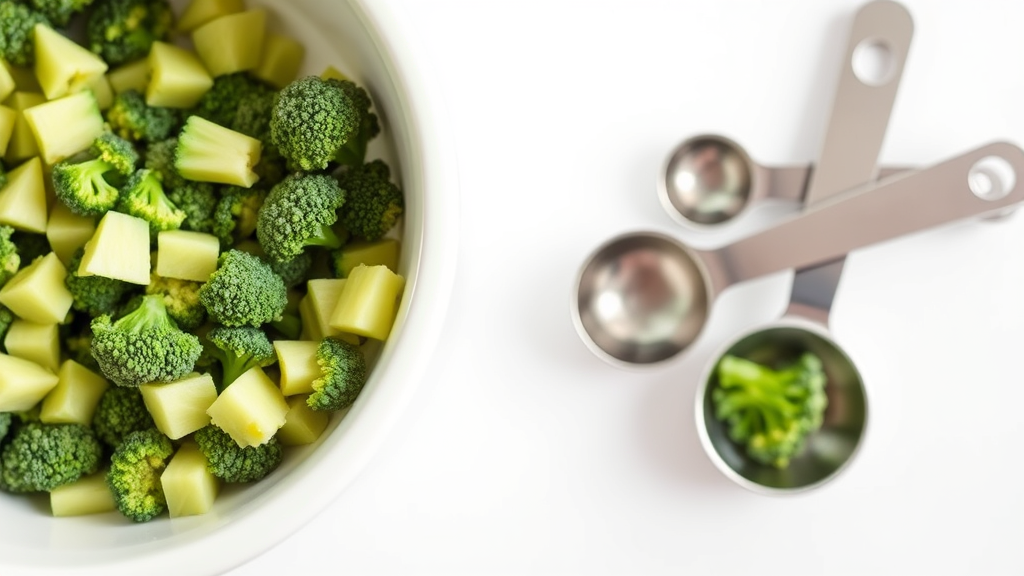
When preparing raw broccoli for dogs, size matters significantly. Cut the broccoli into small, bite-sized pieces appropriate for your dog’s size. For small dogs weighing under 20 pounds, pieces should be no larger than a pea. Medium-sized dogs can handle slightly larger pieces, while large breeds can safely consume pieces up to the size of a grape. Always err on the side of caution and choose smaller pieces to prevent choking.
Remove the tough outer leaves and trim the stem to an appropriate length. While the stem is safe for dogs to eat, it should be cut into manageable pieces to prevent choking. Some pet owners prefer to peel the outer layer of the stem, as it can be particularly fibrous and difficult for dogs to digest. Can Dogs Have Broccoli preparation guides often recommend focusing primarily on the florets and upper portions of the stem for optimal digestibility.
Consider your dog’s chewing habits when determining preparation methods. Dogs that tend to swallow food quickly may benefit from even smaller pieces or lightly steamed broccoli, which becomes softer while retaining most of its nutritional value. However, if you’re specifically interested in Can Dogs Eat Raw Broccoli, maintain the raw preparation while ensuring appropriate sizing.

Serving Size Guidelines and Frequency
Establishing appropriate serving sizes and frequency for raw broccoli consumption is crucial for maintaining your dog’s health and preventing digestive issues. As a general rule, broccoli should be considered a treat or supplement rather than a primary food source, comprising no more than 10% of your dog’s total daily caloric intake. For most dogs, this translates to just a few small pieces per day.
For small dogs weighing 10-25 pounds, one to two small florets or equivalent stem pieces represent an appropriate serving size. Medium-sized dogs weighing 25-60 pounds can safely consume two to four small pieces, while large dogs over 60 pounds may have up to four to six pieces. These guidelines assume that broccoli is the only additional treat being offered that day, and adjustments should be made if other treats or human foods are also provided.
Frequency of serving is equally important as portion size. Most veterinarians recommend offering raw broccoli no more than two to three times per week to prevent digestive adaptation issues and maintain nutritional balance. According to research published by PubMed, regular rotation of vegetables helps prevent food sensitivities while providing varied nutritional benefits.
When introducing raw broccoli for the first time, start with even smaller portions than recommended and observe your dog’s reaction for 24-48 hours. Some dogs may show immediate signs of digestive upset, while others may develop symptoms gradually. Gradually increase the portion size over several weeks if your dog tolerates the initial introduction well.
Understanding Digestive Concerns
Raw broccoli can cause various digestive concerns in dogs, particularly when introduced improperly or consumed in excessive quantities. The most common issue is increased gas production due to the complex carbohydrates and fiber content in broccoli. These compounds are fermented by bacteria in the dog’s large intestine, producing gases that can cause discomfort and flatulence.
The isothiocyanate compounds mentioned earlier can cause more serious digestive issues when consumed in large amounts. These substances can irritate the gastric lining, leading to symptoms such as drooling, vomiting, diarrhea, and abdominal discomfort. The severity of these symptoms typically correlates with the amount of broccoli consumed and the individual dog’s sensitivity level.
Some dogs may experience difficulty digesting the fibrous components of raw broccoli, particularly the stems. This can result in undigested pieces appearing in their stool or, in rare cases, intestinal blockage if large pieces are swallowed whole. The PetMD database indicates that dogs with compromised digestive systems are at higher risk for these complications.
Monitoring your dog’s bowel movements and overall behavior after introducing raw broccoli is essential for identifying potential digestive issues early. Signs to watch for include changes in stool consistency, frequency of bowel movements, excessive gas, loss of appetite, or signs of abdominal discomfort such as restlessness or reluctance to move.
Alternative Vegetables for Dogs
While raw broccoli can be a healthy addition to your dog’s diet, several alternative vegetables offer similar nutritional benefits with potentially fewer digestive concerns. Are Carrots Good for Dogs is a question with a resoundingly positive answer, as carrots provide excellent nutrition with minimal risk of digestive upset. Raw carrots are naturally sweet, crunchy, and rich in beta-carotene, making them an excellent choice for most dogs.
Green beans represent another excellent alternative, offering high fiber content and essential vitamins while being easier to digest than broccoli for many dogs. They can be served raw or lightly steamed and are particularly beneficial for dogs requiring weight management due to their low caloric content. The Humane Society frequently recommends green beans as a healthy treat option for dogs.
For pet owners interested in other cruciferous vegetables, Can Dogs Eat Cauliflower provides information about a milder alternative to broccoli. Cauliflower contains many of the same beneficial nutrients as broccoli but typically causes fewer digestive issues. Similarly, Can Dogs Eat Brussels Sprouts offers another option, though these should be given even more sparingly due to their potential for causing gas.
Can Dogs Eat Raw Celery is another common question, and celery can be an excellent low-calorie option for dogs. Its high water content makes it particularly refreshing, though the stringy texture requires careful preparation. When considering leafy greens, Is Spinach Good for Dogs provides important information about oxalate content and appropriate serving methods.
Frequently Asked Questions
How much raw broccoli can I give my dog daily?
Dogs should receive no more than 10% of their daily calories from broccoli. For most dogs, this means 1-2 small florets for small breeds, 2-4 pieces for medium dogs, and 4-6 pieces for large breeds. Always start with smaller amounts and monitor your dog’s reaction before increasing portions.
Is raw broccoli better than cooked broccoli for dogs?
Both raw and cooked broccoli offer nutritional benefits, but they have different advantages. Raw broccoli retains maximum vitamin C content but can be harder to digest and poses a higher choking risk. Lightly steamed broccoli is easier to digest while maintaining most nutrients. The choice depends on your dog’s size, chewing habits, and digestive sensitivity.
Can raw broccoli cause gas in dogs?
Yes, raw broccoli commonly causes increased gas production in dogs due to its complex carbohydrates and fiber content. This is normal and usually harmless, but excessive gas may indicate overconsumption. If your dog experiences severe flatulence, reduce the amount of broccoli or discontinue feeding it temporarily.
What parts of raw broccoli are safe for dogs?
All parts of broccoli are technically safe for dogs, including florets, stems, and leaves. However, florets contain higher concentrations of potentially irritating compounds, while stems can be tough and pose choking hazards. Remove any tough outer leaves and cut all parts into appropriately sized pieces for your dog’s size.
Should I avoid raw broccoli if my dog has a sensitive stomach?
Dogs with sensitive stomachs should approach raw broccoli with extra caution. Start with very small amounts and monitor closely for signs of digestive upset. Consider lightly steaming the broccoli to make it easier to digest, or choose alternative vegetables like carrots or green beans that are typically gentler on sensitive stomachs.
Can puppies eat raw broccoli?
Puppies can eat small amounts of raw broccoli, but their developing digestive systems are more sensitive to new foods. Wait until puppies are at least 12 weeks old and fully weaned before introducing any vegetables. Start with tiny pieces and watch carefully for any adverse reactions. Consult your veterinarian before adding new foods to a puppy’s diet.
What should I do if my dog ate too much raw broccoli?
If your dog consumed excessive amounts of raw broccoli, monitor them closely for signs of digestive upset including vomiting, diarrhea, excessive gas, or abdominal discomfort. Provide fresh water and withhold food for a few hours to allow their stomach to settle. Contact your veterinarian if symptoms persist for more than 24 hours or if your dog shows signs of severe distress.





