
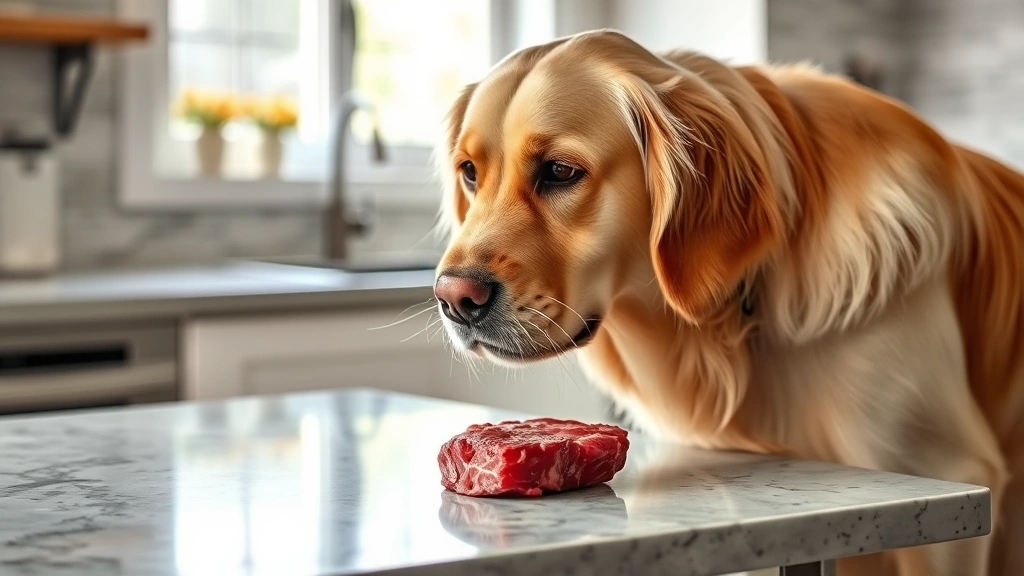
Is Raw Steak Good for Dogs? What Experts Say
If you’ve ever watched your dog’s eyes light up at the sight of a juicy steak, you’ve probably wondered whether sharing that raw cut is safe. The question of is raw steak good for dogs has sparked countless debates among pet owners, from the backyard barbecue crowd to dedicated raw feeding enthusiasts. Some swear by the ancestral diet approach, while veterinarians often raise their eyebrows with concern. So what’s the real story? Let’s dig into what the science actually tells us.
Your furry friend’s digestive system is indeed different from ours, and they can handle certain foods we cannot. However, that doesn’t automatically make every raw meat option safe or nutritionally optimal. The truth is nuanced, and understanding the risks alongside potential benefits is crucial before you decide to make raw steak a regular part of your dog’s diet.
This comprehensive guide breaks down everything you need to know about feeding raw steak to your canine companion, from bacterial concerns to nutritional value to safer preparation methods. Whether you’re considering the raw feeding lifestyle or just curious about occasional treats, we’ve got the expert insights you need.
Safety Concerns About Raw Steak
Before you toss that raw steak to your pup, it’s important to understand the legitimate safety concerns that veterinarians and animal health experts consistently raise. Raw meat, regardless of quality, can harbor pathogens that affect dogs differently than they affect humans—sometimes in dangerous ways.
The primary concern centers on bacterial contamination. Raw steak can contain harmful bacteria like E. coli, Salmonella, and Listeria. While dogs have stronger stomach acid than humans and can tolerate some pathogens better, they’re not immune to foodborne illness. A dog infected with these bacteria may not show symptoms for several days, during which time they can spread the pathogen to your family members through their saliva, feces, and other bodily fluids.
Another significant concern involves parasites. Raw or undercooked meat may contain parasitic organisms like Toxoplasma gondii and Neospora caninum. These parasites can cause serious health complications, particularly in puppies, senior dogs, or those with compromised immune systems. The risk varies depending on where the meat was sourced and how it was handled.
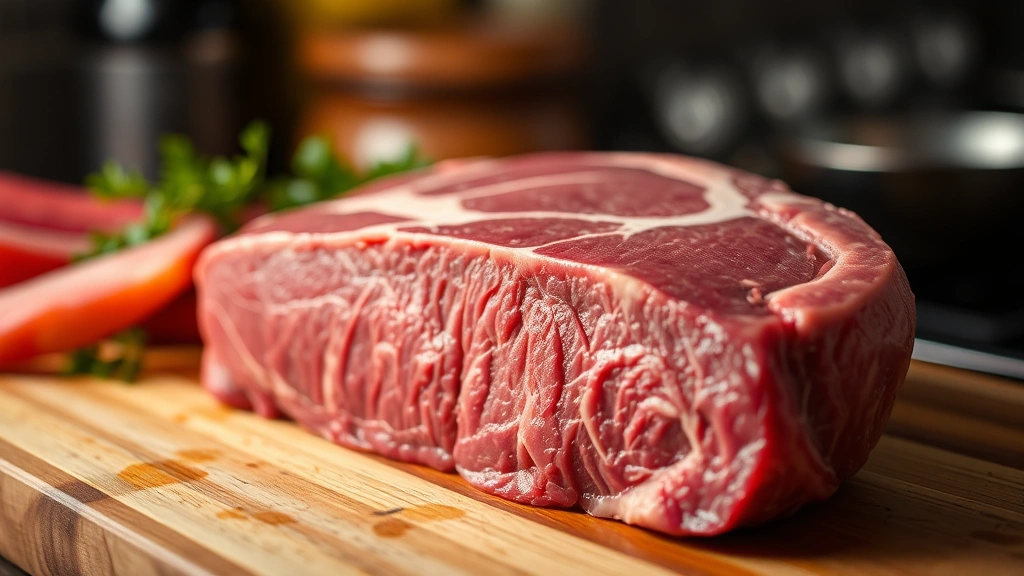
Choking and intestinal blockage represent additional physical hazards. Large chunks of raw steak can pose a choking risk, especially for enthusiastic eaters who don’t chew thoroughly. Bone fragments, if present, can splinter and cause intestinal perforations or blockages requiring emergency surgery.
Additionally, raw steak lacks the balanced nutrition your dog needs for optimal health. While it contains protein and some vitamins, it’s deficient in essential nutrients like calcium, certain vitamins, and minerals that are crucial for bone health, immune function, and overall wellbeing.
Bacterial Risks and Food Poisoning
Let’s get specific about the bacterial dangers. According to the Association of American Feed Control Officials, raw meat products present documented risks that shouldn’t be ignored. The most common culprits include:
- Salmonella: Can cause severe gastrointestinal distress, fever, and in severe cases, sepsis. Dogs may experience bloody diarrhea, vomiting, lethargy, and abdominal pain.
- E. coli: Particularly dangerous strains can cause hemolytic uremic syndrome, a life-threatening condition affecting the kidneys and blood cells.
- Listeria monocytogenes: This pathogen is particularly concerning because it can cross the blood-brain barrier and cause meningitis or encephalitis in dogs.
- Campylobacter: Causes severe diarrhea and can lead to secondary complications if left untreated.
What makes these risks especially problematic is that your dog may be an asymptomatic carrier. This means your pet can harbor the bacteria without showing obvious signs of illness while potentially spreading it to your family, especially vulnerable individuals like young children, elderly relatives, or immunocompromised household members.
The FDA has consistently advised against raw meat diets for pets, citing documented cases of both pet illness and human transmission. Even premium, grass-fed, or locally-sourced steak isn’t guaranteed to be pathogen-free. Bacteria can contaminate meat at any point during processing and handling.
Nutritional Benefits of Raw Steak
Despite the safety concerns, raw steak does offer some legitimate nutritional advantages that explain why some pet owners embrace raw feeding. Let’s be fair and examine what raw steak actually provides:
Raw steak is an excellent source of high-quality, complete protein containing all nine essential amino acids dogs need. It also provides bioavailable iron, zinc, B vitamins (particularly B12), and selenium. Some nutrients in raw meat may have slightly higher bioavailability compared to cooked versions, meaning your dog’s body can absorb them more efficiently.
The fat content in steak provides essential fatty acids and fat-soluble vitamins like vitamin A and D. Additionally, raw feeding advocates point to improved coat quality, healthier skin, and better digestive efficiency in their dogs—though these benefits are anecdotal rather than scientifically proven.
However, here’s the critical distinction: these nutritional benefits can be obtained through safer methods. Cooked steak retains most of these nutrients while eliminating the bacterial risks. Furthermore, a nutritionally complete diet requires more than just meat. Dogs need calcium, certain vitamins, and minerals that raw steak alone cannot provide in appropriate proportions.
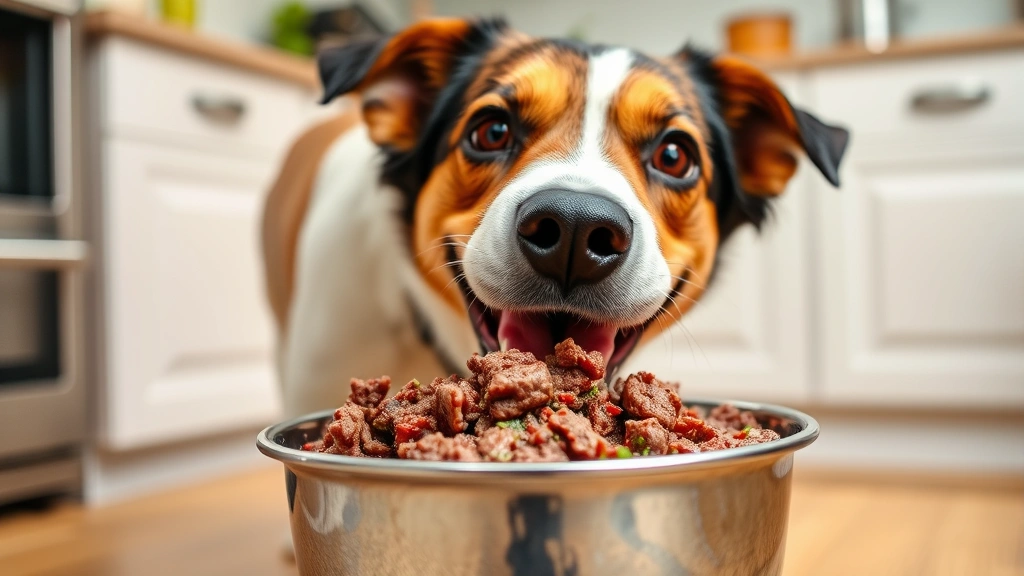
Understanding the Raw Feeding Movement
The raw feeding community, often called the BARF diet (Biologically Appropriate Raw Food), argues that dogs evolved eating raw prey and therefore thrive on uncooked meat-based diets. Proponents claim this approach mimics what wolves and wild dogs consume, leading to better health outcomes.
While it’s true that dogs are descendants of wolves, domesticated dogs have undergone significant genetic changes over thousands of years. Their digestive systems have adapted to process cooked foods and carbohydrates more efficiently than their wild ancestors. Modern dogs are not wolves, and their nutritional requirements have evolved accordingly.
The raw feeding philosophy has passionate advocates, and some dogs do appear to thrive on well-planned raw diets. However, the key word is “well-planned.” A proper raw diet requires careful nutritional balancing, appropriate supplementation, and strict food safety protocols. Simply feeding raw steak without these considerations is nutritionally incomplete and potentially dangerous.
Veterinary organizations, including the American Animal Hospital Association, recommend that any raw feeding approach be developed under veterinary supervision with nutritional guidance from a veterinary nutritionist. This ensures your dog receives complete and balanced nutrition while minimizing food safety risks.
Safer Alternatives to Raw Steak
If you want to provide your dog with the nutritional benefits of beef without the risks, consider these safer alternatives:
Cooked Steak: Cooking steak to a safe internal temperature (160°F) eliminates harmful bacteria while retaining most nutritional value. You can offer plain, unseasoned cooked steak as an occasional treat. This is far superior to raw options in terms of safety.
Ground Beef Options: If you’re interested in whether dogs can eat ground beef, cooked ground beef is an excellent choice. It’s easier to portion, less of a choking hazard, and when properly cooked, completely safe. You might also explore raw ground beef options only under veterinary guidance if you’re committed to raw feeding with proper protocols.
Freeze-Dried Raw: Some manufacturers offer freeze-dried raw meat products that eliminate moisture (where bacteria thrive) while maintaining the “raw” philosophy. These are safer than fresh raw meat, though more expensive.
Commercial Raw Pet Food: If raw feeding appeals to you, commercially prepared raw diets undergo rigorous testing and are formulated to be nutritionally complete. They’re safer than DIY raw feeding and take the guesswork out of nutrition.
Organ Meats and Bone Broth: These nutrient-dense alternatives provide similar benefits to raw meat. Cooked bone broth, for instance, offers collagen, gelatin, and minerals in an easily digestible form.
Before making any dietary changes, learn more about whether dogs can have raw ground beef and explore all your options with your veterinarian. If your dog experiences digestive issues, you might also benefit from understanding what to feed a dog with diarrhea to avoid exacerbating existing problems.
Proper Preparation Guidelines
If your veterinarian approves raw steak for your dog and you decide to proceed, proper preparation is absolutely essential. These guidelines can reduce—but not eliminate—risks:
- Source Quality Meat: Purchase steak from reputable butchers or grocery stores with strong food safety practices. Avoid meat that’s been sitting at room temperature or appears discolored.
- Freeze First: Freezing meat at -4°F for 7 days or -31°F for 15 days can reduce (not eliminate) some parasites. However, this doesn’t kill bacteria.
- Handle with Care: Use separate cutting boards, utensils, and preparation areas for raw meat. Wash your hands thoroughly after handling. Clean all surfaces with hot, soapy water.
- Appropriate Portion Size: Raw steak should be cut into appropriately sized pieces to prevent choking. Supervise eating always.
- Avoid Certain Cuts: Avoid steak with visible mold, off odors, or unusual discoloration. Trim excess fat, which can cause pancreatitis.
- Don’t Mix with Kibble: If feeding raw, don’t combine it with dry kibble in the same meal, as different foods require different digestion times.
- Storage Rules: Keep raw steak frozen until 24 hours before feeding. Thaw in the refrigerator, not at room temperature. Discard any uneaten raw meat after 4 hours at room temperature.
Even with these precautions, you cannot guarantee safety. The risks remain inherent to raw feeding, which is why many experts recommend the cooked alternative.
When to Avoid Raw Steak Entirely
Certain dogs should never consume raw steak, regardless of precautions:
- Puppies: Young dogs have immature immune systems and are more susceptible to foodborne illness. Wait until at least one year of age, and even then, consult your vet.
- Senior Dogs: Aging dogs often have compromised immune function and are more vulnerable to infections from pathogens.
- Immunocompromised Dogs: Dogs with conditions like cancer, diabetes, or those on immunosuppressive medications should avoid raw meat entirely.
- Dogs with Digestive Issues: If your dog has a history of gastrointestinal problems or diarrhea, raw steak could trigger serious complications.
- Dogs with Food Allergies: Raw feeding may complicate allergy management and make it harder to identify problematic ingredients.
- Multi-Dog Households: If you have multiple dogs, especially if one is immunocompromised, raw feeding increases cross-contamination risks.
- Households with Vulnerable Humans: If you have young children, pregnant women, or immunocompromised family members, the risk of bacterial transmission through your dog is significant.
Frequently Asked Questions
Can dogs digest raw steak properly?
Dogs can digest raw meat, but this doesn’t mean it’s safe or optimal. Their stomach acid is stronger than humans’, allowing them to break down raw muscle tissue. However, this doesn’t protect them from bacterial pathogens or parasites. Additionally, raw steak lacks balanced nutrition and may not provide all nutrients your dog needs for optimal health.
What’s the difference between raw steak and raw ground beef for dogs?
Ground beef has a larger surface area exposed to potential contamination, making bacterial growth more likely. Additionally, when ground, bacteria can be distributed throughout rather than remaining on the surface. For these reasons, ground beef carries slightly higher contamination risk than whole muscle cuts. Both present concerns, but whole muscle steak is marginally safer if raw feeding is pursued.
How do I know if my dog got sick from raw steak?
Symptoms of foodborne illness in dogs include vomiting, diarrhea (sometimes bloody), lethargy, loss of appetite, abdominal pain, and fever. These symptoms may appear within hours or several days after consumption. If your dog shows any of these signs after consuming raw meat, contact your veterinarian immediately. Bring information about what your dog ate and when.
Is grass-fed or organic steak safer for dogs?
While grass-fed and organic beef may have other benefits, they’re not inherently safer from bacterial contamination than conventional meat. Bacteria can contaminate any meat regardless of how the animal was raised or what it was fed. The source, handling, and processing matter more than whether the meat is grass-fed or organic.
Can I give my dog raw steak bones?
Raw bones are often promoted in raw feeding communities, but they carry significant risks. Raw bones can splinter, cause choking, or create intestinal blockages. They may also harbor bacteria on their surface. If you choose to offer bones, they should be large, weight-bearing bones (like femurs) that your dog cannot break into pieces, and only under close supervision. Many veterinarians recommend avoiding bones altogether.
What does veterinary science actually say about raw steak for dogs?
The American Veterinary Medical Association does not recommend raw meat diets due to documented health risks for both pets and their human families. The organization cites concerns about bacterial and parasitic contamination, nutritional imbalances, and the potential for zoonotic disease transmission. If you’re interested in raw feeding, work with a board-certified veterinary nutritionist to ensure safety and nutritional completeness.
Is it better to feed raw steak or cooked steak?
From a safety and nutritional standpoint, cooked steak is superior. Cooking eliminates harmful bacteria and parasites while retaining most nutritional value. Cooked steak can be offered occasionally as a treat without the significant risks associated with raw meat. For dogs with digestive sensitivities, you might also explore how to boil chicken for dogs as a gentle protein option.
Can I transition my dog to a raw diet safely?
If you’re determined to try raw feeding, work with a board-certified veterinary nutritionist to develop a complete, balanced diet. This isn’t something to transition into casually. Your veterinarian should monitor your dog’s health regularly, including bloodwork to ensure proper nutrition. A slow transition allows you to observe for digestive upset. However, understand that the risks—particularly regarding bacterial contamination—remain regardless of how carefully you plan.





