
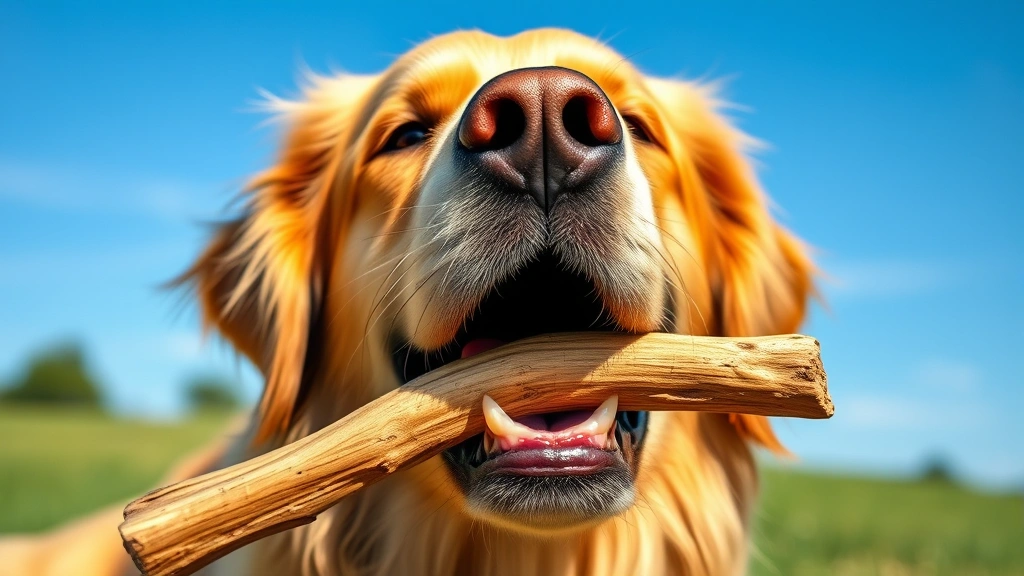
So, is rawhide bad for dogs? Short answer: it’s complicated, but yeah, there are some legit concerns you should know about. If you’ve ever watched your pup gnaw on a rawhide chew for hours like it’s the best thing since sliced bread, you might be wondering if you’re basically handing them a time bomb. Let’s dig into what vets actually say about this controversial chew, because spoiler alert—it’s not as simple as “yes” or “no.”
Table of Contents
- What Exactly Is Rawhide, Anyway?
- The Choking and Blockage Problem
- Chemical Processing and Contamination Concerns
- Digestibility Issues and Stomach Upset
- Safer Rawhide Alternatives for Your Pup
- Red Flags: When to Worry About Rawhide
- Signs Your Dog Might Have a Rawhide Problem
- The Supervision Factor: Does It Actually Help?
- What Do Vets Actually Recommend?
- Budget-Friendly Safe Chew Options
- Frequently Asked Questions
- The Bottom Line: Is Rawhide Bad for Dogs?
What Exactly Is Rawhide, Anyway?
Rawhide is the inner layer of cow or horse hide that’s been cleaned, dried, and shaped into chews. It’s basically leather before it becomes leather. The manufacturing process involves stripping away the outer hair and flesh, then treating it with chemicals to preserve it. Some rawhides are rolled, twisted, or braided into fun shapes. Sounds innocent enough, right? Well, hold that thought.
The Choking and Blockage Problem
Here’s where things get real: the biggest danger with rawhide chews isn’t what you might think. It’s not toxicity—it’s the physical hazard. Dogs can break off chunks of rawhide, especially if they’re aggressive chewers (looking at you, Labrador owners). These chunks don’t digest like regular food. They can get stuck in the throat, esophagus, or intestines, causing a blockage that requires emergency surgery. We’re talking $3,000-$5,000+ vet bills and potential organ damage. If your dog has swallowed a large piece, emergency vet care is critical.
Small dogs and puppies are especially at risk because their digestive tracts are, well, smaller. A chunk that might pass through a Great Dane could be a nightmare for a Chihuahua.
Chemical Processing and Contamination Concerns
Remember those chemicals we mentioned? Rawhides are often treated with bleach, formaldehyde, and other preservatives during manufacturing. Some cheaper rawhides sourced from countries with lax regulations might contain heavy metals or bacteria like salmonella and E. coli. Your dog’s immune system might handle a little contamination, but it’s still a roll of the dice. Call your vet immediately if your dog shows signs of food poisoning.
The FDA doesn’t regulate rawhide chews the same way they do actual food, so there’s less oversight than you’d hope. It’s kind of the Wild West of dog treats.
Digestibility Issues and Stomach Upset
Even if your dog doesn’t choke or get a blockage, rawhide isn’t exactly digestible. It’s literally leather. Your dog’s stomach acid can break it down slowly, but it’s not like kibble or meat-based treats. Some dogs experience vomiting, diarrhea, or constipation after chewing rawhide. The undigested bits can sit in their stomach for days, causing discomfort. Dogs with sensitive digestive systems are particularly prone to these issues.
Safer Rawhide Alternatives for Your Pup
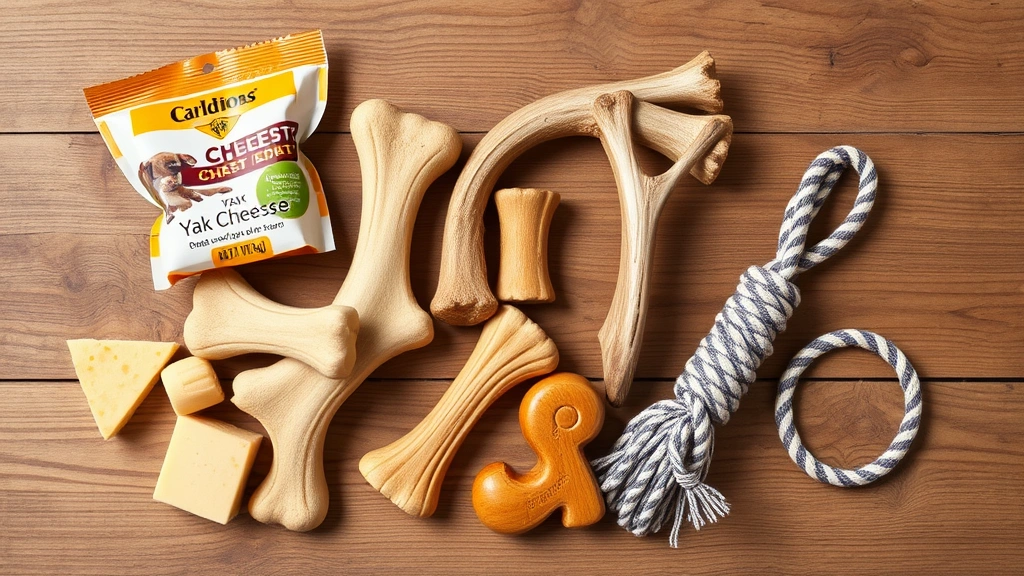
If your dog loves to chew (and let’s be honest, most do), there are way better options that won’t keep you up at night worrying. Rawhide chew alternatives include:
- Bully sticks: 100% digestible beef muscle, no additives. They’re pricier but worth it.
- Yak cheese chews: Himalayan dog chews that are fully digestible and long-lasting.
- Deer antlers and elk antlers: Natural, shed antlers that are super durable. Just watch for broken teeth.
- Sweet potato chews: Soft, digestible, and actually good for them.
- Rubber Kong toys: Stuff them with high-value treats from kitchen ingredients for hours of entertainment.
- Nylon chews: While not edible, they’re safer than rawhide since they don’t break apart.
Want to get fancy? You can make homemade dog biscuits that are actually good for your pup and way cheaper than premium treats.
Red Flags: When to Worry About Rawhide
Certain dogs should absolutely avoid rawhide chews entirely:
- Puppies under 6 months: Their digestive systems aren’t ready for this.
- Senior dogs: Weaker teeth and slower digestion mean higher blockage risk.
- Small breeds: Chihuahuas, Pomeranians, and other tiny pups can’t handle large pieces.
- Aggressive chewers: If your dog destroys toys in minutes, rawhide is a no-go.
- Dogs with IBD or digestive issues: Their stomachs are already sensitive.
- Dogs with a history of blockages: Once they’ve had one, they’re prone to repeat performances.
Signs Your Dog Might Have a Rawhide Problem
Watch for these warning signs that your dog has gotten into trouble with a rawhide chew:
- Vomiting or retching
- Loss of appetite
- Lethargy or unusual behavior
- Abdominal pain (hunched posture, whining)
- Constipation or diarrhea
- Drooling excessively
- Difficulty swallowing
If you notice any of these, don’t wait. Contact your vet or consider a virtual consultation for diet questions, especially if it’s after hours.
The Supervision Factor: Does It Actually Help?
Some people say, “Well, I just supervise my dog with rawhide, so it’s fine.” Here’s the thing: supervision helps, but it’s not foolproof. Dogs can swallow chunks faster than you can say “drop it.” Plus, even if you’re watching, you can’t control what happens in their stomach after they’ve swallowed it. Supervision reduces risk but doesn’t eliminate it.
What Do Vets Actually Recommend?
Most veterinarians are cautious about rawhide. The American Veterinary Medical Association doesn’t outright ban them, but they recommend caution. Many vets see emergency cases related to rawhide blockages regularly. If your vet seems cool with rawhide, ask them specifically about the choking and blockage risks—they’ll likely give you a more nuanced answer than you expected.
Budget-Friendly Safe Chew Options
Worried about cost? You don’t need to spend a fortune on premium chews. Carrots, raw sweet potatoes, and apples are free or cheap and safe for most dogs. Peanut butter-filled Kongs are affordable entertainment. Rope toys are inexpensive and fun for tug-of-war. You can even freeze chicken broth in ice cube trays for a refreshing chew.
Frequently Asked Questions
Is rawhide toxic to dogs?
Rawhide itself isn’t inherently toxic, but it can be contaminated during manufacturing with bacteria or heavy metals. The bigger issue is physical danger—choking and intestinal blockages. Chemical residues from processing are also a concern.
Can dogs digest rawhide?
Not really. Rawhide is leather, and while stomach acid can break it down slowly, it’s not digestible like meat or kibble. Chunks often pass through undigested or get stuck, causing blockages.
How long should a dog chew on rawhide?
If you’re going to give rawhide (and we’d suggest alternatives), limit it to 15-20 minutes max under supervision. Remove it before your dog swallows a big chunk. Never leave rawhide out unsupervised.
Are some rawhide chews safer than others?
Rawhide chews from reputable manufacturers with third-party testing are safer than cheap alternatives. However, even “safe” rawhide carries choking and blockage risks. Alternatives are genuinely safer.
What’s the difference between rawhide and other chews?
Rawhide is processed leather and doesn’t digest well. Bully sticks, yak chews, and antlers are more digestible or don’t break apart into dangerous chunks. They’re generally safer options.
My dog has eaten rawhide before—should I be worried?
Not necessarily. Many dogs eat rawhide without issues. However, if your dog is showing signs of blockage (vomiting, lethargy, abdominal pain), contact your vet immediately. Otherwise, just switch to safer alternatives going forward.
The Bottom Line: Is Rawhide Bad for Dogs?
So, is rawhide bad for dogs? The answer is: it comes with real risks that aren’t worth it when safer alternatives exist. The choking and blockage danger is legitimate, especially for certain dogs. Chemical processing concerns are valid. And honestly, there are better chews out there that your pup will love just as much.
You don’t need to panic if your dog has had rawhide before—many dogs do fine. But going forward, consider switching to bully sticks, yak chews, antlers, or homemade options. Your dog will be just as happy, and you won’t spend sleepless nights worrying about emergency vet visits. That peace of mind? Priceless.





