
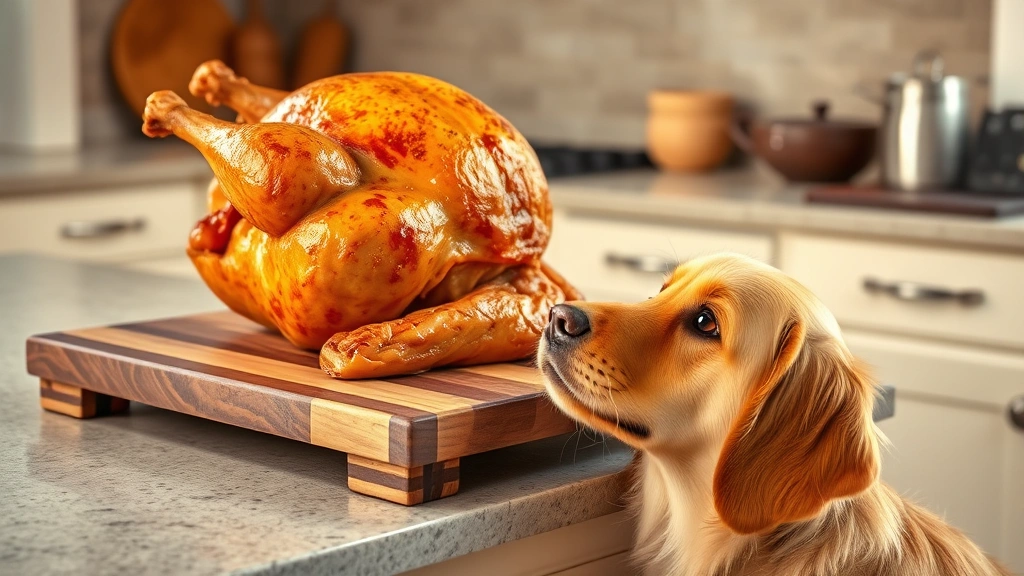
Is rotisserie chicken good for dogs? Short answer: it depends. While plain rotisserie chicken can be a tasty treat for your furry friend, there’s way more to this story than just tossing a drumstick their way. We’re talking bone hazards, seasoning nightmares, and sodium overload that could turn your dog’s dinner into a trip to the emergency vet. Let’s break down everything you need to know before your pup scores a piece of that golden, crispy bird.
Table of Contents
- The Good News: Plain Chicken Is Actually Healthy
- The Bone Problem: Why Cooked Chicken Bones Are a No-Go
- Seasoning and Salt: The Hidden Killers in Rotisserie Chicken
- Fat Content and Pancreatitis Risk
- Safe Ways to Offer Chicken to Your Dog
- Portion Control: How Much Chicken Is Too Much?
- When Rotisserie Chicken Becomes an Emergency
- Rotisserie Chicken vs. Other Protein Sources for Dogs
- What the Experts Say About Rotisserie Chicken for Dogs
- Making the Right Choice for Your Dog
- Transitioning Your Dog’s Diet Safely
- Frequently Asked Questions
- Summary: The Verdict on Rotisserie Chicken for Dogs
The Good News: Plain Chicken Is Actually Healthy
Here’s the thing—chicken itself is fantastic for dogs. It’s packed with lean protein, B vitamins, and amino acids that support muscle development and overall health. Many premium dog foods list chicken as the first ingredient for a reason. When you strip away all the seasonings and skin, plain rotisserie chicken can be a legitimate nutritional boost for your four-legged companion. Your vet won’t lose sleep if you occasionally give your dog some plain, boneless, skinless rotisserie chicken as a treat. In fact, many vets recommend training treats from human food for dogs, and plain chicken qualifies.
The Bone Problem: Why Cooked Chicken Bones Are a No-Go
This is where rotisserie chicken becomes problematic. Those bones might look harmless, but cooked bones are legitimately dangerous for dogs. When chicken bones are cooked, they become brittle and splinter easily—unlike raw bones which are more flexible. These sharp fragments can cause serious damage: perforated intestines, choking hazards, mouth lacerations, and blockages that require surgery. Your dog’s digestive system isn’t equipped to handle splintered poultry bones the way some wild animals’ are. If your dog manages to swallow bone fragments, you could be looking at an expensive emergency vet visit. Always remove every single bone before offering any rotisserie chicken to your pup.
Seasoning and Salt: The Hidden Killers in Rotisserie Chicken
Most rotisserie chickens sold at grocery stores are absolutely loaded with salt and seasonings. We’re talking garlic powder, onion powder, paprika, and various spice blends that taste amazing to humans but can seriously harm dogs. Garlic and onions are toxic to dogs—they damage red blood cells and can cause hemolytic anemia. Even small amounts accumulate in your dog’s system. The sodium content is another major concern; a single rotisserie chicken can contain 800-1200mg of sodium, which is excessive for most dogs. For reference, a 50-pound dog should consume no more than 100mg of sodium daily. Feeding your dog seasoned rotisserie chicken is basically asking for digestive upset, vomiting, diarrhea, or worse. Always check the ingredient label, and honestly, skip the store-bought rotisserie chicken unless you can confirm it’s completely unseasoned.
Fat Content and Pancreatitis Risk
Rotisserie chicken skin is crispy, delicious, and absolutely loaded with fat. Dogs who consume high-fat foods suddenly can develop acute pancreatitis—an inflammatory condition of the pancreas that causes severe abdominal pain, vomiting, and diarrhea. Even dogs without a history of pancreatitis are at risk if they eat too much fatty food at once. The combination of rich chicken skin plus all that rendered fat makes rotisserie chicken a pancreatitis bomb waiting to happen. Senior dogs and breeds predisposed to pancreatitis (like Schnauzers and Cocker Spaniels) are especially vulnerable. Remove the skin entirely and stick to the lean white meat if you absolutely must share rotisserie chicken with your dog.
Safe Ways to Offer Chicken to Your Dog
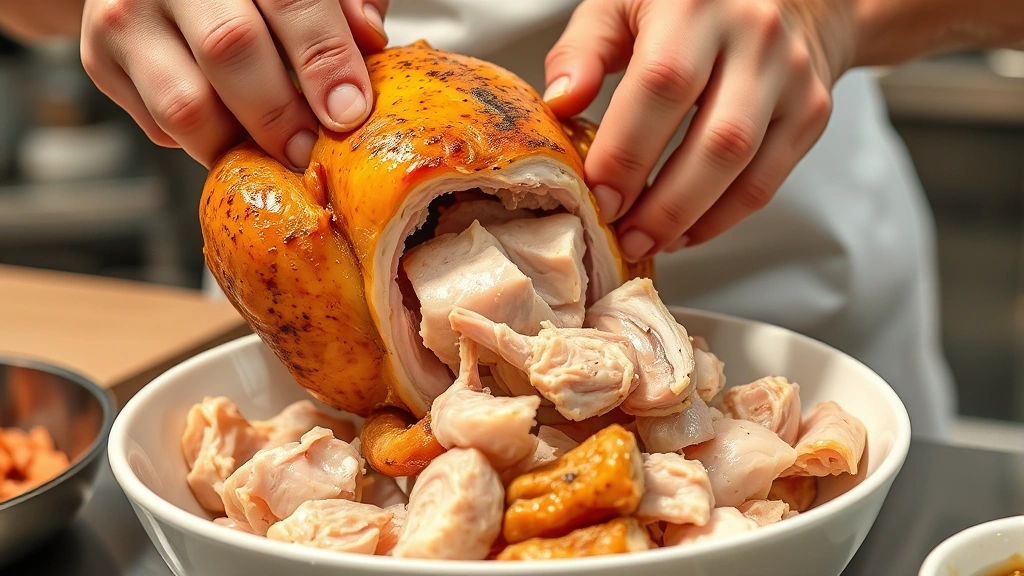
Want to give your dog chicken without the risks? Here’s the game plan: cook plain chicken breasts or thighs at home with zero seasonings—just water or a tiny bit of olive oil. Boil or bake it until fully cooked, then shred or cut it into appropriate-sized pieces. Store it in the fridge for up to three days or freeze it in portions. This method gives you complete control over what goes into your dog’s body. You can also add small amounts to their regular kibble for a protein boost. For dogs with dental issues, human foods for pets with dental issues like soft, shredded chicken are ideal alternatives to rotisserie chicken.
Portion Control: How Much Chicken Is Too Much?
Even plain, homemade chicken should only make up about 10% of your dog’s daily caloric intake. For a 50-pound dog eating approximately 1000 calories per day, that’s roughly 100 calories from chicken—about 2-3 ounces. Overfeeding chicken can lead to nutritional imbalances and weight gain. Treats, including chicken treats, should never exceed 10% of daily calories; the remaining 90% should come from a balanced commercial dog food or a vet-approved homemade diet. If you’re using chicken as a training treat, adjust your dog’s regular meals accordingly to prevent overfeeding.
When Rotisserie Chicken Becomes an Emergency
If your dog ate rotisserie chicken with bones, seasoning, or excessive fat, watch for these warning signs: vomiting, diarrhea, lethargy, loss of appetite, abdominal pain, difficulty defecating, or signs of choking. Bone fragments can take days to cause problems, so don’t assume your dog is fine just because they seem okay immediately. When to call the vet about food incidents is crucial knowledge—if your dog consumed a significant amount of seasoned or fatty rotisserie chicken, or if you suspect they swallowed bones, call your vet immediately. Don’t wait to see if symptoms develop; early intervention can prevent serious complications.
Rotisserie Chicken vs. Other Protein Sources for Dogs
If you’re looking to add protein variety to your dog’s diet, there are safer options than rotisserie chicken. Plain cooked turkey, beef, pork, and fish (without bones, skin, or seasoning) are all excellent choices. Eggs are another fantastic protein source—scrambled or boiled with no butter or salt. Greek yogurt provides protein and probiotics. The key advantage of these alternatives is that you control the preparation entirely, eliminating the risks associated with store-bought rotisserie chicken. For information on optimal nutrition, check out skin and coat health foods which often include high-quality protein sources.
What the Experts Say About Rotisserie Chicken for Dogs
The American Kennel Club (AKC) states that plain, unseasoned chicken is safe for dogs but emphasizes removing all bones and avoiding seasonings. PetMD veterinarians note that while chicken is nutritious, the preparation method matters enormously—rotisserie chicken’s high sodium and fat content make it less ideal than home-cooked alternatives. Most veterinary nutritionists recommend plain, boiled chicken over rotisserie chicken specifically because you eliminate variables. The consensus is clear: plain chicken is good, but rotisserie chicken as typically prepared is risky.
Making the Right Choice for Your Dog
Here’s the bottom line: what not to feed your dog definitely includes store-bought rotisserie chicken with all its seasonings, bones, and fat. If you want to treat your dog to chicken, cook it yourself at home with no seasonings, remove all bones and skin, and keep portions small. Your dog will be just as happy with a few pieces of plain boiled chicken as they would be with rotisserie chicken—minus the risk of pancreatitis, intestinal blockages, or toxic seasoning exposure. When it comes to your dog’s health, it’s not worth gambling with a convenient grocery store purchase.
Transitioning Your Dog’s Diet Safely
If you’re considering adding chicken to your dog’s regular diet, do it gradually. Sudden dietary changes can cause digestive upset. Pet diet transition advice recommends mixing in new foods over 7-10 days, starting with 10% new food and 90% old food, then gradually increasing the new food proportion. This allows your dog’s digestive system to adjust without triggering vomiting or diarrhea. Monitor your dog’s stool consistency and overall energy levels during the transition. If problems develop, slow down the transition process or consult your vet.
Frequently Asked Questions
Can dogs eat rotisserie chicken skin?
No, rotisserie chicken skin is too fatty and can trigger pancreatitis. The skin also often contains seasonings that are toxic to dogs. Always remove skin before offering any chicken to your dog.
Is rotisserie chicken safe if I remove the bones and skin?
Even without bones and skin, store-bought rotisserie chicken is problematic due to high sodium content and seasonings like garlic and onion powder. Plain, homemade chicken is a much safer option.
How much rotisserie chicken can I safely give my dog?
Ideally, zero rotisserie chicken. If you insist on offering it, it should be unseasoned, boneless, skinless, and limited to a tiny amount (1-2 ounces for a medium dog) as an occasional treat, not a regular food.
What should I do if my dog ate rotisserie chicken with bones?
Contact your veterinarian immediately. Bone fragments can perforate the intestines or cause blockages. Don’t wait for symptoms to develop—get professional advice right away.
Are there safe chicken alternatives for dogs?
Yes! Plain boiled or baked chicken breasts prepared at home with no seasonings are the safest option. Turkey, beef, and fish prepared the same way are also excellent protein sources for dogs.
Can rotisserie chicken cause pancreatitis in dogs?
Yes, the high fat content in rotisserie chicken (especially the skin) can trigger acute pancreatitis, which is painful and requires veterinary treatment. Dogs with a history of pancreatitis should never consume rotisserie chicken.
Why is garlic in rotisserie chicken dangerous for dogs?
Garlic contains thiosulfates that damage red blood cells in dogs, causing hemolytic anemia. Even small amounts can be harmful, and seasonings in rotisserie chicken often contain garlic powder.
Is store-bought rotisserie chicken healthier than homemade for dogs?
No, homemade plain chicken is always healthier. Store-bought rotisserie chicken contains excessive sodium and seasonings that homemade versions don’t have.
Summary: The Verdict on Rotisserie Chicken for Dogs
Is rotisserie chicken good for dogs? Not really. While plain chicken is nutritious, store-bought rotisserie chicken comes with too many risks: cooked bones that splinter dangerously, excessive sodium, toxic seasonings, and high fat content that can cause pancreatitis. Your dog doesn’t need rotisserie chicken to be happy or healthy. Instead, prepare plain chicken at home—boiled or baked with zero seasonings, no bones, and no skin. Your pup gets the nutritional benefits of chicken without any of the hazards. It takes minimal effort, costs less than store-bought rotisserie chicken, and keeps your dog safe. That’s a win-win that’s worth the extra five minutes of cooking time.





