
Is Roundup Safe for Dogs? What Experts Say
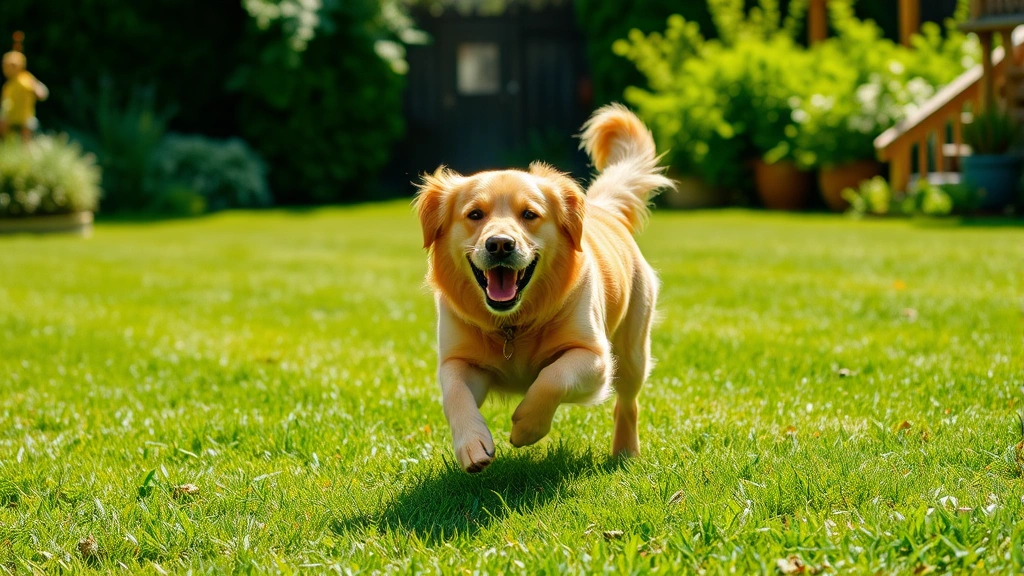
If you’re a dog owner with a yard, you’ve probably wondered about the safety of common herbicides like Roundup. Your furry friend spends time outdoors, rolling in the grass, sniffing around garden beds, and inevitably getting into things they shouldn’t. So when it comes to weed killers, the question becomes crystal clear: is Roundup safe for dogs? The answer is more complicated than a simple yes or no, and it’s worth diving deep into what the science actually tells us.
Roundup, which contains the active ingredient glyphosate, is one of the most widely used herbicides in the world. It’s sprayed on lawns, gardens, and agricultural fields to eliminate unwanted weeds. But just because it’s common doesn’t mean it’s risk-free for our four-legged companions. In this comprehensive guide, we’ll explore what experts say about Roundup safety for dogs, the potential health risks, and what you can do to protect your pup.
The concern about Roundup and pets has grown significantly over the past decade, with veterinarians and pet safety organizations taking notice. Understanding the risks—and learning practical ways to keep your dog safe—is essential for responsible pet ownership.
What Is Roundup and How Does It Work?
Roundup is a non-selective herbicide manufactured by Bayer (formerly Monsanto) that has been commercially available since 1974. The active ingredient, glyphosate, works by inhibiting a plant enzyme called EPSPS synthase, which is essential for plant protein synthesis. Essentially, it disrupts the plant’s ability to grow and survive, leading to death within days.
The product comes in various formulations, including concentrates that need dilution and ready-to-use sprays. Many homeowners choose Roundup because it’s effective, relatively inexpensive, and readily available at garden centers and hardware stores. However, the convenience factor doesn’t automatically translate to safety for our pets.
Glyphosate was originally considered safe for mammals because they lack the EPSPS enzyme that the herbicide targets. This is why regulatory agencies initially approved it for widespread use. However, emerging research suggests the story might be more nuanced than initially believed.
Health Risks of Roundup Exposure in Dogs
The primary concern with Roundup exposure in dogs centers on glyphosate and the other ingredients in the formulation. Pure glyphosate is considered relatively low in toxicity to mammals, but commercial Roundup products contain surfactants and other additives that may increase toxicity.
Research has raised questions about potential health effects from chronic low-level exposure. Some studies suggest links between glyphosate exposure and issues including gastrointestinal problems, immune system dysfunction, and in some cases, certain types of cancer. The International Agency for Research on Cancer (IARC) classified glyphosate as “probably carcinogenic to humans” in 2015, though regulatory agencies in the U.S. and Europe maintain that approved uses are safe.
For dogs specifically, the concern isn’t just about acute poisoning from a single exposure, but rather the cumulative effects of repeated contact with treated surfaces. Dogs that spend time on treated lawns or in gardens where Roundup has been applied may experience chronic exposure.
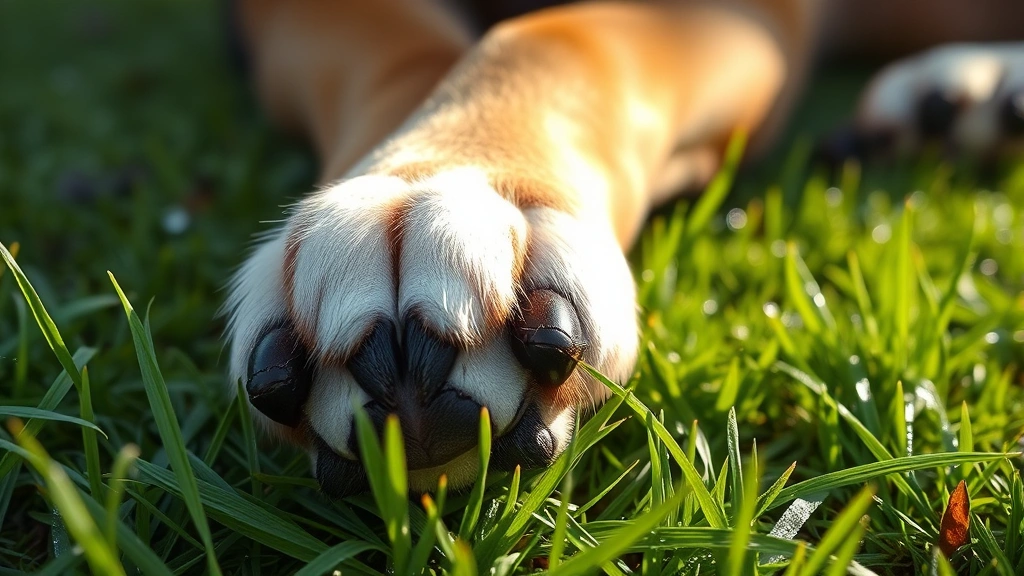
Additionally, when dogs eat grass, they may ingest residues from herbicide applications. This behavior is particularly concerning if the lawn has been recently treated with Roundup.
Symptoms of Roundup Poisoning in Dogs
If your dog has been exposed to a significant amount of Roundup, watch for these warning signs:
- Gastrointestinal distress: Vomiting, diarrhea, and loss of appetite are common initial symptoms
- Lethargy: Your dog may seem unusually tired or lack their normal energy
- Drooling: Excessive salivation can indicate chemical irritation
- Abdominal pain: Your pup might seem uncomfortable or reluctant to move
- Skin irritation: Redness, itching, or inflammation where the product contacted the skin
- Respiratory symptoms: Coughing or difficulty breathing if fumes were inhaled
- Tremors or seizures: In severe cases, neurological symptoms may occur
The severity of symptoms depends on the concentration of the product, the amount of exposure, and your individual dog’s sensitivity. Some dogs may show mild symptoms, while others could have more severe reactions.
How Dogs Get Exposed to Roundup
Understanding the ways your dog might encounter Roundup is crucial for prevention. Dogs can be exposed through multiple routes:
- Direct contact with treated surfaces: Walking through recently sprayed lawns or gardens where paws come into contact with wet or dried herbicide residue
- Ingestion: Eating grass treated with Roundup or licking paws that have contacted the chemical
- Inhalation: Breathing in spray mist or vapors during or immediately after application
- Secondary exposure: Contact with contaminated soil, water, or other surfaces
- Consumption of affected plants: Eating weeds or plants that have been treated
Dogs are particularly vulnerable because they spend time close to the ground and frequently lick their paws and coat. Unlike humans who wear shoes and wash hands, dogs have continuous contact with treated surfaces.
What Experts and Veterinarians Say
The veterinary community takes herbicide safety seriously, though opinions vary on the level of risk. The ASPCA Animal Poison Control Center acknowledges that while glyphosate-based products are considered relatively safe when used as directed, they should still be kept away from pets.
Many veterinarians recommend avoiding Roundup use in homes with pets, particularly those that spend significant time outdoors. The American Kennel Club suggests that pet owners consider safer alternatives for weed control. These organizations recognize that the potential risks, even if small, aren’t worth taking when safer options exist.
Dr. studies from the Veterinary Information Network indicate that while acute toxicity from Roundup is relatively low, chronic exposure remains a concern worthy of investigation. Veterinarians increasingly encourage pet owners to adopt integrated pest management approaches that don’t rely on chemical herbicides.
Some experts point out that even if Roundup itself poses minimal risk, the concern extends to the entire ecosystem of your yard. Herbicides can affect plants, soil microbes, and insects that form the foundation of your dog’s outdoor environment.
Safer Alternatives to Roundup for Pet Owners
If you’re concerned about Roundup safety for your dog, you have plenty of alternatives:
- Manual removal: Hand-pulling weeds is labor-intensive but completely safe for pets. It works best when soil is moist
- Vinegar solutions: Household vinegar (5% acetic acid) can kill some weeds and is much safer around dogs
- Boiling water: Pouring boiling water directly on weeds kills them instantly without chemicals
- Mulching: A thick layer of mulch prevents weeds from growing and looks attractive
- Pet-safe herbicides: Products specifically formulated to be safe around animals are available
- Professional services: Hiring a landscaper experienced with pet-safe practices ensures proper application
- Corn gluten meal: A natural pre-emergent that prevents weed seeds from germinating
- Flame weeding: Using a propane torch to burn down weeds works on driveways and patios
These alternatives may require more effort or planning, but they eliminate the concern about chemical exposure while still maintaining your yard.
How to Protect Your Dog from Herbicide Exposure
Whether you use Roundup or any other herbicide, following these precautions significantly reduces your dog’s risk:
Before Application: Remove your dog from the area and keep them indoors during treatment. If you’re having a professional apply herbicides, ask them to provide a timeline so you can plan accordingly. Consider checking if the service uses pet-safe products.
During Application: Never spray Roundup while your dog is present. Keep all pets and children away from the treated area. Ensure adequate ventilation if spraying near open windows or doors.
After Application: Follow label instructions regarding re-entry time. Most products require waiting 24-48 hours before allowing pets back onto treated surfaces. This waiting period allows the herbicide to dry and reduces direct contact.
Ongoing Protection: Regularly wash your dog’s paws, especially after spending time outdoors. Wipe down their coat to remove any potential residue. Consider keeping your dog off treated lawns for at least a few days after application. Be aware that dogs can get poison ivy and other plant-related issues, so monitoring their outdoor behavior is important regardless.
If your dog experiences symptoms after potential Roundup exposure, contact your veterinarian immediately. Bring the product label with you if possible, as it helps your vet provide appropriate treatment.
Additional health concerns that can arise from outdoor exposure include hot spots on dogs, which can be exacerbated by chemical irritation. Maintaining your dog’s overall health and skin integrity helps them resist infections and complications from exposure.
Some dogs may also develop urinary tract infections from contaminated water sources, making it important to ensure your dog’s water bowl isn’t placed in areas where herbicides might run off. You might also explore whether lavender and other plants are safe for dogs, as understanding what’s safe in your yard environment contributes to overall pet safety.
Frequently Asked Questions
Is Roundup toxic to dogs immediately after application?
Roundup begins to dry and become less immediately toxic within a few hours, but residues can remain on surfaces for extended periods. The risk is highest during and immediately after application when the product is wet and concentrated.
Can my dog get sick from walking through Roundup-treated grass?
Yes, this is possible, especially if the dog walks through recently treated areas. The risk increases if your dog then licks their paws or coat. This is why waiting the recommended re-entry period is important.
What should I do if my dog ingests Roundup?
Contact your veterinarian or the ASPCA Poison Control Center immediately. Provide information about the product, the amount ingested (if known), and when exposure occurred. Your vet may recommend observation, supportive care, or other treatments depending on the situation.
Are there dog breeds more susceptible to Roundup toxicity?
While all dogs can be affected, smaller breeds may be more vulnerable due to their lower body weight relative to exposure amount. Puppies and senior dogs might also have increased sensitivity due to developing or declining immune systems.
Is organic Roundup safer for dogs than the standard formula?
Roundup products marketed as “organic” or “natural” may still contain glyphosate or other herbicides. Always read labels carefully. Some alternatives are genuinely safer, but marketing terms can be misleading.
Can Roundup cause cancer in dogs?
While there are concerns about glyphosate’s potential carcinogenic effects, direct causation hasn’t been definitively established in dogs. However, the potential risk is why many experts recommend avoiding it when alternatives exist.
How long should I keep my dog away from treated areas?
Most herbicide labels recommend waiting 24-48 hours before allowing pets back onto treated surfaces. However, some experts recommend longer periods for maximum safety, especially for dogs that frequently lick their paws.
What’s the safest weed control method for homes with dogs?
Manual removal, boiling water, and mulching are generally considered the safest options. If you must use chemicals, choose products specifically formulated to be pet-safe and follow all label instructions carefully.





