
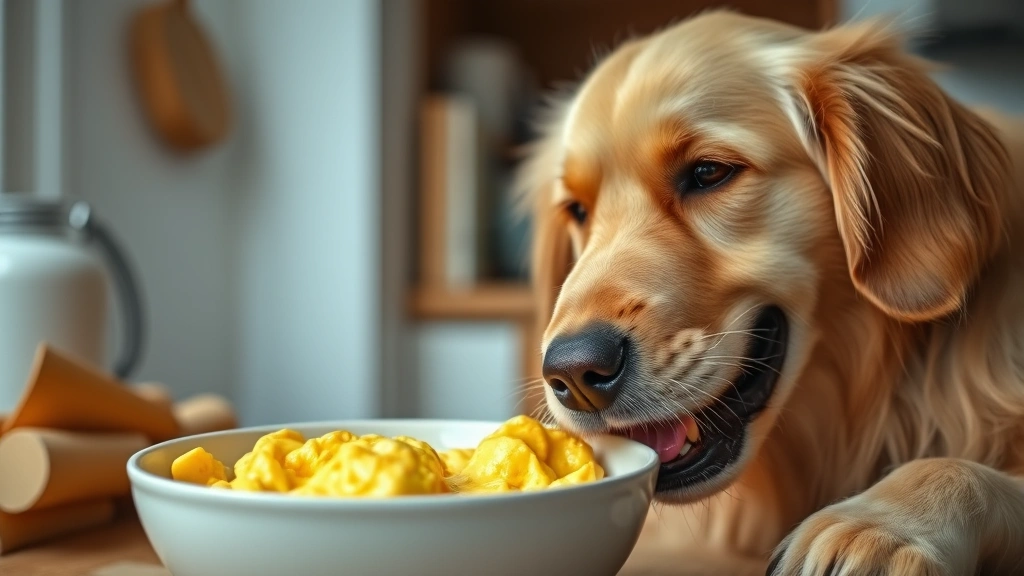
Yes, is scrambled eggs good for dogs? Absolutely! Scrambled eggs can be a nutritious and delicious treat for your furry best friend when prepared correctly. But before you start whipping up a doggy omelet bar, let’s dive into what you need to know about feeding eggs to dogs, because not all egg preparations are created equal.
Table of Contents
- Why Dogs Love Eggs (And Why That’s Actually Great)
- Scrambled Eggs vs. Other Egg Preparations for Dogs
- Nutritional Benefits of Scrambled Eggs for Dogs
- How Much Scrambled Egg Can Your Dog Safely Eat?
- Safe Preparation: The Do’s and Don’ts of Doggy Scrambled Eggs
- Potential Risks and When to Avoid Scrambled Eggs
- Scrambled Eggs as Training Treats
- Eggs and Your Dog’s Coat: Beauty from the Inside Out
- Egg Allergies in Dogs: What You Need to Know
- Homemade Dog Treats Featuring Eggs
- Expert Vet Perspective on Eggs for Dogs
- Frequently Asked Questions
- The Bottom Line: Are Scrambled Eggs Good for Dogs?
As a vet tech who’s seen plenty of dogs with tummy troubles from well-intentioned human food mishaps, I’m here to give you the real deal on eggs—the good, the bad, and the buttery.
Why Dogs Love Eggs (And Why That’s Actually Great)
Dogs aren’t picky eaters by accident; they’re driven by nutrition and taste. Eggs are packed with high-quality protein, essential amino acids, and fatty acids that support your dog’s coat, skin, and overall health. Think of eggs as nature’s multivitamin for pups. When you’re looking for vet-approved human foods for pets, eggs consistently rank near the top because they’re nutrient-dense and relatively safe.
The yolk contains choline, which supports brain development and liver function—especially important for puppies and senior dogs. The white provides lean protein without excess fat. It’s basically a superfood situation, which is why many dog owners wonder if they can incorporate eggs into their pet’s regular diet.
Scrambled Eggs vs. Other Egg Preparations for Dogs
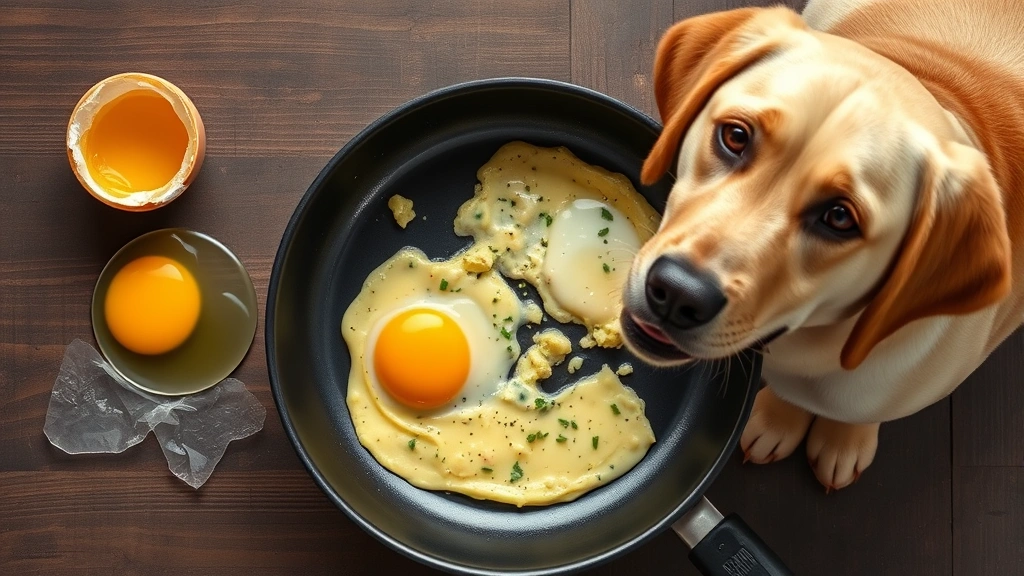
Here’s where preparation matters big time. Scrambled eggs are generally the safest option for dogs because they’re cooked thoroughly, making them easier to digest and reducing foodborne illness risk. Raw eggs? Skip them—salmonella isn’t fun for anyone. Fried eggs? The excess oil and butter aren’t ideal for your pup’s waistline or digestive system.
When preparing scrambled eggs for dogs, keep it simple: use a non-stick pan, a little water or plain cooking spray, and absolutely no salt, garlic, or onions. Your dog doesn’t need seasoning to enjoy eggs, and those additions can actually be harmful. Garlic and onions contain compounds that damage red blood cells in dogs, so they’re a hard no.
Boiled eggs are another excellent option if you want an alternative. They’re plain, safe, and provide the same nutritional benefits without any cooking oils. Many dog owners find boiled eggs easier for portion control too.
Nutritional Benefits of Scrambled Eggs for Dogs
Let’s talk nutrition because this is where eggs really shine. A single large egg contains about 6 grams of protein—that’s serious muscle-building material for your pup. Dogs need protein to maintain lean muscle mass, support immune function, and keep their metabolism running smoothly.
Beyond protein, eggs contain:
- Selenium: Supports thyroid function and immune response
- Vitamin A: Essential for vision and skin health
- Vitamin D: Helps with calcium absorption and bone strength
- Choline: Supports cognitive function and liver health
- Lutein and Zeaxanthin: Protect eye health
For active dogs, eggs make an excellent energy-boosting food for active pets. Whether your dog is a weekend hiker or a competitive agility competitor, the protein and fat content in eggs provide sustained energy without the artificial ingredients found in many commercial treats.
How Much Scrambled Egg Can Your Dog Safely Eat?
Portion control is crucial here. Eggs are calorie-dense, and overfeeding them can contribute to weight gain and nutritional imbalances. The general rule is that treats—including eggs—should make up no more than 10% of your dog’s daily caloric intake.
For most dogs, this translates to:
- Small dogs (under 20 lbs): One scrambled egg per week, divided into smaller portions
- Medium dogs (20-50 lbs): Two to three scrambled eggs per week
- Large dogs (over 50 lbs): Up to four eggs per week
These aren’t daily amounts—they’re weekly guidelines. Think of scrambled eggs as an occasional treat, not a dietary staple. If your dog has specific health conditions like pancreatitis or obesity, check with your vet before introducing eggs into their diet.
Safe Preparation: The Do’s and Don’ts of Doggy Scrambled Eggs
I can’t stress this enough: preparation makes all the difference. Here’s exactly how to prepare scrambled eggs for your dog:
DO:
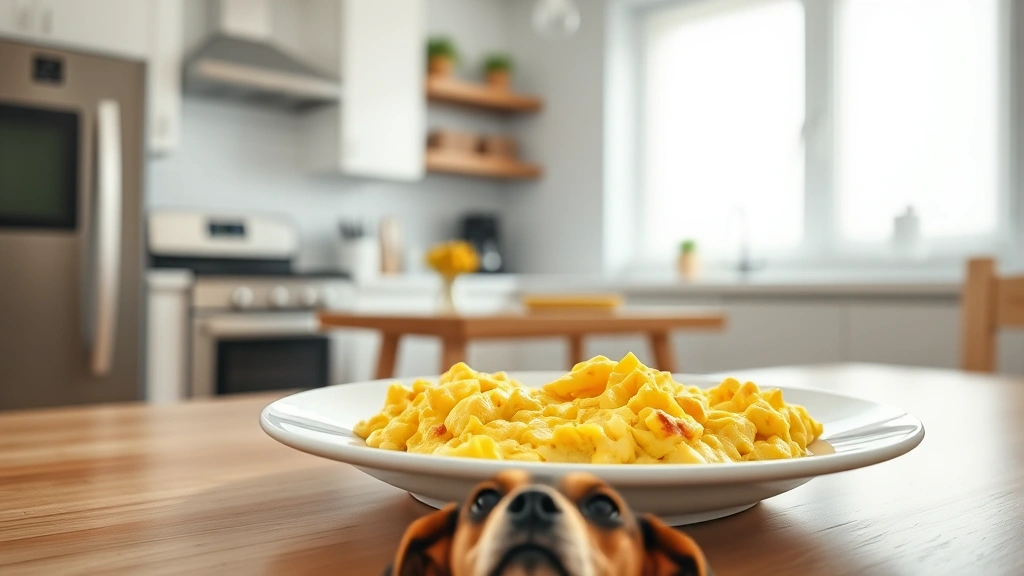
- Use plain, unsalted butter or cooking spray
- Cook eggs thoroughly to eliminate salmonella risk
- Let eggs cool completely before serving
- Serve in small, manageable pieces
- Store leftovers in the refrigerator for up to three days
DON’T:
- Add salt, pepper, or any seasonings
- Include garlic or onions (toxic to dogs)
- Serve eggs fried in excessive oil
- Give raw or undercooked eggs
- Mix eggs with cheese if your dog is lactose intolerant
- Serve eggs that have been sitting out for more than two hours
When you’re exploring can dogs eat eggs, the answer is yes—but preparation is everything. A plain scrambled egg is a dog’s dream; a seasoned, buttery scrambled egg is asking for trouble.
Potential Risks and When to Avoid Scrambled Eggs
While scrambled eggs are generally safe, certain dogs should avoid them or have limited access:
Dogs with pancreatitis: The fat content in eggs can trigger inflammation. Consult your vet before offering any eggs.
Overweight or obese dogs: Eggs are calorie-dense and can sabotage weight management efforts. Stick to lower-calorie treats instead.
Dogs with egg allergies: Yes, egg allergies exist in dogs. Signs include itching, digestive upset, or vomiting. If you suspect an allergy, eliminate eggs and contact your veterinarian.
Dogs on specific diets: If your dog is on a prescription diet for kidney disease, diabetes, or other conditions, check with your vet before adding eggs. They might interfere with dietary management.
Puppies under 8 weeks: Stick to puppy-formulated food. Their digestive systems are still developing.
Scrambled Eggs as Training Treats
Looking for high-value training rewards? Scrambled eggs are fantastic for this purpose. Dogs go crazy for them, making them perfect for reinforcing good behavior during training sessions. Since you’re only using small portions during training, you’re not exceeding those 10% treat guidelines.
Many dog trainers recommend using training treats from human food like eggs because they’re more exciting than commercial treats and help maintain the human-food bond. Break scrambled eggs into pea-sized pieces for small dogs or bite-sized chunks for larger breeds, and you’ve got yourself a powerful training tool.
Eggs and Your Dog’s Coat: Beauty from the Inside Out
One of the most visible benefits of occasional egg treats is coat improvement. The omega-3 and omega-6 fatty acids in eggs promote skin health and give your dog’s fur that shiny, healthy appearance. If your dog’s coat looks dull or their skin seems dry, eggs might help—though they’re not a substitute for proper nutrition and medical care.
Many dog owners report noticing improvements in their dog’s coat within a few weeks of adding eggs to their diet. Combined with regular brushing and a quality diet, scrambled eggs can contribute to that gorgeous, healthy-looking fur that makes everyone ask, “What’s your secret?”
Egg Allergies in Dogs: What You Need to Know
While uncommon, egg allergies do occur in dogs. They’re more common in dogs with existing food allergies or sensitivities. Signs include:
- Itching or excessive scratching
- Red, inflamed skin
- Ear infections
- Vomiting or diarrhea
- Facial swelling (in severe cases)
If you’re introducing eggs for the first time, start with a tiny amount and monitor your dog for 24-48 hours. If any symptoms appear, discontinue eggs and contact your veterinarian. When introducing new foods, it’s always better to be cautious.
Homemade Dog Treats Featuring Eggs
Want to get creative? Eggs are a base ingredient in many homemade dog treat recipes. From homemade dog biscuits to frozen egg popsicles, you can incorporate eggs into treat recipes that your dog will absolutely love. Just remember to avoid any human-friendly ingredients like chocolate, xylitol, or excessive salt.
Simple egg-based treat idea: Mix one egg with a cup of oat flour, form into small balls, bake at 350°F for 12-15 minutes, and you’ve got homemade treats your dog will go bonkers for. Store them in an airtight container for up to a week.
Expert Vet Perspective on Eggs for Dogs
According to the American Kennel Club (AKC), eggs are safe for dogs when prepared properly and given in moderation. The PetMD veterinary team also confirms that cooked eggs are a nutritious addition to a dog’s diet. Research from veterinary nutritionists at UC Davis School of Veterinary Medicine shows that eggs provide complete protein with all essential amino acids dogs need.
The consensus among veterinary professionals is clear: scrambled eggs are good for dogs when they’re plain, cooked thoroughly, and given in appropriate portions. They’re not a replacement for balanced commercial dog food, but they’re an excellent occasional treat.
Frequently Asked Questions
Can dogs eat scrambled eggs every day?
No. While eggs are nutritious, they shouldn’t be daily treats. Limit scrambled eggs to once or twice per week to maintain nutritional balance and prevent weight gain. Daily eggs could disrupt your dog’s overall dietary balance and contribute to obesity.
Are scrambled eggs with butter safe for dogs?
A small amount of butter is fine, but excessive butter adds unnecessary calories and fat. Use minimal butter or cooking spray instead. Butter isn’t toxic to dogs, but moderation is key to preventing pancreatitis and weight issues.
Can puppies eat scrambled eggs?
Puppies over 8 weeks can have small amounts of plain scrambled eggs, but their nutritional needs are best met by puppy-formulated food. Consult your vet before introducing eggs to ensure they won’t interfere with proper development.
What if my dog has eaten a scrambled egg with garlic or onions?
Contact your veterinarian immediately. Garlic and onions are toxic to dogs and can damage red blood cells. Severity depends on the amount consumed and your dog’s size. Don’t wait—call your vet or an emergency clinic right away.
Are eggshells safe for dogs?
Eggshells are technically safe and contain calcium, but they’re a choking hazard and difficult to digest. Remove shells before serving eggs to your dog. If your dog accidentally ingests a shell, monitor for signs of digestive upset.
Can dogs eat egg whites only?
Yes, egg whites are safe and contain protein without the fat found in yolks. However, yolks contain beneficial nutrients like choline and lutein, so whole eggs are more nutritionally complete. If your dog is overweight, egg whites might be a lower-calorie option.
How do I know if my dog is allergic to eggs?
Introduce eggs gradually and watch for itching, vomiting, diarrhea, or facial swelling within 24-48 hours. If symptoms appear, stop feeding eggs and contact your vet. A veterinary elimination diet can confirm egg allergies.
The Bottom Line: Are Scrambled Eggs Good for Dogs?
Yes, scrambled eggs are good for dogs when prepared properly and served in moderation. They’re a nutrient-dense treat packed with protein, vitamins, and healthy fats that support your dog’s overall health. Plain, cooked scrambled eggs—without salt, garlic, onions, or excessive butter—make an excellent occasional treat that most dogs love.
Remember the key principles: keep portions small (no more than 10% of daily calories), prepare them simply without seasonings, cook them thoroughly, and limit them to once or twice weekly. Most importantly, scrambled eggs should complement a balanced diet, not replace it.
Your dog doesn’t need eggs to be healthy, but they can certainly enjoy them as a special treat. Whether you’re using them for training rewards, occasional snacks, or homemade treat recipes, scrambled eggs offer a safe, nutritious way to show your pup some love. Just follow these guidelines, and you’ll have a happy, healthy dog enjoying a treat that’s actually good for them.





