
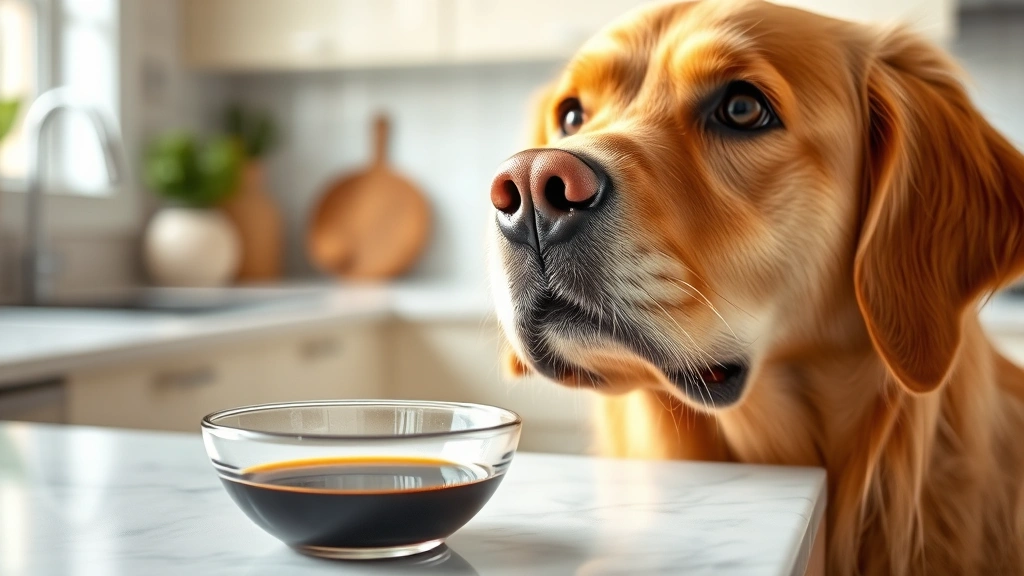
So your pup just licked up a puddle of soy sauce from the kitchen floor, and now you’re spiraling—is soy sauce bad for dogs? The short answer: yes, soy sauce is bad for dogs and should be kept far away from your furry best friend. Before you panic completely, let’s break down exactly why this common kitchen staple poses a real threat to your canine companion and what you should do if your dog accidentally ingests it.
Table of Contents
- Why Is Soy Sauce Toxic to Dogs?
- Understanding Salt Toxicity in Dogs
- Symptoms of Soy Sauce Poisoning in Dogs
- Soy Sauce Alternatives Safe for Dogs
- What About Low-Sodium Soy Sauce?
- Soy Sauce Ingestion: What to Do Immediately
- Other Common Kitchen Condiments Toxic to Dogs
- Breeds and Health Conditions at Higher Risk
- Prevention: Making Your Home Dog-Safe
- When to Seek Emergency Veterinary Care
- Frequently Asked Questions
- Summary: Keeping Your Dog Safe From Soy Sauce
Why Is Soy Sauce Toxic to Dogs?
The main culprit behind soy sauce’s danger to dogs is sodium content. A single tablespoon of soy sauce contains roughly 900-1000mg of sodium—that’s an astronomical amount for a dog. To put this in perspective, the recommended daily sodium intake for most dogs is between 100-500mg depending on their size and health status. One lick of soy sauce can push your dog dangerously close to or exceed their entire daily sodium allowance.
Beyond the sodium bomb, many soy sauce brands contain garlic and onion powder as flavoring agents. Both garlic and onions are toxic to dogs because they contain compounds called thiosulfates that damage red blood cells and cause hemolytic anemia. Even small amounts can be problematic, especially for smaller breeds.
Understanding Salt Toxicity in Dogs
When dogs consume excessive salt, their bodies struggle to maintain proper fluid balance. This leads to something called hypernatremia—essentially, salt poisoning. The condition causes the body to pull water out of cells to dilute the excess sodium in the bloodstream, which can lead to severe dehydration and neurological problems.
Salt toxicity in dogs is particularly dangerous because symptoms can develop rapidly. A dog might seem fine for hours and then suddenly show signs of distress. This unpredictability makes prevention absolutely critical. Visit our Pet Food Safety guide to learn more about identifying dangerous household items.
Symptoms of Soy Sauce Poisoning in Dogs
If your dog has consumed soy sauce, watch carefully for these warning signs over the next 24-72 hours:
- Excessive thirst and increased urination
- Vomiting or diarrhea
- Loss of appetite
- Lethargy or unusual tiredness
- Tremors or seizures (in severe cases)
- Confusion or disorientation
- Rapid breathing
- Abdominal pain or bloating
The severity of symptoms depends on how much soy sauce your dog consumed and their body weight. A 10-pound Chihuahua who licks a teaspoon of soy sauce faces much greater risk than a 80-pound Golden Retriever, though both situations warrant caution.
Soy Sauce Alternatives Safe for Dogs
Here’s the good news: if you want to add flavor to your dog’s meals, several safe alternatives exist. Plain, unsalted broth (beef, chicken, or vegetable) makes an excellent topper that dogs love. You can also use small amounts of plain cooked chicken, pumpkin puree, or carrots to add variety without the sodium danger.
When cooking for your pup, always remember that dogs don’t need fancy seasonings. Their taste buds are far less complex than ours, and they’re perfectly happy with simple, wholesome ingredients. Check out our Safe Human Snacks for Pets article for a comprehensive list of dog-friendly options.
What About Low-Sodium Soy Sauce?
You might be thinking, “What if I use low-sodium soy sauce instead?” While this is marginally better than regular soy sauce, it’s still not safe for dogs. Even “low-sodium” versions contain 500-600mg of sodium per tablespoon—still dangerously high for canines. Additionally, many reduced-sodium soy sauces compensate for flavor loss by adding more garlic and onion powders, which makes them even more toxic.
The bottom line: no version of soy sauce is appropriate for dogs. Don’t take the risk, even with products marketed as healthier alternatives.
Soy Sauce Ingestion: What to Do Immediately
If you catch your dog consuming soy sauce or suspect they’ve ingested some, here’s your action plan:
First: Don’t panic. A single lick usually won’t cause immediate life-threatening problems, though it’s still concerning. Remove any remaining soy sauce from your dog’s reach immediately.
Second: Contact your veterinarian or emergency vet clinic right away. Call the Pet Poison Hotline (888-426-4435) for immediate guidance. They can assess the situation based on your dog’s weight and the amount consumed.
Third: Have this information ready when you call: your dog’s weight, the amount of soy sauce consumed (estimate if unsure), the time of ingestion, and any symptoms already present.
Fourth: Follow veterinary guidance, which might include induced vomiting, activated charcoal administration, or monitoring at an emergency clinic depending on severity.
Other Common Kitchen Condiments Toxic to Dogs
Soy sauce isn’t the only kitchen condiment threatening your pup. Many common sauces and seasonings pose similar dangers. Worcestershire sauce, teriyaki sauce, and barbecue sauce all contain excessive sodium and often include garlic and onions. Hot sauce can irritate your dog’s digestive system. Mustard, while less toxic, isn’t recommended due to sodium content and potential digestive upset.
The safest approach is to keep all condiments, sauces, and seasoning packets away from curious noses. Store them in upper cabinets or locked containers, and never leave dishes with sauces unattended where dogs can access them. Our Holiday Foods Pets Should Avoid guide covers many other seasonal dangers.
Breeds and Health Conditions at Higher Risk
While all dogs should avoid soy sauce, certain dogs face elevated risk. Small breeds like Chihuahuas, Pomeranians, and toy poodles are more susceptible because their smaller body weight means any toxin affects them more severely. Senior dogs and puppies also struggle more with salt toxicity.
Dogs with pre-existing health conditions face particular danger. Those with kidney disease, heart disease, or hypertension are especially vulnerable because their bodies already struggle with fluid and electrolyte balance. If your dog has pancreatitis, the high sodium content can trigger painful flare-ups. Read our article on Human Foods for Pets with Pancreatitis for more information about managing their diet.
Prevention: Making Your Home Dog-Safe
The best medicine is prevention. Here are practical steps to keep soy sauce and other toxins away from your dog:
- Store all sauces and condiments in high cabinets, preferably with childproof locks
- Never leave food unattended on counters or tables where dogs can jump or reach
- Educate family members and guests about what foods are dangerous for your dog
- Clean up spills immediately, especially in kitchens and dining areas
- Keep takeout containers secured until you can properly dispose of them
- Train your dog a solid “leave it” command for extra protection
- Use baby gates to restrict kitchen access during meal preparation
When to Seek Emergency Veterinary Care
Contact an emergency veterinary clinic immediately if your dog shows any of these signs after soy sauce ingestion:
- Seizures or tremors
- Loss of consciousness or extreme lethargy
- Severe vomiting or diarrhea
- Difficulty breathing
- Inability to walk or severe disorientation
- Uncontrollable drooling
- Any symptoms developing rapidly
Even if symptoms seem mild, it’s better to err on the side of caution with toxin ingestion. Veterinarians would rather evaluate a dog unnecessarily than have you wait too long and miss a critical window for treatment.

Frequently Asked Questions
Can a small amount of soy sauce hurt my dog?
Yes. Even small amounts of soy sauce are concerning for dogs due to extremely high sodium content. A single tablespoon contains nearly a day’s worth of sodium for most dogs. Any amount should be considered a potential poisoning situation requiring veterinary guidance.
What if my dog ate soy sauce hours ago and seems fine?
Symptoms of salt toxicity can be delayed, sometimes appearing 24-72 hours after ingestion. Even if your dog seems fine now, continue monitoring closely and contact your vet for guidance. Don’t assume everything is okay just because your dog isn’t showing immediate signs.
Is tamari sauce safer than soy sauce for dogs?
Tamari is typically made without wheat and contains similar sodium levels to regular soy sauce—around 900mg per tablespoon. While some brands advertise lower sodium versions, they’re still too high for dogs. Tamari is not a safe alternative.
My dog licked my plate with soy sauce residue—should I panic?
A single lick of residual soy sauce from a plate is typically less concerning than direct consumption of the sauce itself. However, you should still monitor your dog closely and contact your vet or poison control for guidance based on your dog’s weight and the amount of sauce residue.
Can dogs have soy products in general?
Plain, unsalted soy products like plain tofu are technically safe for dogs in moderation, though they offer little nutritional benefit. The danger with soy sauce specifically is the sodium, garlic, onion, and other additives—not the soy itself. Always check ingredient labels.
What’s the treatment for soy sauce poisoning in dogs?
Treatment depends on timing and severity. If caught early, vets may induce vomiting or administer activated charcoal to prevent absorption. Supportive care includes IV fluids to correct electrolyte imbalances and manage dehydration. Severe cases may require hospitalization and monitoring.
Summary: Keeping Your Dog Safe From Soy Sauce
Is soy sauce bad for dogs? Absolutely. The combination of extreme sodium content, garlic, and onion powder makes soy sauce genuinely dangerous for your canine companion. While a single small lick probably won’t be fatal, it’s still a poisoning risk that requires immediate veterinary attention.
The best approach is prevention—keep all sauces and condiments securely stored away from curious dogs. If accidental ingestion occurs, contact your vet or poison control immediately rather than waiting to see if symptoms develop. Your dog depends on you to keep their environment safe, and being aware of hidden toxins in common kitchen items is a crucial part of responsible pet ownership.
Remember, dogs don’t need fancy seasonings or human food to be happy and healthy. Stick with dog-appropriate treats and meals, and you’ll never have to worry about soy sauce poisoning again. Your pup will thank you with unconditional love—no soy sauce required.





