

Is stevia toxic to dogs? The short answer is: it depends on the type, but most pure stevia is generally considered safe for dogs in small amounts. However, this sweetener comes with some important caveats that every dog owner should understand before sharing their diet drinks or sugar-free treats with their furry best friend.
Table of Contents
- What Exactly Is Stevia Anyway?
- Pure Stevia vs. Stevia Products: Know the Difference
- The Stevia Safety Profile for Dogs
- Why Dogs Don’t Need Sweeteners Anyway
- Potential Side Effects in Dogs
- What About Stevia in Commercial Dog Treats?
- Comparison: Stevia vs. Other Sweeteners
- Signs of Stevia Toxicity (What to Watch For)
- Best Practices: Keeping Your Dog Safe
- Frequently Asked Questions
- The Bottom Line on Stevia and Your Dog’s Health
What Exactly Is Stevia Anyway?
Stevia is a natural sweetener derived from the leaves of the Stevia rebaudiana plant, native to South America. It’s been used for centuries by indigenous peoples and has become wildly popular in recent decades as a zero-calorie sugar alternative. You’ll find it in everything from diet sodas to sugar-free candy, protein bars, and even some dog treats marketed as “healthy” options.
The sweetness comes from compounds called steviol glycosides, which are about 200-300 times sweeter than regular sugar. This means manufacturers only need tiny amounts to achieve that sweet taste we crave. But here’s where things get tricky for our canine companions.
Pure Stevia vs. Stevia Products: Know the Difference
Not all stevia products are created equal, and this distinction is absolutely crucial when considering pet nutrition advice. Pure stevia extract—the actual plant-derived sweetener—is generally recognized as safe for dogs by most veterinarians. However, many commercial stevia products contain additional ingredients that are decidedly NOT safe for dogs.
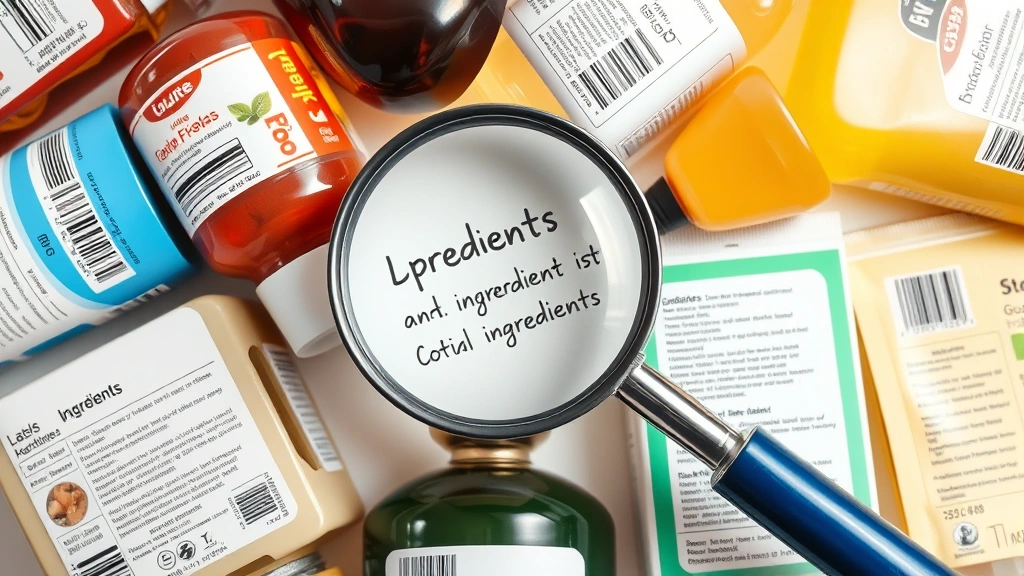
The real villain you need to watch out for is xylitol, a sugar alcohol that’s often blended with stevia in commercial products. Xylitol poisoning in dogs is a serious concern that can cause severe hypoglycemia, liver damage, and even death. Always read those ingredient labels carefully—if you see xylitol listed, keep it far away from your pup’s nose.
The Stevia Safety Profile for Dogs
Research on pure stevia’s effects on dogs is surprisingly limited, which is why veterinarians tend to be cautiously optimistic rather than enthusiastically encouraging. Studies in humans show stevia is well-tolerated and doesn’t cause the blood sugar spikes that regular sugar does. Dogs have different metabolisms than humans, but the available evidence suggests pure stevia doesn’t pose the same toxicity risks as other artificial sweeteners.
That said, “safe in small amounts” doesn’t mean “safe in large quantities.” Your dog’s digestive system isn’t designed to process large amounts of any sweetener, natural or otherwise. Their bodies are optimized for meat, not candy.
Why Dogs Don’t Need Sweeteners Anyway
Here’s a reality check: dogs don’t taste sweetness the way humans do. While they have taste receptors for sweet flavors, they lack the same intensity of sweet-sensing capability. Your dog isn’t sitting around wishing they had a diet soda or sugar-free candy. They’re perfectly content with their regular kibble and the occasional carrot or apple.
Giving your dog stevia-sweetened products is really more about our human desires than their nutritional needs. We want to share our treats, to feel like we’re being “nice” to our pets. But the kindest thing you can do is stick to safe human snacks for pets that are actually designed with their health in mind.
Potential Side Effects in Dogs
While pure stevia isn’t toxic at low doses, some dogs might experience digestive upset if they consume it in significant quantities. We’re talking about loose stools, mild diarrhea, or an upset stomach. This is more of a “too much of a good thing” scenario than actual poisoning.

Additionally, regularly consuming sweetened products can contribute to obesity and dental problems in dogs, just as it does in humans. Your pup’s teeth are already vulnerable enough without encouraging a sugar-free candy habit.
What About Stevia in Commercial Dog Treats?
Some pet food manufacturers have started using stevia to make “healthier” dog treats and dental chews. If the product contains only pure stevia and no xylitol, it’s technically safe. However, you should still question whether your dog needs sweetened treats at all. A plain, crunchy dental chew or a piece of plain chicken will do more for your dog’s health than any sweetened alternative.
Check the ingredient list on any dog treat you purchase. Look for xylitol specifically, but also be aware of other artificial sweeteners like sorbitol and maltitol, which can also cause digestive issues in dogs.
Comparison: Stevia vs. Other Sweeteners
When comparing stevia to other sweetening agents, the safety hierarchy looks something like this: Plain food (safest) > Pure stevia (likely safe in small amounts) > Sugar (not ideal but not immediately toxic) > Xylitol (extremely dangerous) > Other sugar alcohols (potentially problematic).
This is why stevia, while not ideal, is actually one of the better choices if you absolutely must give your dog something sweet. But again, there’s no reason you must. Your dog would be thrilled with a piece of plain pumpkin or a few blueberries instead.
Signs of Stevia Toxicity (What to Watch For)
If your dog accidentally consumed a large amount of a stevia product (particularly one containing xylitol), watch for these warning signs: vomiting, diarrhea, lethargy, loss of appetite, trembling, or seizures. If your dog shows any of these symptoms after consuming a sweetened product, contact your veterinarian or pet poison hotline immediately.
For pure stevia alone, toxicity is unlikely unless we’re talking about truly massive quantities. But when combined with other ingredients in commercial products, the risk profile changes dramatically.
Best Practices: Keeping Your Dog Safe
The safest approach is simple: don’t give your dog stevia products at all. Stick to whole foods and treats specifically formulated for canine nutrition. If you want to share human food with your dog, choose items with zero processing and zero sweeteners—things like plain chicken, carrots, green beans, or sweet potato.
If your dog has accidentally consumed a stevia product, don’t panic immediately. Check the ingredient label. If it contains only stevia and no xylitol or other sugar alcohols, your dog will likely be fine. Monitor them for a few hours for any signs of digestive upset, but serious toxicity is unlikely.
Keep all diet sodas, sugar-free gum, and artificially sweetened products in a secure location where your dog can’t access them. This is especially important for xylitol-containing products, which pose a genuine emergency threat.
Frequently Asked Questions
Can I give my dog stevia-sweetened peanut butter?
Only if the peanut butter contains pure stevia and absolutely no xylitol. However, regular peanut butter (the unsweetened kind with no added sugar or sweeteners) is a better choice. Always choose natural peanut butter without any sweetening agents.
Is stevia in dog treats safe for long-term consumption?
While pure stevia isn’t toxic, regularly consuming sweetened treats isn’t ideal for your dog’s health. It can contribute to weight gain, dental problems, and digestive issues. Occasional consumption is unlikely to cause harm, but daily stevia-sweetened treats aren’t recommended.
What should I do if my dog ate something with xylitol?
This is a genuine emergency. Contact your veterinarian or telehealth advice for pet poisoning services immediately. Xylitol can cause rapid-onset hypoglycemia and liver damage. Time is critical in these cases.
Are there any dog breeds more sensitive to stevia?
No specific breed predisposition to stevia toxicity has been documented. However, small breeds may be more affected by smaller quantities simply due to their lower body weight. Puppies and senior dogs should also avoid sweetened products due to their more sensitive digestive systems.
Can stevia cause kidney or liver damage in dogs?
Pure stevia has not been shown to cause kidney or liver damage in dogs at normal exposure levels. However, xylitol (which is sometimes mixed with stevia) can cause severe liver damage. This is another reason to read labels carefully and avoid products containing xylitol.
The Bottom Line on Stevia and Your Dog’s Health
Is stevia toxic to dogs? Pure stevia, in the amounts typically found in commercial products, is not considered toxic to dogs. However, this doesn’t mean it’s recommended or necessary. Your dog doesn’t need sweeteners, and there are far better ways to show your love and affection than through diet products.
The real danger lies in stevia products that also contain xylitol or other harmful ingredients. Always read labels, always choose whole foods when possible, and remember that the best treats for your dog are those that contribute to their health rather than just their momentary pleasure.
Your veterinarian can provide personalized guidance based on your dog’s age, health status, and dietary needs. When in doubt, skip the sweeteners entirely and opt for plain, wholesome foods that will keep your furry friend healthy and happy for years to come.





