
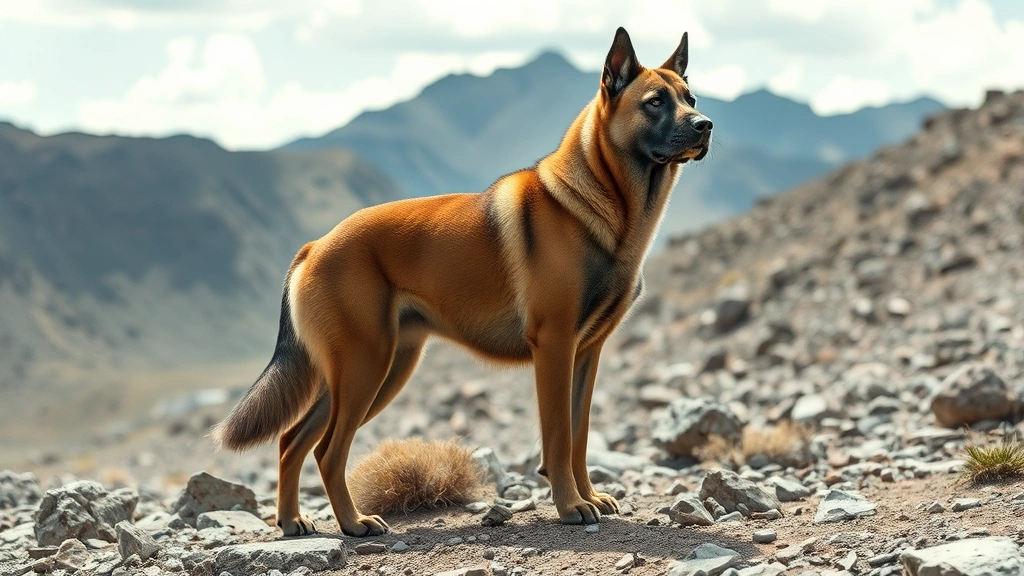
Can Any Dog Kill a Bear? Expert Insights on Canine Capabilities and Limitations
The image of a fearless dog standing toe-to-toe with a massive bear is the stuff of legend—the kind of story that gets passed around campfires and shared across social media. But here’s the reality check: while dogs are remarkable animals with incredible instincts and surprising strength, the question of whether any dog can actually kill a bear deserves a nuanced, evidence-based answer. Spoiler alert: it’s complicated, and the answer involves understanding both canine biology and bear behavior in ways that might surprise you.
As dog lovers and enthusiasts, we often celebrate our four-legged companions for their bravery, loyalty, and protective instincts. But when it comes to tangling with one of nature’s most powerful predators, we need to separate Hollywood fantasy from biological reality. In this comprehensive guide, we’ll explore what makes certain dog breeds formidable protectors, examine historical accounts of dog-versus-bear encounters, and help you understand the true limits of canine capability when facing apex predators.
Whether you’re curious about dog behavior, interested in livestock protection, or simply fascinated by the intersection of canine strength and wildlife dynamics, this article will give you the facts you need to understand this intriguing question.
Understanding Canine Strength and Bite Force
To properly assess whether any dog could kill a bear, we first need to understand what makes dogs physically capable. Dogs have evolved alongside humans for thousands of years, developing impressive physical attributes that vary dramatically by breed. When we talk about dog strength, we’re really discussing several factors: bite force, muscle mass, jaw structure, and predatory instinct.
Bite force is often measured in pounds per square inch (PSI), and this is where dogs show some genuinely impressive numbers. The strongest bite force among dogs can exceed 700 PSI in certain large breeds. Breeds like Kangals, Mastiffs, and Rottweilers have been recorded with exceptional bite forces. For context, a human bite registers around 120-150 PSI, so we’re talking about creatures with jaws roughly five times more powerful than ours.
However, bite force alone doesn’t determine combat capability. A dog’s overall fighting ability depends on multiple factors: size, weight, endurance, pain tolerance, and fighting experience. Large mastiff-type dogs can weigh 150-200 pounds, giving them substantial mass to work with. Yet even the most powerful dog has physical limitations that become glaringly obvious when compared to a bear.
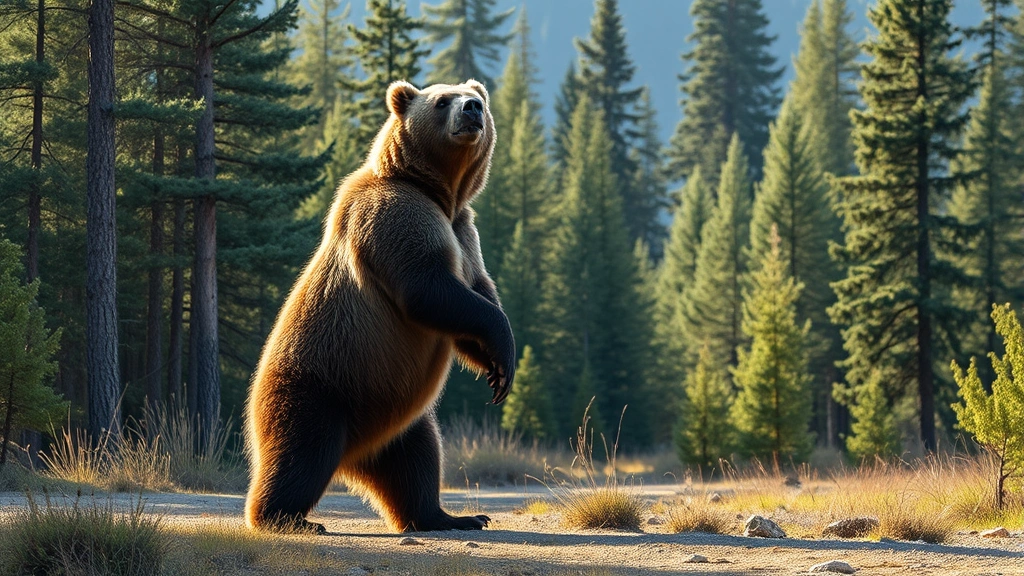
The psychological aspect of canine strength is equally important. Dogs bred for protection work—whether that’s guarding livestock or defending property—possess an innate drive to confront threats. This fearlessness, combined with their physical capabilities, makes certain breeds genuinely formidable opponents for most animals. That said, there’s a massive difference between being a formidable opponent and being capable of defeating an apex predator.
Bear Biology: What Dogs Are Up Against
To understand why the answer to our question is essentially “no,” we need to appreciate the sheer biological superiority of bears. Bears are among the largest carnivores on Earth, and their physical specifications are genuinely staggering.
A black bear, the smallest bear species in North America, weighs 150-250 pounds for males and can run at speeds up to 30 mph. Grizzly bears are significantly larger, with males averaging 350-850 pounds. Polar bears, the largest, can exceed 1,500 pounds. These aren’t just heavier animals—they’re differently constructed, with muscle density, claw structure, and skeletal architecture optimized for predation and dominance.
Bear claws are particularly relevant to this discussion. A grizzly bear’s front claws measure 3-4 inches long and are razor-sharp, capable of piercing thick hide and bone. These claws, combined with a bear’s foreleg strength, can deliver devastating wounds with a single swipe. A bear’s bite force, while not the strongest in the animal kingdom, registers around 1,200 PSI—significantly more powerful than even the strongest dog.
Perhaps most importantly, bears possess an aggression threshold and pain tolerance that far exceeds that of dogs. A bear confronted with a threat will escalate to maximum violence with terrifying efficiency. Their thick hide, substantial fat layers, and robust skeletal structure provide protection that a dog simply cannot penetrate, regardless of bite force.
Dog Breeds Known for Protection and Power
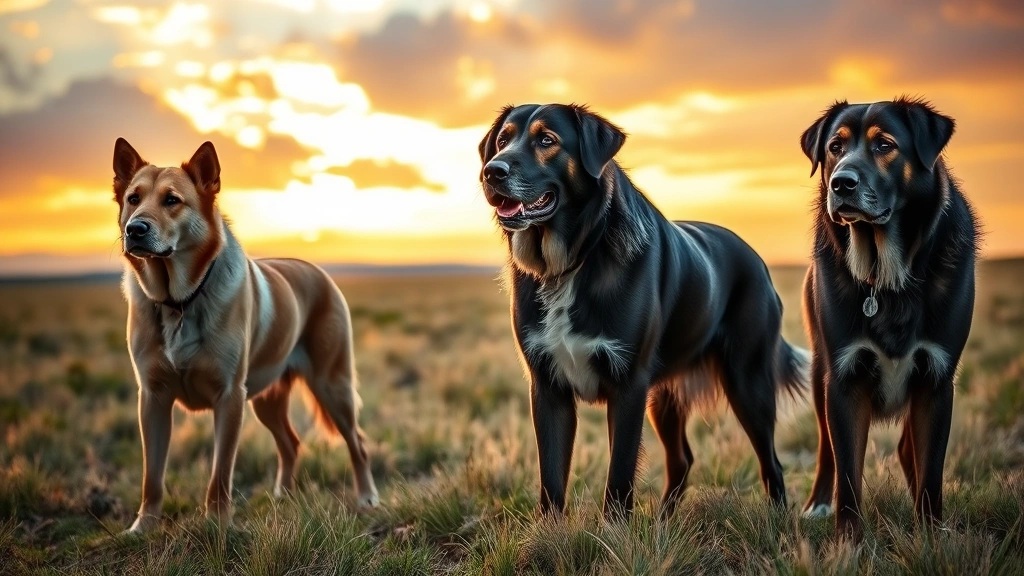
While no dog can reliably kill a bear, certain breeds have earned reputations as formidable protectors. Understanding these breeds helps us appreciate both canine capabilities and their limits.
Kangal Dogs are Turkish livestock guardian dogs bred specifically to protect flocks from predators. These massive dogs, weighing up to 150 pounds, have among the highest recorded bite forces of any dog breed. Their thick necks and powerful builds make them exceptionally dangerous to predators their size or smaller.
Caucasian Shepherd Dogs are another livestock guardian breed, originally developed in the Caucasus Mountains to protect sheep from wolves and other predators. These giants can weigh 200+ pounds and possess the confidence and aggression necessary to stand against dangerous threats.
Mastiffs of various types—English Mastiffs, Neapolitan Mastiffs, and Spanish Mastiffs—combine massive size with protective instinct. These dogs were historically used as war dogs and guardians, and their physical presence alone can be intimidating.
Interestingly, while these powerful breeds are impressive, their actual combat records against large predators tell a story of limited success. Even livestock guardian dogs, which encounter predators regularly, typically succeed through deterrence and group tactics rather than individual combat prowess. When you want to understand predator defense, exploring how dogs protect livestock from predators provides valuable insights into realistic protection scenarios.
The dog with the strongest bite may be formidable against other dogs or smaller predators, but this capability doesn’t scale up to bear-level threats. Similarly, understanding whether foxes attack dogs and how dogs fare against foxes helps contextualize where dogs actually fit in the predator hierarchy.
Historical Accounts of Dogs Versus Bears
Throughout history, there are documented instances of dogs confronting bears, and these accounts reveal important truths about the realistic outcomes of such encounters.
In 18th and 19th century Europe, bear-baiting was a popular (and brutal) entertainment. Dogs, particularly large mastiff breeds, were pitted against bears in arenas. While dogs occasionally inflicted serious injuries on bears, the overwhelming pattern was dogs being killed or severely wounded. Historical records show that even multiple large dogs working together rarely succeeded in killing a bear, though coordinated packs occasionally managed it through sheer numbers and persistence—and even then, at tremendous cost.
More recent accounts from rural areas where bears and dogs coexist tell a similar story. Ranchers and farmers who lose dogs to bear encounters report that even large, powerful dogs rarely stand a chance in a direct confrontation. The dog’s best strategy is avoidance, not combat.
There are rare exceptions—occasional accounts of dogs killing young bears, particularly cubs or young animals significantly smaller than adult bears. But these exceptions prove the rule: a healthy, adult bear is simply too large, too powerful, and too well-equipped for a dog to overcome.
The Reality of Dog-Bear Encounters
So what actually happens when a dog encounters a bear? The answer depends on numerous variables: the dog’s size and breed, the bear’s size and species, the bear’s temperament, and the context of the encounter.
Avoidance: In most cases, the optimal outcome is that the dog avoids the bear entirely. Well-trained dogs can be taught to recognize and avoid bear territory. This is the most common scenario in areas where both dogs and bears are present.
Deterrence: Sometimes a dog’s aggressive posturing, barking, and willingness to confront a threat is enough to make a bear decide the effort isn’t worth it. Bears are generally not looking for a fight; they’re looking for food and safety. A dog that makes itself seem like too much trouble might cause the bear to retreat. This is particularly true for black bears, which are more skittish than grizzlies.
Injury or Death: If a dog actually engages with a bear, injury or death is the likely outcome for the dog. A bear’s claws and bite can inflict catastrophic wounds. Even a bear trying to discourage a dog (rather than kill it) can cause fatal injuries through what, to the bear, is relatively casual violence.
The key insight here is that a dog’s best defensive strategy against a bear is not direct combat but rather deterrence and avoidance. This is fundamentally different from how dogs interact with threats they can actually overcome.
Dogs as Livestock Guardians Against Predators
One of the most practical applications of understanding dog-bear dynamics is in livestock protection. Ranchers and farmers in bear country have developed sophisticated approaches to protecting their animals and dogs.
Livestock guardian dogs have proven effective against most predators—wolves, coyotes, and even mountain lions. However, in bear country, the strategy shifts. Rather than relying on dogs to defeat bears, ranchers implement multi-layered protection: electric fencing, human presence, removal of attractants, and in some cases, using dogs as early warning systems rather than primary defenders.
This pragmatic approach acknowledges the limits of what even the most powerful dog can accomplish. A dog that alerts ranchers to a bear’s presence and helps move livestock to safety is providing far more value than a dog that attempts direct confrontation.
Understanding these dynamics helps explain why even the most impressive protective breeds—those capable of the kinds of activities we associate with active dogs—are deployed differently when facing truly dangerous predators.
Frequently Asked Questions
Could a pack of dogs kill a bear?
A large pack of powerful dogs working in coordination could theoretically kill a bear, particularly a young or weakened bear. However, this would require multiple large dogs, coordinated strategy, and would likely result in severe injuries or deaths among the dog pack. This scenario is extremely rare in practice and not something that occurs naturally without human intervention.
What dog breed is best for bear country?
If you live in bear country, the best dog breeds are those with strong prey drive and alertness: livestock guardian breeds, German Shepherds, and other large protective breeds. However, the most important factor is training and management—keeping dogs indoors at night, not leaving food out, and avoiding situations where dogs might encounter bears.
Has a dog ever killed a bear?
While extremely rare, there are unverified accounts of individual dogs killing bears, typically young bears or cubs. However, these would be exceptional circumstances rather than realistic expectations. The overwhelming evidence suggests that adult bears have overwhelming advantages in any direct confrontation with dogs.
Why can’t dogs kill bears if they have strong bite force?
Bite force is just one factor in combat capability. Bears have superior size, claws, pain tolerance, and fighting experience. A bear’s thick hide and fat layers provide protection that makes a dog’s bite less effective. Additionally, bears’ evolutionary history as apex predators gives them instinctive combat advantages that domestic dogs simply don’t possess.
Should I be worried about my dog encountering a bear?
If you live in bear country, yes, you should take precautions. Keep your dog indoors at night, don’t leave food outside, avoid hiking in areas with recent bear activity, and train your dog to come reliably when called. Most bear-dog incidents are preventable through responsible management.
Are there dogs specifically bred to fight bears?
Historically, some large dog breeds were developed with the capability to confront bears, but not with the expectation that they would consistently win. Rather, these dogs were bred to be fearless enough to engage threats and capable of inflicting damage. Modern dog breeding has moved away from this, focusing instead on companion and protection animals that work within realistic parameters.





