
Is Thyme Safe for Dogs? What Pet Experts Say
If you’re an herb enthusiast with a four-legged friend at home, you’ve probably wondered whether your culinary favorites are safe for your pup. Thyme is one of those aromatic herbs that seems innocent enough—after all, it’s just a little plant, right? But when it comes to our canine companions, even small amounts of certain substances can raise concerns. So let’s dig into the question that’s probably been brewing in your mind: is thyme safe for dogs?
The short answer is: it’s complicated. While small amounts of thyme are generally considered safe for dogs, there are important nuances you need to understand before sprinkling this fragrant herb into your pup’s dinner bowl. This comprehensive guide will walk you through everything pet experts want you to know about thyme and your dog’s health.
Whether you’re a culinary-minded pet parent or simply curious about what human foods your dog can enjoy, understanding the relationship between herbs and canine health is crucial. Let’s explore what the research says and how you can keep your beloved companion safe.
What Is Thyme?
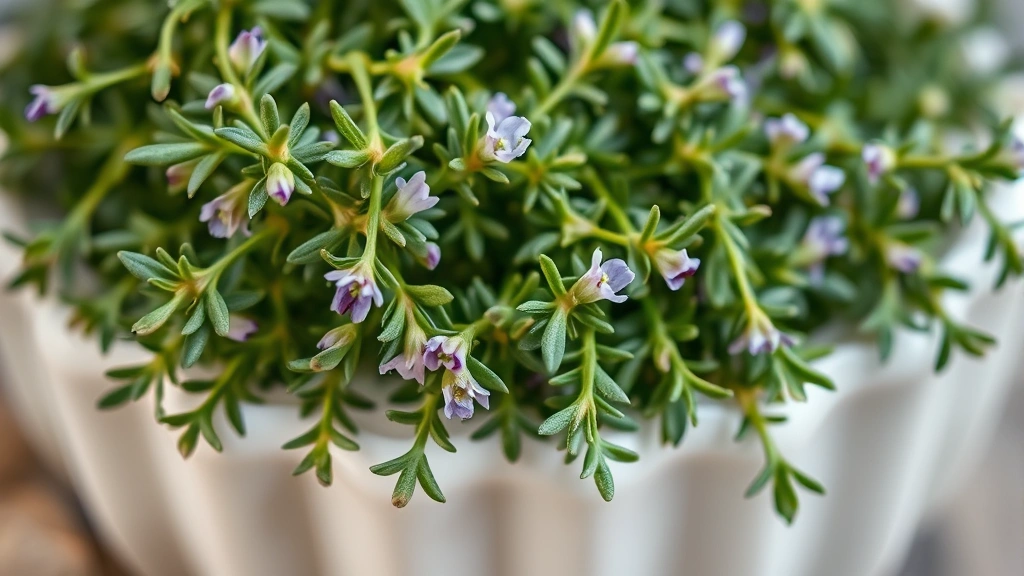
Thyme is a Mediterranean herb from the mint family, scientifically known as Thymus vulgaris. This small but mighty plant has been used for centuries in cooking, traditional medicine, and even as a natural preservative. With its delicate leaves and tiny flowers, thyme packs a aromatic punch that makes it a staple in kitchens worldwide.
The herb contains several active compounds, including thymol, carvacrol, and various antioxidants. These components give thyme its distinctive flavor and aroma, and they’re also responsible for many of its potential health benefits—and concerns—when it comes to pets. Understanding what’s actually in thyme is the first step toward determining whether it’s appropriate for your dog.
Thyme comes in several varieties, with common thyme and lemon thyme being the most popular culinary options. Each variety contains slightly different concentrations of active compounds, which can affect how they interact with your dog’s body. This variation is important to keep in mind when considering whether to share this herb with your furry friend.
Is Thyme Safe for Dogs?
According to veterinary sources and the ASPCA Animal Poison Control Center, thyme in its fresh or dried form is not considered highly toxic to dogs. However, this doesn’t mean your dog can have unlimited access to thyme. The key factor here is concentration and quantity.
The American Kennel Club notes that many common herbs can be problematic for dogs when consumed in large quantities or in concentrated forms. Thyme falls into this category. A small pinch of fresh thyme accidentally dropped into your dog’s food bowl is unlikely to cause serious harm, but intentionally feeding your dog thyme—especially in concentrated forms like essential oils or extracts—is a different story entirely.

Most veterinarians agree that the real concern with thyme isn’t the herb itself in small amounts, but rather the thymol content, which is the primary active compound in thyme. When thymol reaches certain concentrations, it can irritate a dog’s gastrointestinal system and potentially cause more serious complications.
The distinction between “safe” and “toxic” is often a matter of dose. This is a fundamental principle in toxicology: the poison is in the dose. A tiny amount of thyme is vastly different from your dog consuming a cup of thyme leaves or thyme essential oil. Understanding this distinction helps responsible pet owners make informed decisions about what their dogs eat.
Understanding Thymol and Toxicity
Thymol is the primary volatile oil found in thyme, and it’s what gives the herb its characteristic peppery flavor and aroma. In small amounts, thymol has been studied for potential antimicrobial and antioxidant properties. However, at higher concentrations, this same compound can become problematic for dogs.
When a dog ingests thymol in concentrated amounts, it can cause gastrointestinal irritation, including nausea, vomiting, and diarrhea. In more severe cases, particularly with essential oils that contain extremely high concentrations of thymol, dogs may experience tremors, coordination problems, or seizures. This is why thyme essential oil should never be given to dogs without explicit veterinary approval.
The liver and kidneys are responsible for processing and eliminating thymol from your dog’s body. Dogs have different metabolic pathways than humans, which means they process certain compounds differently. This is one reason why something safe for humans might pose a risk to our canine companions. The research from veterinary toxicologists shows that dogs are more sensitive to certain plant compounds than we might initially assume.
It’s important to note that the risk level varies depending on your dog’s size, age, and overall health. A small toy breed puppy faces a different risk profile than a large adult dog when exposed to the same amount of thyme. Senior dogs or those with existing liver or kidney issues are also at higher risk for complications.

Safe Amounts and Guidelines
So what amount of thyme is actually safe for your dog? Veterinarians generally suggest that occasional, tiny amounts of fresh thyme are unlikely to cause problems in most healthy adult dogs. We’re talking about a few leaves—not tablespoons or cups.
Here are some practical guidelines from veterinary professionals:
- Fresh thyme: A few leaves occasionally mixed into food is considered safe for most dogs
- Dried thyme: Should be used sparingly, as it’s more concentrated than fresh thyme
- Thyme in commercial dog food: Manufacturers include only trace amounts, which are considered safe
- Thyme essential oil: Should never be given to dogs without veterinary guidance
- Thyme supplements or extracts: Require veterinary approval and proper dosing
The safest approach is the “when in doubt, leave it out” philosophy. If you’re uncertain about whether an amount of thyme is appropriate for your specific dog, contacting your veterinarian is always the right call. They know your dog’s medical history and can provide personalized guidance.
When considering herb safety for dogs, it’s helpful to compare thyme with similar herbs. For instance, if you’re wondering about can dogs eat rosemary, you’ll find similar guidelines apply—small amounts are generally okay, but concentrated forms are risky. The same principle holds true for is oregano safe for dogs and other Mediterranean herbs.
Other Herbs and Your Dog
Since you’re already thinking about thyme, you might be curious about other culinary herbs. The good news is that many common kitchen herbs are safe for dogs in small amounts. However, each herb has its own safety profile that deserves attention.
Can dogs have basil? Yes, basil is generally safe in small amounts and even has some potential health benefits. Can dogs eat ginger? Absolutely—ginger is actually often recommended by veterinarians for digestive support and inflammation management.
Some herbs, however, should be avoided entirely. Garlic, onions, and chives are all toxic to dogs and can damage their red blood cells. Certain other plants like sago palm, lilies, and autumn crocus are highly toxic and should never be in homes with dogs.
If you want to explore what seasonings can dogs have, you’ll find a comprehensive guide to safe options. It’s also worth noting that is lavender safe for dogs is another common question—and the answer is similar to thyme: small amounts are generally okay, but concentrated forms and essential oils should be avoided.
A good rule of thumb is to always research an herb before giving it to your dog. The American Kennel Club’s expert advice section provides reliable information about pet safety. Additionally, the Pet Poison Helpline maintains an extensive database of toxic and safe substances for pets.
Signs Your Dog Ate Too Much Thyme
If your dog has somehow consumed a significant amount of thyme—perhaps by getting into your spice cabinet or eating a large quantity of thyme-based food—you should know what symptoms to watch for. Early recognition of a problem can make a significant difference in outcomes.
Common signs of thyme toxicity in dogs include:
- Gastrointestinal upset: Vomiting, diarrhea, or constipation
- Loss of appetite: Your dog shows no interest in food
- Lethargy: Unusual tiredness or lack of energy
- Tremors: Involuntary shaking or muscle twitching
- Coordination problems: Stumbling, lack of balance, or difficulty walking
- Excessive drooling: More saliva than normal
- Abdominal pain: Whining, hunching, or reluctance to move
- Seizures: In severe cases with concentrated forms like essential oil
If you notice any of these symptoms and suspect your dog has consumed thyme, contact your veterinarian immediately. If it’s after hours, an emergency veterinary clinic can provide immediate care. Have information ready about what your dog ate, approximately how much, and when it happened.
Your veterinarian may recommend observation, supportive care, or in some cases, activated charcoal to help prevent absorption of the compound. Most dogs recover well from mild thyme ingestion with appropriate care, but professional guidance is always recommended when in doubt.
Dog-Friendly Herb Alternatives
If you love using herbs to enhance your dog’s meals but want to avoid any concerns about thyme, there are plenty of safe alternatives. Many herbs can add flavor and nutritional benefits without any risk.
Some excellent dog-friendly herbs include:
- Parsley: Fresh parsley is safe and can even help freshen breath
- Turmeric: Known for anti-inflammatory properties; many vets recommend it
- Peppermint: Safe in small amounts and can aid digestion
- Chamomile: Can have calming effects; often used in dog supplements
- Apple cinnamon: Safe in small quantities and dogs often enjoy the flavor
- Green beans: Not an herb, but a nutritious addition many dogs love
- Carrots: Crunchy, nutritious, and excellent for dental health
- Sweet potato: Packed with nutrients and easily digestible for most dogs
When introducing any new food or herb to your dog’s diet, do so gradually and in small amounts. This allows their digestive system to adjust and helps you identify any sensitivities. Always prioritize your dog’s regular, balanced diet—treats and herb additions should make up no more than 10% of their daily caloric intake.
If you’re interested in creating a dog-friendly herb garden, focus on varieties that have been well-studied and proven safe for canine consumption. This way, you can enjoy fresh herbs while knowing your curious pup can safely be around them.
Frequently Asked Questions
Can dogs eat thyme in commercial dog food?
Yes, thyme is sometimes included in commercial dog foods, but only in very small amounts. Manufacturers carefully calculate safe levels of all ingredients, and the trace amounts of thyme in dog food are not considered problematic. However, if your dog has a known sensitivity to herbs or has had previous reactions, check the ingredient list and consult your vet.
Is thyme essential oil safe for dogs?
No, thyme essential oil should not be given to dogs. Essential oils are highly concentrated forms of plant compounds, and thymol concentration in essential oil is far too high for safe canine consumption. Even diffusing thyme essential oil in your home should be done cautiously, with good ventilation and away from your dog’s resting areas. Always consult your veterinarian before using any essential oils around pets.
What should I do if my dog ate thyme?
If your dog consumed a small amount of fresh thyme (a few leaves), monitor them for any signs of digestive upset over the next 24 hours. If they seem fine, no intervention is usually necessary. However, if your dog ate a large quantity or thyme in concentrated form, contact your veterinarian or an emergency vet clinic immediately. Provide details about what was consumed and when.
Can puppies have thyme?
Puppies are generally more sensitive to plant compounds than adult dogs due to their developing systems and smaller body size. It’s best to avoid giving thyme to puppies entirely. Stick to puppy-appropriate foods and treats until they’re older, and then only offer tiny amounts of fresh thyme if desired.
Are there any health benefits to giving dogs thyme?
While thyme has been studied for potential health benefits in humans, the evidence for canine benefits is limited. The risks of giving thyme to dogs generally outweigh any potential benefits. If you’re interested in supporting your dog’s health with herbs, consult your veterinarian about proven options like turmeric or ginger, which have more robust research backing their use in dogs.
How does thyme compare to other herbs like oregano and rosemary?
Thyme, oregano, and rosemary are all Mediterranean herbs from the mint family, and they have similar safety profiles for dogs. All three contain volatile oils that can be problematic in large quantities. The guidance is the same for each: tiny amounts of fresh herb are generally safe, but concentrated forms should be avoided. Check out our guides on is oregano safe for dogs and can dogs eat rosemary for more specific information on these herbs.
Can I grow thyme in my garden if I have a dog?
Yes, you can safely grow thyme in your garden with a dog. The small amounts a dog might accidentally consume from a plant are unlikely to cause serious problems. However, if your dog is a voracious plant eater, you might want to fence off your herb garden or keep thyme plants in a dog-free zone. It’s more about preventing excessive consumption than the herb being inherently dangerous.
What’s the difference between fresh and dried thyme for dogs?
Dried thyme is more concentrated than fresh thyme, meaning the same volume of dried herb contains more active compounds. This makes dried thyme potentially more problematic for dogs than fresh thyme. If you’re going to offer thyme to your dog at all, fresh is the safer choice, and only in very small amounts.





