
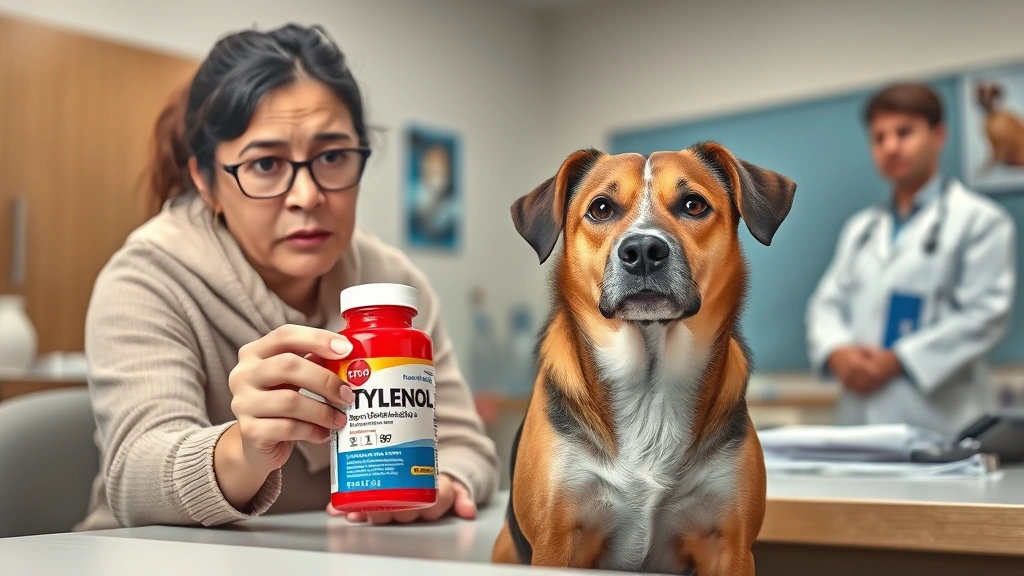
So, is Tylenol ok for dogs? The short answer is: absolutely not, and here’s why you need to know this before your pup accidentally gets into your medicine cabinet. As a pet owner, you’ve probably wondered whether you could give your dog the same over-the-counter pain reliever you take for your headaches. Spoiler alert: that’s a terrible idea, and we’re going to break down exactly why.
Table of Contents
- Why Tylenol (Acetaminophen) Is Toxic to Dogs
- Symptoms of Acetaminophen Poisoning in Canines
- Safe Pain Relief Alternatives for Dogs
- Other Human Medications Toxic to Dogs
- Dosing Dangers: Why “Just a Little” Isn’t Safe
- What to Do If Your Dog Eats Tylenol
- Prevention: Keeping Your Dog Safe from Medications
- Understanding Your Dog’s Unique Physiology
- When to Contact Your Veterinarian About Pain Management
- Natural and Holistic Pain Relief Options
- Frequently Asked Questions
- Conclusion: Keep Your Dog Safe from Tylenol and Other Human Medications
Why Tylenol (Acetaminophen) Is Toxic to Dogs
Tylenol contains acetaminophen, a medication that works great for humans but becomes a poison in your dog’s body. Unlike humans, dogs lack sufficient amounts of certain liver enzymes that break down acetaminophen safely. This means the drug accumulates in their system and causes serious damage faster than you’d expect.
When acetaminophen enters your dog’s body, it gets metabolized into toxic compounds that destroy liver and kidney cells. Even small doses can cause problems, and larger amounts can be fatal. Your dog’s liver simply can’t handle it the way yours can, making Tylenol one of those human medications that seems harmless but absolutely isn’t for pets.
Symptoms of Acetaminophen Poisoning in Canines
If your dog accidentally ingests Tylenol, watch for these warning signs immediately. Early symptoms include lethargy, loss of appetite, and vomiting. Your pup might seem unusually tired or refuse their favorite treats—a major red flag that something’s wrong.
As poisoning progresses, you’ll notice more severe symptoms: abdominal pain, difficulty breathing, pale gums, and dark-colored urine. In advanced cases, dogs experience seizures, coma, and organ failure. The timeline can be shockingly fast, sometimes showing serious effects within 24 hours of ingestion. If you suspect your dog ate Tylenol, don’t wait—contact your vet or poison control immediately. Speed matters here more than almost anything else.
Safe Pain Relief Alternatives for Dogs
Here’s the good news: there are actually safe, vet-approved pain relief options for your furry friend. Nonsteroidal anti-inflammatory drugs (NSAIDs) like carprofen (Rimadyl) and meloxicam (Metacam) are specifically formulated for dogs and work effectively for pain and inflammation.
Your veterinarian might also recommend tramadol for moderate pain or gabapentin for nerve-related discomfort. Some vets prescribe aspirin in controlled doses for short-term use, though this requires careful monitoring. The key difference is that these medications are dosed appropriately for your dog’s weight and health status, with veterinary supervision to prevent complications.
Never self-medicate your dog with human pain relievers. Always consult your vet first, because what works for one dog might not work for another, depending on their age, weight, health conditions, and other medications they’re taking.
Other Human Medications Toxic to Dogs
Tylenol isn’t alone in the dangerous-for-dogs category. Ibuprofen (Advil, Motrin) and naproxen (Aleve) are also NSAIDs that damage dog stomachs and kidneys. Aspirin in high doses can cause similar issues. Then there’s acetaminophen’s evil cousin—any combination pain reliever that includes it becomes toxic.
Beyond pain meds, watch out for decongestants, antidepressants, and even some common supplements. Xylitol (an artificial sweetener) is deadly to dogs in tiny amounts. Chocolate, grapes, and onions from your kitchen are toxic too. The lesson here? Keep your medicine cabinet locked and your pantry monitored. When in doubt about whether something is safe, assume it’s not and call your vet.
Dosing Dangers: Why “Just a Little” Isn’t Safe
Some pet owners think, “Well, I’ll just give my dog a tiny dose of Tylenol.” This is exactly how poisonings happen. A single regular-strength Tylenol tablet (325 mg) can cause problems in a small dog. Extra-strength tablets (500 mg) are even worse. The toxic dose for dogs is approximately 10-15 mg per kilogram of body weight, which means a 10-pound dog could be poisoned by less than a single tablet.
What’s safe for a 150-pound human is absolutely not safe for a 30-pound dog. Their metabolism is different, their organ function is different, and their ability to process medications is completely different. There’s no safe dose of Tylenol for dogs—period. If your dog needs pain relief, that conversation belongs with your veterinarian, not in your medicine cabinet.
What to Do If Your Dog Eats Tylenol
First, don’t panic—but do act fast. Call your veterinarian or the ASPCA Animal Poison Control Center (888-426-4435) immediately. Have the Tylenol bottle handy so you can tell them exactly what your dog ingested, how much, and when.
Your vet might induce vomiting if the ingestion was very recent (usually within 2-4 hours). They may also administer activated charcoal to prevent absorption. In more serious cases, your dog might need IV fluids, liver support medications, and hospitalization for monitoring. The sooner you seek help, the better the outcome. Some dogs recover fully with prompt treatment, while others suffer permanent liver damage or don’t survive. Getting help immediately isn’t overreacting—it’s literally life-saving.
You can also get telehealth advice for pet poisoning if you need immediate guidance before reaching your vet’s office.
Prevention: Keeping Your Dog Safe from Medications
The best medicine is prevention. Store all medications in a secure cabinet or drawer that your dog can’t access. This includes prescription medications, over-the-counter drugs, and supplements. Many dogs are clever enough to open drawers or knock things off nightstands, so “out of reach” means locked.
Educate everyone in your household about medication safety. Kids might not realize that giving “just a little” of mommy’s pain reliever to their sick puppy is dangerous. Keep medications in their original labeled bottles so anyone can quickly identify what was taken if an accident happens. Consider using a pill organizer that’s clearly marked and stored safely away.
When traveling with your dog, keep medications in a separate bag from your pet supplies. Never leave pills on counters or nightstands, even temporarily. One moment of carelessness can result in an emergency vet visit costing thousands of dollars—or worse, losing your beloved pet.
Understanding Your Dog’s Unique Physiology
Dogs metabolize medications completely differently than humans. Their livers work differently, their kidney function varies by breed and age, and their body composition affects how drugs distribute through their system. This is why medications that are perfectly safe for humans can be deadly for dogs.
Additionally, certain dog breeds have genetic variations that make them even more sensitive to certain medications. Senior dogs and puppies have different metabolic rates than adult dogs. Dogs with liver or kidney disease are at higher risk for medication toxicity. This complexity is exactly why you need a veterinarian’s guidance rather than guessing based on internet advice or human medicine dosing.
When to Contact Your Veterinarian About Pain Management
If your dog shows signs of pain—limping, reluctance to move, whining, or behavioral changes—schedule a vet appointment. Your veterinarian will diagnose the underlying cause and recommend appropriate treatment. Sometimes pain indicates a serious condition requiring more than medication, like surgery or physical therapy.
For chronic pain conditions like arthritis, your vet might recommend a combination approach: prescription pain medication, weight management, supplements like fish oil or glucosamine, and modified exercise. This comprehensive strategy often works better than any single medication alone. Your vet can also monitor your dog’s liver and kidney function while on long-term pain medications, adjusting dosages as needed.
Get online vet advice for food reactions if you suspect your dog’s pain is related to dietary issues, or schedule a virtual pet checkup to discuss pain management options with a professional.
Natural and Holistic Pain Relief Options
Beyond pharmaceuticals, some natural approaches can help manage dog pain. Omega-3 fatty acids from fish oil have anti-inflammatory properties. Turmeric (curcumin) shows promise for joint pain, though dosing matters. Acupuncture and physical therapy help some dogs with chronic pain conditions.
Weight management is crucial—overweight dogs experience more joint pain and inflammation. Regular, appropriate exercise keeps muscles strong and joints mobile. Some vets recommend massage therapy or hydrotherapy for pain management. While these alternatives shouldn’t replace veterinary care, they can complement it effectively.

Always discuss natural remedies with your vet before starting them. Just because something is “natural” doesn’t mean it’s safe for dogs or won’t interact with medications your dog takes. Your veterinarian can guide you toward evidence-based natural approaches that actually work rather than wasting money on unproven supplements.
Frequently Asked Questions
Can I give my dog children’s Tylenol instead of regular strength?
No. Children’s Tylenol is still acetaminophen and still toxic to dogs. The concentration is lower, but it’s not safe. Even liquid children’s pain relievers can poison your dog. Never give any form of Tylenol to your dog regardless of the formulation.
What if my dog accidentally ate one Tylenol tablet?
Contact your veterinarian or poison control immediately. One tablet might not be lethal depending on your dog’s size, but it can still cause damage. Treatment depends on how much time has passed since ingestion. Don’t wait to see if symptoms develop—get professional advice right away.
Is Tylenol safer than ibuprofen for dogs?
No. Both are unsafe for dogs, just in different ways. Ibuprofen damages the stomach lining and kidneys, while Tylenol damages the liver. Neither should ever be given to your dog. Ask your vet about safe alternatives specifically formulated for canines.
Can dogs take aspirin like humans do?
Aspirin is sometimes prescribed by veterinarians for dogs in specific doses and situations, but it’s not the same as giving your dog the aspirin you take. Veterinary aspirin dosing is carefully calculated and monitored. Never give your dog over-the-counter aspirin without explicit veterinary approval and dosing instructions.
What’s the safest over-the-counter pain reliever for dogs?
There really isn’t a safe over-the-counter pain reliever for dogs. Pain medications for dogs require veterinary prescription because they need to be dosed based on your individual dog’s weight, health status, and medical history. Your vet will prescribe the safest option for your specific dog.
How long does it take for Tylenol poisoning symptoms to appear in dogs?
Symptoms can appear within 4-12 hours of ingestion, though sometimes they develop within 24 hours. Liver damage can occur even before obvious symptoms appear. This is why immediate veterinary attention is critical—don’t wait for symptoms to develop.
Conclusion: Keep Your Dog Safe from Tylenol and Other Human Medications
To directly answer the question: is Tylenol ok for dogs? Absolutely not. Acetaminophen is toxic to dogs, and there’s no safe dose. Your dog’s liver can’t process it the way your liver can, making even small amounts potentially dangerous.
The good news is that safe, effective pain relief options exist for dogs. Your veterinarian can prescribe medications specifically formulated for canine use, dosed appropriately for your dog’s individual needs. If your dog is experiencing pain, that’s your signal to call the vet, not to raid your medicine cabinet.
Prevention is your best strategy: keep all human medications locked away, educate your family about medication safety, and never assume that something safe for humans is safe for dogs. Your dog depends on you to make smart decisions about their health and safety. When in doubt, ask your vet. When your dog eats something questionable, call poison control immediately. Your quick action could save your dog’s life.
For comprehensive guidance on pet health emergencies, check out the resources available through the ASPCA Animal Poison Control Center, consult PetMD for detailed medication information, or reach out to your local veterinary college for evidence-based pet care information.





