

So you’re wondering is white rice or brown rice better for dogs—and honestly, you’re asking the right question. Rice is one of those foods that seems harmless enough, but dog parents get weirdly confused about which version is actually better for their furry best friends. Let me break it down for you without all the nutritional jargon that makes your brain hurt.
Table of Contents
- The Nutritional Showdown: White Rice vs. Brown Rice for Dogs
- Brown Rice for Dogs: The Nutritional Powerhouse
- White Rice for Dogs: The Gentle Digestive Option
- Which Rice Is Better for Your Dog’s Digestion?
- Portion Sizes: How Much Rice Can Your Dog Actually Eat?
- Rice for Dogs with Special Health Conditions
- Brown Rice for Active Dogs: Energy Considerations
- The Arsenic Concern: Is Rice Safe for Dogs?
- How to Prepare Rice for Your Dog: The Right Way
- Signs Your Dog Isn’t Tolerating Rice Well
- Frequently Asked Questions
- The Verdict: Which Rice Should You Choose?
The Nutritional Showdown: White Rice vs. Brown Rice for Dogs
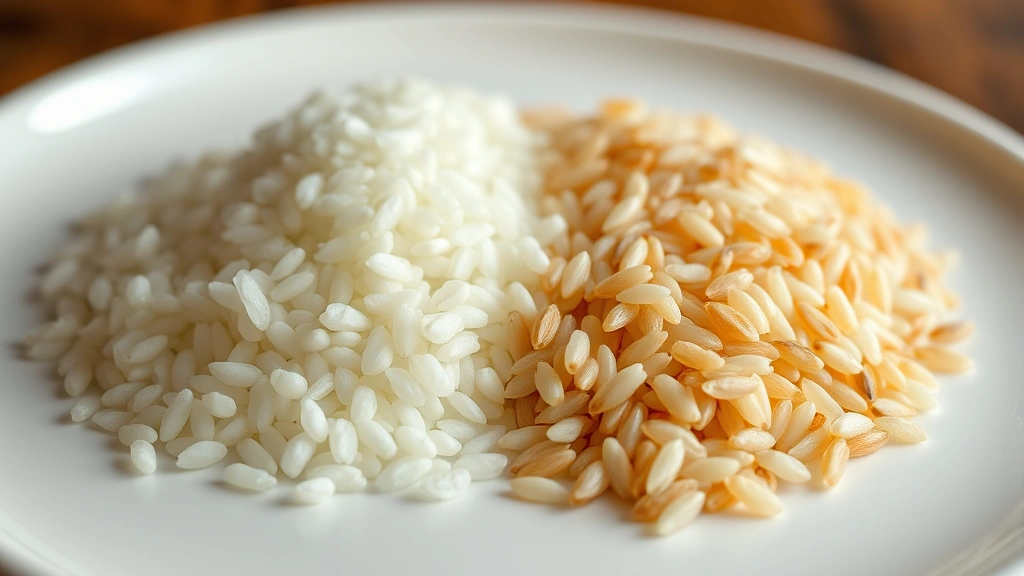
Here’s the thing: both white and brown rice are safe for dogs, but they’re not created equal in the nutrition department. Brown rice is the whole grain—it’s got the bran, germ, and endosperm all intact. White rice? That’s brown rice that’s been stripped down, polished up, and basically turned into the processed version of itself. From a nutritional standpoint, brown rice contains more fiber, B vitamins, and minerals like magnesium and phosphorus. White rice is easier to digest and sits lighter in the stomach, which is why vets often recommend it for dogs with digestive issues.
Brown Rice for Dogs: The Nutritional Powerhouse
Brown rice is packed with nutrients that your dog’s body can actually use. It’s got fiber that supports digestive health, thiamine for nervous system function, and manganese for bone development. If your dog is healthy and has no digestive sensitivities, brown rice is technically the more nutrient-dense choice. It’s like comparing a multivitamin to a sugar pill—brown rice wins on paper. However, it takes longer to digest, and some dogs just don’t tolerate it well. You know your pup best.
White Rice for Dogs: The Gentle Digestive Option
White rice is the comfort food of the rice world. It’s bland, easy to digest, and sits gently in your dog’s stomach like a warm hug from the inside. This is why vets recommend white rice when dogs have upset stomachs, diarrhea, or other digestive drama. It’s also a solid choice for senior dogs or those with sensitive tummies. The downside? It doesn’t pack the nutritional punch of brown rice, and it’s higher on the glycemic index, which matters if your dog is overweight or has diabetes.
Which Rice Is Better for Your Dog’s Digestion?
This is where it gets personal. If your dog has a cast-iron stomach and can eat literally anything without consequence, brown rice is the better choice nutritionally. But if your pup gets the runs from looking at new food, white rice is your friend. When it comes to foods for digestive health in pets, white rice is often the MVP because it’s gentler and easier on the GI tract. Some vets recommend starting with white rice and gradually introducing brown rice once your dog’s system is stable.
Portion Sizes: How Much Rice Can Your Dog Actually Eat?
Rice should be a side dish, not the main event. According to feeding guidelines, rice should make up no more than 10% of your dog’s daily caloric intake. For a 50-pound dog, that’s roughly 1/4 to 1/2 cup of cooked rice per day, mixed into their regular food. Don’t just dump a bowl of rice in front of your pup and call it dinner. Check out our guide on human food portion sizes for pets to get specific recommendations for your dog’s weight and age. Too much rice can lead to weight gain and nutrient imbalances, which is the opposite of what you want.
Rice for Dogs with Special Health Conditions
If your dog has pancreatitis, diabetes, or other health issues, rice choices matter even more. White rice is generally safer for dogs with pancreatitis because it’s less likely to trigger flare-ups. Brown rice’s higher fat content can be problematic for these pups. If your dog falls into this category, check out our article on human foods for pets with pancreatitis to understand what’s safe and what’s not. Always consult your vet before introducing any new foods if your dog has a medical condition.
Brown Rice for Active Dogs: Energy Considerations
Active and athletic dogs sometimes benefit from brown rice’s higher nutrient density, especially when paired with quality protein. If you’ve got a working dog, agility champion, or just a high-energy fluffball, brown rice can provide sustained energy. That said, energy boosting foods for active pets shouldn’t rely solely on rice—your dog needs quality protein and fat to really perform at their best. Rice is just a supporting player in the nutrition game.
The Arsenic Concern: Is Rice Safe for Dogs?
You might’ve heard scary stories about arsenic in rice. Here’s the real deal: yes, rice can contain trace amounts of arsenic, but the levels in cooked rice are generally safe for dogs when fed in appropriate portions. The risk is way lower than people think, especially if you’re feeding rice as an occasional supplement rather than a dietary staple. If you’re paranoid (and honestly, who isn’t about their dog’s health?), you can rinse rice before cooking to reduce arsenic levels even further. Just don’t let this fear keep you from using rice as a tool for digestive health when your pup needs it.
How to Prepare Rice for Your Dog: The Right Way
Preparation matters. Cook rice in plain water—no salt, no butter, no seasoning. Your dog doesn’t need flavor enhancers; they just need the rice. Cook it until it’s soft and easy to digest. Some people prefer white rice because it cooks faster and becomes mushier, which is ideal for dogs with digestive issues. Brown rice takes longer to cook and stays firmer, which some dogs prefer texture-wise. Let the rice cool completely before serving, and mix it into your dog’s regular food rather than serving it as a standalone meal.
Signs Your Dog Isn’t Tolerating Rice Well
Not every dog is a rice fan, and some just don’t tolerate it well. Watch for vomiting, diarrhea, constipation, or general digestive upset after introducing rice. If your dog shows any of these signs, stop feeding rice and talk to your vet. Some dogs have sensitivities to grains, and rice might not be the right choice for them. It’s not a failure—it just means your pup needs different dietary support. There are plenty of other bland, digestible foods out there.
Frequently Asked Questions
Can dogs eat rice every day?
Technically yes, but it shouldn’t be their primary food source. Rice is best used as an occasional supplement or when dealing with digestive issues. A diet of mostly rice lacks the complete nutrition your dog needs. Mix it with quality protein and vegetables for a more balanced approach.
Is brown rice or white rice better for weight loss in dogs?
White rice is slightly better for weight management because it’s lower in calories and fat than brown rice. However, if weight loss is your goal, focus on portion control and quality protein rather than relying on rice as a weight-loss tool. Check out low calorie human foods for pets for better options.

Can puppies eat rice?
Yes, puppies can eat both white and brown rice, but white rice is easier on developing digestive systems. Keep portions tiny—a tablespoon or two mixed into their regular food is plenty. Puppies need nutrient-dense foods, so rice should be a minimal part of their diet.
What if my dog has never had rice before?
Introduce rice slowly, just like any new food. Start with a small amount mixed into their regular food and watch for digestive upset over the next 24-48 hours. If all goes well, you can gradually increase the amount. This slow introduction prevents stomach issues and helps you identify sensitivities.
Is rice good for dogs with upset stomachs?
White rice is excellent for upset stomachs because it’s bland and easy to digest. Many vets recommend a white rice and boiled chicken diet for dogs recovering from gastroenteritis. Brown rice is less ideal in these situations because it’s harder to digest and might irritate an already sensitive stomach.
The Verdict: Which Rice Should You Choose?
So here’s the bottom line on is white rice or brown rice better for dogs: it depends on your individual dog. If your pup has a sensitive stomach, digestive issues, or you’re dealing with a temporary health problem, white rice is your go-to. If your dog is healthy, has no digestive sensitivities, and you want maximum nutritional benefit, brown rice is the better choice. The truth is, both are safe for dogs in appropriate portions. The key is understanding your dog’s unique needs and adjusting accordingly. Most importantly, rice should never replace a complete, balanced diet—it’s a supplement, not a solution. Talk to your vet about whether rice makes sense for your specific pup, and always introduce new foods gradually. Your dog will thank you for being thoughtful about their nutrition, even if they’d honestly prefer a steak.





