
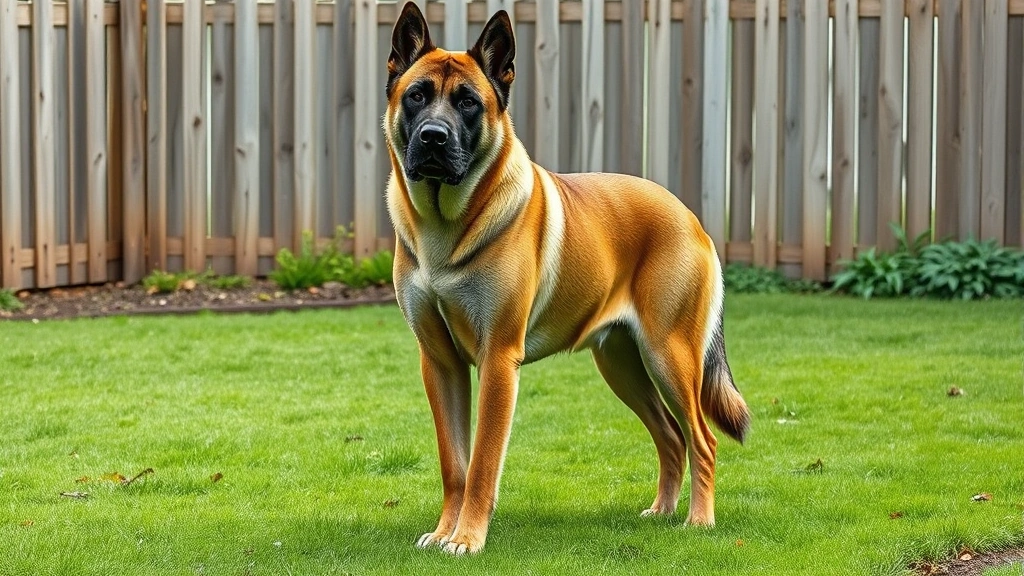
Looking for a kangal dog for sale? You’re about to embark on one of the most rewarding (and slightly terrifying) journeys of your pet-owning life. These Turkish livestock guardians aren’t your average lap dogs—they’re massive, loyal, and absolutely magnificent creatures that’ll make your neighbors either incredibly jealous or slightly nervous. Let’s break down everything you need to know before bringing one of these gentle giants home.
Table of Contents
- What Makes Kangal Dogs So Special?
- Understanding Kangal Temperament and Personality
- Health Considerations for Kangal Ownership
- Finding Reputable Kangal Dog Breeders
- Price Range and Budget Reality
- Space and Exercise Requirements
- Training Your Kangal: Challenges and Solutions
- Grooming and Maintenance
- Socialization: The Key to a Well-Adjusted Kangal
- Legal and Liability Considerations
- Comparing Kangals to Similar Breeds
- Essential Supplies and Equipment
- Making the Final Decision
- Frequently Asked Questions
- Conclusion: Is a Kangal Right for You?
What Makes Kangal Dogs So Special?
Kangal dogs are one of the oldest and largest dog breeds in existence, originating from the Kangal region of Turkey. These aren’t designer dogs or trendy Instagram pups—they’re serious working animals with serious credentials. Historically bred to protect livestock from predators like wolves and bears, Kangals have an innate sense of responsibility that’s almost human-like. They’re intelligent, protective, and possess a calm demeanor that belies their impressive size and strength.
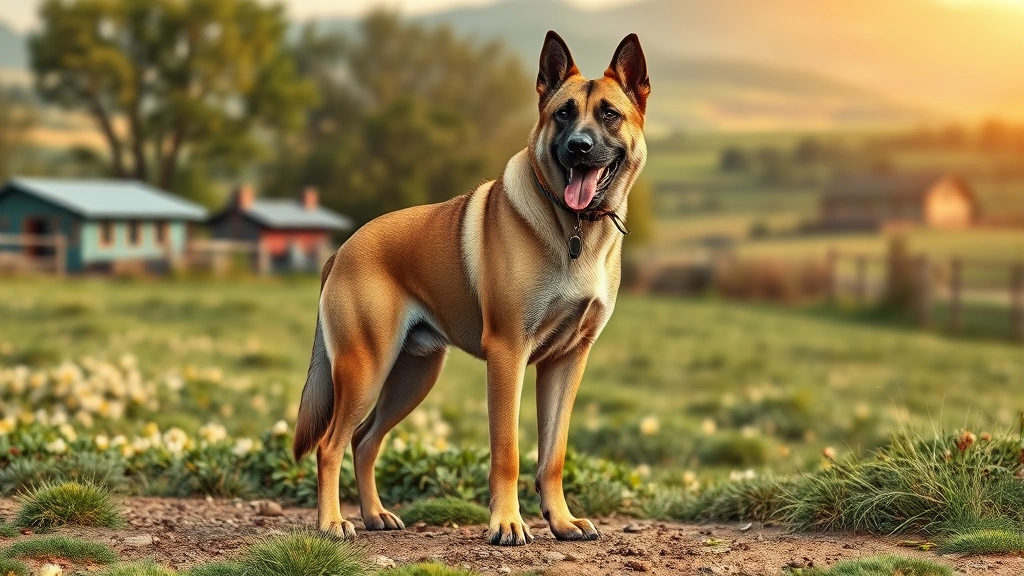
The breed stands between 28-34 inches tall and can weigh anywhere from 110-145 pounds of pure muscle and loyalty. Their distinctive appearance includes a powerful head, strong jaws, and often a black mask that makes them look perpetually serious—which, honestly, they kind of are.
Understanding Kangal Temperament and Personality
Before searching for a kangal dog for sale, you need to understand what you’re getting into personality-wise. These dogs are fiercely loyal to their families but can be aloof with strangers. They’re not aggressive by nature; they’re protective by design. There’s a massive difference. A well-socialized Kangal will assess threats carefully rather than react impulsively, making them surprisingly trustworthy family companions despite their imposing stature.
Kangals are independent thinkers, which means they’re not the easiest to train compared to breeds like German Shepherds. They’ll question your authority if they disagree with you. Yes, really. This breed needs an experienced owner who can establish clear leadership without being harsh. They respond best to positive reinforcement and respect-based training methods.
Health Considerations for Kangal Ownership
Giant breeds come with giant health challenges, and Kangals are no exception. Hip dysplasia is relatively common in the breed, as is elbow dysplasia. Responsible breeders conduct health screenings through organizations like the Orthopedic Foundation for Animals (OFA) to minimize genetic issues. Before purchasing any dog, request health certifications from the breeder.
Kangals also have a slightly elevated risk of bloat (gastric dilatation-volvulus), a life-threatening condition that requires immediate veterinary attention. Feed them multiple smaller meals rather than one large meal, and avoid vigorous exercise immediately after eating. Their lifespan typically ranges from 12-15 years, which is respectable for a giant breed.
Consider investing in foods for joint health in pets as preventative care for your growing Kangal puppy.
Finding Reputable Kangal Dog Breeders
This is where your detective skills come into play. The internet is flooded with breeders, some legitimate and some absolutely sketchy. Start with the American Kennel Club (AKC), which maintains a breeder directory for registered Kangals. Legitimate breeders will:
- Provide health clearances and genetic testing results
- Allow you to visit their facilities
- Ask you extensive questions about your lifestyle and home
- Offer a health guarantee
- Provide references from previous puppy buyers
- Have a return policy if things don’t work out
Avoid breeders who refuse to let you visit, won’t provide health documentation, or seem more interested in your money than your home environment. Red flags include unusually low prices, multiple litters available simultaneously, or pressure to buy immediately.
Price Range and Budget Reality
A kangal dog for sale from a reputable breeder typically costs between $800-$3,000, depending on pedigree, location, and breeder reputation. Turkish imports tend to be more expensive. Yes, that’s a significant investment, but it’s worth it for a healthy dog from tested parents rather than gambling with a backyard breeder’s $300 special.
Beyond the initial purchase, budget for:
- Large breed dog food ($60-$100 monthly)
- Veterinary care and preventative medicine ($500-$1,500 annually)
- Training classes ($300-$800)
- Quality dog supplies and equipment ($200-$500 initially)
- Pet insurance ($30-$60 monthly)
Consider energy boosting foods for active pets to support their active lifestyle properly.
Space and Exercise Requirements
Kangals are working dogs bred for vast Turkish ranches, not apartment living. They need substantial space—ideally a large, securely fenced yard. These dogs can jump surprisingly high and are escape artists if bored, so your fence needs to be at least 5-6 feet tall and buried at least a foot underground to prevent tunneling.
Despite their size, Kangals don’t require extreme daily exercise like Border Collies or German Shepherds. They’re relatively calm indoors and content with moderate daily walks. However, they do need mental stimulation and a job to do. Without purpose, they become destructive and anxious.
Training Your Kangal: Challenges and Solutions
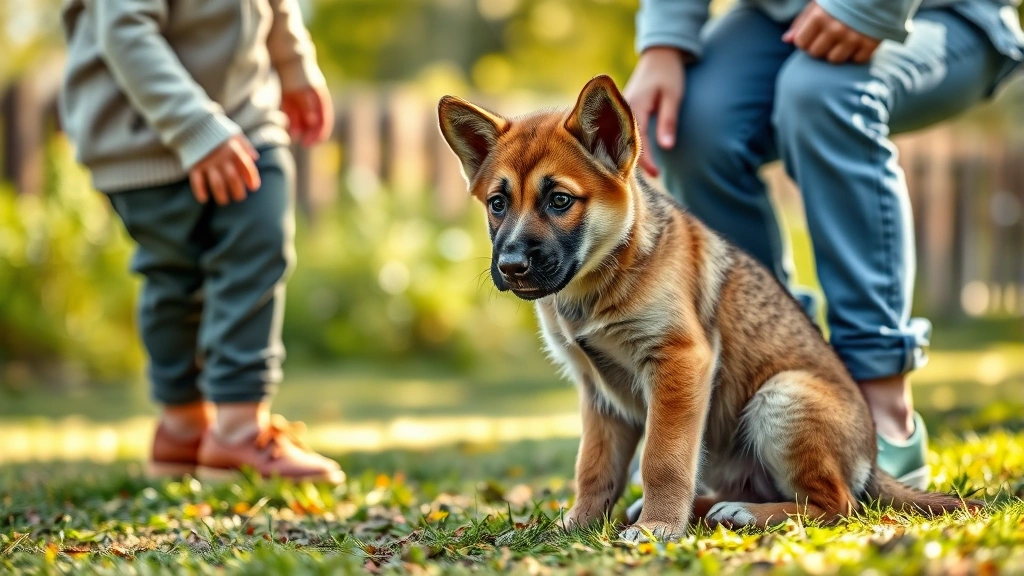
Training a Kangal isn’t like training a Golden Retriever who’ll do anything for a treat. These independent thinkers will evaluate whether your commands make sense to them. Start early socialization at 8 weeks old and invest in a trainer experienced with livestock guardian breeds, not just general dog trainers.
Kangals respond best to:
- Consistent, firm leadership (not harsh punishment)
- Positive reinforcement and food rewards
- Clear communication and patience
- A defined role or job
- Respect-based relationships rather than dominance-based ones
Housebreaking is usually straightforward, but recall training can be challenging. Their protective instincts may override your commands if they perceive a threat. Keep them on-leash in unsecured areas until you have absolute trust in their recall.
Grooming and Maintenance
Kangals have short, dense double coats that shed like they’re personally responsible for winter. We’re talking tumbleweeds of fur rolling through your house. Regular brushing (3-4 times weekly) helps manage shedding, but there’s no way around it—you’ll be vacuuming constantly.
They’re relatively low-maintenance otherwise. Nails need regular trimming, ears should be checked weekly for infections, and dental care is important for large breeds. Professional grooming isn’t necessary, but many owners appreciate a good bath and nail trim service occasionally. Check out sustainable pet grooming options in your area for eco-friendly care.
Socialization: The Key to a Well-Adjusted Kangal
Early socialization is absolutely critical for Kangals. These protective dogs need exposure to various people, environments, and situations during their critical socialization window (8-16 weeks). Without proper socialization, they can become overly suspicious and aggressive toward strangers.
Expose your Kangal puppy to:
- Different people of various ages and appearances
- Other dogs and animals
- Urban and rural environments
- Various sounds and stimuli
- Positive veterinary experiences
Puppy kindergarten classes designed for large breeds are excellent for this purpose. The goal is creating a confident dog who can distinguish between normal situations and actual threats.
Legal and Liability Considerations
Before finalizing your kangal dog for sale purchase, check local laws. Some municipalities have breed restrictions or require special permits for large guardian breeds. Liability insurance is highly recommended—many homeowner policies exclude large breed dogs or charge premiums. A single incident could result in devastating financial and legal consequences.
Ensure your property is secure and that your dog is properly contained. Many Kangal incidents stem from escapes and unsupervised interactions with strangers, not aggression from well-socialized animals.
Comparing Kangals to Similar Breeds
If you’re also considering alternatives, Kangals differ significantly from other large breeds. Unlike the Coonhound Dog or even similar guardian breeds like Anatolian Shepherds, Kangals have a more reserved temperament and stronger protective instincts. They’re also distinct from breeds like the Caniche Dog for Sale, which are far smaller companion animals.
Kangals are specifically bred for independent decision-making in life-or-death livestock protection scenarios. This makes them fundamentally different from companion breeds in their psychology and behavior patterns.
Essential Supplies and Equipment
Once you’ve found your Kangal puppy, invest in quality equipment. A heavy-duty Coach Dog Collar or similar high-quality collar is essential—regular collars simply won’t withstand their strength. You’ll also need:
- Heavy-duty leashes (6-foot and 15-foot options)
- Large crate for house training and safe space
- Quality food and water bowls (elevated recommended)
- Durable toys designed for large breeds
- Dog bed or sleeping area
- Grooming supplies
Making the Final Decision
Owning a Kangal is a 12-15 year commitment that requires significant space, financial resources, and experience with large, independent-minded dogs. They’re not for everyone, and that’s okay. Honest self-assessment is crucial.
Ask yourself:
- Do I have adequate space and a secure yard?
- Can I afford the financial commitment?
- Am I experienced with large or guardian breeds?
- Do I have time for training and socialization?
- Is my lifestyle compatible with a protective, sometimes aloof dog?
- Can I provide the leadership they need?
If you answered yes to most of these questions, a Kangal might be your perfect match. If you’re uncertain, consider volunteering with a breed rescue or fostering before committing.
Frequently Asked Questions
Are Kangal dogs dangerous?
Kangals are not inherently dangerous—they’re protective by design. A well-socialized, properly trained Kangal is reliable and trustworthy. However, their size and strength mean they require responsible ownership, proper socialization, and secure containment. Any large dog can be dangerous in the wrong hands, but Kangals have excellent temperaments when raised correctly.
Can Kangal dogs live in apartments?
While technically possible, apartment living is not ideal for Kangals. They’re working dogs bred for open spaces and need room to move. They’re relatively calm indoors, but they truly thrive with access to a large yard. If you’re set on apartment living, consider a smaller breed that’s better adapted to confined spaces.
How much do Kangal puppies cost?
Reputable breeders charge $800-$3,000 for Kangal puppies, depending on pedigree and location. Imported Turkish Kangals may cost more. Avoid suspiciously cheap puppies from backyard breeders—they often come with health problems that cost far more to treat.
Do Kangals get along with other dogs?
With proper socialization, Kangals can coexist peacefully with other dogs. However, they’re not typically dog-park animals. Early exposure and careful introductions are essential. Some Kangals have prey drive toward smaller animals, so households with cats or small pets require careful management.
What’s the difference between Kangals and Anatolian Shepherds?
While often confused, Kangals and Anatolian Shepherds are distinct breeds. Kangals are from the Kangal region of Turkey and tend to be larger with more reserved temperaments. Anatolian Shepherds are broader in origin and slightly more adaptable. Kangals are recognized as a separate breed by major kennel clubs.
How long do Kangals live?
Kangals typically live 12-15 years, which is respectable for a giant breed. Health screening, proper nutrition, regular veterinary care, and appropriate exercise contribute to longevity.
Are Kangals good with children?
Kangals can be excellent family dogs, but they’re not ideal for families with very young children. Their size alone poses risks—they can accidentally knock over toddlers. They do best with older children who understand how to respect their space and boundaries. Always supervise interactions between children and any large dog.
Conclusion: Is a Kangal Right for You?
A kangal dog for sale represents an opportunity to own one of the world’s most impressive and loyal dog breeds. But this decision shouldn’t be made lightly or impulsively. These magnificent guardians deserve owners who understand their unique needs, respect their independent nature, and can provide the space, training, and leadership they require.
Take your time finding the right breeder. Ask questions. Visit facilities. Check references. Request health certifications. Meet the parents if possible. A reputable breeder will welcome your scrutiny and may even grill you extensively about your home and lifestyle.
If you’re ready for the challenge and have the resources to provide a Kangal with everything they need, you’re in for an extraordinary experience. These dogs form deep bonds with their families and provide unparalleled loyalty and protection. They’re not just pets—they’re partners, guardians, and beloved family members who’ll enrich your life in ways you can’t anticipate until you experience it yourself.
Start your search with established breed clubs, AKC-registered breeders, and rescue organizations. Your perfect Kangal companion is out there waiting for you.





