

A proper kitten feeding schedule is absolutely crucial during those first months of your new furry friend’s life. Getting it right means setting up your kitten for optimal development, preventing digestive issues, and establishing healthy eating habits that’ll last a lifetime. Let’s dive into everything you need to know about keeping your tiny tiger well-fed and thriving.
Table of Contents
- Why Your Kitten’s Feeding Schedule Matters More Than You Think
- Age-Based Kitten Nutrition: Breaking Down the Stages
- The Ideal Daily Feeding Amounts for Growing Kittens
- Wet Food vs. Dry Food: What’s Best for Your Kitten?
- Transitioning Your Kitten to Adult Food: Timing and Technique
- Common Kitten Feeding Mistakes You’re Probably Making
- Hydration: The Often-Forgotten Part of Kitten Nutrition
- Special Dietary Considerations for Sensitive Stomach Kittens
- Choosing Quality Kitten Food: What Actually Matters
- Feeding Multiple Kittens: Strategies That Actually Work
- When to Call the Vet About Your Kitten’s Eating Habits
- Establishing a Feeding Routine Your Kitten Will Love
- Frequently Asked Questions
- Final Thoughts: Setting Your Kitten Up for Success
Why Your Kitten’s Feeding Schedule Matters More Than You Think
When you bring home a kitten, you’re basically adopting a tiny furry eating machine with the metabolism of a hummingbird on espresso. Kittens grow incredibly fast—we’re talking about 10 times faster than adult cats—which means they need way more calories and nutrients per pound of body weight. A proper kitten feeding routine ensures they’re getting enough energy for playtime, growth, and all that adorable chaos they create. Without a solid feeding schedule, you risk malnutrition, stunted growth, and digestive problems that’ll have you questioning your pet parent credentials.
Age-Based Kitten Nutrition: Breaking Down the Stages
Your kitten’s nutritional needs change dramatically as they grow. Here’s the real deal on what each stage requires:
Birth to 4 weeks: If you’ve got a newborn kitten without mama cat, you’re looking at bottle feeding with kitten formula every 2-3 hours, including overnight. Yes, that includes 3 AM feedings. Welcome to kitten parenthood.
4 to 8 weeks: This is when you can introduce wet kitten food, though they might still nurse or bottle feed. Start mixing formula with wet food to ease the transition.
8 to 12 weeks: Your kitten is ready for solid kitten food. They should be eating three to four meals daily. Their little stomachs can’t handle large portions, so frequent small meals are essential.
3 to 6 months: Reduce to three meals per day. Your kitten’s appetite is growing, but their stomach is still developing.
6 months to 1 year: Transition to two meals daily. By now, your kitten should be eating high-quality kitten formula food designed for their age group.
The Ideal Daily Feeding Amounts for Growing Kittens
Portion control isn’t about starving your kitten—it’s about preventing obesity and digestive upset. A general rule: feed about 25 calories per pound of body weight daily for kittens under six months. That means a 2-pound kitten needs roughly 50 calories per day, split across multiple meals. Check your kitten food packaging for specific recommendations, as quality varies wildly between brands. Premium kitten foods are more nutrient-dense, so you’ll feed less volume compared to budget brands. Consult with your vet about pet supplement dosage guidance if you’re adding anything extra to their diet.
Wet Food vs. Dry Food: What’s Best for Your Kitten?
The great kitten food debate: wet or dry? Here’s the honest truth—both work, but they serve different purposes. Wet food has higher moisture content, which supports kidney health and hydration (especially important since kittens don’t drink enough water naturally). It’s also more palatable and easier for young kittens to eat. Dry food is convenient, helps clean teeth through chewing action, and is more budget-friendly. The best approach? Combine them. Feed wet food as meals and leave some dry food available for snacking. This gives your kitten variety and prevents them from getting bored with their diet, which is definitely something that happens with cats.
Transitioning Your Kitten to Adult Food: Timing and Technique
Around 12 months, your kitten officially becomes an adult cat, and their nutritional needs shift. Don’t just swap out their food overnight—that’s a one-way ticket to digestive upset city. Gradually transition over 7-10 days by mixing increasing amounts of adult food with their kitten formula. Week one: 25% adult food, 75% kitten food. Week two: 50/50. Week three: 75% adult, 25% kitten. By week four, you’re fully transitioned. Your vet can recommend specific veterinarian recommended supplements if your kitten has any special dietary needs during this transition.
Common Kitten Feeding Mistakes You’re Probably Making
Let’s talk about the stuff that trips up even experienced cat parents. First mistake: free-feeding (leaving food out all day). This is how you end up with a chunky kitten by six months. Second: mixing too many food brands or types without proper transitions, which causes digestive chaos. Third: feeding kitten food that’s past its expiration date or stored improperly—rancid food is nobody’s friend. Fourth: not monitoring how much your kitten actually eats. You should see ribs easily when you gently feel their sides, but they shouldn’t be visibly protruding. Fifth: giving table scraps. Your kitten doesn’t need your leftover chicken, no matter how adorable those eyes are.
Hydration: The Often-Forgotten Part of Kitten Nutrition
Kittens are notoriously bad at drinking water. They’re descended from desert-dwelling ancestors who got most of their hydration from prey, so they have a weak thirst drive. This is why wet food is so valuable—it provides moisture. Encourage drinking by providing fresh water daily, using a water fountain (many kittens are attracted to moving water), and spacing water bowls away from food and litter boxes. Dehydration in kittens can lead to serious kidney issues down the road, so take this seriously.
Special Dietary Considerations for Sensitive Stomach Kittens
Some kittens come with sensitive digestive systems, and that’s not their fault—it’s genetics. If your kitten has frequent diarrhea, vomiting, or excessive gas, talk to your vet about limited-ingredient foods or prescription diets. Many premium brands offer grain-free or novel protein options specifically formulated for sensitive stomachs. You might also explore sensitive stomach supplements to support digestive health. Probiotics designed for kittens can work wonders, as can pet multivitamins that include digestive enzymes. Give any dietary change at least 3-4 weeks before deciding if it’s working.
Choosing Quality Kitten Food: What Actually Matters
Not all kitten foods are created equal, and marketing is designed to confuse you. Look for foods with named meat proteins (chicken, turkey, fish) as the first ingredient, not meat by-products or corn. The food should be formulated specifically for kittens, not adult cats—this matters because kittens need higher levels of certain nutrients like taurine, calcium, and phosphorus. Check the AAFCO statement on the package to confirm it meets kitten nutritional standards. Premium brands cost more, but they’re more nutrient-dense and produce less waste. Your kitten will actually thrive better on quality food, and you’ll spend less on vet visits. Consider pet longevity supplements as your kitten matures to support long-term health.
Feeding Multiple Kittens: Strategies That Actually Work
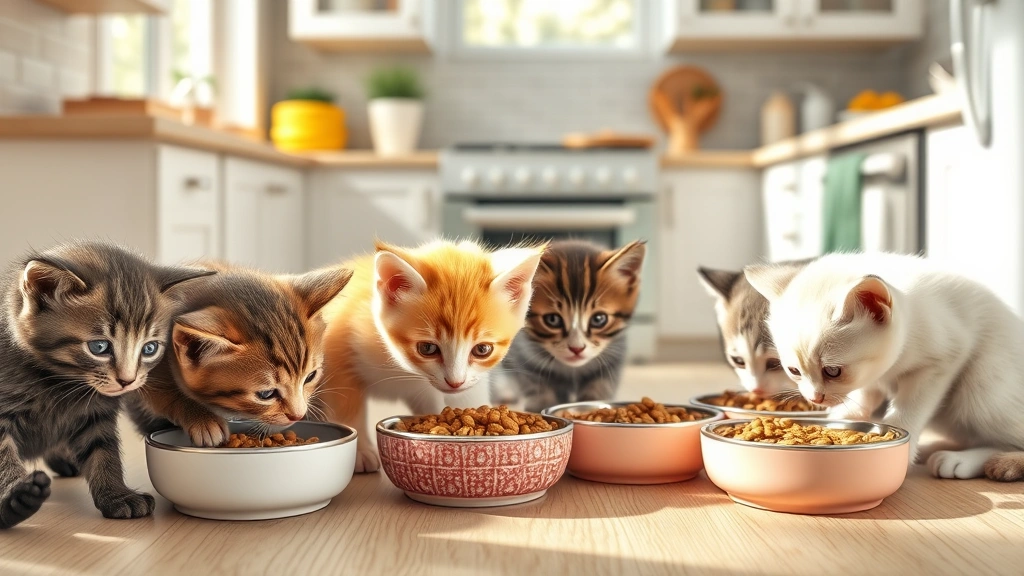
Got littermates? Feeding multiple kittens requires strategy to prevent one kitten from eating all the food (the jerk move of the kitten world). Feed them in separate areas so you can monitor individual intake. This is especially important if one kitten is smaller or slower at eating. Use microchip feeders if you have cats of different ages—these only open for the specific kitten wearing the collar. Establish a feeding routine and stick to it religiously. Consistency helps kittens feel secure and makes monitoring their health easier.
When to Call the Vet About Your Kitten’s Eating Habits
Sudden changes in appetite are red flags. If your kitten suddenly eats less or more than usual, vomits regularly, has diarrhea lasting more than a day, or seems lethargic, schedule a vet visit immediately. Kittens can deteriorate quickly, and early intervention prevents serious problems. Also contact your vet if you’re unsure about portion sizes, food choices, or if your kitten seems to have food allergies. Your vet can recommend specific brands and provide personalized feeding guidance based on your individual kitten’s health status.
Establishing a Feeding Routine Your Kitten Will Love
Consistency is the secret sauce to a happy, well-adjusted kitten. Feed at the same times each day—this helps regulate their bathroom schedule and prevents accidents outside the litter box. Most vets recommend feeding kittens under 6 months three to four times daily, gradually reducing to twice daily by 12 months. Use this routine as bonding time. Sit with your kitten while they eat, talk to them, and make feeding a positive experience. This builds trust and makes vet visits easier later.
Frequently Asked Questions
How often should I feed my 8-week-old kitten?
An 8-week-old kitten should eat three to four times daily. Their stomach is small, so frequent small meals prevent digestive upset and ensure they’re getting enough calories for growth. Most kittens this age do well with meals at 7 AM, 11 AM, 3 PM, and 7 PM, though you can adjust based on your schedule.
Can I feed my kitten adult cat food?
Not exclusively, at least not until they’re 12 months old. Kittens have specific nutritional requirements that adult cat food doesn’t meet. Adult food lacks sufficient taurine, calcium, and calories for proper development. Once your kitten reaches one year, you can transition to adult formula.
How much should a 3-month-old kitten eat daily?
A 3-month-old kitten typically eats about 25 calories per pound of body weight daily. If your kitten weighs 3 pounds, they need roughly 75 calories split across three meals (about 25 calories per meal). Check your food packaging for exact serving sizes, as they vary by brand and formula.
Is it okay to leave food out for my kitten all day?
Free-feeding isn’t recommended for kittens. It makes monitoring their health difficult and often leads to overeating and obesity. Scheduled feeding allows you to track their appetite, portion sizes, and bathroom habits, which are crucial for detecting health issues early.
What’s the best food for a kitten with a sensitive stomach?
Limited-ingredient foods with novel proteins (like duck or rabbit) often work well for sensitive kittens. Grain-free options help some kittens, though this isn’t universal. Work with your vet to identify specific triggers and find the right food. Probiotics and digestive enzymes can also help.
When should I switch my kitten from kitten food to adult food?
Start transitioning at 12 months of age. Do this gradually over 7-10 days by mixing increasing amounts of adult food with their kitten formula. This prevents digestive upset and allows their system to adjust to the new nutritional profile.
Can I feed my kitten raw food?
Raw diets for kittens are controversial and risky. Kittens have developing immune systems and are more susceptible to foodborne pathogens. If you’re interested in raw feeding, consult your vet first. Most vets recommend waiting until kittens are fully grown and have fully developed immune systems.
Final Thoughts: Setting Your Kitten Up for Success
Getting your kitten feeding schedule right is one of the most important things you’ll do as a cat parent. It’s not just about filling their belly—it’s about providing the foundation for a long, healthy, happy life together. Pay attention to your individual kitten’s needs, be consistent with feeding times, choose quality food, and don’t hesitate to ask your vet questions. Every kitten is unique, and what works for your friend’s kitten might not work for yours. Stay flexible, monitor your kitten’s growth and health, and adjust as needed. Before you know it, you’ll have a thriving adult cat, and you’ll look back on those chaotic kitten days with a mix of relief and nostalgia.





