
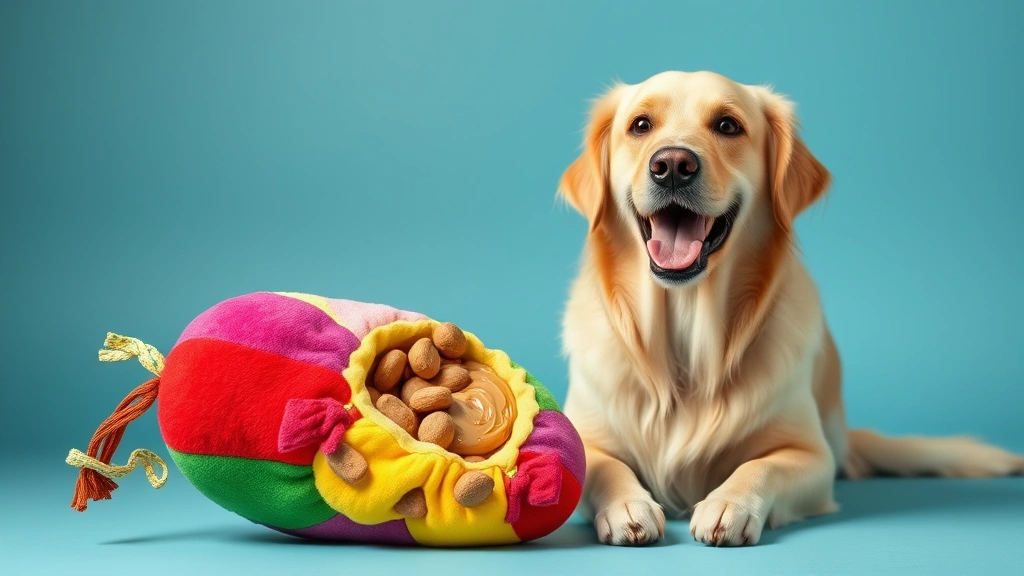
A solid kong feeding routine is one of the best-kept secrets among pet parents who want their dogs to stay mentally sharp, physically satisfied, and out of trouble. Whether you’re dealing with a destructive chewer, a bored pup, or just looking to add some enrichment to your dog’s day, mastering the art of Kong stuffing and feeding can be a total game-changer. Let’s dive into how to create a Kong feeding routine that’ll have your furry friend wagging their tail in pure bliss.
Table of Contents
- What Makes Kong Toys Perfect for Feeding Routines?
- Tip #1: Choose the Right Kong Size and Durability Level
- Tip #2: Master the Art of Kong Stuffing
- Tip #3: Freeze Your Kongs for Extended Entertainment
- Tip #4: Establish a Consistent Feeding Schedule
- Tip #5: Rotate Ingredients to Keep Things Fresh
- Common Kong Feeding Routine Mistakes to Avoid
- Kong Feeding Routine for Different Life Stages
- Kong Feeding Routine and Behavioral Benefits
- Troubleshooting Your Kong Feeding Routine
- Frequently Asked Questions
- Conclusion: Making Kong Feeding Routine Work for Your Dog
What Makes Kong Toys Perfect for Feeding Routines?
Kong toys aren’t just rubber chew toys—they’re interactive feeding vessels that engage your dog’s natural foraging instincts. The unique design with its hollow center and textured surface makes it ideal for stuffing with treats, kibble, or wet food. Unlike a regular bowl, a Kong feeding routine forces your dog to work for their food, which mimics how dogs would naturally hunt and forage in the wild. This mental stimulation is just as important as physical exercise, especially for high-energy breeds or dogs prone to anxiety. When you pair Kong toys with a consistent feeding routine, you’re setting up your pup for success on multiple levels.

Tip #1: Choose the Right Kong Size and Durability Level
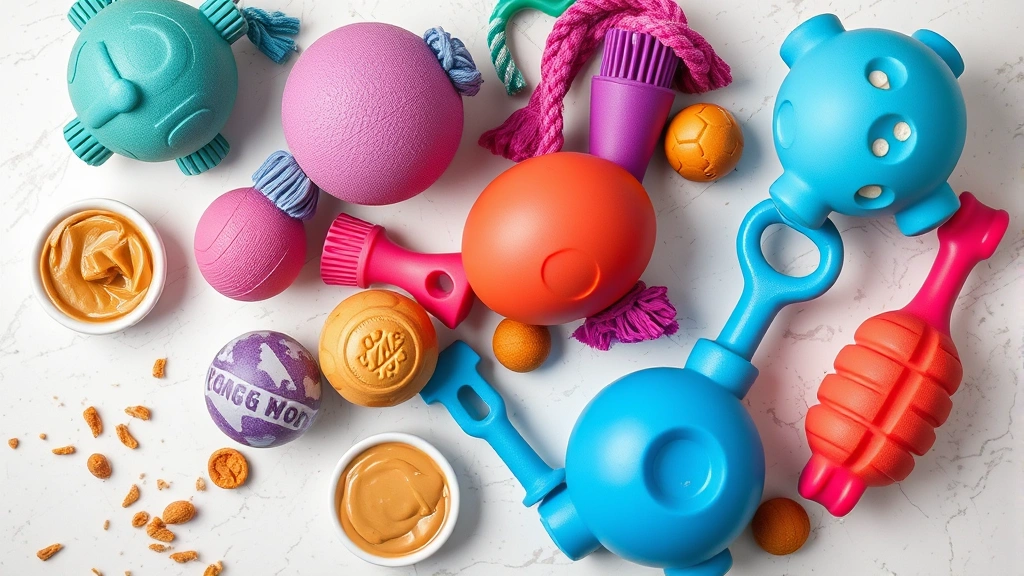
Not all Kongs are created equal, and picking the wrong size can lead to frustration (yours and your dog’s). Kong comes in multiple sizes—Small, Medium, Large, and XL—and you need to match the toy to your dog’s size. A chihuahua wrestling with a Large Kong is just sad, and a German Shepherd will demolish a Small Kong in seconds flat. Beyond size, consider the durability rating. Kong’s classic red rubber toys are perfect for moderate chewers, while the black Extreme line is designed for aggressive chewers. If you’re incorporating supplements into your pet supplement dosage guidance, you’ll want a Kong that can handle the extra weight of fortified treats. Pro tip: keep multiple Kongs in rotation so you always have a clean one ready while another dries.

Tip #2: Master the Art of Kong Stuffing
Stuffing a Kong is where the magic happens in your feeding routine. Start with a base layer of something sticky—peanut butter, cream cheese, or wet dog food works brilliantly. Pack it down firmly so it doesn’t fall out immediately (we want to extend playtime, not create a 30-second snack). Then add layers of kibble, freeze-dried meat, or small treats. The key is creating texture variation so your dog has to work through different consistencies. For an extra challenge, insert a small treat deep inside and bury it under the other fillings. You can also use pet multivitamins mixed into the peanut butter layer to boost nutrition while your dog enjoys their Kong feeding routine. Make sure everything is dog-safe—avoid chocolate, xylitol, grapes, and onions at all costs.

Tip #3: Freeze Your Kongs for Extended Entertainment
Here’s where your Kong feeding routine becomes a behavioral game-changer: freezing. After you stuff your Kong, pop it in the freezer for at least 2-4 hours (overnight is even better). A frozen Kong takes significantly longer to work through, providing extended mental stimulation and keeping your dog occupied during times when you need them calm—like when you’re working from home or hosting guests. The cold also has a soothing effect on sore gums, especially for teething puppies. Rotate between having one Kong in the freezer and one thawed and ready to go. This creates a sustainable Kong feeding routine that doesn’t require constant restuffing. Some pet parents even freeze Kong toys with calming chews for dogs mixed in for anxious pups.
Tip #4: Establish a Consistent Feeding Schedule
A Kong feeding routine works best when it’s predictable. Pick specific times during the day—maybe morning when you leave for work, afternoon when energy levels spike, or evening after dinner—and make Kong time part of your dog’s routine. Consistency helps your dog understand what to expect and can actually reduce anxiety because they know enrichment is coming. If you’re using Kongs as part of meal replacement (which many trainers recommend), factor the Kong contents into your dog’s daily calorie intake. According to the Association of American Feed Control Officials (AAFCO), dogs need balanced nutrition, so your Kong stuffing shouldn’t replace complete meals—it should complement them. For dogs on preventative care supplements, a Kong feeding routine can be an excellent delivery method.

Tip #5: Rotate Ingredients to Keep Things Fresh
Dogs are creatures of habit, but they also get bored. If you stuff the same peanut butter and kibble combo every single day, eventually your dog will lose interest. Rotate your Kong ingredients weekly or bi-weekly. One week try pumpkin puree with treats, the next week use plain yogurt with berries, then switch to bone broth with kibble. You can even make Kong “recipes” and prep them in batches on Sunday. This variety keeps your Kong feeding routine exciting and prevents nutritional imbalances from overusing one ingredient. PetMD recommends introducing new foods gradually to avoid digestive upset, so rotate slowly and watch for any changes in your dog’s stool or behavior. If your dog is on pet longevity supplements, you can alternate which ones go into the Kong each day.

Common Kong Feeding Routine Mistakes to Avoid
Even with good intentions, people mess up their Kong feeding routine in predictable ways. The biggest mistake? Overstuffing with high-calorie treats. A Kong filled entirely with peanut butter and treats can add 300+ calories to your dog’s daily intake, leading to weight gain. Use treats as layers, not the entire filling. Another common error is forgetting to supervise initially. Always watch your dog with a new Kong to make sure they don’t try to destroy it or choke on pieces. Some dogs also become possessive over Kongs, so if you have multiple dogs, feed them in separate spaces. Finally, don’t neglect Kong hygiene—wash them regularly in hot soapy water or run them through the dishwasher to prevent bacterial growth.

Kong Feeding Routine for Different Life Stages
Your Kong feeding routine should evolve as your dog ages. Puppies benefit from softer Kong textures and smaller sizes, with ingredients that support growth. Adult dogs can handle more challenging Kongs and denser fillings. Senior dogs might need softer materials again and warmer fillings (cold can be uncomfortable for arthritic joints). For puppies, a Kong feeding routine helps with teething relief and crate training. For adult dogs, it’s about mental enrichment and behavior management. For seniors, it’s about maintaining cognitive function and providing comfort. The American Kennel Club (AKC) emphasizes the importance of age-appropriate enrichment, so adjust your routine accordingly.

Kong Feeding Routine and Behavioral Benefits
Beyond just keeping your dog busy, a consistent Kong feeding routine actually improves behavior. Dogs who receive adequate mental stimulation through enrichment toys like Kongs show fewer destructive behaviors, less anxiety, and better overall obedience. The act of working for food taps into your dog’s predatory sequence—search, stalk, chase, catch, kill, eat—in a safe, controlled way. This is particularly valuable for high-drive breeds or rescue dogs with unknown histories. A Kong feeding routine can be therapeutic for dogs recovering from injury or dealing with separation anxiety. It gives them something productive to focus on instead of destructive alternatives.

Troubleshooting Your Kong Feeding Routine
What if your dog ignores the Kong? Start with higher-value treats or wet food to make it irresistible. What if they destroy it? Move up to a more durable Kong model. What if they get it stuck on their tooth? Monitor closely and consider using softer fillings. What if your dog has food allergies? Work with your vet to identify safe ingredients and build your Kong filling around those. A Kong feeding routine should be customized to your individual dog’s needs, not a one-size-fits-all approach. Pay attention to your dog’s behavior and adjust accordingly.

Frequently Asked Questions
How often should I use Kong toys in my dog’s feeding routine?
You can use Kong toys daily, but it depends on your dog’s needs. Some dogs benefit from a Kong every day, while others do fine with 3-4 times per week. If you’re using Kongs as part of meal replacement, they can be part of your daily routine. If you’re using them as enrichment supplements, frequency is flexible. Monitor your dog’s weight and adjust accordingly.

Can I use a Kong feeding routine for meal replacement?
Absolutely! Many trainers and behaviorists recommend using Kongs for meal replacement, especially for breakfast or dinner. Instead of feeding from a bowl, stuff a Kong with your dog’s regular kibble mixed with some wet food or broth. This extends feeding time, increases mental stimulation, and makes eating more engaging. Just ensure the total calories still align with your dog’s daily needs.

What’s the best thing to stuff a Kong with?
The best Kong stuffing combines texture, nutrition, and appeal. A solid base layer of peanut butter or wet food, mixed layers of kibble and treats, and a high-value treat buried deep creates the perfect Kong. Avoid anything toxic to dogs and rotate ingredients weekly to prevent boredom and nutritional imbalances.
Are frozen Kongs safe for dogs?
Yes, frozen Kongs are safe and actually beneficial. They last longer, provide soothing relief for sore gums, and offer extended mental stimulation. However, some dogs with sensitive teeth might find them uncomfortable, so watch your dog initially. Never freeze a Kong solid with just water—always include dog-safe fillings.
How do I clean and maintain Kong toys?
Wash Kongs in hot soapy water after each use or run them through the dishwasher (top rack). For stubborn residue, soak them in warm water with a bit of baking soda. Inspect regularly for tears or damage, and replace if the rubber starts cracking. Proper maintenance ensures your Kong stays hygienic and lasts longer.
Conclusion: Making Kong Feeding Routine Work for Your Dog
A Kong feeding routine isn’t just about keeping your dog entertained—it’s about enriching their mental life, supporting healthy behavior, and deepening your bond through interactive play. By choosing the right Kong size, mastering stuffing techniques, freezing for extended play, maintaining consistency, and rotating ingredients, you’re setting your dog up for success. Start implementing these five proven tips this week, and you’ll likely notice improvements in your dog’s behavior, anxiety levels, and overall happiness within days. Your dog will thank you with wagging tails and fewer destructive behaviors. Now go stuff some Kongs and watch your pup’s eyes light up!





