

If your furry friend turns into a nervous wreck during thunderstorms, car rides, or when the doorbell rings, L-theanine for pets might be the game-changer you’ve been searching for. This amino acid, naturally found in green tea, has been quietly revolutionizing how pet owners tackle anxiety without resorting to heavy medications. Unlike sedatives that make your dog look like they’ve been hit with a tranquilizer dart, L-theanine promotes relaxation while keeping your pet alert and functional. Let’s dive into how this supplement can transform your anxious pup or kitty into a zen master.
What Exactly Is L-theanine and How Does It Work?
L-theanine is a non-protein amino acid that sounds fancy but is actually pretty straightforward in what it does. Your pet’s brain operates on neurotransmitters—chemical messengers that control mood, stress, and behavior. When your dog gets anxious, their brain floods with cortisol and adrenaline, basically putting them in fight-or-flight mode. L-theanine works by increasing alpha brain wave activity, which is associated with relaxation and focus. Think of it as turning down the volume on your pet’s internal alarm system without hitting the mute button entirely. This supplement for pet anxiety helps maintain that sweet spot between calm and aware, so your cat can still chase that laser pointer without losing their mind over it.
The Science Behind Pet Anxiety Relief
Research shows that L-theanine increases levels of GABA and serotonin in the brain—the same neurotransmitters that antidepressants target, but through a gentler mechanism. According to studies published by veterinary behaviorists, pets given L-theanine showed measurable improvements in stress responses within 30-60 minutes. The beauty here is that it’s not a knockout drug; it’s more like a gentle hand on your pet’s shoulder saying, “Hey, everything’s gonna be okay.” Your anxious dog can still respond to commands, play, and interact normally—they’re just not freaking out about every little sound. Pet parents have reported that their dogs sleep better, bark less reactively, and show fewer destructive behaviors when using this supplement. For cats, the benefits include reduced hiding, more social interaction, and less stress-related grooming.
Six Essential Ways L-theanine Boosts Pet Calmness
Let’s break down the specific ways this supplement works its magic in your pet’s daily life.
1. Reduces Noise Anxiety and Phobias
Fireworks, thunderstorms, vacuum cleaners—these are the kryptonite of anxious pets. L-theanine helps your pet’s nervous system handle these triggers without spiraling into panic mode. Many pet owners report that their dogs stop hiding under beds during storms when given L-theanine supplements regularly. The amino acid doesn’t eliminate the noise; it just makes your pet’s brain less reactive to it.
2. Calms Separation Anxiety
When you leave for work and your dog acts like you’re abandoning them forever, that’s separation anxiety talking. This supplement for pet anxiety has shown promise in reducing the destructive behaviors associated with being alone. Pets on L-theanine are less likely to chew furniture, have accidents indoors, or engage in excessive vocalization when their humans aren’t home.
3. Improves Social Behavior
Is your dog reactive to other dogs or strangers? L-theanine can help. By keeping your pet’s baseline stress lower, they’re more likely to approach new situations and beings with curiosity rather than fear. This is particularly helpful during visits to our blog for training tips and behavioral advice.
4. Supports Better Sleep Quality
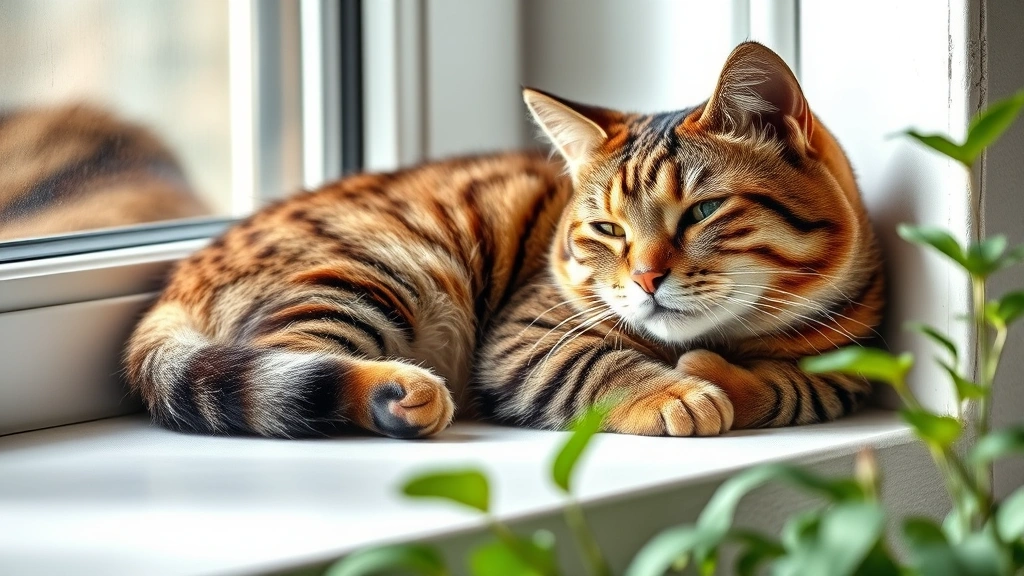
Anxious pets often have disrupted sleep patterns, which makes everything worse. L-theanine promotes relaxation without sedation, meaning your pet can actually fall asleep naturally and stay asleep longer. A well-rested pet is a happier, less reactive pet.
3. Enhances Focus During Training
Counterintuitively, by calming the anxious parts of your pet’s brain, L-theanine can actually improve their ability to focus on training. An anxious dog’s brain is too busy worrying to learn new commands, but a calm dog? That’s a dog ready to work.
6. Works Well Alongside Other Supplements
L-theanine plays nicely with other pet wellness products. Many pet owners combine it with multi-strain probiotics for pets since gut health and mental health are deeply connected. Some also pair it with sensitive stomach supplements for pets dealing with stress-related digestive issues. The synergy between these supplements can amplify your pet’s overall wellness.
Choosing the Right L-theanine Product for Your Pet
Not all L-theanine supplements are created equal. You’ll find it in various forms: tablets, capsules, powders, and even liquid formulations similar to liquid probiotics for pets. For dogs that are pill-averse, powders and liquids are game-changers. For cats, smaller capsules or powders mixed into food work best. Look for products that specify they’re veterinary-grade and third-party tested. Your vet can recommend dosages based on your pet’s weight and specific anxiety issues. Some products combine L-theanine with other calming ingredients like ashwagandha or chamomile, which can enhance the effects.
Dosage Guidelines and Safety Considerations
Typical dosing ranges from 50-200mg per day depending on your pet’s size, with smaller pets getting lower doses. The good news? L-theanine has an excellent safety profile. It’s non-habit forming, doesn’t interact negatively with most medications, and has virtually no side effects in pets. That said, always consult your veterinarian before starting any new supplement, especially if your pet is on medication. Pregnant or nursing pets should get vet approval first. Most pets tolerate L-theanine beautifully, but occasionally you might see mild drowsiness, which usually subsides as your pet’s body adjusts.
Real Pet Parent Success Stories
Let’s talk about actual results. Sarah from Portland has a rescue German Shepherd with severe noise anxiety. After six weeks on L-theanine, her dog went from trembling and panting during storms to simply resting in their bed. Mark’s cat, previously a stress-grooming nightmare, developed a bald patch from over-licking. Within two weeks of L-theanine, the grooming behavior decreased significantly, and his coat started recovering. These aren’t isolated cases—vets across the country report similar outcomes in their practices.
When to Consider L-theanine vs. Other Options
L-theanine is ideal for mild to moderate anxiety and as a preventative measure. For severe anxiety, your vet might recommend prescription medications, possibly combined with L-theanine for enhanced effect. It’s also perfect for situational anxiety—give it an hour before you know your pet will face a trigger. Unlike prescription anti-anxiety meds that require ongoing use, you can use L-theanine as needed or daily, depending on your pet’s needs. Think of it as the supplement equivalent of a security blanket: always available, gentle, and effective.
Lifestyle Changes to Complement L-theanine
While L-theanine is fantastic, it works best as part of a comprehensive anxiety management plan. Regular exercise is crucial—a tired pet is a calm pet. Powder probiotics for cats and other gut health supplements support the brain-gut axis, which influences anxiety levels. Create a safe space where your pet can retreat during stressful situations. Consistent training and positive reinforcement help build confidence. Some pet parents swear by calming music, pheromone diffusers, or anxiety wraps used alongside L-theanine.

Frequently Asked Questions
Frequently Asked Questions
How quickly does L-theanine work for pets?
Most pets show noticeable effects within 30-60 minutes of taking L-theanine. However, for maximum benefits with long-term anxiety, consistent daily use over 2-4 weeks tends to produce the best results. Your pet’s individual metabolism and the specific anxiety issue will affect timing.
Can I give L-theanine to my cat?
Absolutely! Cats benefit tremendously from L-theanine, often showing reduced stress-related behaviors like over-grooming, hiding, or aggression. Cats typically require lower doses than dogs due to their smaller body size. Always use feline-specific formulations when possible.
Will L-theanine make my pet drowsy?
Unlike sedatives, L-theanine promotes relaxation without significant drowsiness. Your pet remains alert and responsive. Some pets might appear slightly more relaxed initially, but they won’t be knocked out or unable to function normally.
Is L-theanine safe to use long-term?
Yes, L-theanine is extremely safe for long-term use in pets. It’s non-addictive, non-toxic, and has minimal side effects. Many vets recommend it as a first-line supplement for anxiety management before considering prescription medications.
Can L-theanine be combined with other anxiety medications?
Generally yes, but always check with your veterinarian. L-theanine typically plays well with other supplements and even prescription medications, but your vet needs to review your pet’s complete health picture before combining treatments.
What’s the difference between L-theanine and other calming supplements?
L-theanine works specifically on neurotransmitters to promote alpha brain waves. Other supplements like chamomile or valerian root work through different mechanisms. Some products combine multiple ingredients for synergistic effects, while L-theanine alone targets the neurological pathway to calm.
Final Thoughts: Your Pet’s Path to Zen
L-theanine for pets represents a significant breakthrough in natural anxiety management. It’s effective, safe, well-researched, and genuinely improves quality of life for anxious animals without the heavy-handed side effects of traditional sedatives. Whether your pet struggles with thunderstorm phobias, separation anxiety, or general nervousness, this amino acid deserves serious consideration. Start with a conversation with your veterinarian, choose a quality product, and give it a few weeks to work its magic. Your calm, happy pet will thank you—probably by finally napping peacefully on the couch instead of pacing anxiously. In the journey toward your pet’s wellness, L-theanine might just be the missing piece you’ve been looking for.





