
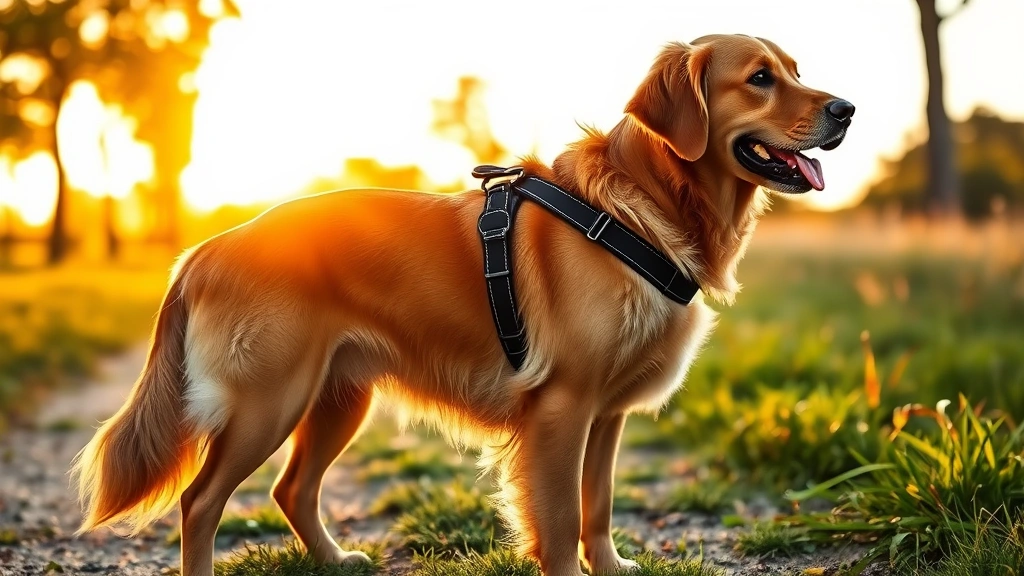
A large dog harness is one of the smartest investments you’ll make for your big furry friend, especially if you’ve got a canine that pulls like they’re training for the Iditarod. Whether you’re wrestling with a 70-pound German Shepherd, a stubborn Labrador, or a gentle giant Great Dane, the right harness transforms walks from chaotic rope-burns to actually enjoyable outings.
Table of Contents
- Why Your Big Dog Needs a Proper Large Dog Harness
- No-Pull Harnesses: The Game Changer for Powerful Pups
- Top Harness Features to Look For in Large Dog Models
- Front-Clip vs. Back-Clip: Which Works Best?
- Sizing Your Large Dog Harness Correctly
- Best Harnesses for Specific Large Breed Challenges
- Training Your Large Dog to Accept Their Harness
- Maintenance and Care for Your Large Dog Harness
- The Importance of Proper Leash Attachment
- Common Large Dog Harness Mistakes to Avoid
- Conclusion: Invest in Your Large Dog’s Comfort and Safety
- Frequently Asked Questions
Let’s be real: traditional collars were basically designed by someone who’s never owned a dog that weighs more than a sack of potatoes. Your massive pup deserves better, and honestly, your shoulders deserve better too.
Why Your Big Dog Needs a Proper Large Dog Harness
Before we dive into the best options, let’s talk about why a quality large dog harness matters more than you might think. Dogs over 50 pounds generate serious pulling force—we’re talking physics-defying momentum that can choke them or dislocate their shoulders if you’re using just a collar.
A well-fitted harness distributes pressure evenly across the chest and back instead of concentrating it on the neck. This means:
- Better control without choking your pup
- Reduced risk of tracheal damage
- More comfortable walks for both of you
- Training becomes actually possible (shocking, I know)
Plus, when you’re dealing with a 90-pound dog who spots a squirrel, that harness is your lifeline. Literally.
No-Pull Harnesses: The Game Changer for Powerful Pups
The no-pull design is where the magic happens. These harnesses have a front-clip attachment point that gently redirects your dog’s forward motion when they pull, making pulling feel pointless (because it is). It’s not punishment—it’s just physics working in your favor for once.
The best no-pull options for large breed dogs feature:
- Padded chest plates for comfort
- Multiple adjustment points for a custom fit
- Reflective stitching for evening walks
- Easy-on, easy-off designs (because wrestling with your dog is nobody’s idea of fun)
According to the American Kennel Club, proper harness fitting is crucial for large breed safety during walks and training. When your dog is wearing their harness correctly, you should be able to fit two fingers between the harness and their body.
Top Harness Features to Look For in Large Dog Models
Not all large dog harness options are created equal. Here’s what separates the mediocre from the magnificent:
Material Quality: Look for heavy-duty nylon or polyester that won’t shred after three months. Your dog’s harness takes a beating, and cheap materials show it fast.
Adjustability: Large dogs come in all shapes—barrel-chested Labs, lean Greyhounds, and everything between. Multiple adjustment points mean you can dial in the perfect fit.
Hardware: Plastic buckles are a no-go for large dogs. You need metal D-rings and sturdy hardware that won’t snap when your 80-pound pup makes a sudden move.
Padding: Unpadded harnesses can cause chafing and discomfort, especially during longer walks or training sessions. Quality padding keeps your dog happy and prevents irritation.
Front-Clip vs. Back-Clip: Which Works Best?
This is the eternal debate in the dog-walking community, and honestly, both have merit depending on your situation.
Front-clip harnesses excel at preventing pulling. When your large breed dog leans forward, the harness gently turns them back toward you. This works brilliantly for dogs in training or those with serious pulling problems. The downside? Some dogs find the chest pressure annoying at first.
Back-clip harnesses distribute weight more evenly and feel more natural to many dogs. They’re perfect for well-trained pups who don’t pull excessively. However, if your dog is a pulling machine, you’re basically giving them a sled dog harness—not ideal.
Pro tip: Many quality large dog harness options have dual-clip designs, giving you flexibility based on your dog’s behavior that day. It’s like having two harnesses in one.
Sizing Your Large Dog Harness Correctly
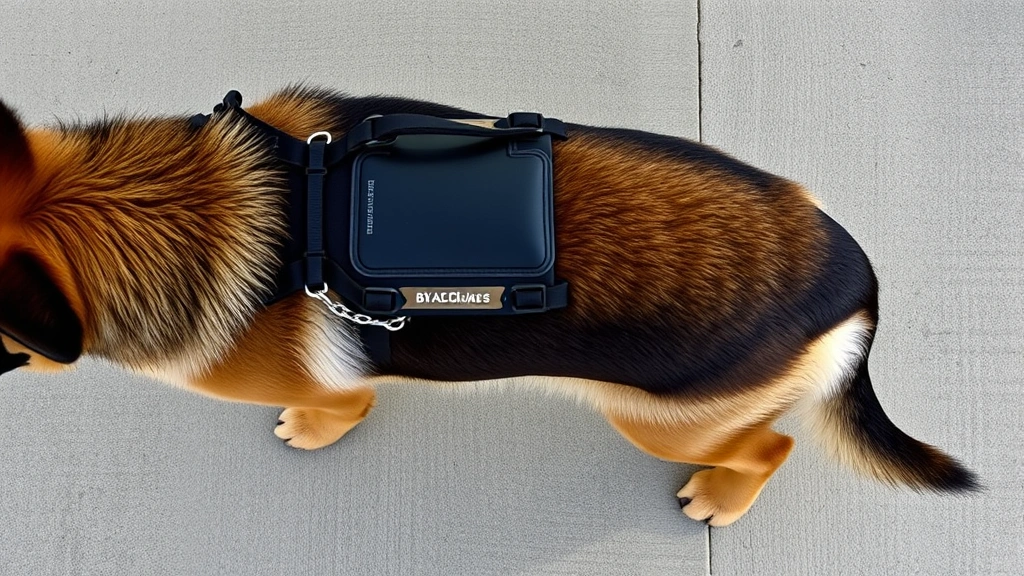
Here’s where most people mess up: they guess at the size. Don’t be that person. Proper sizing makes all the difference between a harness that works and one that either chokes your dog or they slip right out of.
Measure your dog’s:
- Chest girth: Around the widest part of their ribcage
- Neck circumference: Where the harness sits
- Length: From the base of their neck to their hip
Most manufacturers provide sizing charts—actually use them instead of guessing. A harness that’s too tight restricts breathing and movement; one that’s too loose means your dog can wiggle free (and then you’re chasing them through the neighborhood).
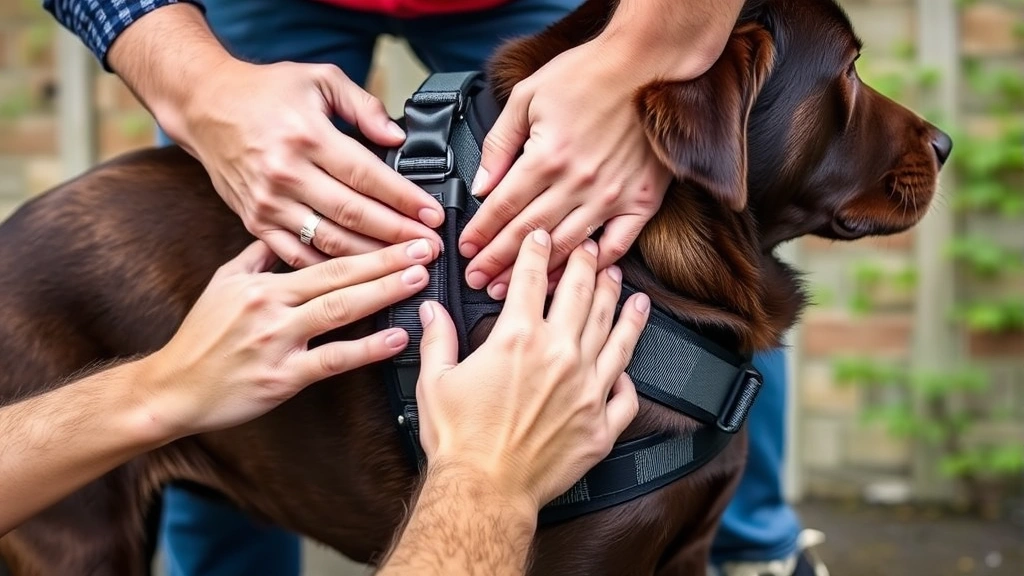
The two-finger rule applies: you should fit two fingers comfortably under any strap. If you can’t, it’s too tight. If you can fit your whole hand, it’s too loose.
Best Harnesses for Specific Large Breed Challenges
Different large dogs have different needs. A powerful pit bull mix needs different control than a tall but lean German Shepherd.
For Extreme Pullers: You need a heavy-duty no-pull harness with serious front-clip action. These dogs need to learn that pulling doesn’t work, period.
For Sensitive Dogs: Some large breeds have anxiety or sensitive skin. Look for padded, comfortable harnesses that don’t feel restrictive. Pair it with training treats from human food to build positive associations.
For Multi-Purpose Use: If you’re hiking, training, and doing regular walks, get a versatile harness that handles all situations. Dual-clip designs shine here.
Training Your Large Dog to Accept Their Harness
Some dogs slip on a harness and act like they just won the lottery. Others act like you’ve strapped a medieval torture device to their body. The difference is usually training.
Start slow:
- Let your dog sniff and investigate the harness (no pressure)
- Practice putting it on during calm moments at home
- Reward heavily with treats and praise
- Leave it on for short periods while doing fun things
- Gradually increase duration and introduce walks
According to PetMD, positive reinforcement is key to harness training. Never force it or punish resistance—you’ll just create more anxiety. Patience wins here.
If you’ve got a stubborn learner, high-value treats from kitchen ingredients can work wonders for motivation.
Maintenance and Care for Your Large Dog Harness
A quality large dog harness isn’t cheap, so you need to maintain it properly. Dirt, mud, and dog sweat accumulate fast.
Regular Cleaning: Hand wash with mild soap and water monthly, or more often if your dog loves mud. Air dry completely before storing—mildew loves damp nylon.
Inspect Regularly: Check for fraying, cracked hardware, or worn seams. A harness failure mid-walk is a disaster waiting to happen.
Storage: Keep it in a cool, dry place away from direct sunlight. UV exposure degrades materials faster than you’d think.
Replacement Timeline: Even quality harnesses eventually wear out. If you notice significant deterioration or your dog has grown, it’s time for a new one.
The Importance of Proper Leash Attachment
Your harness is only as good as the leash you attach to it. For large dogs, you need a sturdy 6-foot leash made from quality material—not some flimsy retractable thing that’ll snap when your pup lunges.
Consider pairing your large dog harness with a quality dog collar for ID tags. Yes, you’re using the harness for walking control, but your dog still needs identification on them.
For road trips and longer excursions, a car seat for dogs offers additional safety when combined with your harness system.
Common Large Dog Harness Mistakes to Avoid
Even with the best equipment, people mess this up regularly. Here’s what NOT to do:
- Using only a harness for identification: Your dog still needs a collar with tags
- Leaving the harness on all day: It causes chafing and discomfort
- Ignoring fit issues: A poorly fitting harness defeats the entire purpose
- Skipping training: Just putting on the harness doesn’t magically fix pulling
- Using it as punishment: Your dog will associate the harness with negative experiences
Conclusion: Invest in Your Large Dog’s Comfort and Safety
A quality large dog harness is non-negotiable if you’ve got a big dog. It’s not an optional accessory—it’s essential equipment that keeps your dog safe, comfortable, and under control during walks and training.
The right harness:
- Prevents injury to your dog’s neck and shoulders
- Gives you actual control over a powerful animal
- Makes training possible and effective
- Increases comfort for both of you
- Lasts for years with proper care
Stop wrestling with your large dog on walks. Stop worrying about them getting away from you. Invest in a proper harness, take time to fit it correctly, and train your dog to accept it. Your shoulders (and your dog’s safety) will thank you.
Frequently Asked Questions
What size harness do I need for my large dog?
Measure your dog’s chest girth at the widest point and compare it to the manufacturer’s sizing chart. Most large breed harnesses fit dogs 50-100+ pounds, but exact sizing varies by brand. When properly fitted, you should fit two fingers under any strap comfortably.
Can a large dog escape from a harness?
Yes, if it’s not fitted correctly or if your dog is particularly slippery. This is why proper sizing and adjustment are crucial. Some dogs are escape artists regardless, so check your harness frequently and consider a backup collar with ID tags.
How long does a large dog harness last?
With proper care and maintenance, a quality harness lasts 2-4 years depending on usage intensity. High-energy dogs who spend hours outdoors daily will wear through harnesses faster than casual walkers.
Is a no-pull harness cruel?
No. A properly designed no-pull harness uses gentle redirection, not punishment. It simply makes pulling ineffective by turning your dog toward you rather than forward. It’s actually more humane than a choke collar.
Should my dog wear a harness all day?
No. Harnesses should be removed after walks and training sessions. Leaving one on continuously causes chafing, discomfort, and skin irritation. Use it only when needed.
Can I use a harness instead of a collar?
For walking and training, yes. However, your dog still needs a collar for ID tags in case they escape. Many owners use both—a harness for walks and a collar for everyday identification.





