
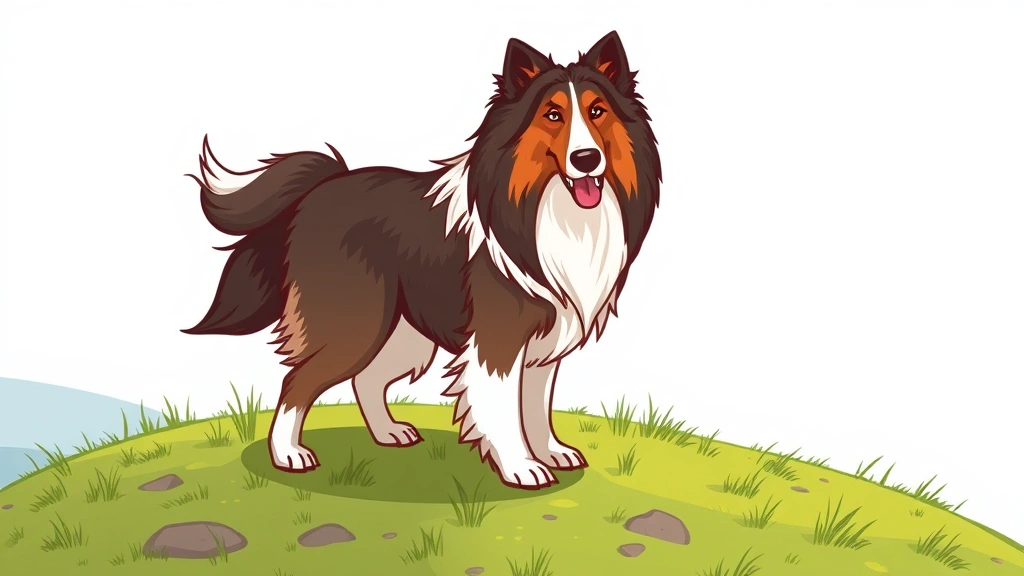
If you’ve ever watched Lassie come running over a hill to save the day, you know why this breed captures hearts. The Lassie dog—a Rough Collie—represents loyalty, intelligence, and that almost magical ability to sense when someone needs help. But here’s the real talk: owning a Lassie dog isn’t just about the Hollywood moments. It’s about understanding what makes this breed tick, how to keep them healthy, and whether they’re actually the right fit for your home.
Whether you’re curious about the original Lassie or thinking about bringing a Rough Collie into your family, this guide covers everything you need to know about these remarkable dogs.
What Exactly Is a Lassie Dog?
A Lassie dog is a Rough Collie, a large herding breed originally developed in Scotland. When most people say “Lassie dog,” they’re referring to the Rough Collie—the long-coated version with that iconic sable and white or tricolor coat. The Lassie dog breed stands 22-26 inches tall and weighs 50-75 pounds, making them a substantial but elegant presence in any home.
The key thing about the Lassie dog is that it’s not just one individual animal—it’s a breed with specific characteristics that have been refined over generations. The original Lassie was a male dog named Pal, but the name became synonymous with the entire Rough Collie breed after the 1943 film.
There’s also a Smooth Collie (shorter coat), but when people picture a Lassie dog, they’re imagining that flowing, feathered coat. According to the American Kennel Club (AKC), Collies rank around 29th in popularity, which makes sense—they’re not for everyone, and that’s okay.
Quick breakdown of Lassie dog characteristics:
- Intelligent and eager to please
- Strong herding and protective instincts
- High energy, especially as puppies
- Sensitive to their owner’s emotions
- Excellent with families and children
- Prone to barking (they were bred to manage livestock)
The Real Story Behind Lassie
The Lassie dog’s fame didn’t start with the 1943 film. The character actually originated in Eric Knight’s 1938 novel Lassie Come-Home. But here’s where it gets interesting: the dog who played Lassie in that first film was a male Rough Collie named Pal. Female Collies were considered too delicate for film work at the time, so a male dog took on the role of the female character.
Pal became so famous that he appeared in multiple Lassie films and even had a Hollywood star on the Walk of Fame. His descendants continued the Lassie legacy for decades, with different dogs playing the role in subsequent films and the long-running TV series that started in 1954.
What made Pal and subsequent Lassie dogs so perfect for the role wasn’t just their appearance—it was their actual breed temperament. Collies are naturally intelligent, responsive, and have an almost uncanny ability to read human emotions. They genuinely seem to want to help, which is why they were so believable on screen.
The Lassie dog became so culturally significant that it shaped how people view the entire Collie breed. Even today, people often assume all Collies will be as heroic and intuitive as the fictional Lassie. The reality is more nuanced, but Rough Collies do possess many of those qualities—just in varying degrees depending on individual dogs and their training.
Temperament and Personality Traits
If you’re considering a Lassie dog, you need to understand what you’re actually getting personality-wise. This isn’t a breed that’s content to lounge on the couch all day. Lassie dogs are working dogs at heart, even if they’ve never herded a sheep in their lives.
The Good Stuff:
- Highly intelligent – Collies consistently rank in the top 5 smartest dog breeds. They learn commands quickly and seem to understand context.
- Emotionally attuned – They pick up on your mood and will often come comfort you if you’re upset. This isn’t anthropomorphizing; it’s documented behavior.
- Gentle with children – Their herding instinct sometimes manifests as gentle nipping at kids’ heels, but they’re rarely aggressive. They’re protective without being aggressive.
- Loyal to their people – A Lassie dog bonds deeply with their family and takes that bond seriously.
- Eager to please – They want your approval and will work hard to get it.
The Challenging Stuff:
- They bark. A lot. – Collies were bred to manage livestock by barking and herding. That instinct doesn’t just disappear in a pet Collie. They bark at strangers, other dogs, squirrels, and sometimes just because.
- High prey drive – Small animals trigger their herding/hunting instincts. Cats can work out with Collies if raised together, but it’s not guaranteed.
- Separation anxiety – Lassie dogs don’t do well being left alone for long periods. They can develop destructive behaviors or excessive barking.
- Sensitive souls – Harsh corrections or yelling can shut down a Collie emotionally. They respond much better to positive reinforcement.
- Stubborn streak – Despite their intelligence, they can be selective about listening if they think they have a better idea.
The Lassie dog needs a family that understands they’re getting an intelligent, emotionally complex companion—not a decorative dog. They want to be involved in family activities and feel like they have a job to do.
Daily Care and Exercise Needs
Here’s where many Lassie dog owners get blindsided: these dogs need serious exercise and mental stimulation. We’re not talking about a casual 15-minute walk around the block.
A healthy adult Lassie dog needs at least 60-90 minutes of exercise daily. This can be a mix of:
- Brisk walking or jogging
- Fetch sessions in a fenced yard
- Herding activities (if you can find them)
- Agility training
- Hiking
- Swimming
Puppies need even more activity, but it’s important to be careful with growing Collies. Their bones don’t fully harden until around 18 months, so excessive jumping or hard impacts can cause problems. Understanding when a dog is fully grown helps you adjust their exercise routine appropriately.
Mental stimulation is equally important as physical exercise. A bored Lassie dog will find entertainment—usually destructive entertainment. Puzzle toys, training sessions, and interactive games keep their brain engaged.
Pro Tip: A tired Lassie dog is a well-behaved Lassie dog. If your Collie is acting out, the first question to ask isn’t “what’s wrong with my dog?” but rather “is my dog getting enough exercise?” The answer is usually no.
Collies also benefit from having a job or purpose. Some excel at agility competitions, obedience trials, or even therapy dog work. If you’re not naturally athletic, consider activities that play to the Lassie dog’s intelligence rather than just their physical energy.
Health Concerns Specific to Collies

The Lassie dog breed is generally healthy, but like all purebred dogs, they’re predisposed to certain conditions. Knowing about these helps you catch problems early and make informed breeding decisions if you work with breeders.
Collie Eye Anomaly (CEA): This is the big one. CEA is an inherited condition affecting the eye’s development. It ranges from mild to severe, potentially causing blindness. Responsible breeders screen for this using CERF (Canine Eye Registration Foundation) exams. If you’re getting a Lassie dog puppy, ask for proof of eye screening on both parents.
Hip Dysplasia: The hip joint develops abnormally, leading to arthritis and pain. This is common in larger breeds. Look for OFA (Orthopedic Foundation for Animals) or PennHIP certifications from breeders.
Dermatomyositis: Also called “Collie nose,” this is an inflammatory condition affecting the skin and muscles. It’s more common in Rough Collies than Smooth Collies. Symptoms include lesions on the face and limbs, especially after sun exposure.
Bloat (Gastric Dilatation-Volvulus): This is a life-threatening emergency where the stomach fills with gas and twists. Large, deep-chested dogs like Collies are at higher risk. Feed multiple smaller meals rather than one large meal, and avoid vigorous exercise right before or after eating.
Patent Ductus Arteriosus (PDA): A heart defect present from birth. Responsible breeders screen for this.
Epilepsy: Seizures can develop in Collies, sometimes without an obvious cause. Medication can usually control it well.
Regular vet checkups, maintaining a healthy weight, and working with responsible breeders who health-test their dogs dramatically reduces the risk of these issues. According to the Orthopedic Foundation for Animals, health screening is one of the most important things breeders can do.
Training Your Lassie Dog
Training a Lassie dog is actually one of the easier parts of ownership—they want to learn and please you. The challenge is channeling that intelligence and energy appropriately.
Start Early: Lassie dog puppies are smart enough to learn bad habits as easily as good ones. Start training immediately, even with basic commands like sit, stay, and come.
Use Positive Reinforcement: Collies are sensitive. Harsh corrections, yelling, or punishment-based training can make them shut down emotionally. They respond beautifully to praise, treats, and play-based rewards.
Socialize Extensively: Expose your Lassie dog puppy to different people, animals, and environments during their critical socialization window (8-16 weeks). This prevents fear-based aggression and excessive wariness later.
Address Barking Early: Teach a “quiet” command and redirect barking toward acceptable outlets. You won’t eliminate barking entirely—it’s genetic—but you can manage it.
Manage Herding Instincts: If your Lassie dog nips at heels or tries to herd children, redirect that energy into appropriate games like fetch or herding classes.
Consider Professional Training: If you’re a first-time dog owner or struggling with specific behaviors, working with a certified professional trainer (look for CPDT or IAABC certification) is worth the investment. A Lassie dog’s intelligence means behavioral issues can escalate quickly if not addressed.
The good news? Collies are generally not stubborn in a defiant way. They’re more likely to be selective listeners if they disagree with you, which is different. Once they understand what you want and believe it’s worth doing, they’ll do it reliably.
Feeding and Nutrition
A Lassie dog’s nutritional needs are straightforward but important to get right. Large breed puppies need different nutrition than adult dogs, and overfeeding during growth can cause joint problems.
Puppy Stage (8 weeks – 18 months): Feed a large-breed puppy formula with controlled calcium and phosphorus levels. This slows growth slightly, which is actually good for bone development. Follow feeding guidelines on the food package, but adjust based on your individual puppy’s body condition. You should be able to feel their ribs easily but not see them prominently.
Adult Stage (18 months – 7 years): Feed a high-quality dog food appropriate for their activity level. Collies are prone to weight gain if overfed, which stresses their joints and increases health problems. A Lassie dog should maintain a lean body condition.
Senior Stage (7+ years): Consider switching to a senior formula with lower calories but higher quality protein. Senior Collies benefit from joint support supplements like glucosamine and chondroitin.
When it comes to specific foods, quality matters. Look for foods with named meat sources (chicken, lamb, beef) rather than “meat meal” or “by-products.” Understanding what makes dog food good helps you make informed choices.
Avoid feeding your Lassie dog human foods that are toxic to dogs. While some foods like chorizo might seem harmless, it’s better to stick with a consistent, species-appropriate diet.
Safety Warning: Never feed a Lassie dog right before or after vigorous exercise. Wait at least 1-2 hours to reduce the risk of bloat, which is a medical emergency in this breed.
Most Collies do well on 2-3 cups of food daily, split into two meals. Individual needs vary based on activity level, age, and metabolism. Your vet can help you determine the right amount for your specific dog.
Grooming: It’s Not Optional
If you’re not prepared to commit to grooming, a Lassie dog isn’t the right breed for you. That beautiful flowing coat isn’t just for show—it requires serious maintenance.
Brushing: Rough Collies need brushing 3-4 times per week during regular shedding periods and daily during heavy shedding seasons (spring and fall). Use a slicker brush and undercoat rake to get through the dense double coat. Neglect this, and you’ll end up with mats that are painful to remove and can trap moisture against the skin.
Bathing: Bathe your Lassie dog every 6-8 weeks, or more often if they get dirty. Use a quality dog shampoo and conditioner. Their coat is self-cleaning to some degree, so you don’t need to bathe more frequently than necessary.
Nail Trimming: Trim nails every 4-6 weeks. Long nails affect gait and can cause joint problems.
Ear Cleaning: Collies have floppy ears that can trap moisture. Clean ears weekly with a dog ear cleaner to prevent infections.
Dental Care: Brush teeth daily if possible, or at least several times per week. Dental disease is common in dogs and contributes to serious health problems.
Professional Grooming: Many Lassie dog owners take their dogs to a professional groomer every 8-12 weeks for a bath, full brush-out, and nail trim. This isn’t a luxury—it’s part of responsible ownership.
The shedding is real. We’re talking about tumbleweeds of hair rolling across your floor during shedding season. If you’re not okay with that, this breed isn’t for you. A good vacuum and lint rollers become your best friends.
Frequently Asked Questions
Is a Lassie dog good for first-time dog owners?
– Collies can work for first-time owners if you’re prepared for their needs. They’re intelligent and eager to please, which makes training easier. However, their exercise requirements, grooming needs, and barking can be overwhelming if you underestimate the commitment. If you’re a first-time owner with realistic expectations and time to invest, a Lassie dog can be wonderful. If you want a low-maintenance dog, look elsewhere.
How long do Lassie dogs live?
– Rough Collies typically live 12-14 years with good care. Some live into their mid-teens. Maintaining a healthy weight, regular vet care, and appropriate exercise contribute to longevity. Health screening by breeders also matters significantly.
Do Lassie dogs get along with cats?
– It depends on the individual dog and when they’re introduced. Collies raised with cats from puppyhood usually do fine. Adult Collies with high prey drive may chase cats. Their herding instinct sometimes manifests as chasing and nipping, which cats don’t appreciate. Introduction and management are key.
Are Lassie dogs aggressive?
– Collies are rarely aggressive toward people. They’re more likely to try to herd or avoid confrontation. They can be territorial with other dogs, especially if not socialized properly. Early socialization and training prevent most behavioral issues. If a Collie is showing aggression, it usually stems from fear or poor socialization rather than inherent aggression.
How much does a Lassie dog cost?
– A Rough Collie puppy from a responsible breeder costs $800-$2,000+. Adoption from a rescue might be $200-$500. Budget for initial vet care, training, quality food, and grooming supplies. Annual costs for a healthy adult Collie run $1,500-$2,500 depending on location and individual needs. Emergency vet care can be significantly more.
Can Lassie dogs live in apartments?
– Technically yes, but it’s not ideal. Collies are large, energetic dogs that need space and exercise. An apartment dweller could make it work with daily trips to a dog park, multiple walks, and mental stimulation, but a house with a yard is better suited to this breed’s needs.

What’s the difference between a Rough Collie and a Smooth Collie?
– The main difference is coat length. Rough Collies have the long, flowing coat associated with Lassie. Smooth Collies have short coats and require less grooming. Temperament is essentially identical. Smooth Collies still shed and still need exercise and training.
Do Lassie dogs really have that sixth sense about danger?
– Collies are incredibly perceptive and responsive to their environment. They pick up on subtle changes in body language, tone, and behavior. This makes them seem almost psychic, but it’s really just heightened awareness and emotional intelligence. They’re not literally psychic, but they’re definitely more aware than many breeds.





