
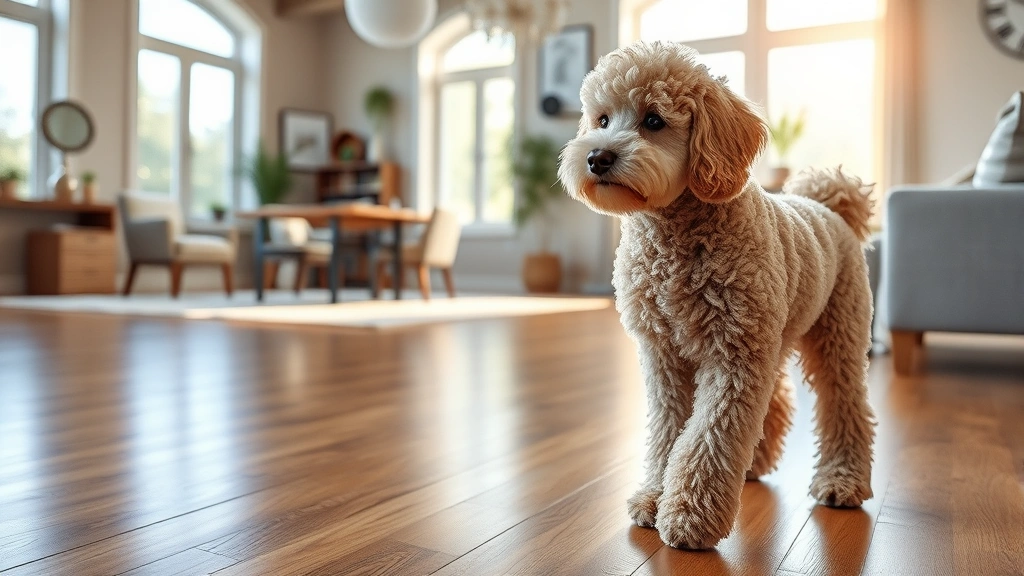
If you’re tired of finding tumbleweeds of dog hair rolling across your hardwood floors, it’s time to talk about the least moulting dogs that won’t turn your home into a furry nightmare. Let’s be real—some dog breeds shed like they’re auditioning for a shampoo commercial, while others barely leave a trace. The good news? There are plenty of fantastic four-legged friends who won’t require you to invest in industrial-grade vacuum cleaners.
Table of Contents
- What Makes a Dog a Low-Shedding Breed?
- Poodles: The Shedding Hall of Shame Avoidance Champions
- Bichon Frises: Tiny Fluffballs That Don’t Actually Shed
- Portuguese Water Dogs: Athletic Non-Shedders
- Maltese: Elegant Lap Dogs with Minimal Shedding
- Schnauzers: Wiry-Coated Warriors Against Shedding
- Soft Coated Wheaten Terriers: Golden Personalities, Minimal Hair
- Shih Tzus: Lap Dogs with Hair, Not Fur
- Lagotto Romagnolos: Curly Water Dogs from Italy
- Yorkshire Terriers: Small but Mighty Shedding Fighters
- Grooming and Maintenance: The Real Cost of Low-Shedding Breeds
- Allergies and Low-Shedding Dogs: What You Need to Know
- Frequently Asked Questions
- Conclusion: Finding Your Perfect Low-Shedding Companion
What Makes a Dog a Low-Shedding Breed?
Before we dive into the hall of fame for low-shedding pups, let’s understand what makes certain breeds less mouthy about their fur. Dogs with hair (not fur) tend to shed less because their coat grows continuously rather than cycling through seasonal blowouts. Think of it like human hair—it just keeps growing and occasionally needs a trim. Breeds with double coats, on the other hand, tend to shed like they’re getting paid for it.
The texture of a dog’s coat also plays a huge role. Curly, wiry, or tightly coiled coats trap loose hair, preventing it from ending up on your sofa. This is why Cavachon dogs and similar designer breeds have become increasingly popular among allergy-conscious pet owners.
Poodles: The Shedding Hall of Shame Avoidance Champions
Poodles come in three sizes—Standard, Miniature, and Toy—and they’re basically the gold standard for non-shedding dogs. Their curly coat is a hair-trapping machine, and they produce minimal dander. If you want a smart, elegant companion that won’t blanket your furniture in fur, a Poodle is your answer. Plus, they’re ridiculously intelligent and trainable.
The trade-off? Poodles need regular grooming—we’re talking every 4-6 weeks at a professional groomer. But if you’re choosing between vacuuming daily or scheduling a grooming appointment monthly, most people find that a fair deal.
Bichon Frises: Tiny Fluffballs That Don’t Actually Shed
Don’t let their fluffy appearance fool you. Bichon Frises are among the least moulting dog breeds you’ll find. Their dense, curly coat sheds minimally, making them perfect for apartment dwellers and people with allergies. These little guys are cheerful, affectionate, and don’t require a massive yard—just regular playtime and mental stimulation.
Bichons do need consistent grooming to maintain their signature fluffy look, but the payoff is a home that stays noticeably cleaner than with other small breeds.
Portuguese Water Dogs: Athletic Non-Shedders
If you want a dog that’s active, intelligent, and won’t cover your home in hair, Portuguese Water Dogs are phenomenal. Originally bred to help fishermen in Portugal, these medium-sized athletes have a wavy or curly coat that sheds minimally. They’re energetic and need regular exercise, but they’re loyal, trainable, and genuinely fun to be around.
These dogs thrive with owners who can provide mental and physical stimulation, making them ideal for active families who also happen to care about keeping their homes clean.
Maltese: Elegant Lap Dogs with Minimal Shedding
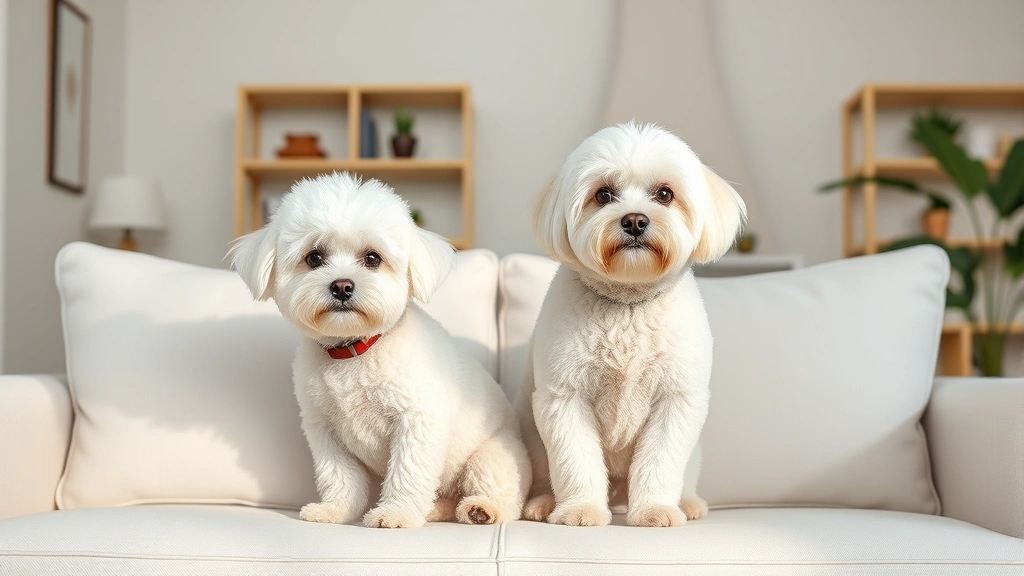
The Maltese is a tiny breed with a long, silky coat that sounds like it would shed everywhere—but it actually doesn’t. Their hair grows continuously and requires regular brushing to prevent matting, but you won’t find piles of fur accumulating in corners. They’re gentle, affectionate, and perfect for people who want a companion dog without the shedding nightmare.
Maltese dogs are particularly good for seniors or people with limited mobility who still want a loving pet. Check out our Pet Nutrition Advice to ensure your small companion gets proper dietary support.
Schnauzers: Wiry-Coated Warriors Against Shedding
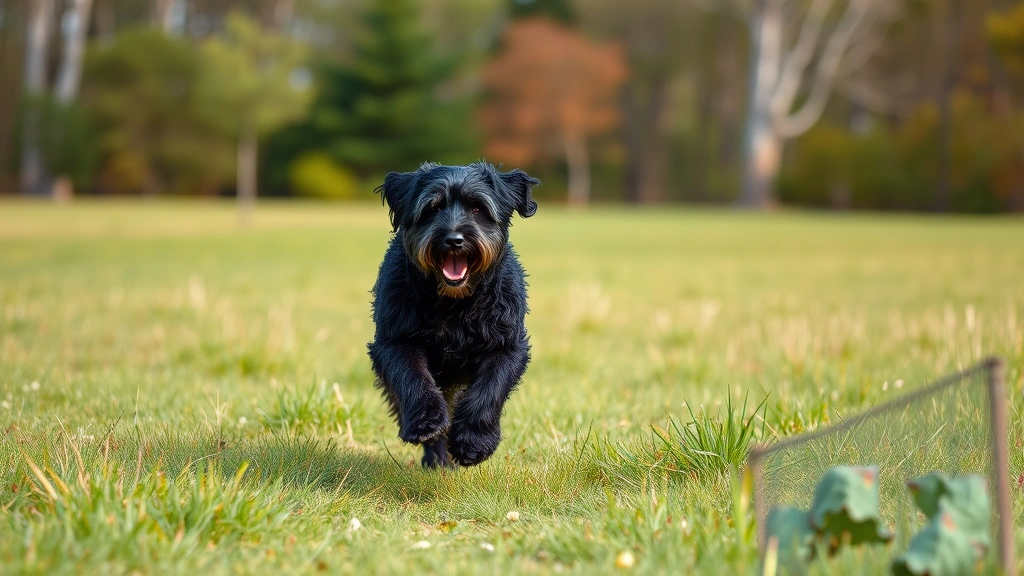
Schnauzers come in three sizes—Miniature, Standard, and Giant—and all share a distinctive wiry coat that sheds minimally. Their coarse, double coat is designed to repel dirt and water, and loose hair gets trapped in the outer layer rather than falling around your home. They’re intelligent, spirited, and make excellent watchdogs.
The grooming requirement is moderate—they need hand-stripping or clipping every few months, but the minimal shedding makes it worthwhile. These dogs are also known for their loyalty and make wonderful family pets.
Soft Coated Wheaten Terriers: Golden Personalities, Minimal Hair
With their warm, wheaten-colored coat, these Irish terriers are absolutely charming. Despite their medium size and fluffy appearance, Soft Coated Wheaten Terriers shed very little. They’re friendly, energetic, and have personalities that seem three times their actual size. These dogs love being part of the family and thrive on interaction and activity.
Their coat requires regular brushing to keep it healthy and mat-free, but you’ll notice significantly less hair around your home compared to double-coated breeds.
Shih Tzus: Lap Dogs with Hair, Not Fur
Shih Tzus have hair similar to humans—it grows continuously and doesn’t cycle through seasonal shedding. While they do shed minimally, the amount is negligible compared to breeds with double coats. These affectionate lap dogs are perfect for people who want a companion that won’t trigger allergies or leave fur everywhere.
Regular grooming is essential to keep their coat healthy and prevent matting, but many owners keep their Shih Tzus in a shorter puppy cut for easier maintenance. This breed thrives on companionship and loves being close to their humans.
Lagotto Romagnolos: Curly Water Dogs from Italy
This lesser-known breed is an absolute gem for people seeking low-shedding dogs. Lagotto Romagnolos have a distinctive curly, woolly coat that traps loose hair effectively. Originally bred as water retrievers, they’re intelligent, trainable, and have wonderful temperaments. They’re medium-sized, making them suitable for various living situations.
These dogs need regular grooming and enjoy staying active, but their minimal shedding and friendly nature make them increasingly popular among discerning dog owners.
Yorkshire Terriers: Small but Mighty Shedding Fighters
Don’t underestimate these tiny dogs. Yorkshire Terriers have silky hair that grows continuously, much like human hair, resulting in minimal shedding. They’re confident, affectionate, and perfect for apartment living. Despite their small size, they have big personalities and make excellent companions.
Their long coat requires regular brushing and periodic trimming, but the trade-off is a home that stays remarkably clean and fur-free. Many Yorkie owners opt for shorter cuts to simplify grooming while maintaining the breed’s elegant appearance.
Grooming and Maintenance: The Real Cost of Low-Shedding Breeds
Here’s the honest truth about least moulting dogs: they often require more grooming than heavy-shedding breeds. It’s like nature’s trade-off system. You can choose between vacuuming constantly or scheduling regular professional grooming appointments. Most people find the grooming route more manageable.
Regular brushing at home (2-3 times per week for most low-shedding breeds) prevents matting and keeps their coat healthy. Professional grooming every 4-8 weeks maintains their appearance and overall coat health. Check out our Hypoallergenic Treat Recipes to support your dog’s skin and coat health from the inside out.
Allergies and Low-Shedding Dogs: What You Need to Know
While low-shedding dogs are better for people with allergies, it’s important to understand that no dog is truly 100% hypoallergenic. Dog allergies are primarily triggered by dander (dead skin cells), saliva, and urine—not just fur. Low-shedding dogs produce less dander, making them more suitable for allergic individuals, but they’re not a guaranteed solution.
If you have severe allergies, spend time with the specific breed you’re considering before committing. Many breeders and rescue organizations can arrange meet-and-greets to help you determine compatibility. For more information about specific breeds, explore our resources on Chinese Dog Breeds and other breed-specific information.
Frequently Asked Questions
Are low-shedding dogs more expensive than other breeds?
Generally, yes. Low-shedding breeds often come with higher price tags because breeders select specifically for these traits. Additionally, the ongoing grooming costs can add up. However, many people find the investment worthwhile when considering the time saved on cleaning and the reduced allergen levels in their homes.
Can I reduce shedding in my dog through diet?
Absolutely! A high-quality diet rich in omega-3 and omega-6 fatty acids promotes healthier skin and coat, potentially reducing excessive shedding. Ensure your dog gets adequate protein, and consider supplements recommended by your veterinarian. Proper nutrition supports overall coat health regardless of breed.
How often should I groom a low-shedding dog?
Most low-shedding breeds need professional grooming every 4-8 weeks, depending on the breed and coat type. At home, you should brush them 2-3 times weekly to prevent matting and maintain coat health. Consistent grooming is essential for these breeds’ wellbeing.
Do low-shedding dogs require special shampoos?
While they don’t necessarily need special shampoos, using a high-quality, moisturizing dog shampoo helps maintain coat health and reduces irritation that can lead to excessive shedding. Avoid harsh chemicals that can dry out their skin and coat.
What’s the difference between shedding and hair loss?
Shedding is a natural process where dogs lose old hair to make room for new growth. Hair loss (alopecia) is excessive and often indicates health issues like allergies, infections, or hormonal imbalances. If your low-shedding dog suddenly starts losing hair excessively, consult your veterinarian.
Conclusion: Finding Your Perfect Low-Shedding Companion
The world of least moulting dogs offers wonderful options for people who want a clean home without sacrificing the joy of dog ownership. Whether you prefer the elegant Poodle, the cheerful Bichon Frise, or the athletic Portuguese Water Dog, there’s a low-shedding breed that matches your lifestyle and preferences.
Remember that choosing a low-shedding breed means committing to regular grooming and maintenance. The trade-off is a significantly cleaner home and a better experience for people with allergies. Take time to research breeds thoroughly, meet individual dogs, and consider your lifestyle before making a decision. With the right match, you’ll enjoy years of companionship with a dog that won’t cover your furniture in fur. Your vacuum cleaner will thank you, and your home will stay noticeably cleaner throughout the year.





