
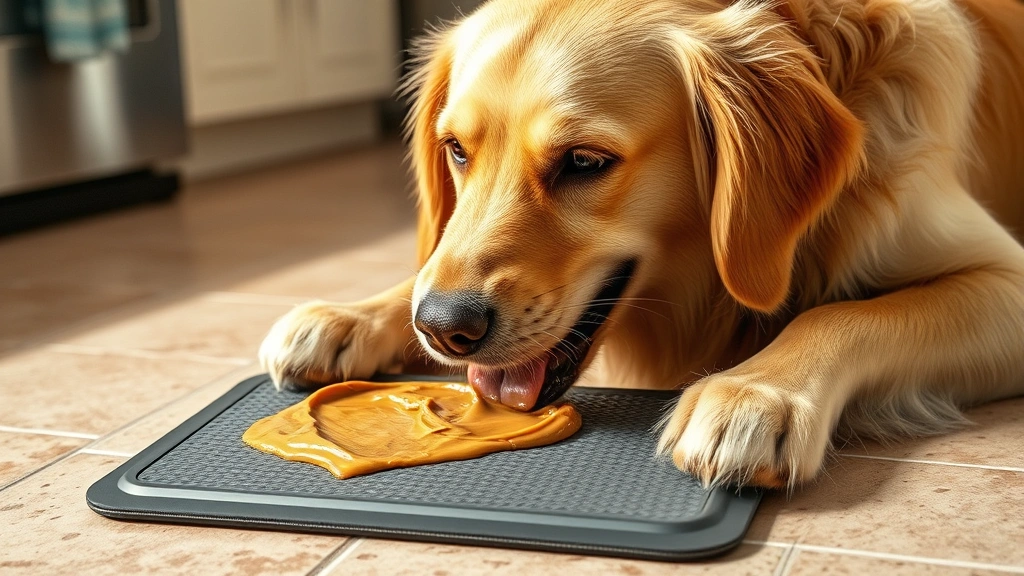
A lick mats feeding schedule is one of the best-kept secrets for keeping your furry friend entertained, mentally stimulated, and genuinely happy. If you’ve ever watched your dog or cat go absolutely bonkers over a frozen treat spread across a textured mat, you already know the magic we’re talking about. But here’s the thing: just tossing a lick mat in front of your pet whenever you feel like it isn’t going to cut it. You need a solid plan, and that’s exactly what we’re diving into today.
Table of Contents
- What Exactly Are Lick Mats and Why Should You Care?
- Understanding the Basics of a Proper Lick Mat Feeding Schedule
- Daily Lick Mat Feeding Schedule Framework
- Freezing Techniques for Extended Engagement
- Seasonal Adjustments to Your Lick Mat Feeding Schedule
- Nutritional Considerations for Lick Mat Contents
- Age-Specific Lick Mat Feeding Schedules
- Behavioral Benefits Beyond Entertainment
- Common Mistakes to Avoid With Lick Mats
- Creating Your Personalized Lick Mat Feeding Schedule
- Frequently Asked Questions
- Conclusion: Making Lick Mats Part of Your Pet’s Wellness Routine
What Exactly Are Lick Mats and Why Should You Care?
Lick mats are silicone or rubber mats with various textures, ridges, and grooves designed specifically for spreading wet or sticky foods. They’re not just fancy dog toys—they’re actual behavioral management tools that veterinarians and animal behaviorists recommend. Your pet licks the mat to get the food out, which engages their natural foraging instincts and keeps their brain busy. Think of it as the difference between handing someone a candy bar versus making them work for it. One is satisfying for five seconds; the other? That’s entertainment gold.
The beauty of lick mats is their versatility. You can use them with peanut butter, yogurt, wet dog food, pumpkin puree, bone broth, or literally any spreadable substance your pet enjoys. Cats can use them too, though they’re slightly less enthusiastic than dogs about the whole licking experience. It’s like comparing a golden retriever’s enthusiasm to a cat’s indifference—both valid, just different energy levels.
Understanding the Basics of a Proper Lick Mat Feeding Schedule
Creating an effective lick mat feeding schedule starts with understanding your pet’s daily routine and nutritional needs. A typical schedule might include lick mat sessions once or twice daily, usually during times when your pet is most likely to need mental stimulation or when you need them occupied. Morning sessions before you leave for work? Chef’s kiss. Evening wind-down before bedtime? Also fantastic. The key is consistency—your pet’s brain thrives on predictability.
Most veterinarians suggest limiting lick mat sessions to 10-30 minutes per day, depending on your pet’s age and activity level. This isn’t because lick mats are dangerous; it’s because moderation prevents your pet from becoming obsessed or consuming excessive calories. If you’re using high-calorie spreads like peanut butter, you’ll want to account for those calories in their daily food intake. Nobody wants a chubby pup who can’t fit through the doggy door.
Daily Lick Mat Feeding Schedule Framework
Let’s break down what a realistic daily schedule looks like. For most dogs, a morning lick mat session (15-20 minutes) paired with their breakfast routine works wonderfully. This gives them something to do while you’re getting ready for work and tires out their brain before you leave. Then, in the evening, another 15-20 minute session can help them wind down and prevent destructive behaviors born from boredom.
For puppies and senior dogs, you might adjust timing. Puppies need more frequent mental stimulation but shorter sessions—think 10 minutes, three times daily. Senior dogs might benefit from one longer session since they’re less likely to have the energy for multiple rounds. The goal isn’t to exhaust them; it’s to engage them appropriately for their life stage.
If you’re dealing with a particularly anxious pup, incorporating pet stress supplements alongside your lick mat schedule can create a comprehensive wellness approach. Sometimes a calm pet is a pet ready to enjoy their lick mat more thoroughly.
Freezing Techniques for Extended Engagement
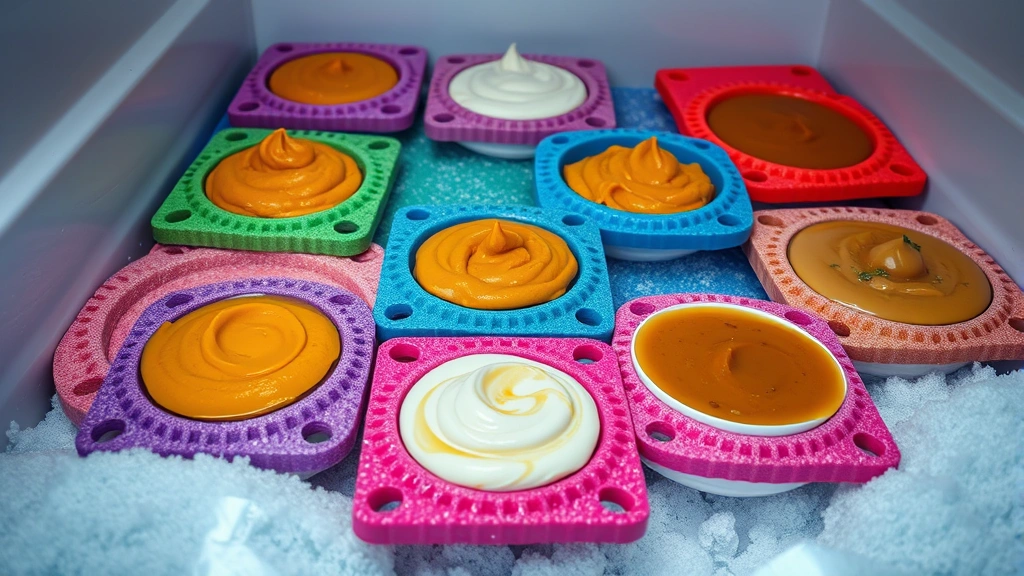
Here’s where things get interesting: freezing your lick mat contents extends the licking experience significantly. A room-temperature peanut butter spread might last 5 minutes; a frozen version? Try 30-45 minutes. This is peak genius-level pet parenting right here.
The freezing process is simple: spread your chosen food across the mat, pop it in the freezer for 4-6 hours (or overnight), and boom—you’ve got an extended entertainment solution. Frozen bone broth with some shredded chicken? Your dog will think you’re the greatest human alive. Frozen yogurt with berries for your cat? Slightly less enthusiasm, but they’ll still appreciate the effort.
Pro tip: make multiple frozen lick mats at once. Store them in the freezer and rotate them throughout the week. This saves you time and ensures you always have a backup ready to go. It’s like meal prepping, but for your pet’s mental health.
Seasonal Adjustments to Your Lick Mat Feeding Schedule
Weather plays a surprisingly important role in your lick mat strategy. During hot summers, frozen lick mats become cooling treats—essentially a two-for-one situation where your pet gets entertainment AND temperature relief. During winter, you might lean toward room-temperature spreads or shorter sessions since your pet probably isn’t overheating.
Seasonal changes in your pet’s activity levels also matter. If your dog spends more time indoors during winter, you might increase lick mat frequency to compensate for reduced outdoor stimulation. Summer? Maybe dial it back slightly since they’re getting more natural enrichment from outdoor activities.
Nutritional Considerations for Lick Mat Contents
Not all spreads are created equal, and your lick mat feeding schedule should reflect your pet’s overall nutritional plan. If you’re using high-calorie options like peanut butter, you need to reduce their regular meals accordingly. A tablespoon of peanut butter is roughly 95 calories—that’s not insignificant for a small dog.
According to PetMD, healthy lick mat options include plain Greek yogurt, pumpkin puree, wet dog food, and bone broth. Avoid anything with xylitol (toxic to dogs), chocolate, or excessive salt. Your pet’s health is the priority here, not just their entertainment.
If you’re looking to optimize your pet’s overall wellness, exploring pet supplement starter kits can complement your lick mat routine. A well-nourished pet is a happy pet, and that happiness shows in their enthusiasm for lick mat sessions.
Age-Specific Lick Mat Feeding Schedules
Puppies (8 weeks to 6 months) benefit from 2-3 short lick mat sessions daily. Their developing brains need stimulation, but their attention spans are short. Keep sessions to 10 minutes max. Use softer spreads since their teeth are still developing.
Adult dogs (1-7 years) can handle 1-2 daily sessions of 15-30 minutes each. This is the sweet spot for most dogs—they have the focus for extended licking and benefit most from the mental enrichment.
Senior dogs (7+ years) might prefer one longer session or two shorter ones, depending on their energy levels. Some seniors love the routine; others would rather nap. Respect their preferences while still providing enrichment.
Cats of all ages are typically less enthusiastic, but they can enjoy lick mats 2-3 times weekly. Shorter sessions (5-10 minutes) work best since cats have different attention spans than dogs.
Behavioral Benefits Beyond Entertainment
Here’s what makes lick mat feeding schedules genuinely game-changing: they’re not just about keeping your pet entertained. They’re about managing behavior, reducing anxiety, and supporting your pet’s mental health. A bored pet becomes a destructive pet. A mentally stimulated pet becomes a calm, happy pet.
The American Kennel Club (AKC) recognizes enrichment activities like lick mat use as essential for preventing behavioral problems. Dogs that receive adequate mental stimulation are less likely to develop separation anxiety, destructive chewing habits, or excessive barking. It’s preventative care in its most delicious form.
If your pet struggles with anxiety, combining your lick mat schedule with preventative care supplements creates a holistic wellness strategy. You’re addressing both the mental and physical aspects of their wellbeing.
Common Mistakes to Avoid With Lick Mats
The most common mistake? Using lick mats as a substitute for actual exercise and training. A lick mat is a supplement to a healthy lifestyle, not a replacement. Your dog still needs walks, playtime, and training sessions. Think of lick mats as the dessert, not the main course.
Another mistake is not accounting for calories. If your pet starts gaining weight and you’re confused why, check your lick mat ingredients and frequency. Those calorie-dense spreads add up quickly.
Don’t forget about hygiene either. Wash your lick mats regularly, especially if you’re using wet foods. Bacteria can grow in those grooves, and nobody wants a sick pet.
Finally, avoid forcing your pet to use a lick mat if they genuinely don’t enjoy it. Some pets prefer other enrichment methods. That’s okay. Not every pet is a lick mat enthusiast, and forcing the issue just creates frustration.
Creating Your Personalized Lick Mat Feeding Schedule
Start by observing your pet’s natural rhythms. When are they most bored? When do they have the most energy? When would a distraction be most helpful? Your answers to these questions form the foundation of your schedule.
Next, choose your spreads wisely. If your pet has dietary restrictions, work within those parameters. If they’re on a specific diet, consult your vet before introducing new foods via lick mats. Some pets have sensitive stomachs, and unexpected ingredients can cause issues.
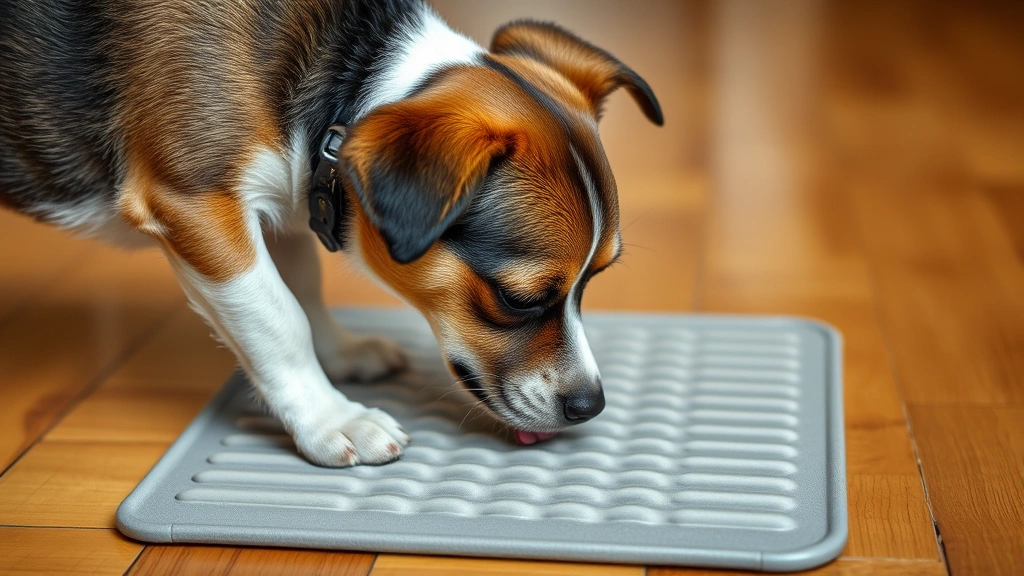
Then, establish consistency. Pick specific times for lick mat sessions and stick to them. Your pet’s brain will start anticipating these sessions, which actually increases their value. Anticipation is half the fun.
Finally, rotate your spreads and flavors. Variety keeps things interesting. One day it’s peanut butter, the next it’s pumpkin, then yogurt. Your pet won’t get bored, and you won’t either.
For pets that need additional support, over the counter pet supplements can enhance overall wellness alongside your enrichment routine.
Frequently Asked Questions
How often should I use lick mats in my pet’s feeding schedule?
Most pets benefit from 1-2 lick mat sessions daily, each lasting 10-30 minutes depending on age and activity level. Puppies and highly active dogs might benefit from more frequent sessions, while senior pets might prefer one longer session. The key is consistency and moderation.
Can lick mats replace regular meals?
Absolutely not. Lick mats are enrichment tools, not meal replacements. You need to account for any calories from lick mat spreads and adjust regular meals accordingly. Your pet still needs balanced nutrition from their primary diet.
What’s the best food to use on lick mats?
Safe options include plain Greek yogurt, pumpkin puree, wet dog food, bone broth, and xylitol-free peanut butter. Avoid anything toxic like chocolate, grapes, onions, or foods containing xylitol. When in doubt, ask your veterinarian.
Are frozen lick mats better than room temperature ones?
Frozen lick mats extend engagement time significantly and provide cooling relief during hot weather. Room-temperature mats work fine too, just with shorter engagement periods. Use frozen versions for extended entertainment and temperature regulation.
How do I clean lick mats properly?
Wash them with hot soapy water after each use, or throw them in the dishwasher if they’re dishwasher-safe. Those grooves can harbor bacteria, so thorough cleaning is essential. Let them dry completely before storing.
Can cats use lick mats?
Yes, but with different expectations. Cats are typically less enthusiastic than dogs about licking. Offer lick mats 2-3 times weekly with cat-appropriate spreads like wet food or diluted bone broth. Keep sessions short (5-10 minutes).
Conclusion: Making Lick Mats Part of Your Pet’s Wellness Routine
A well-planned lick mat feeding schedule is one of the simplest yet most effective tools for pet enrichment and behavioral management. It’s not complicated—it just requires consistency, thoughtful ingredient selection, and an understanding of your individual pet’s needs.
The beauty of lick mats is their simplicity combined with their effectiveness. You’re not spending hundreds on fancy equipment or complicated training programs. You’re using basic materials to engage your pet’s natural instincts and keep their brain happy. That’s legitimate genius-level pet parenting.
Whether you’re dealing with a bored puppy, an anxious adult dog, or a senior pet who needs mental stimulation without physical exertion, lick mats deliver. Pair them with regular exercise, quality nutrition, and appropriate supplementation when needed, and you’ve got a comprehensive wellness strategy that your pet will genuinely enjoy.
Start small, observe your pet’s response, adjust as needed, and watch your furry friend transform into the happiest, most content version of themselves. That’s what it’s all about.





