
Listen, we get it—your dog gives you those eyes while you’re eating dinner, and suddenly you’re wondering if sharing your meal is actually the worst thing ever. The good news? Low-fat human food options can genuinely be safe for your furry friend, and some are downright beneficial. But before you start tossing chicken scraps like confetti, let’s talk about what actually works and what’ll send your vet into a concerned monologue.
Table of Contents
- Why Low-Fat Foods Matter for Your Pet
- Chicken Breast: The MVP of Pet Snacks
- Turkey: The Thanksgiving Treat That Works Year-Round
- Fish: Omega-3 Powerhouse (In Moderation)
- Eggs: The Complete Protein Package
- Lean Ground Beef: When You Want Something Hearty
- Sweet Potatoes: The Carb That Actually Does Something
- Green Beans: The Veggie Your Pet Actually Needs
- Carrots: Crunchy and Surprisingly Nutritious
- Plain Pumpkin: The Digestive Game-Changer
- Chicken Broth: The Flavor Booster That’s Actually Healthy
- How Much Human Food Is Too Much?
- Foods to Absolutely Avoid
- Transitioning Your Pet to New Foods
- Frequently Asked Questions
- The Bottom Line
Why Low-Fat Foods Matter for Your Pet
Your pet’s digestive system isn’t exactly built like yours. While you can handle a greasy pizza slice without much drama, your dog or cat might end up with pancreatitis or other digestive nightmares. That’s where lean, low-fat human food options come in. They’re gentler on the stomach and won’t spike your pet’s calorie intake through the roof. This is especially important if you’re working on weight management feeding or trying to prevent pet obesity prevention issues.
Vets consistently recommend lean proteins and whole foods as supplements to regular pet food—not replacements. Think of them as healthy treats that actually contribute something nutritional rather than empty calories.
Chicken Breast: The MVP of Pet Snacks
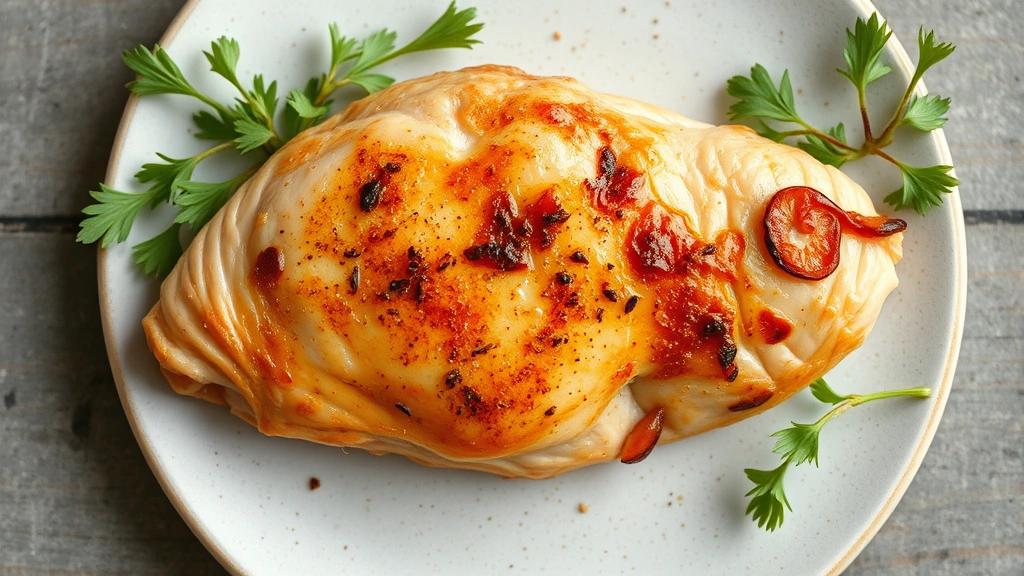
Plain, cooked chicken breast is basically the golden standard. No seasoning, no skin, no drama. It’s packed with protein, low in fat, and most pets lose their minds for it. You can boil it, bake it, or grill it—just keep it plain. Seriously, skip the garlic, onions, and salt. Your pet doesn’t need a flavor profile; they just need to feel like they’re eating something special from your plate.
Cut it into appropriate sizes based on your pet’s mouth. A Chihuahua gets tiny pieces; a Great Dane can handle chunkier portions. Store cooked chicken in the fridge for up to three days, or freeze it for later.
Turkey: The Thanksgiving Treat That Works Year-Round
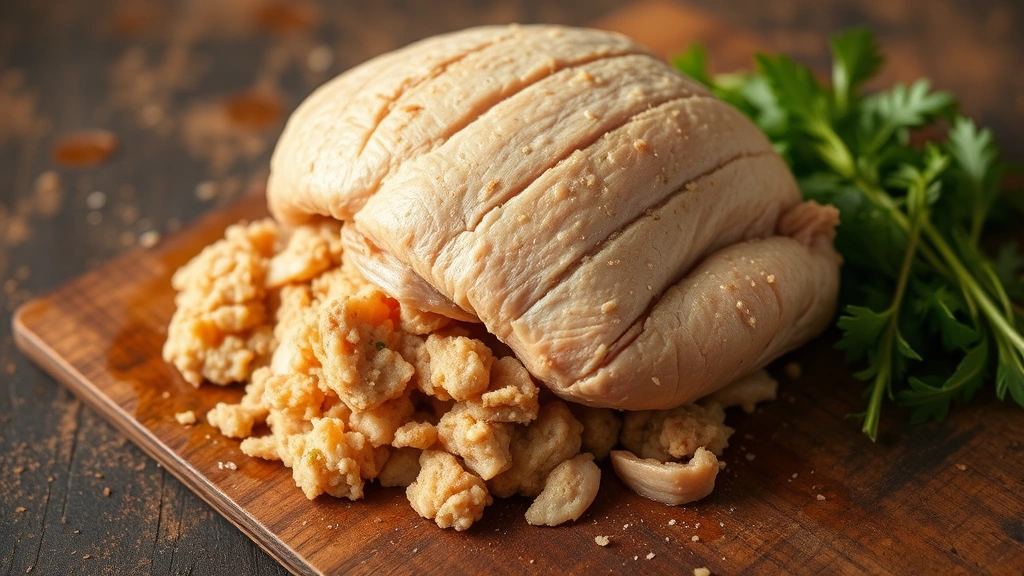
Ground turkey or turkey breast offers the same lean protein benefits as chicken with slightly different micronutrients. It’s particularly good for dogs with chicken sensitivities, though that’s rare. Cook it plain—no seasoning, no oil. You can brown it in a pan with just water if you want to add some flavor without the fat.
Turkey is especially helpful if you’re managing your pet’s daily calorie requirements for cats or optimizing nutrition for weight management.

Fish: Omega-3 Powerhouse (In Moderation)
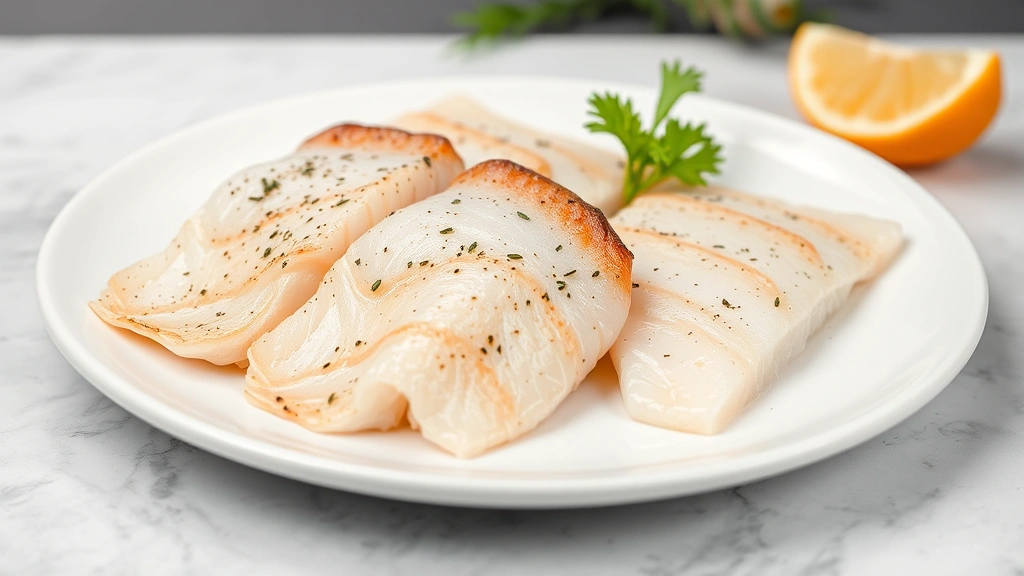
Salmon and other fatty fish are loaded with omega-3s, but here’s the catch—they’re not exactly low-fat. However, white fish like cod or tilapia? That’s your lean protein winner. Serve it cooked, boneless, and plain. The omega-3s from fish support coat health and cognitive function, making it worth the occasional inclusion.
Pro tip: Never serve raw fish to your pet. Cook it thoroughly to eliminate parasites and bacteria. A small piece once or twice a week is plenty.

Eggs: The Complete Protein Package
Hard-boiled eggs are nutritional powerhouses—complete proteins with all essential amino acids. One egg has about 5 grams of fat, which is reasonable for a treat. Scrambled eggs work too, but skip the butter and milk. Just cook them in a non-stick pan with water or a tiny bit of olive oil.
Eggs are particularly useful when you’re supplementing your pet’s diet with whole foods. They’re shelf-stable (in the fridge), easy to portion, and universally loved by dogs and cats alike.
Lean Ground Beef: When You Want Something Hearty
Not all beef is created equal. Ground beef that’s 93% lean or higher qualifies as a low-fat option. Brown it in a pan without added oil, drain any excess fat, and serve plain. This is perfect for picky eaters or for mixing with regular kibble to make dinner more exciting.
The key is draining thoroughly. Even lean beef releases some fat during cooking, so don’t skip this step if you’re trying to keep fat intake minimal.
Sweet Potatoes: The Carb That Actually Does Something
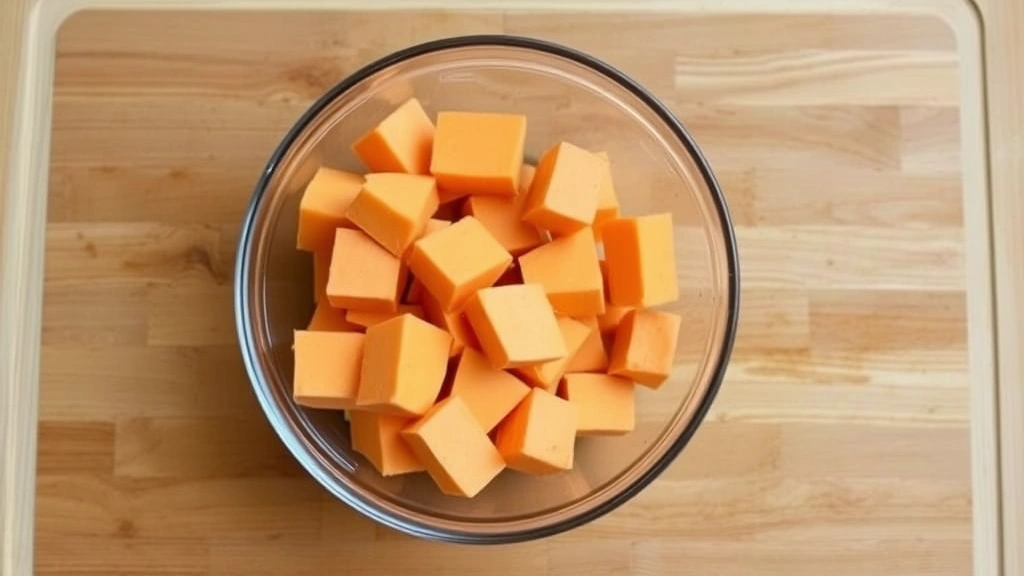
While technically not a protein, sweet potatoes are loaded with fiber, vitamins, and minerals. They’re naturally low-fat and provide sustained energy. Bake or boil them plain, cut into appropriate sizes, and serve. Some pets prefer them slightly cooled.
Sweet potatoes are great for digestive health and can help with satiety if your pet is on a high-energy dog food needs program. They add bulk to meals without adding much fat.
Green Beans: The Veggie Your Pet Actually Needs
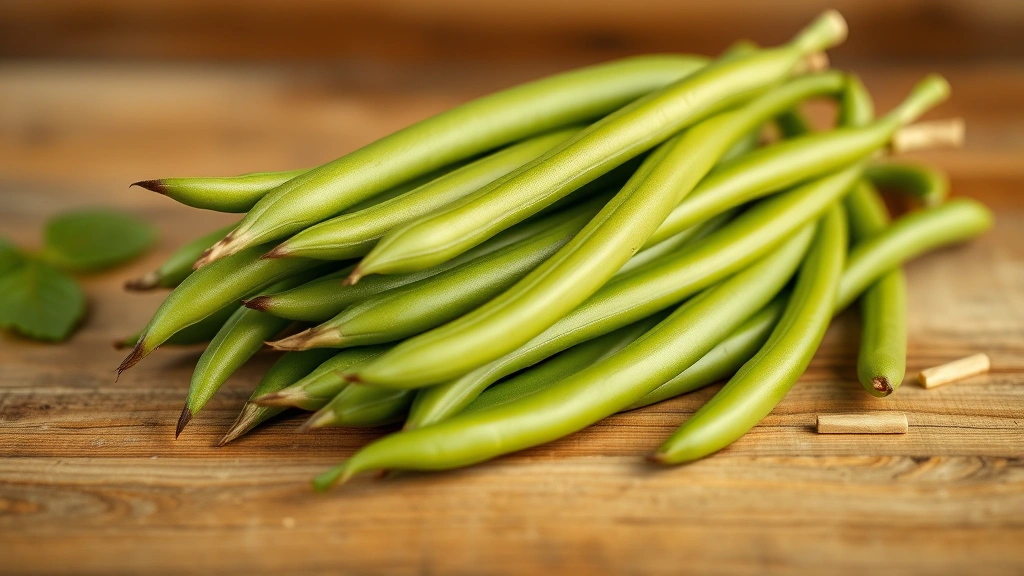
Fresh green beans are about 90% water and packed with nutrients. They’re incredibly low in fat and calories, making them perfect for pets that need to lose weight. Serve them raw, steamed, or boiled—plain, obviously. No salt, no butter.
Green beans are particularly useful for creating a feeling of fullness without adding significant calories. Many vets recommend them for weight management because they’re so nutrient-dense and low-calorie.

Carrots: Crunchy and Surprisingly Nutritious
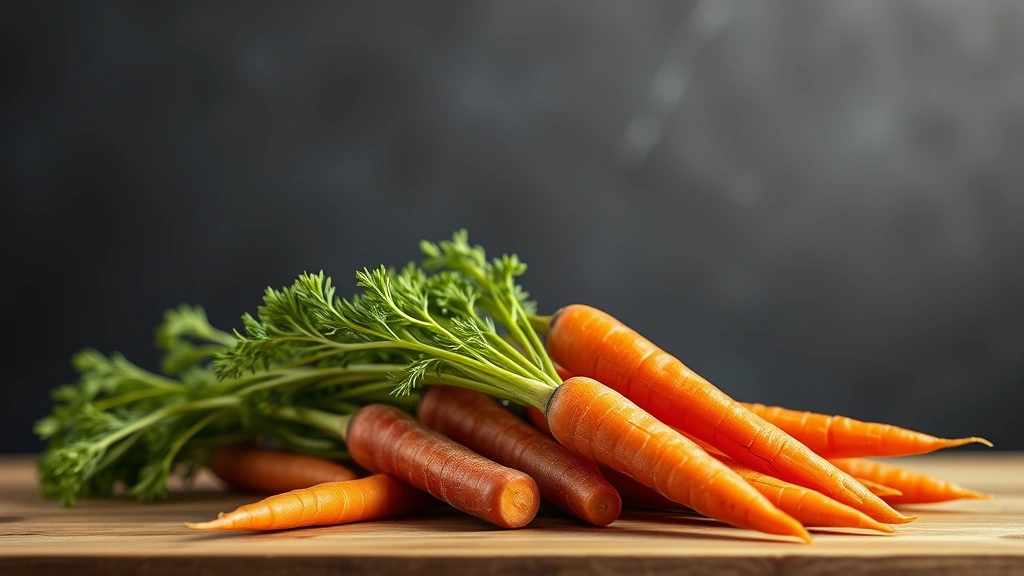
Raw carrots are low-fat, low-calorie, and great for dental health. They satisfy the chewing urge and provide beta-carotene. Slice them into appropriate sizes—whole carrots can be choking hazards for smaller pets. Cooked carrots are softer and easier to digest but lose some nutritional value.
Carrots are one of the safest options to share, and most pets find them genuinely interesting. They’re also budget-friendly compared to fancy pet treats.

Plain Pumpkin: The Digestive Game-Changer
Canned pumpkin (not pie filling) is incredibly low-fat and loaded with fiber. It supports digestive health, helps with both constipation and diarrhea, and most pets tolerate it well. A tablespoon mixed into regular food a few times a week is plenty.
Pumpkin is particularly useful when you’re adjusting your pet’s pet food consistency or dealing with minor digestive issues. It’s also cheap and shelf-stable.

Chicken Broth: The Flavor Booster That’s Actually Healthy
Low-sodium chicken broth (or bone broth) is basically pure collagen and minerals with minimal fat. Use it to moisten dry kibble or serve as a light snack. Make sure it’s labeled low-sodium and contains no onions or garlic.
Bone broth has become trendy for good reason—it supports joint health and provides hydration. It’s particularly useful for older pets or those on raw feeding schedule protocols.

How Much Human Food Is Too Much?
Here’s where people mess up: they think “healthy food” means they can give unlimited amounts. Wrong. Human food should comprise no more than 10% of your pet’s daily caloric intake. The other 90% should come from balanced commercial pet food or a vet-approved homemade diet.
For a 50-pound dog eating about 1,000 calories daily, that means maximum 100 calories from human food. A cup of cooked chicken breast is roughly 280 calories, so you’re looking at a small portion. Track it like you’re counting your own calories.

Foods to Absolutely Avoid
Before you get excited about sharing, understand that some human foods are toxic to pets. Avocado, chocolate, grapes, raisins, onions, garlic, macadamia nuts, and xylitol (artificial sweetener) are all dangerous. Even small amounts can cause serious problems.
Fatty foods like bacon, sausage, and fried anything are off-limits too. They might not be immediately toxic, but they’ll cause pancreatitis or other digestive disasters. Your pet’s liver and pancreas aren’t designed for that level of fat.

Transitioning Your Pet to New Foods
If your pet is used to plain kibble and you’re suddenly introducing human food, go slow. Mix a tiny amount into their regular food and gradually increase over a week or two. This prevents digestive upset and helps you identify any food sensitivities.
Watch for vomiting, diarrhea, or changes in appetite. If something doesn’t agree with your pet, eliminate it and try something else. Every pet is unique, and what works for your neighbor’s dog might not work for yours.
Frequently Asked Questions
Can cats eat the same low-fat human foods as dogs?
Mostly yes, but cats are pickier and have different nutritional needs. They’re obligate carnivores, so focus on lean proteins like chicken and turkey. Skip the vegetables—cats don’t need them and often won’t eat them anyway. Always check with your vet before introducing new foods to cats, especially if they have existing health conditions.
Is it okay to give my pet human food every day?
Yes, as long as it stays within that 10% caloric limit and you’re tracking portions carefully. Some pets do great with daily supplements of lean protein and vegetables. Others develop digestive issues or become picky eaters. Monitor your pet’s weight, energy levels, and digestion to determine what works.
What’s the safest way to prepare human food for pets?
Cook everything thoroughly, serve it plain (no seasoning, oil, or salt), remove all bones, and cut it into appropriate sizes. Cool it to room temperature before serving. Store leftovers in the fridge for up to three days or freeze for later. Never serve raw meat unless you’re following a vet-approved raw feeding protocol.
Can I give my pet leftovers from my dinner?
Only if they’re plain and low-fat. Most dinner foods contain seasonings, oils, or ingredients that aren’t safe for pets. That seasoned chicken with garlic and butter? Nope. The plain baked chicken breast without salt? Sure, in moderation. When in doubt, skip it.
How do I know if my pet has a food sensitivity?
Watch for itching, ear infections, vomiting, diarrhea, or excessive gas within 24-48 hours of eating something new. If you notice any of these signs, eliminate that food and go back to basics. Keep a food journal if your pet seems sensitive to multiple things—it’ll help your vet identify patterns.
Should I completely replace commercial pet food with human food?
Absolutely not. Commercial pet food is formulated to meet all your pet’s nutritional needs with precise ratios of proteins, fats, vitamins, and minerals. Homemade diets require veterinary oversight and careful planning to avoid nutritional deficiencies. Use human food as supplements, not replacements, unless your vet specifically recommends otherwise.
The Bottom Line
Low-fat human food options can genuinely enhance your pet’s diet when used correctly. Lean proteins like chicken, turkey, and fish provide real nutritional value. Vegetables like green beans and carrots add fiber and nutrients without excessive calories. The key is moderation, proper preparation, and tracking portions.
Your pet doesn’t need fancy homemade meals or constant variety. They need consistent nutrition, appropriate portion sizes, and the occasional treat that makes them feel special. Plain cooked chicken breast will do more for your pet’s health than any gourmet recipe.
Always consult your vet before making significant dietary changes, especially if your pet has existing health conditions, allergies, or is on a prescription diet. What works for one pet might not work for another, and professional guidance ensures you’re making the best choices for your specific animal.
So next time those puppy eyes come out during dinner, you’ll know exactly what you can share—and what should stay firmly on your plate.





