

If your furry best friend has been diagnosed with kidney disease or your vet has recommended low protein dog food, you’re probably wondering what the heck that means and why your pup can’t just keep eating their regular kibble. Well, buckle up—we’re about to dive into everything you need to know about feeding your four-legged companion a kidney-friendly diet.
Table of Contents
- Why Your Dog Might Need Low Protein Dog Food
- Understanding Protein Requirements for Renal Health
- The Best Low Protein Dog Food Options on the Market
- What to Look For When Choosing a Renal Diet
- Transitioning Your Dog to Low Protein Food
- Monitoring Your Dog’s Progress on a Renal Diet
- Common Mistakes Pet Parents Make with Renal Diets
- Cost Considerations and Budget-Friendly Alternatives
- When to Adjust the Diet
- Combining Diet with Other Kidney Disease Management Strategies
- Frequently Asked Questions
- Final Thoughts: Supporting Your Dog’s Kidney Health
Why Your Dog Might Need Low Protein Dog Food
So here’s the deal: when dogs have kidney issues, their kidneys can’t filter waste as efficiently as they used to. Protein metabolism creates nitrogen waste that the kidneys have to process and eliminate through urine. When kidneys are struggling, feeding a low protein diet for dogs reduces that workload, giving those hardworking organs a much-needed break. It’s like putting your kidneys on a spa day—less work, more relaxation.
Conditions like chronic kidney disease (CKD), acute kidney injury, or other renal issues often warrant a switch to lower protein options. Your vet might also recommend this for dogs with certain liver conditions or urinary issues. The key is working with your veterinarian to determine if your dog actually needs this dietary adjustment, because not all dogs do.
Understanding Protein Requirements for Renal Health
Here’s where it gets interesting: healthy dogs need about 18-25% protein in their diet. But dogs with kidney problems? They typically need to drop down to around 10-14% protein. Some therapeutic diets go even lower, depending on the severity of the condition. It’s not about eliminating protein entirely—your dog still needs amino acids to maintain muscle mass and overall health. It’s about finding that sweet spot where kidneys aren’t overwhelmed but your pup still gets adequate nutrition.

The quality of protein matters too. Your vet might recommend pet nutrition advice that focuses on high-quality, easily digestible proteins. This means less strain on the kidneys while still providing essential amino acids.
The Best Low Protein Dog Food Options on the Market
Let’s talk about five solid options that veterinarians frequently recommend for dogs needing kidney support:
1. Hill’s Prescription Diet k/d – This is the gold standard that vets have been prescribing for decades. It’s formulated specifically for kidney disease with controlled protein levels and reduced sodium and phosphorus. It’s not cheap, but it’s clinically proven to support kidney function.

2. Royal Canin Renal Support – Another veterinary-approved option that comes in both wet and dry formulas. It’s designed to help manage clinical signs of chronic kidney disease while maintaining nutritional balance.
3. Purina Pro Plan Veterinary Diets NF – This prescription formula is specifically designed for dogs with kidney or heart disease. It’s got controlled levels of protein, phosphorus, and sodium—basically the holy trinity for kidney health.
4. Prescription Diet Canine k/d with Chicken – If your dog is tired of the same old kibble, this chicken-flavored option might be more palatable. Some dogs are pickier eaters, and taste matters when you’re trying to get them to eat their therapeutic diet.

5. HomeCooked Diet Under Veterinary Supervision – Some pet parents prefer making homemade meals for their pups. If you go this route, work with a veterinary nutritionist to ensure the recipe meets all of your dog’s nutritional needs while keeping protein low.
What to Look For When Choosing a Renal Diet
Not all low protein dog food is created equal. When you’re shopping for kidney-friendly options, keep these factors in mind:
Phosphorus Content: Kidneys struggle to regulate phosphorus, so look for foods with restricted phosphorus levels (typically under 0.4% on a dry matter basis).
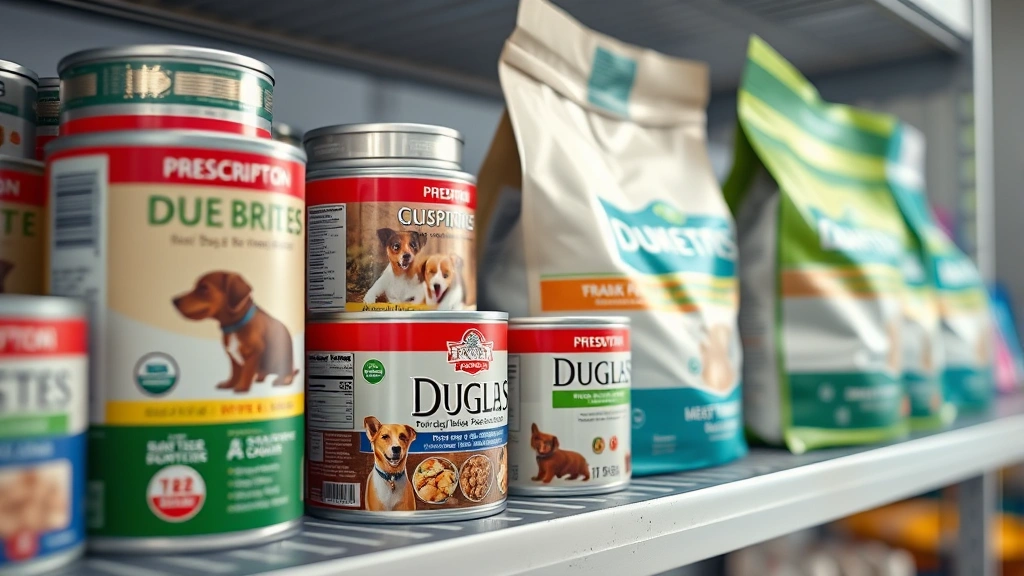
Sodium Levels: High sodium can increase blood pressure and stress the kidneys further. Lower sodium formulas are generally better for renal patients.
Omega-3 Fatty Acids: These anti-inflammatory fats can help protect remaining kidney function. Many therapeutic diets include fish oil or flaxseed for this reason.
Digestibility: Higher quality, more digestible proteins mean less waste for the kidneys to process. Look for foods with named meat sources rather than vague “meat by-products.”

According to the Association of American Feed Control Officials (AAFCO), therapeutic pet foods must meet specific nutritional standards. Always check that any food you choose meets AAFCO standards for your dog’s life stage.
Transitioning Your Dog to Low Protein Food
Here’s where patience is your best friend. You can’t just swap out the old kibble for the new stuff overnight—that’s a one-way ticket to digestive upset city. Transition gradually over 7-10 days, mixing increasing amounts of the new food with the old food.
Day 1-2: 75% old food, 25% new food
Day 3-4: 50% old food, 50% new food
Day 5-6: 25% old food, 75% new food
Day 7-10: 100% new food

Some dogs are drama queens about food changes, so you might need to stretch this timeline out even longer. If your pup refuses to eat, contact your vet—they might have suggestions to make the transition smoother.
Monitoring Your Dog’s Progress on a Renal Diet
Once your dog is on their new kidney-friendly diet, regular monitoring is crucial. Your vet will likely want to check bloodwork every 3-6 months initially to see how the kidneys are responding. You’re looking for improvements in creatinine and blood urea nitrogen (BUN) levels—basically, signs that the kidneys are handling their workload better.
Keep an eye on your dog’s overall condition too. Are they maintaining a healthy weight? Do they have more energy? Is their coat looking good? These are all positive signs that the diet is working. Human foods for pets with kidney disease can sometimes supplement the diet, but always check with your vet first before adding anything to their meals.

Common Mistakes Pet Parents Make with Renal Diets
Let’s be real—even the best-intentioned dog parents mess this up sometimes. Here are the biggest mistakes to avoid:
Sneaking High-Protein Treats: Your dog gives you those puppy dog eyes, and suddenly they’re getting table scraps or high-protein treats. Nope. This completely undermines the therapeutic diet. Stick to approved low-protein treats or ask your vet what’s safe.
Mixing Multiple Foods: Therapeutic diets work best when they’re the primary food source. Mixing in other foods can throw off the nutritional balance.

Not Following Vet Recommendations: Your vet isn’t being a killjoy by recommending a specific diet. They’re trying to help your dog live longer and feel better. Trust the process.
Forgetting About Supplements: Some dogs on renal diets need additional supplements like phosphate binders or potassium supplements. Don’t skip these if your vet recommends them.
Cost Considerations and Budget-Friendly Alternatives
Let’s talk about the elephant in the room: therapeutic diets are expensive. Prescription kidney diets can cost two to three times more than regular dog food. If cost is a concern, talk to your vet about options. Some vets work with virtual vet consultation for diet questions to help pet parents navigate dietary choices within their budget.

Some pet insurance plans cover prescription diets, so check your policy. Additionally, your vet might be able to recommend more affordable alternatives that still meet your dog’s nutritional needs. Just remember: skimping on diet quality might save you money now but could cost you more in veterinary bills later.
When to Adjust the Diet
Your dog’s nutritional needs aren’t static. As their kidney disease progresses or improves, dietary adjustments might be necessary. This is another reason regular vet checkups are non-negotiable. Your vet might recommend increasing or decreasing protein levels, adjusting phosphorus content, or switching to a different formula based on bloodwork results and your dog’s clinical signs.
Some dogs respond beautifully to dietary management and can stabilize their kidney function for years. Others might need medication adjustments alongside diet changes. It’s all about customizing the approach to your individual dog’s needs.

Combining Diet with Other Kidney Disease Management Strategies
Here’s the truth: low protein dog food is just one piece of the kidney health puzzle. Your vet might also recommend medications like ACE inhibitors to protect kidney function, phosphate binders to manage mineral levels, or blood pressure medications. Some dogs benefit from increased water intake, which helps flush the kidneys. According to PetMD, a comprehensive approach combining diet, medication, and lifestyle modifications yields the best outcomes for dogs with chronic kidney disease.
Regular exercise (appropriate to your dog’s condition), stress reduction, and maintaining a healthy weight all play supporting roles in kidney health management. It’s a team effort between you, your vet, and your pup’s body.
Frequently Asked Questions
Can a dog survive on low protein food long-term?
Absolutely. Dogs with kidney disease can live for years on a properly formulated low protein diet. The key is ensuring the diet still provides all essential amino acids and nutrients. Your vet will monitor your dog’s health regularly to make sure the diet is working well.

Is low protein dog food only for kidney disease?
Mostly, yes. Low protein diets are primarily recommended for kidney disease, but they’re sometimes used for liver disease, certain urinary conditions, or other specific health issues. Always follow your vet’s recommendation rather than self-diagnosing.
Can I make homemade low protein dog food?
You can, but you absolutely need guidance from a veterinary nutritionist. Homemade diets are notoriously unbalanced, and missing even one essential nutrient can cause serious health problems. Work with a professional to ensure the recipe is complete and balanced.
How long does it take to see improvement on a renal diet?
Some dogs show improvement within weeks, while others take months. Bloodwork usually shows changes before you notice clinical improvements. Be patient and trust the process—your vet will let you know if the diet isn’t working after a reasonable trial period.
What if my dog won’t eat the prescribed food?
This is frustrating but solvable. Try warming the food, mixing in a small amount of low-sodium broth, or switching between wet and dry formulas. If your dog still refuses, contact your vet immediately. There might be palatability tricks or alternative diets to try.
Can I supplement a regular diet instead of switching to prescription food?
No. Supplements can’t replicate the carefully balanced formulation of a therapeutic diet. If your vet recommends a low protein diet, that’s what your dog needs. Vet-approved human foods for pets can be occasional additions, but they shouldn’t replace the therapeutic diet.
Final Thoughts: Supporting Your Dog’s Kidney Health
Switching your dog to low protein dog food might feel like a major life change, but it’s actually one of the most loving things you can do for a pup with kidney issues. You’re actively working to slow disease progression and improve their quality of life. That’s pretty amazing.
Remember, kidney disease is manageable with the right approach. Work closely with your veterinarian, stay consistent with the diet, attend regular checkups, and don’t hesitate to ask questions. Your dog is counting on you to be their health advocate, and choosing the right food is a huge part of that role. Here’s to many more happy years with your furry friend!





