
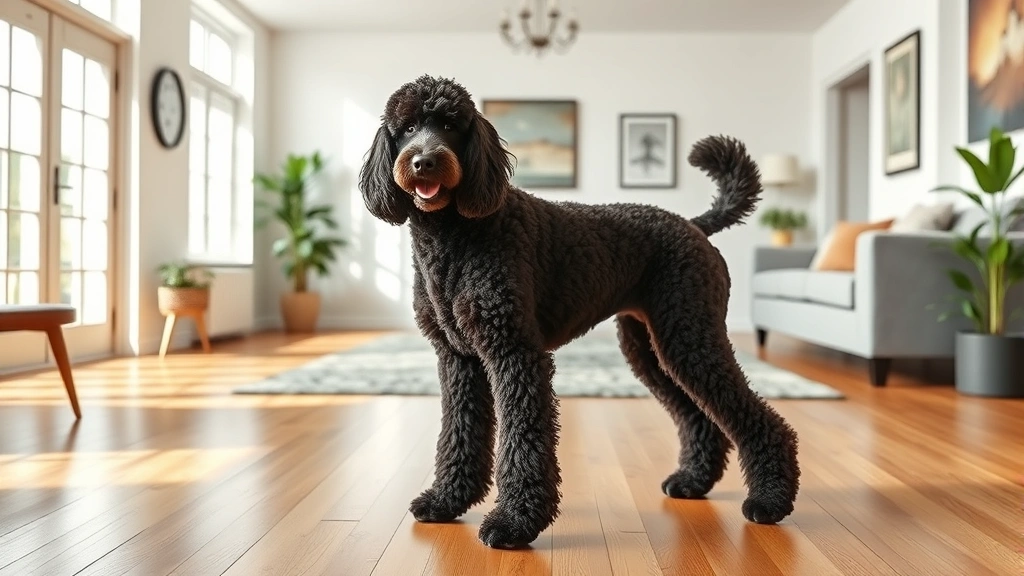
If you’re searching for low shedding dog breeds, you’ve probably already vacuumed your furniture three times this week and still found hair in places you didn’t know hair could go. The good news? There are genuinely fantastic dog breeds that won’t turn your home into a fur factory. Whether you’re dealing with allergies or just tired of looking like you’re wearing a dog-hair sweater, we’ve got the scoop on the best hypoallergenic pups that’ll keep your couch cleaner and your sneeze count lower.
Table of Contents
- What Makes a Dog “Low Shedding”?
- Poodles: The Curly-Haired Royalty
- Portuguese Water Dogs: The Athletic Non-Shedders
- Bichon Frises: Tiny Fluffballs with Big Personalities
- Maltese Dogs: Elegant and Hair-Free
- Schnauzers: The Bearded Guardians
- Irish Water Spaniels: Curly-Coated Athletes
- Soft Coated Wheaten Terriers: The Friendly Wheaten
- Afghan Hounds: Glamorous and Low-Shedding
- Xoloitzcuintli: The Hairless Wonder
- Grooming Requirements and Maintenance
- Health Considerations for Low-Shedding Breeds
- Cost and Availability
- Frequently Asked Questions
- Conclusion: Finding Your Perfect Low-Shedding Companion
What Makes a Dog “Low Shedding”?
Before we dive into our furry lineup, let’s talk about what actually makes a dog “low shedding.” Here’s the thing: no dog is truly 100% hypoallergenic (sorry to burst that bubble), but some breeds shed significantly less than others. Dogs with curly, wiry, or hair-like coats instead of double coats tend to trap loose hair closer to their skin rather than letting it tumble onto your black pants. The keyword here is “low shedding dog breeds”—these pups have hair that grows continuously but doesn’t shed like a husky in springtime.
Poodles: The Curly-Haired Royalty
Let’s start with the undisputed champions of the low-shedding world: Poodles. These intelligent, athletic dogs come in three sizes—Standard, Miniature, and Toy—so you can pick your perfect companion. Their curly, dense coat is basically a hair-trapping machine. The catch? They need regular grooming (we’re talking every 4-6 weeks) to keep those curls from matting. Check out our guide on Caniche Dog for Sale to learn more about this elegant breed. Poodles are also incredibly smart, making them easy to train and perfect for first-time dog owners who want a low-shedding companion.
Portuguese Water Dogs: The Athletic Non-Shedders
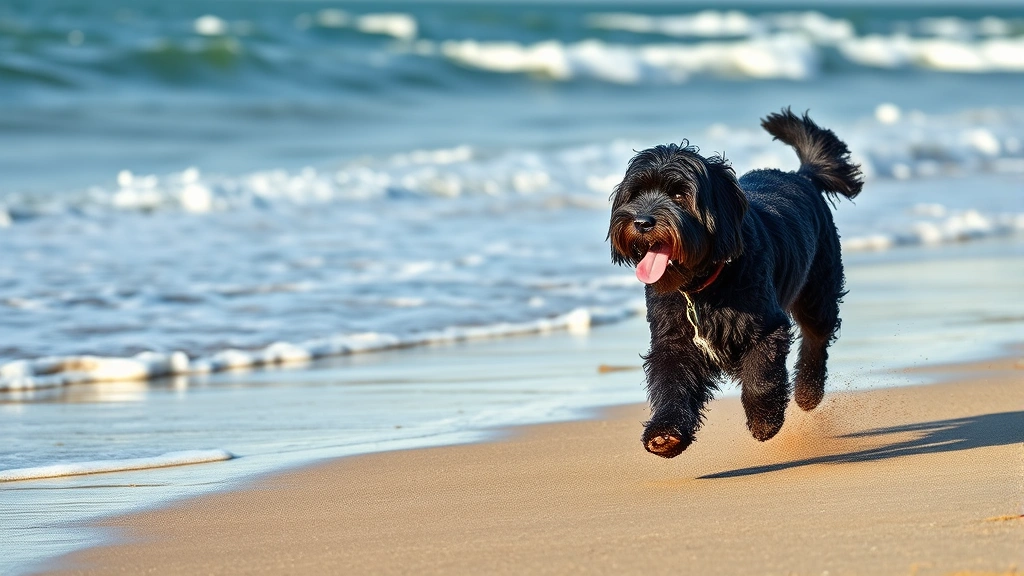
Want a dog that’s both low-shedding and ready for adventure? Portuguese Water Dogs are your answer. Originally bred to help fishermen in Portugal, these medium-sized pups have a waterproof, curly or wavy coat that sheds minimally. They’re energetic, loyal, and absolutely love being part of family activities. Fair warning: they need regular exercise and mental stimulation, or they’ll get bored and destructive. But if you’re an active person looking for low shedding dog breeds, these guys are golden.
Bichon Frises: Tiny Fluffballs with Big Personalities
Don’t let their small size fool you—Bichon Frises pack enormous personality into their compact frames. Their fluffy white coat is hypoallergenic and sheds very little, though it does require regular grooming to maintain that cloud-like appearance. These little dogs are perfect for apartment living and absolutely thrive on human companionship. They’re also surprisingly sturdy for their size and love playtime. If you want a lap dog that won’t leave a trail of hair behind, Bichons are worth serious consideration.
Maltese Dogs: Elegant and Hair-Free
Maltese dogs are another toy breed that belongs on any low-shedding list. These elegant little creatures have long, silky hair that sheds minimally and requires consistent grooming to keep looking pristine. They’re gentle, affectionate, and perfect for seniors or people with limited mobility who want a companion that doesn’t demand intense exercise. According to the American Kennel Club, Maltese dogs have been beloved companions for centuries, and their hypoallergenic qualities make them even more appealing to modern pet owners.
Schnauzers: The Bearded Guardians
Schnauzers come in three sizes—Miniature, Standard, and Giant—and all of them sport distinctive beards and low-shedding coats. Their wiry, double coat is perfect for people with allergies, though it does need regular brushing and professional grooming to maintain its texture. Schnauzers are intelligent, spirited, and make excellent watchdogs. They’re loyal family members who form strong bonds with their humans and have a playful sense of humor that’ll keep you entertained.
Irish Water Spaniels: Curly-Coated Athletes
If you want a larger low shedding dog breed that’s ready for outdoor adventures, Irish Water Spaniels are phenomenal. These athletic dogs have tight, curly coats that shed minimally and actually repel water—a trait that comes in handy if you live near lakes or have a pool. They’re intelligent, eager to please, and absolutely love retrieving. Their size (45-68 pounds) makes them ideal for families with space and an active lifestyle. Regular grooming is necessary to keep their coat in top shape.
Soft Coated Wheaten Terriers: The Friendly Wheaten
These medium-sized dogs with silky, wheaten-colored coats are low-shedding superstars. Soft Coated Wheaten Terriers are known for their friendly, outgoing personalities and their tendency to greet everyone like a long-lost friend (even intruders, so they’re not great guard dogs). Their coat requires regular grooming but sheds minimally. They’re perfect for families who want a playful, affectionate dog that won’t leave hair all over the house. Learn more about proper nutrition for these active pups at our Pet Nutrition Advice guide.
Afghan Hounds: Glamorous and Low-Shedding
Afghan Hounds are the supermodels of the dog world—elegant, graceful, and absolutely stunning. Their long, silky coat sheds less than you’d expect and requires regular brushing and professional grooming to maintain its lustrous appearance. These independent, dignified dogs have a calm demeanor and are perfect for people who appreciate beauty and don’t mind investing time in grooming. They’re not the most obedient breed, but they’re undeniably gorgeous and great for low shedding dog breeds enthusiasts who value aesthetics.
Xoloitzcuintli: The Hairless Wonder
If you want to take “low shedding” to the extreme, consider the Xoloitzcuintli (Mexican Hairless Dog). These ancient dogs are literally hairless, making them the ultimate choice for allergy sufferers. They come in toy, miniature, and standard sizes. The downside? They need regular skin care, sunscreen protection, and sweaters in cold weather. They’re also somewhat aloof and require experienced dog owners who understand their unique needs. But if you’re committed to finding a truly hypoallergenic companion, these unique pups are worth researching.
Grooming Requirements and Maintenance
Here’s the reality check: most low shedding dog breeds require more grooming than high-shedding dogs. That curly or wiry coat that doesn’t shed? It needs regular professional grooming every 4-8 weeks, plus consistent home brushing. Budget for grooming costs—it’s a significant expense that many new owners underestimate. However, the trade-off is that you’ll spend less time vacuuming and more time enjoying your furry friend. Consider investing in quality grooming tools and finding a trusted groomer in your area. For nutritional support during grooming season, check out our Sustainable Dog Food recommendations.
Health Considerations for Low-Shedding Breeds
Low-shedding breeds can be prone to specific health issues related to their coat type. Poodles and Doodles sometimes struggle with ear infections due to hair growth in the ear canal. Schnauzers can develop skin sensitivities. Afghan Hounds may experience hip dysplasia. Before committing to any breed, research health testing, genetic screening, and common breed-specific conditions. Work with reputable breeders who conduct health testing on their parents. According to PetMD’s breed guide, understanding breed-specific health risks is crucial for responsible pet ownership.
Cost and Availability
Low-shedding breeds tend to be pricier than their high-shedding counterparts. Poodles, Doodles, and other hypoallergenic breeds are in high demand, which drives up prices. Expect to pay anywhere from $800 to $3,000+ for a puppy from a reputable breeder. For more information on breed pricing, explore our article on Costliest Breed of Dog. Adoption is also an excellent option—many low-shedding breeds end up in rescues and shelters. Check breed-specific rescue organizations in your area; you might find your perfect match for a fraction of the breeder price.
Frequently Asked Questions
Are low-shedding dogs truly hypoallergenic?
No dog is completely hypoallergenic. While low-shedding breeds produce fewer allergens and shed less dander, they can still trigger allergies in sensitive individuals. Allergens come from dander, saliva, and urine—not just shed hair. If you have severe allergies, spend time with the breed before committing to adoption.

Do low-shedding dogs require more grooming?
Yes, absolutely. Most low-shedding breeds need professional grooming every 4-8 weeks plus regular home brushing. This is a significant time and financial commitment. Budget accordingly before choosing a low-shedding breed.
Which low-shedding breed is best for first-time dog owners?
Bichon Frises and Poodles are excellent choices for first-time owners. They’re intelligent, trainable, and adaptable to various living situations. Start with a Miniature or Toy Poodle if you want something smaller and more manageable.
Can low-shedding dogs live in apartments?
Many low-shedding breeds adapt well to apartment living. Toy breeds like Maltese and Bichon Frises need minimal space. Larger breeds like Portuguese Water Dogs and Standard Poodles need regular exercise but can adapt if you provide adequate daily activity.
How much do low-shedding dogs cost?
Expect to pay $800-$3,000+ for a puppy from a reputable breeder. Adoption costs are typically $50-$300. Factor in grooming costs of $50-$150+ per appointment every 4-8 weeks.
What’s the difference between low-shedding and hypoallergenic?
“Low-shedding” means the dog sheds minimally. “Hypoallergenic” technically doesn’t exist for dogs, but it’s used to describe breeds that produce fewer allergens. Low-shedding breeds are often marketed as hypoallergenic, but they’re not completely allergen-free.
Conclusion: Finding Your Perfect Low-Shedding Companion
Choosing one of the best low shedding dog breeds is an excellent decision if you’re tired of fur-covered furniture and constant vacuuming. Whether you go with a glamorous Poodle, an athletic Portuguese Water Dog, or a tiny Maltese, you’re investing in a companion that’ll keep your home cleaner and your allergy symptoms lower. Remember that low-shedding doesn’t mean no-grooming—these breeds require consistent professional care and home maintenance. Do your research, connect with breed-specific communities, and consider adoption before purchasing from breeders. With the right breed match and proper care, you’ll enjoy years of companionship with a dog that actually respects your clean floors. Happy dog hunting!





